Travel / Reportage
Primitivo: eight bungalows on the Alagoas coast
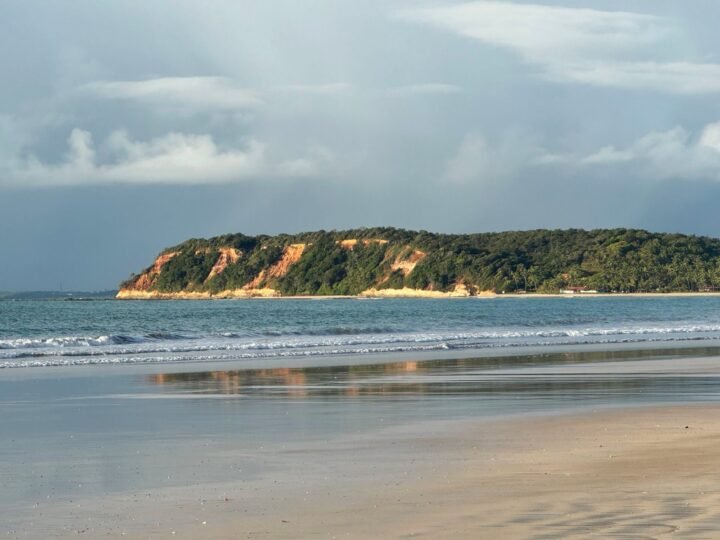
At Praia dos Morros de Camaragibe, a small hotel makes its case through the spacing between its buildings and the materials close at hand.

THE CURATED GLOBE.
Reportage / Marrakech
Private riads, carved timber and a network beneath the paths turn Moroccan craft into the organising principle of a hotel.
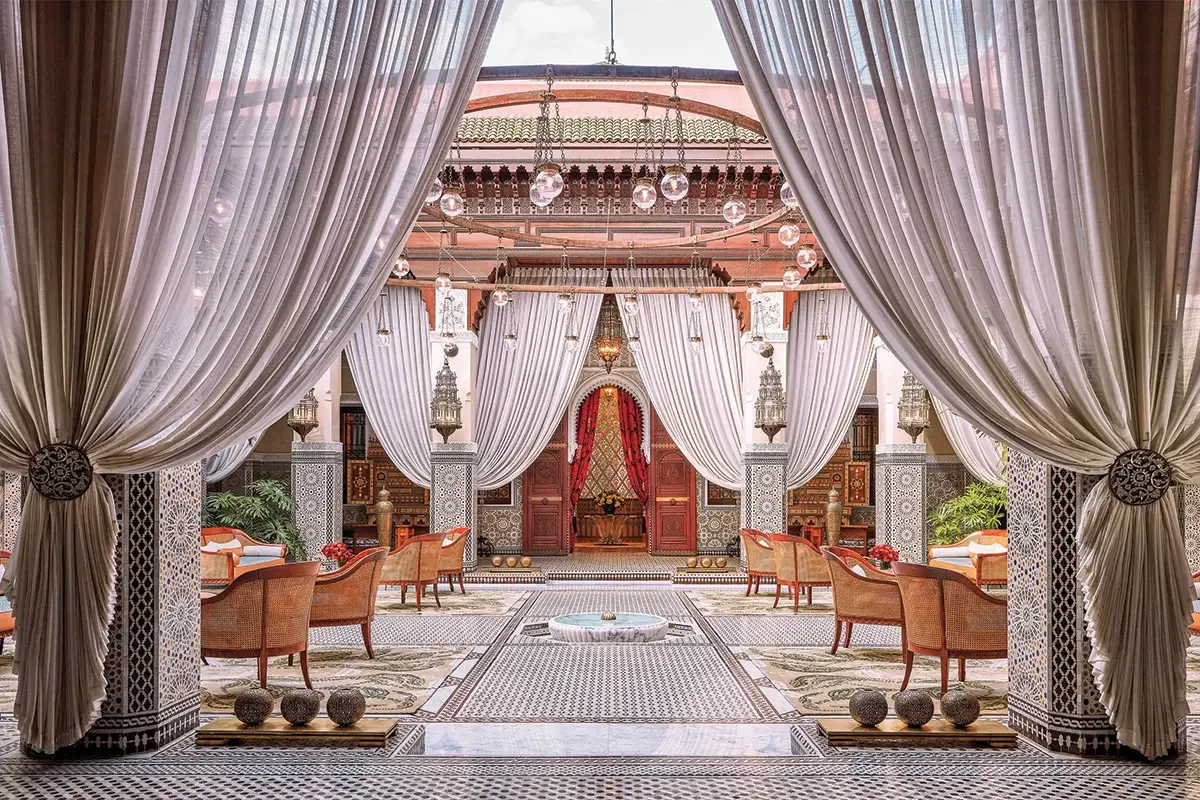
Royal Mansour takes the medina as its organising idea. Instead of placing rooms along an internal corridor, the Marrakech hotel arranges private riads around paths and gardens. The city becomes a model for the plan, not simply a source of decoration.
Commissioned by King Mohammed VI, the project brought together around 1,500 craftspeople over more than three years, according to WAYFARER’s December 2023 report. Hand-carved timber, mosaic tile and ornamental surfaces give its architecture a density of detail that resists a quick reading.
The accommodation follows the vertical organisation of a house. Living spaces occupy the ground floor, bedrooms sit above, and roof terraces open to the sky. The larger riads extend that arrangement, with more bedrooms and areas for gathering.
Between them, dusty-pink walls, planted gardens and water channels create a series of smaller passages. The experience depends on moving from one enclosure to another. It is a more intimate reading of scale than a single monumental lobby would allow.
Much of the service movement takes place below ground. A network of tunnels separates that circulation from the visible paths. The architecture makes privacy a logistical matter as well as a spatial one: the riad can function as a house because its support system is elsewhere.
The distinction between a decorative reference and a craft tradition is particularly clear here. Wood is carved rather than merely patterned. Tile is assembled into mosaic. Repeated geometric forms are made at the scale of the hand, then brought together into rooms and façades.
The spa extends that vocabulary into a white latticework atrium. The original report also described the Moroccan hammam: black soap, vigorous exfoliation and repeated rinsing on warm marble. It is a practice drawn from everyday bathing culture, placed within a much more elaborate architectural setting.
Food offers another account of place. At La Grande Table Marocaine, the report followed mezze, seafood pastilla, lamb, chicken tagine and couscous. The names locate the meal within Moroccan cooking without needing the hotel to supply its own invented mythology.
Marrakech remains the larger context. The medina and the Majorelle gardens place the hotel’s private interpretation of the city beside the public one. The two are not interchangeable. One is carefully controlled; the other has its own rhythms and uses.
Royal Mansour is best understood through that relationship. Its ambition is not simply the size of a riad or the elaboration of a surface. It is the attempt to make Moroccan craft, domestic architecture and service infrastructure work as one coherent plan.
This feature adapts the December 2023 archive. It does not reproduce dated awards, staffing figures or promises about transfers and current facilities.
From the WAYFARER Brazil archive. Originally published 2023-12-11; adapted and edited for the English edition on 6 October 2026. Read the original in Portuguese.
CONTINUE READING
Travel / Reportage
At Praia dos Morros de Camaragibe, a small hotel makes its case through the spacing between its buildings and the materials close at hand.
Travel / Reportage
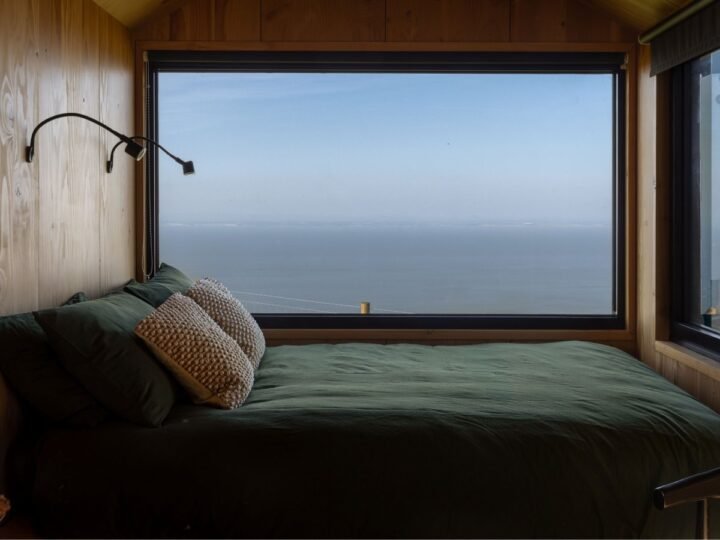
Two timber cabins near Porlock take the British off-grid stay from the countryside towards the water.
Travel / Reportage
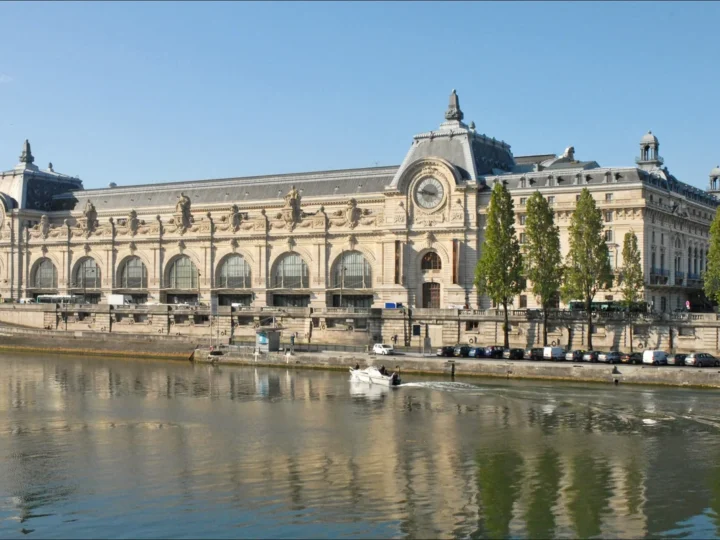
Luiza Rodas's account of a Saint-Germain stay favoured close observation over the impulse to cover more territory.