Dining / Reportage
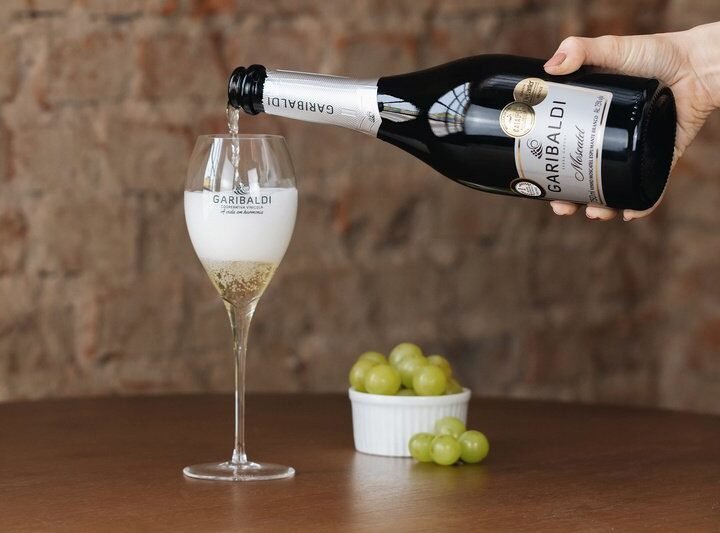
Garibaldi: Brazilian sparkling wine on its own terms
Two gold medals put a fruit-led Brazilian approach before a French jury.

THE CURATED EDITION.
Reportage / São Paulo
From the WAYFARER archive: a São Paulo restaurant reads Brazilian food through the whole animal, the farm and the shared table.
FROM THE WAYFARER BRAZIL ARCHIVE / English adaptation. Date shown is the original publication date.
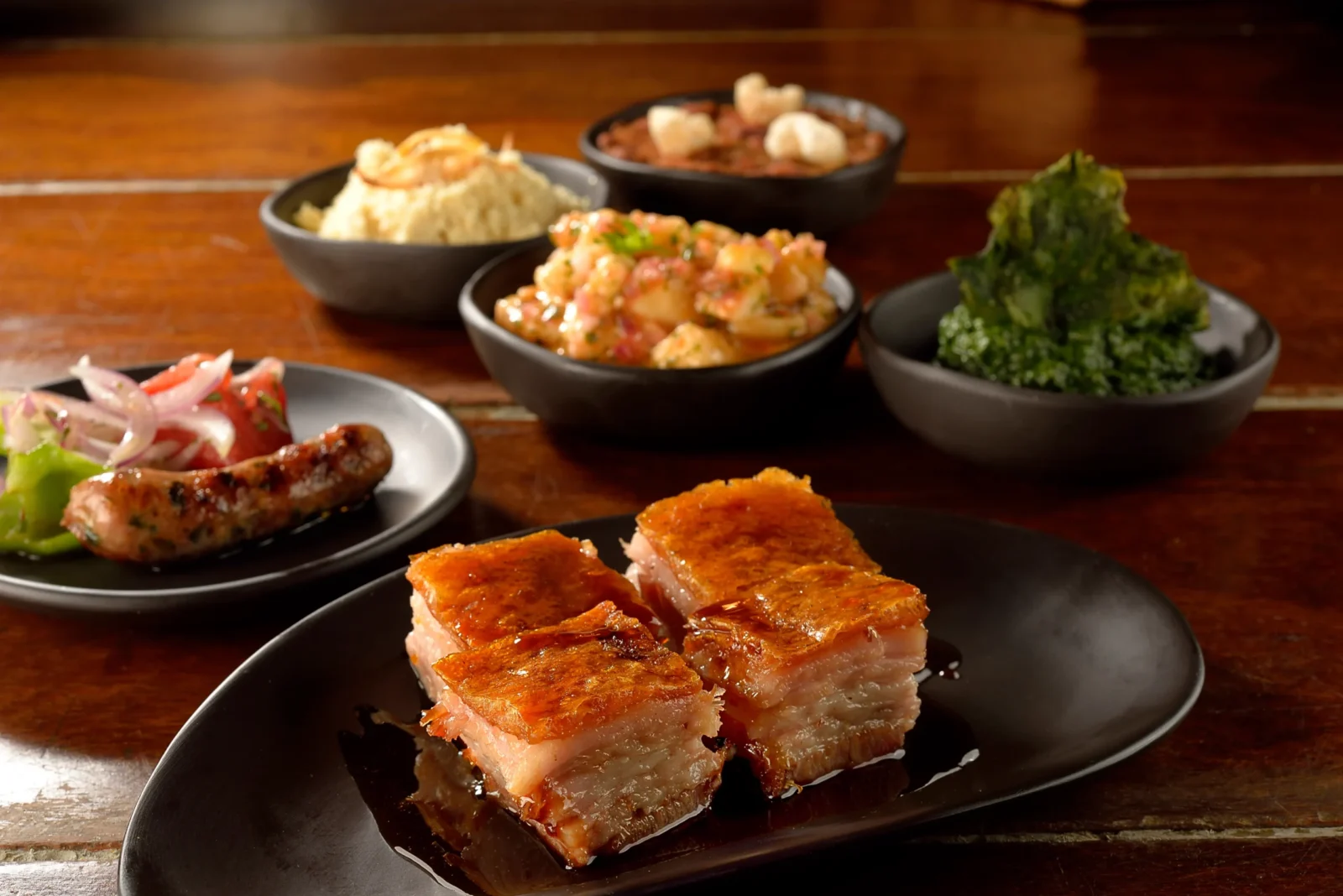
A Casa do Porco brought the countryside into central São Paulo without making it a theme. Pork, fire and the butcher’s knowledge were the organising ideas. The restaurant treated an animal as a whole subject, rather than a collection of premium cuts.
Opened in 2015 by Jefferson Rueda and Janaína Torres, it placed that subject in the centre of a large city. WAYFARER’s January 2024 report examined the result through a particular menu, the winter 2023 selection called Somos de Carne e Osso. Its details belong to that moment. The larger proposition is still worth reading: a restaurant can be ambitious about food without treating familiar ingredients as something to escape.
The archive describes a kitchen interested in the entire production chain, from the farm to the plate. Charcuterie from Porco Real opened the sequence. Copa, guanciale and lardo were served with crisp cassava and polenta, accompanied by pork liver.
The attention extended beyond the food. Plates made with pig bones, developed with Studio Lumumba, placed the material of the animal inside the presentation itself. The gesture was not merely visual. It made the subject of the meal difficult to separate into convenient parts.
A small truck carrying miniature São Paulo sandwiches introduced another scale: the street. The format linked the tasting menu to foods encountered outside a restaurant dining room. Instead of claiming distance from everyday eating, the kitchen drew on it.
The report moved from pork tartare to grilled country-bred pork with smoked glaze and peach-palm salad. A pork ossobuco with onion soup made a different argument, giving the sequence a recognisable domestic register.
Porco San Zé, one of the house’s defining preparations, arrived with vegetables from Sítio Rueda and a selection of rice. The farm was not an abstract source of provenance. Its produce helped organise the main course. Papaya cream, caramel and jabuticaba ice cream then shifted the meal towards fruit, with a jabuticaba vermouth alongside.
The same archival account described a vegetarian version of the menu. Chayote tartare and grilled cassava followed the narrative without reproducing the meat. That distinction matters. A kitchen whose identity begins with pork can still think beyond a single ingredient.
This is an account of a menu, not a report of a new visit or an up-to-date list of dishes. Its interest lies in how the parts fit together: the animal, the field, the street and the shared table. São Paulo is not separated from the countryside here. The meal gives each a place in the other.
Adapted from the WAYFARER Brazil archive, first published 2024-01-12. English adaptation and contextual review: 6 October 2026. Archival menu and room descriptions are not current service information.
CONTINUE READING
Dining / Reportage
Two gold medals put a fruit-led Brazilian approach before a French jury.
Dining / Reportage
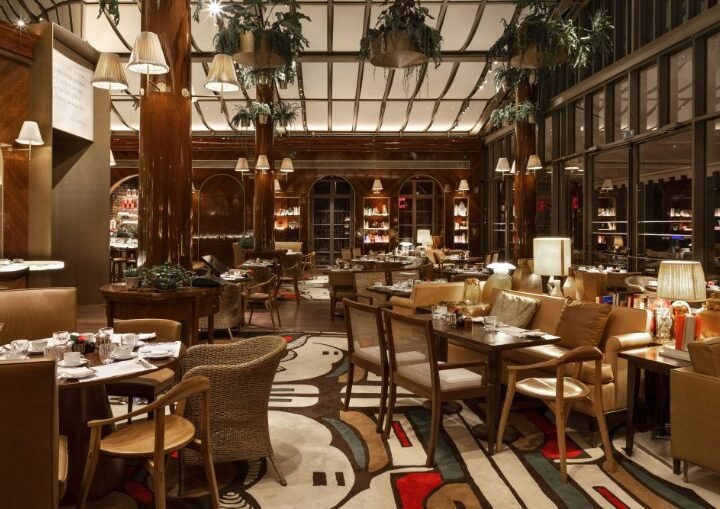
The Rosewood restaurant’s archive account placed producers and the kitchen ahead of the size of the cellar.
Dining / Reportage
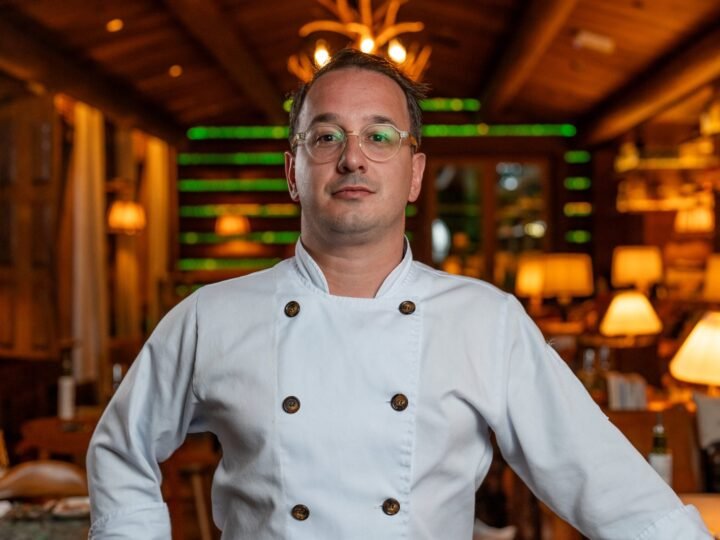
The restaurant’s 2026 cold-season menu connected classical preparations with a more local pantry.