
Travel / Reportage
Primitivo: eight bungalows on the Alagoas coast
At Praia dos Morros de Camaragibe, a small hotel makes its case through the spacing between its buildings and the materials close at hand.

THE CURATED GLOBE.
Reportage / New York
In Tribeca, reclaimed timber, Japanese craft and a private courtyard make a case for a more domestic kind of city hotel.
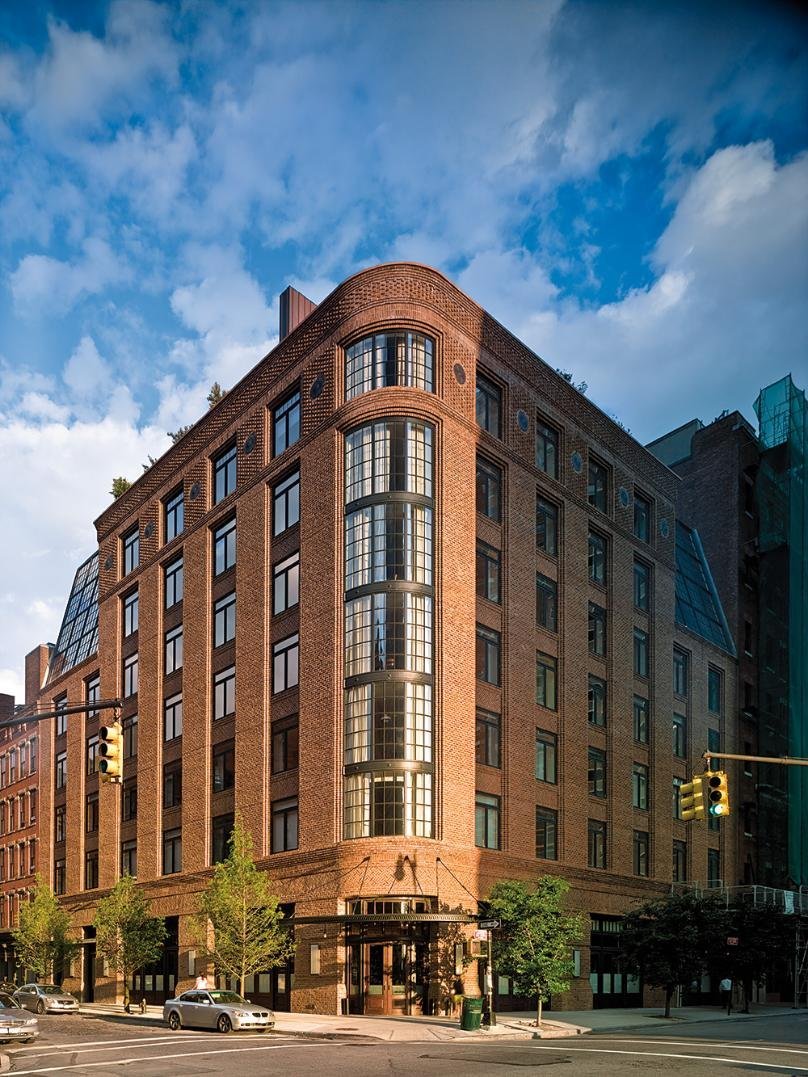
The Greenwich Hotel does not flatten its influences into a single style. Tibetan rugs, Moroccan tiles and Japanese bathing traditions sit alongside exposed oak, reclaimed timber and bespoke furniture. The result is a New York hotel built around texture rather than uniformity.
In the Brazilian WAYFARER report, published in December 2024, the 88-room Tribeca address was presented as an extension of its neighbourhood’s creative life. Co-owner Robert De Niro’s connection to the district runs through film, restaurants and the hotel itself. Yet the more useful account of the place is found in its materials.
The rooms and suites draw on different combinations of craft. Rugs soften timber floors; tile introduces pattern; stained glass changes the quality of light. Some suites include Japanese baths. These choices resist the anonymous vocabulary that makes one urban hotel look much like another.
Reclaimed wood and individually selected furniture also give the interiors a sense of accumulated use. The hotel borrows something from a home: the idea that an object can be chosen for its character rather than its ability to complete a set.
At the Shibui spa, the pool sits beneath beams from a 250-year-old Japanese farmhouse. That timber gives the room both structure and a visible history. The wider design draws on the Japanese appreciation of irregularity, age and imperfect surfaces often associated with wabi-sabi.
It is a tangible example of the hotel’s method. An influence is not simply named in the decoration. It is brought into the construction of the room.
Locanda Verde, associated with chef Andrew Carmellini, adds an Italian register. The original report described a seasonal menu of handmade pasta and slow-roasted lamb, with the restaurant serving as a meeting point between the hotel and the surrounding neighbourhood.
The Drawing Room and courtyard were reserved for hotel guests. Leather chairs, a library and a fireplace gave the former the proportions of a shared living room. Planting and outdoor furniture made the courtyard another space to inhabit rather than merely pass through.
That separation from the restaurant matters. A hotel in a busy district can participate in the city while retaining places that belong to the people staying there. The Greenwich offers a useful architectural answer: not withdrawal from New York, but a different texture within it.
This is an archival portrait of the hotel, not a current inventory of room facilities or restaurant menus. The detail worth carrying forward is the design argument. A place can have a clear identity without making every room identical.
From the WAYFARER Brazil archive. Originally published 2024-12-02; adapted and edited for the English edition on 6 October 2026. Read the original in Portuguese.
CONTINUE READING
Travel / Reportage
At Praia dos Morros de Camaragibe, a small hotel makes its case through the spacing between its buildings and the materials close at hand.
Travel / Reportage
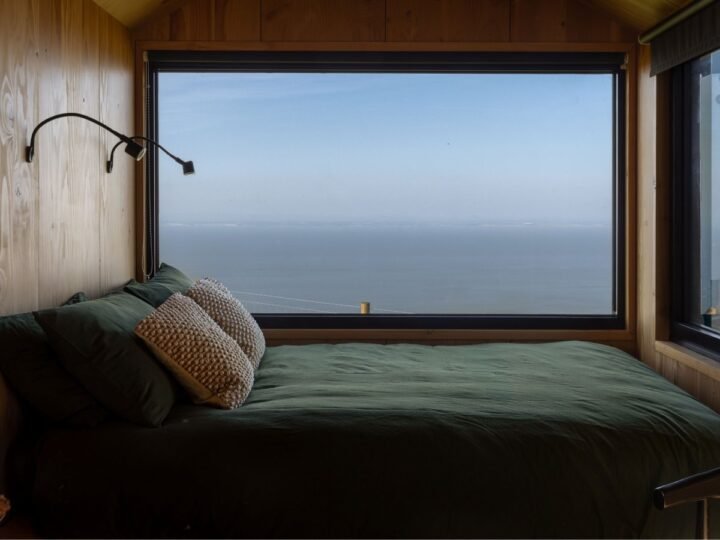
Two timber cabins near Porlock take the British off-grid stay from the countryside towards the water.
Travel / Reportage
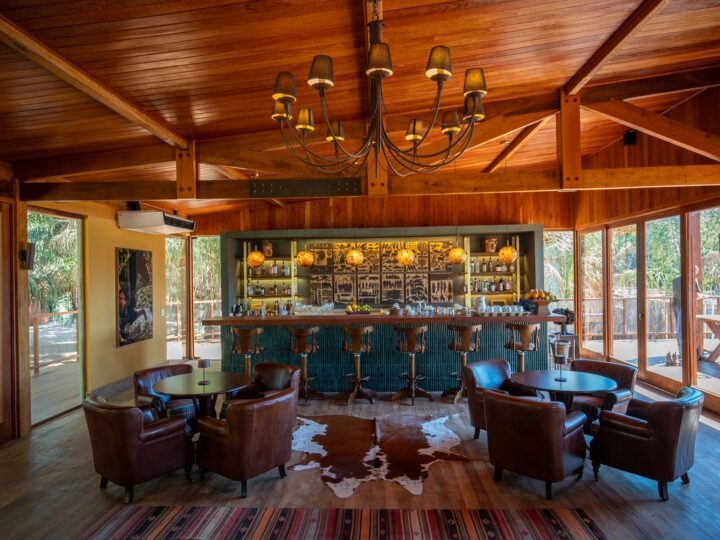
Lucio Fleury's design for Caiman connects seven bungalows to the landscape without making the building its dominant feature.