Dining / Reportage
Blaise: French forms, Brazilian ingredients
The restaurant’s 2026 cold-season menu connected classical preparations with a more local pantry.

THE CURATED GLOBE.
Reportage / São Paulo
In São Paulo, Helena Rizzo and Willem Vandeven place technique at the service of ingredients, memory and a recognisable point of view.
FROM THE WAYFARER BRAZIL ARCHIVE / English adaptation. Date shown is the original publication date.
Maní makes a case for Brazilian cooking without reducing it to a list of national emblems. In Helena Rizzo’s kitchen, technique matters because it allows an ingredient to be seen differently. The aim is recognition, not disguise.
The restaurant opened in São Paulo in 2006. Twenty years later, the question behind it remains useful: what happens when the precision learned in European kitchens meets the products and memories of Brazil?
Rizzo’s route to the kitchen was not direct. Born in Porto Alegre, she briefly studied architecture before moving to São Paulo, where modelling and restaurant work preceded a more sustained commitment to cooking. Time in Italy and Spain, including El Celler de Can Roca in Girona, expanded her sense of what a plate could express.
That training did not make Maní an exercise in reproducing another country’s food. It gave the kitchen tools with which to reconsider its own surroundings. Cassava, cashew fruit, jabuticaba and tucupi are not decorative references to Brazil. They supply flavour, acidity, texture and structure.
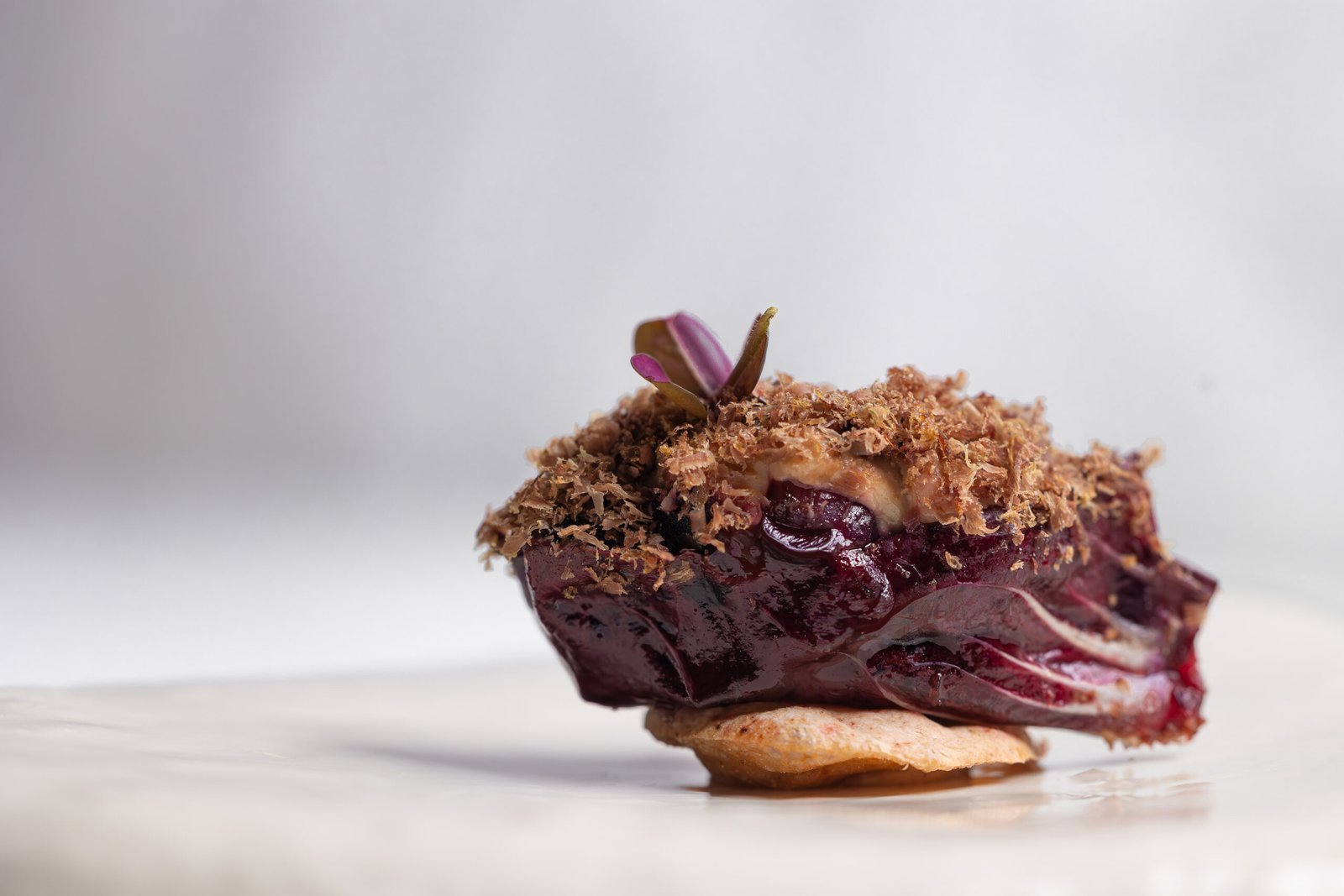
WAYFARER’s Brazilian report, published in May 2026, followed that approach through cashew-fruit ceviche, squid fideuá and a cold jabuticaba soup with crayfish cooked in cachaça. These are examples from that report, not a promise about the menu on a future visit. What connects them is the attempt to make a familiar product carry an unfamiliar shape.
The house in Jardim Paulistano gives this cooking a domestic scale. Interconnected rooms replace the formality of a single grand dining room. The Brazilian account described timber, textured walls and jabuticaba branches, materials that keep the setting close to the language of the food.
Its account of the 2026 refurbishment was concerned with continuity: an additional use of natural stone, a changed bar and new ceiling materials without erasing the character of the house. The setting was allowed to evolve rather than announce a different identity.
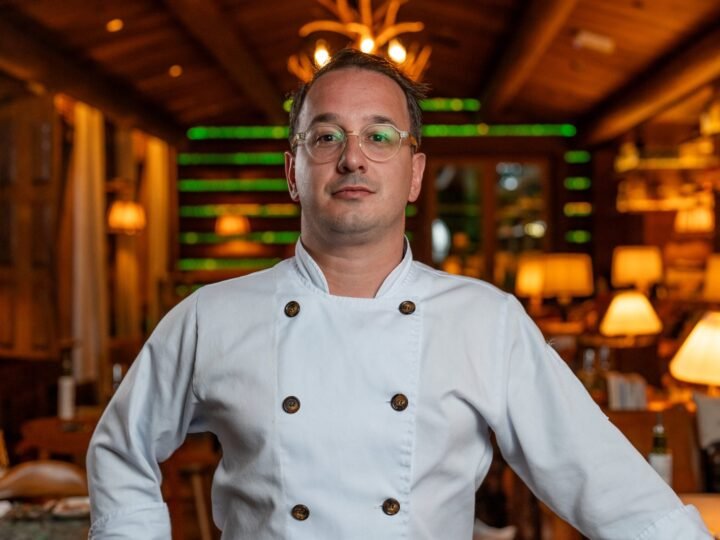
Belgian chef Willem Vandeven joined Maní in 2017. The restaurant’s own presentation now names both him and Rizzo at the helm. Their partnership makes the exchange between international technique and Brazilian ingredients part of the working kitchen, rather than simply a chapter in its founder’s biography.
There is no need to make the argument through a succession of rankings. The more durable subject is a restaurant that has spent two decades refining its vocabulary. Products can change. Dishes can move on. A point of view survives when the kitchen knows what it is trying to say.
Adapted from the WAYFARER Brazil archive, first published 2026-05-13. English adaptation and contextual review: 6 October 2026. Archival menu and room descriptions are not current service information.
Opening year and chefs checked against the restaurant and the MICHELIN Guide.
CONTINUE READING
Dining / Reportage
The restaurant’s 2026 cold-season menu connected classical preparations with a more local pantry.
Dining / Reportage
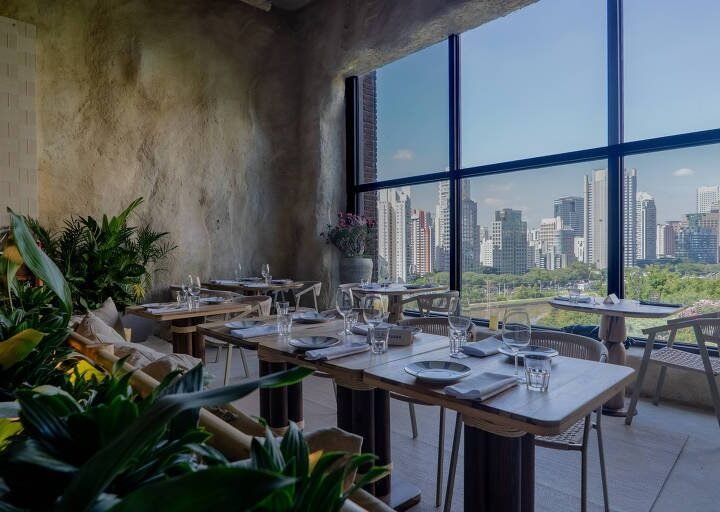
An integrated restaurant space at Cidade Jardim lets a meal move between Italian, Greek and oyster-bar menus.
Dining / Reportage
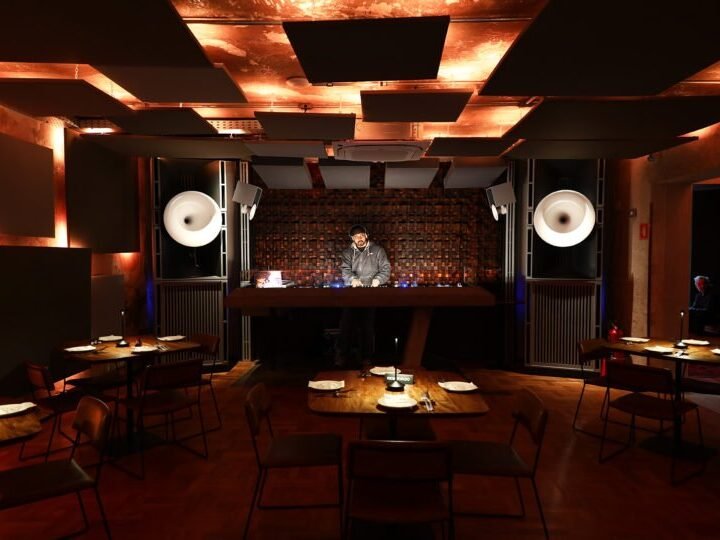
Pizza, cocktails and vinyl programming shared a Pinheiros address with more than one rhythm.