Design / Reportage
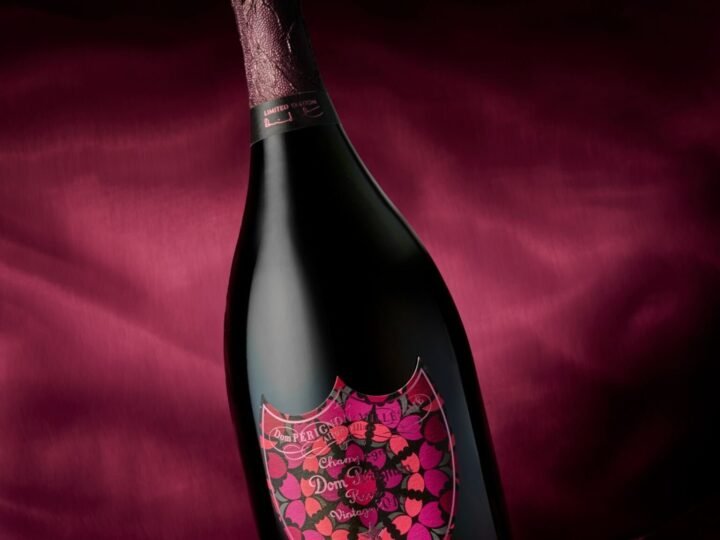
Dom Pérignon and Damien Hirst: symmetry on a label
A butterfly composition supplied a visual language for the champagne house’s 2026 collaboration.

THE CURATED GLOBE.
Reportage / Brumadinho
Palma's mirrored structure makes trees and sky part of its exterior, with a contrasting interior beyond an arched entrance.
FROM THE WAYFARER BRAZIL ARCHIVE / English adaptation. Date shown is the original publication date.
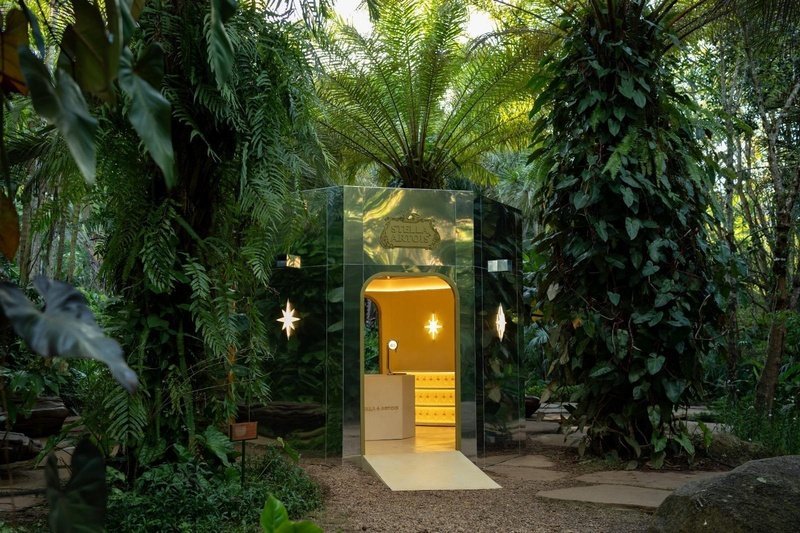
At Inhotim, a pavilion has to negotiate a landscape already filled with art. The Light Bar, described by WAYFARER Brazil in September 2026, approached that problem through reflection. Its mirrored exterior returned trees, palms and sky to the visitor rather than supplying another solid visual interruption.
The architecture and design were by Palma, the studio founded by artist Cleo Döbberthin and architect Lorenzo Lo Schiavo. Natural light, transparent elements and reflective surfaces formed the project’s vocabulary. The building could be seen through what it reflected as much as through its own outline.
An arched entrance led to a warmer, golden-toned interior. That contrast gave the small structure a sequence: the landscape dominated outside, while a different atmosphere appeared after crossing the threshold. Reflection did not remove the building; it changed how its presence was perceived.
The project marked Stella Artois’s sponsorship of the institute, with Franco Frugiuele identified in the source as a creative partner. That commercial context is part of the account and should remain visible, rather than being disguised as an independent museum commission.
The pavilion’s design question nevertheless extends beyond branding. How can a new social space join a botanical and artistic setting without overwhelming it? Palma’s response made the surroundings into the exterior image. The bar thus became another point from which to look at Inhotim, not only a place to stop after looking at the art.
Adapted from the WAYFARER Brazil archive, first published 2026-09-24. English adaptation: 6 October 2026. This is an archival account, not a report of a new visit. Exhibitions, collections and menu details are described in their original context, not as current availability.
CONTINUE READING
Design / Reportage
A butterfly composition supplied a visual language for the champagne house’s 2026 collaboration.
Design / Reportage
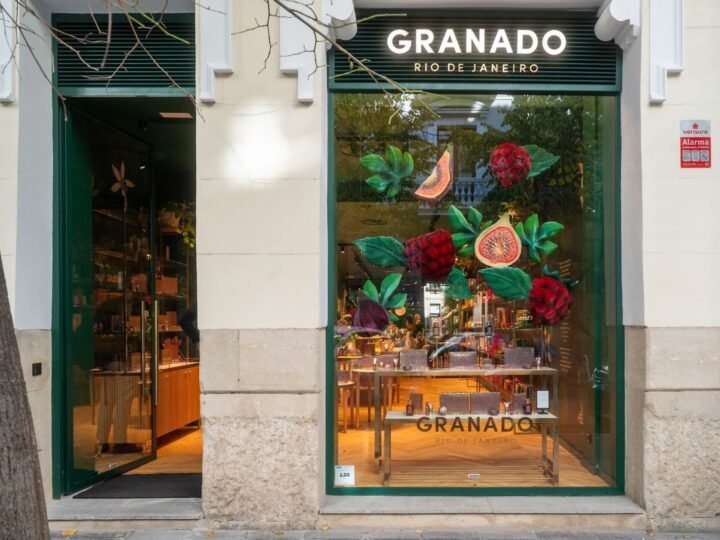
Green panels, botanical imagery and an archive wall connected a Salamanca shop with the brand’s Brazilian origins.
Design / Reportage
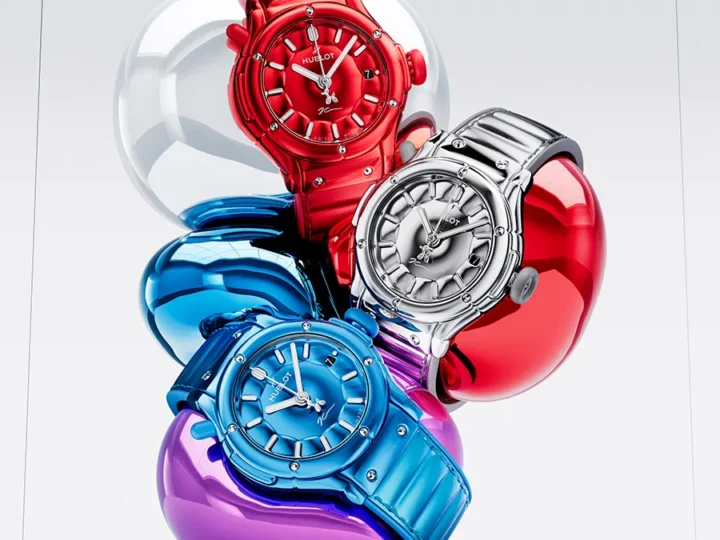
The Classic Fusion collaboration translated the Balloon Dog’s surfaces into the case, hands and smaller details.