Dining / Reportage
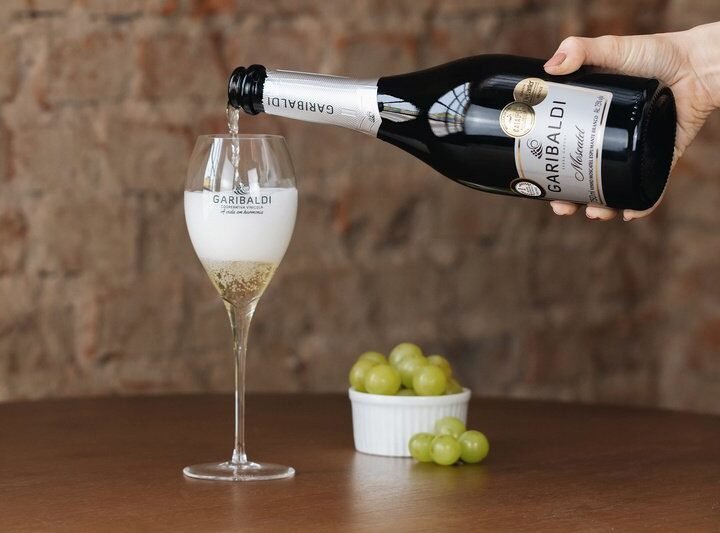
Garibaldi: Brazilian sparkling wine on its own terms
Two gold medals put a fruit-led Brazilian approach before a French jury.

THE CURATED EDITION.
Reportage /
The Caparaó microlot connected a São Paulo coffee house with the people growing its beans.
FROM THE WAYFARER BRAZIL ARCHIVE / English adaptation. Date shown is the original publication date.
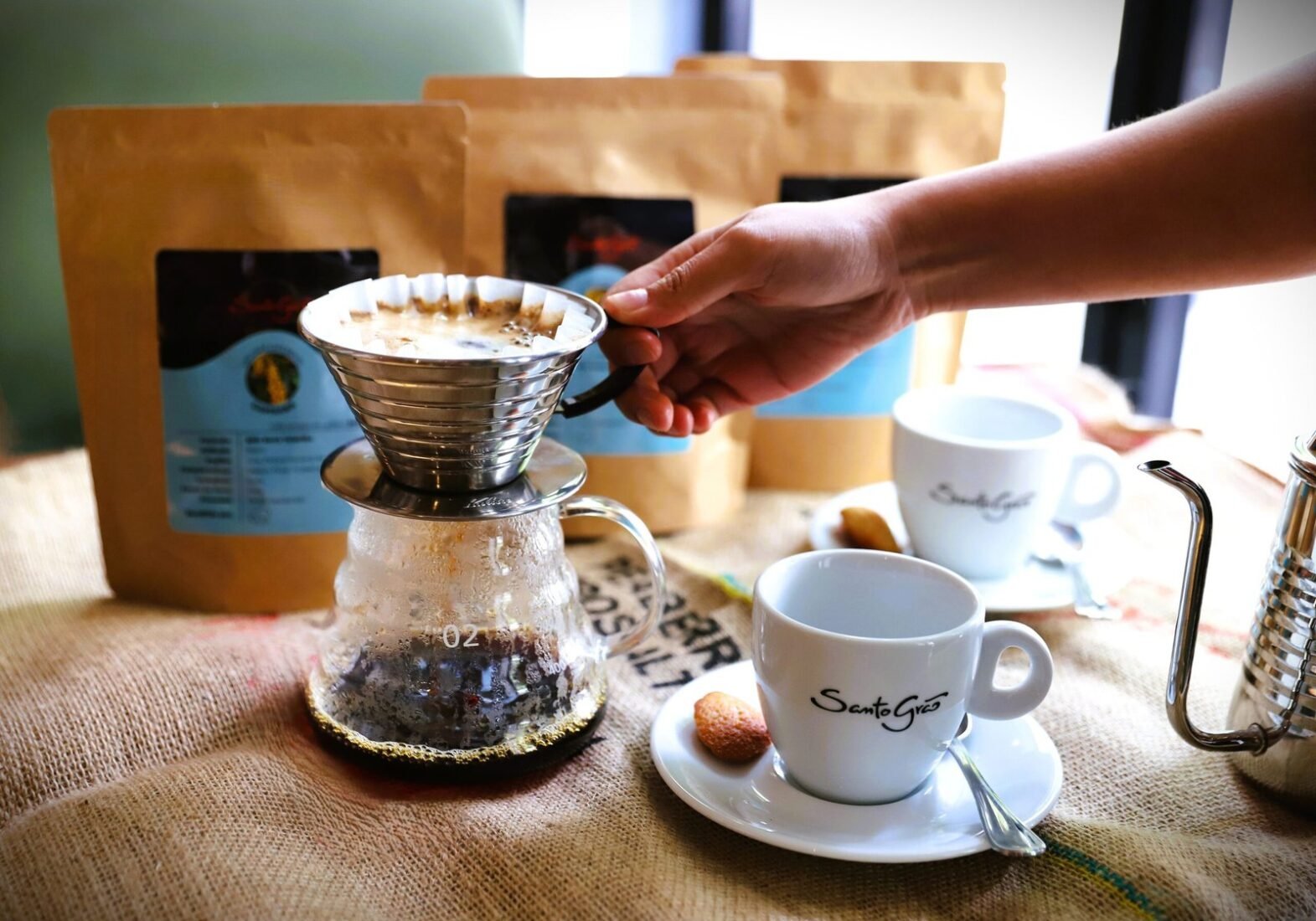
A coffee becomes more specific when its origin includes people as well as a place. Santo Grão’s March 2025 microlot announcement named Elisangela Justo and Paulo Sérgio at Sítio Serra do Valentim in the Caparaó mountains.
The source described an Arara variety grown in Espírito Santo, at elevations reaching 1,100 metres. It placed the lot within the brand’s approach to limited selections, giving the farm a visible role in the story of the finished coffee.
Pulped processing and a light roast were part of that account. Molasses, vanilla and a floral finish appeared in the original sensory description. This adaptation does not claim to have tasted the lot or independently reproduce its score.
The announcement also situated Santo Grão within a longer history beginning on São Paulo’s Rua Oscar Freire in 2003. Courses and the relationship between café spaces and coffee education supplied another strand of the article.
Current stock, prices and shop counts are not confirmed here. The archive’s useful distinction is traceability in the editorial sense: a drink offered at a city counter can be connected to a named farm and a particular production choice. The cup has a setting before it reaches the table.
Adapted from the WAYFARER Brazil archive, first published 2025-03-20. English adaptation: 6 October 2026. This is an archival account, not a report of a new visit. Exhibitions, collections and menu details are described in their original context, not as current availability.
CONTINUE READING
Dining / Reportage
Two gold medals put a fruit-led Brazilian approach before a French jury.
Dining / Reportage
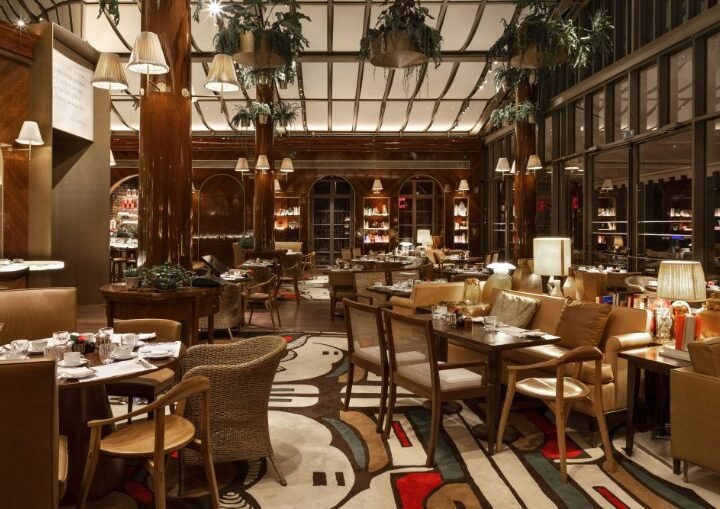
The Rosewood restaurant’s archive account placed producers and the kitchen ahead of the size of the cellar.
Dining / Reportage
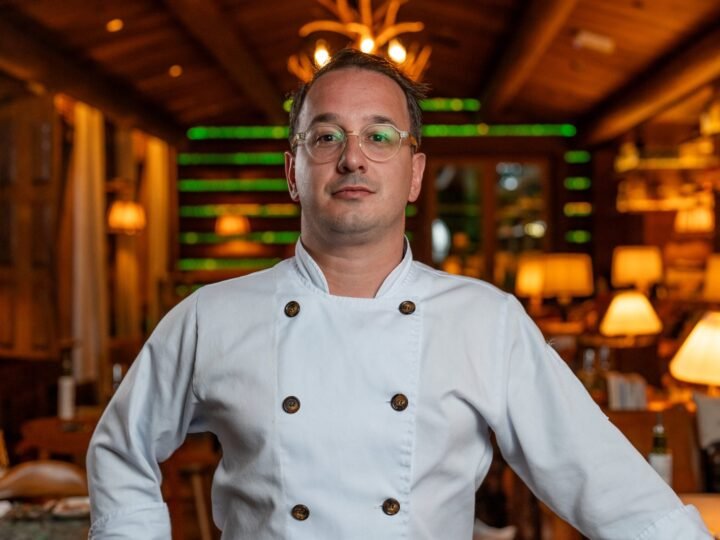
The restaurant’s 2026 cold-season menu connected classical preparations with a more local pantry.