Design / Reportage
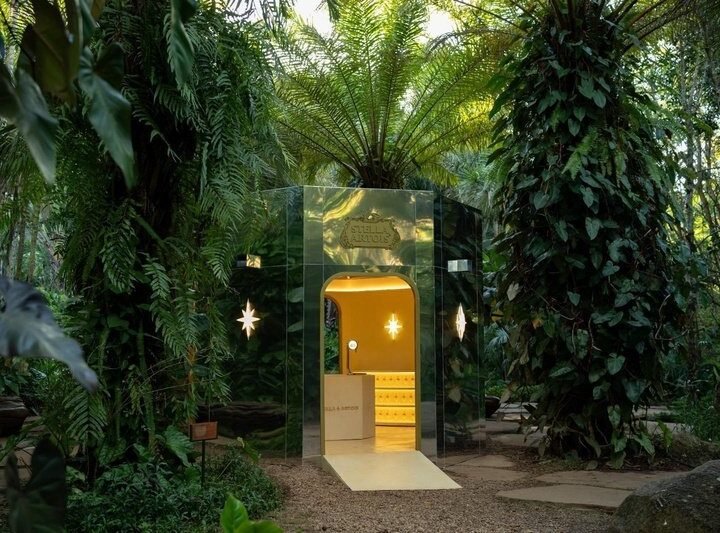
Inhotim’s Light Bar: a pavilion that returns the landscape
Palma's mirrored structure makes trees and sky part of its exterior, with a contrasting interior beyond an arched entrance.

THE CURATED GLOBE.
Reportage / São Paulo
Brazilian designers translate the city's architecture and social life into objects rather than miniature landmarks.
A city can enter a room without appearing as a skyline. WAYFARER Brazil’s January 2026 selection of Brazilian furniture read São Paulo through materials, music and the rituals of meeting other people. The objects were less like souvenirs than interpretations of daily urban life.
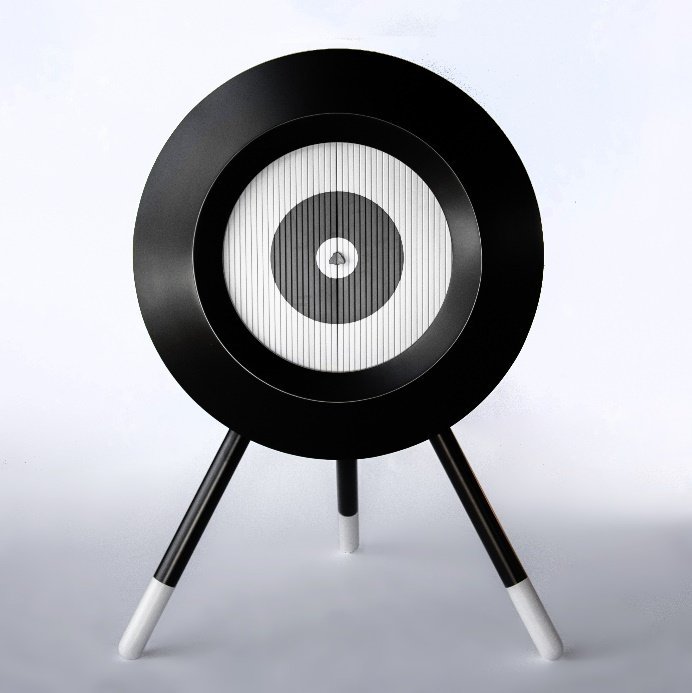
Estúdio Mula Preta’s Bar Álvaro referred to Adoniran Barbosa’s song Tiro ao Álvaro. Its concentric front detail turned a popular expression into a visual joke, connecting a piece of furniture with the city’s musical memory. The Paulistinha chair approached a different reference, revisiting the architectural lineage of Paulo Mendes da Rocha’s Paulistano.
Estudiobola’s Concrete table placed a familiar urban material at the centre of a domestic object. Ronald Sasson’s Liceu chair for Tecline offered another account of form and cultural association. Neither needed to reproduce a particular building to suggest a relationship with São Paulo.
Linda Martins’s Ritmo table used its base to create changing visual movement, while her Fly system explored flexibility. Roberta Banqueri’s Equilibrista bar for Todo contrasted an enclosed sculptural presence with the lighting and mirror revealed when it opened.
The selection also included DIEEDRO’s HAAZ lighting, associated with Jayme Bernardo, whose metal fins shaped the emergence of light. Across these different approaches, the city’s influence was not a single aesthetic. It was a set of problems and pleasures: compact living, concrete surfaces, conviviality and the way an object changes when used.
Adapted from the WAYFARER Brazil archive, first published 2026-01-22. English adaptation: 6 October 2026. This is an archival account, not a report of a new visit. Exhibitions, collections and menu details are described in their original context, not as current availability.
CONTINUE READING
Design / Reportage
Palma's mirrored structure makes trees and sky part of its exterior, with a contrasting interior beyond an arched entrance.
Design / Reportage
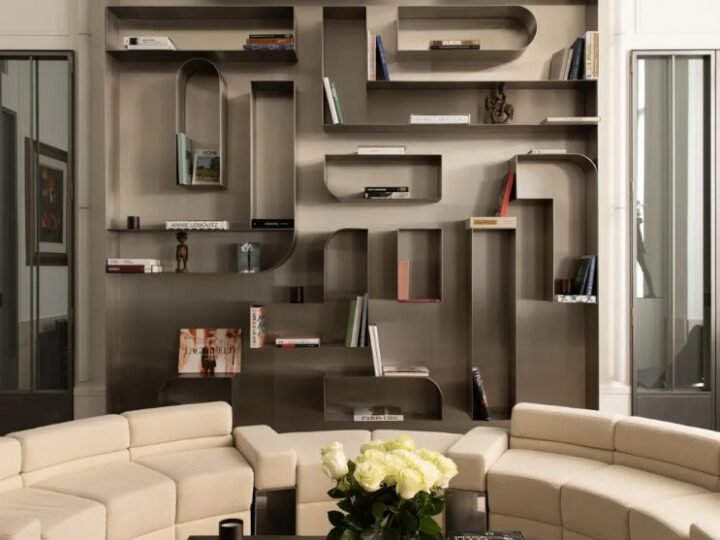
A residential reinterpretation of the Saint-Germain-des-Prés address retained its sculptural stair and metal-lined architectural character.
Design / Reportage
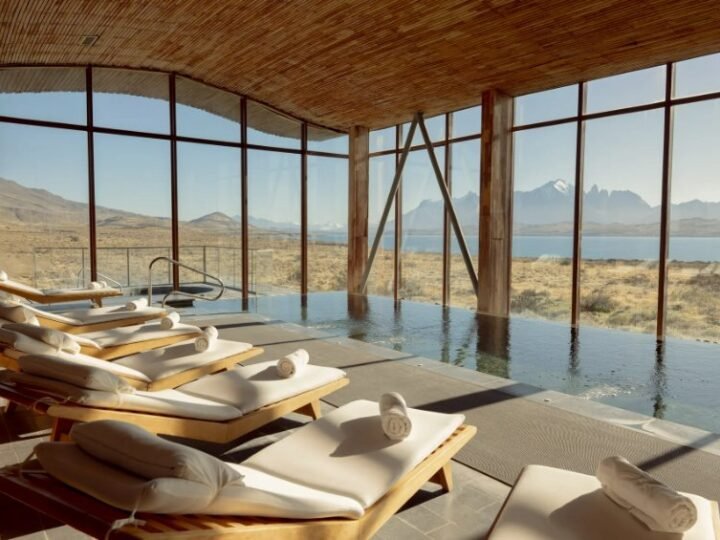
Cazu Zegers’s low, curved building follows the land beside Lake Sarmiento, leaving the mountains to set the scale.