Design / Reportage
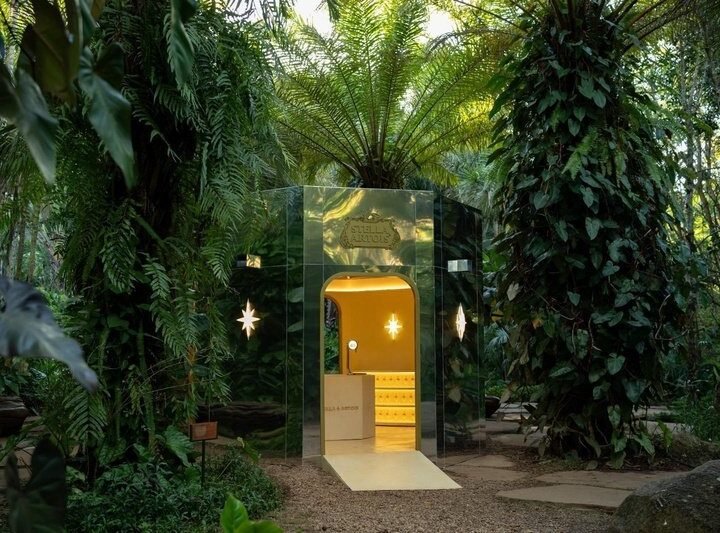
Inhotim’s Light Bar: a pavilion that returns the landscape
Palma's mirrored structure makes trees and sky part of its exterior, with a contrasting interior beyond an arched entrance.

THE CURATED GLOBE.
Reportage / Warsaw
A 2025 retrospective connected the designer's Polish origins with the furniture and drawings he developed in Brazil.
FROM THE WAYFARER BRAZIL ARCHIVE / English adaptation. Date shown is the original publication date.
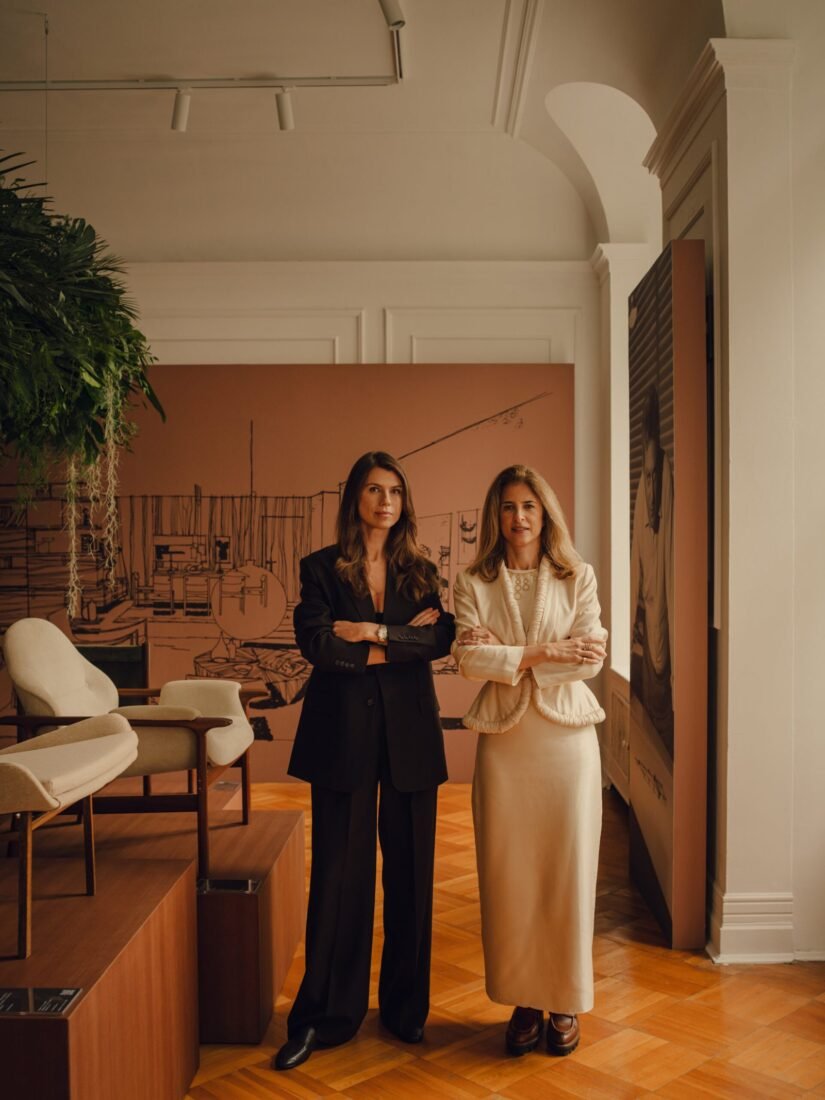
The title of the exhibition supplied its itinerary: Jorge Zalszupin: Warsaw – São Paulo – Warsaw. Returning the designer’s work to his birthplace made the movement between countries part of the display, not merely a line in a biography.
WAYFARER’s September 2025 account described a collaboration between ETEL, Casa Zalszupin and the Visteria Foundation. The retrospective occupied Warsaw’s Villa Gawrońskich, a neo-baroque house built in the 1920s, damaged during the Second World War and subsequently reconstructed.
The archive listed more than twenty-five furniture pieces, forty original drawings and photographs tracing Zalszupin’s career. Seen together, finished objects and works on paper could expose the decisions that a familiar chair or table tends to conceal.
Born in Warsaw, Zalszupin travelled through Bucharest and Paris before arriving in Brazil in 1949. There he developed a modernist language that joined formal discipline with function and an interest in materials. The exhibition gave that Brazilian career a Polish frame.
Maria Murawsky and Lissa Carmona curated the show. ETEL’s work preserving and reissuing Brazilian modernist furniture supplied another strand of the story: the survival of a design depends not only on museum recognition but also on the knowledge needed to make it.
The retrospective was a 2025 event, not a current exhibition listing. Its continuing interest lies in the route it made visible. Brazilian modernism was shaped by arrivals, exchanges and reinventions; Zalszupin’s return to Warsaw allowed one of those journeys to be read through objects.
Adapted from the WAYFARER Brazil archive, first published 2025-09-15. English adaptation: 6 October 2026. This is an archival account, not a report of a new visit. Exhibitions, collections and menu details are described in their original context, not as current availability.
CONTINUE READING
Design / Reportage
Palma's mirrored structure makes trees and sky part of its exterior, with a contrasting interior beyond an arched entrance.
Design / Reportage
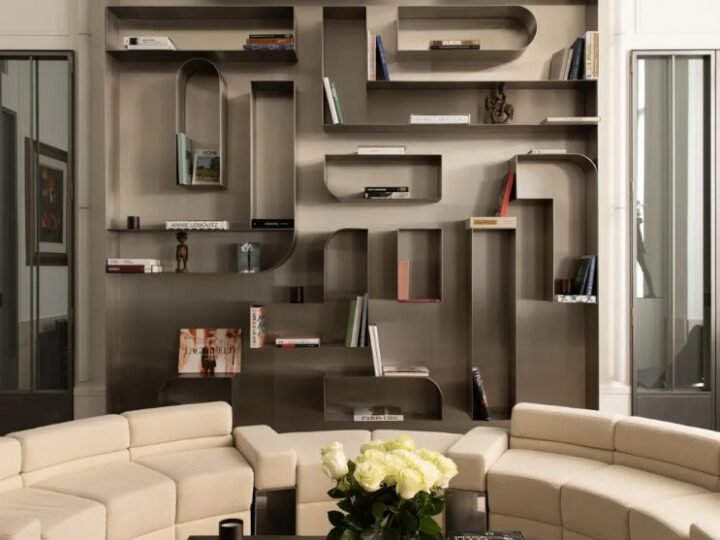
A residential reinterpretation of the Saint-Germain-des-Prés address retained its sculptural stair and metal-lined architectural character.
Design / Reportage
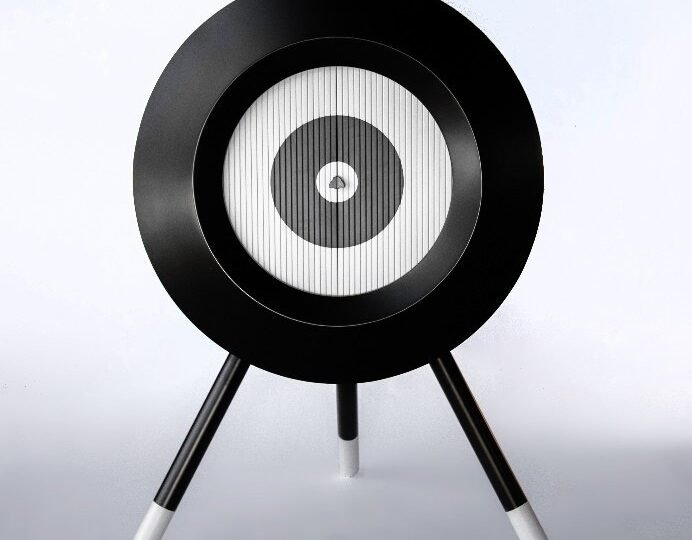
Brazilian designers translate the city's architecture and social life into objects rather than miniature landmarks.