Design / Reportage
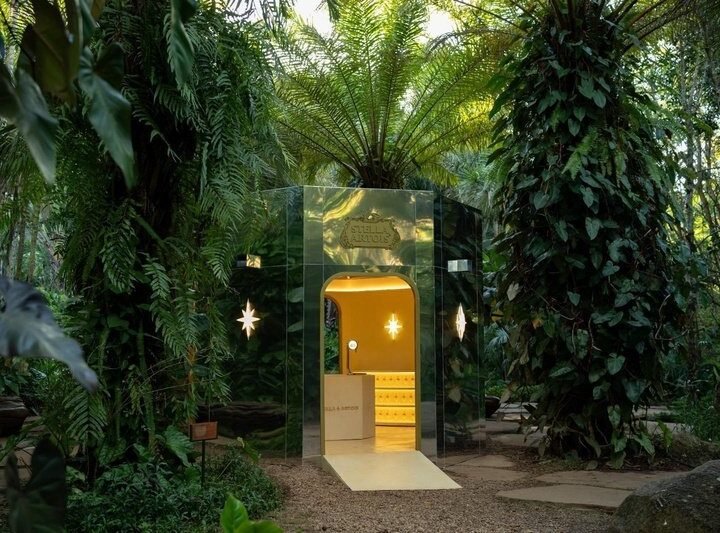
Inhotim’s Light Bar: a pavilion that returns the landscape
Palma's mirrored structure makes trees and sky part of its exterior, with a contrasting interior beyond an arched entrance.

THE CURATED GLOBE.
Reportage / Milan
Ricardo Gaioso's selection connected reclaimed glass, steel, natural fibres and sculptural furniture through a plural view of Brazilian practice.
FROM THE WAYFARER BRAZIL ARCHIVE / English adaptation. Date shown is the original publication date.
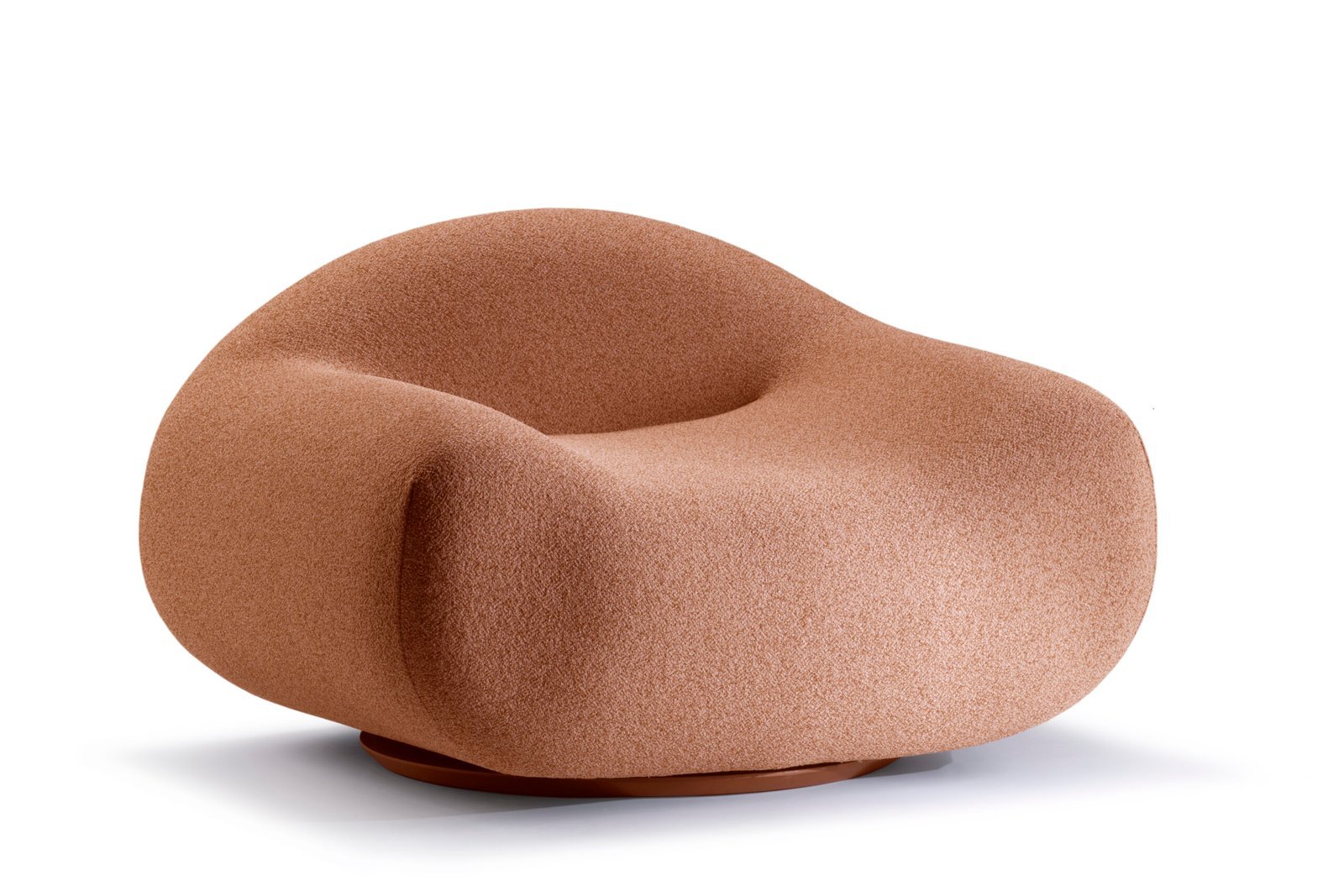
Brazilian design does not need a single material or a tropical image to become recognisable abroad. Piloto Milano’s second edition approached it through several authors and ways of making, allowing difference to form the exhibition’s identity.
WAYFARER’s March 2025 account described Ricardo Gaioso’s curatorial project within Milan Design Week’s 5VIE circuit. The selection placed functional objects beside more sculptural approaches.
Cândida Tabet’s Via Láctea pendant assembled vintage glass into a large suspended form. Ronald Sasson’s Mauna Kea Kili chairs explored verticality through stainless steel. Felipe Protti’s Jack chair brought a different, Memphis-informed register.
Claudia Issa’s Vertikaos combined ceramics, blown glass and reclaimed timber. Juliana Pippi’s Vínculo rug used fibres including cattail, buriti and cotton, making handwork another part of the display’s material field.
Alê Jordão contributed neon and acrylic references, while Monics + Vieira worked with marble in the Dueto series. Other seats and objects continued the exchange between utility and sculptural presence.
The original venue’s architectural attribution is not repeated without verification. The work itself supplies a stronger subject: several Brazilian practices could be presented together without forcing them into one national style.
The result was not an argument against local identity. It located that identity in the variety of materials, memories and decisions through which individual designers worked.
Adapted from the WAYFARER Brazil archive, first published 2025-03-27. English adaptation: 6 October 2026. This is an archival account, not a report of a new visit. Exhibitions, collections and menu details are described in their original context, not as current availability.
CONTINUE READING
Design / Reportage
Palma's mirrored structure makes trees and sky part of its exterior, with a contrasting interior beyond an arched entrance.
Design / Reportage
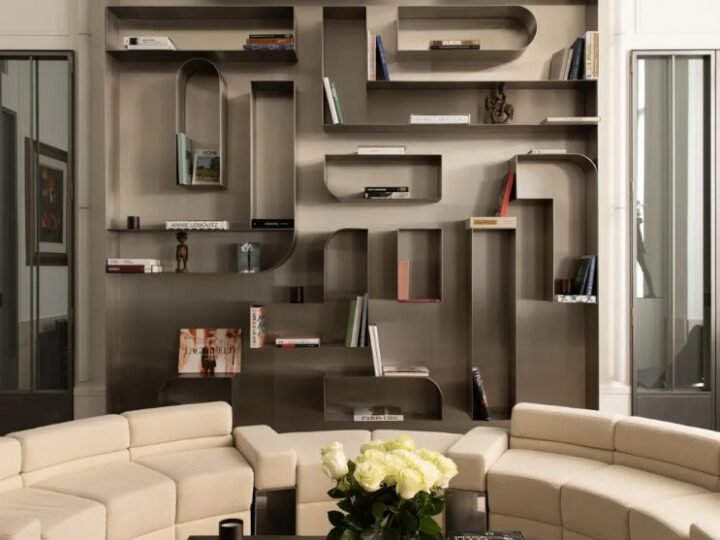
A residential reinterpretation of the Saint-Germain-des-Prés address retained its sculptural stair and metal-lined architectural character.
Design / Reportage
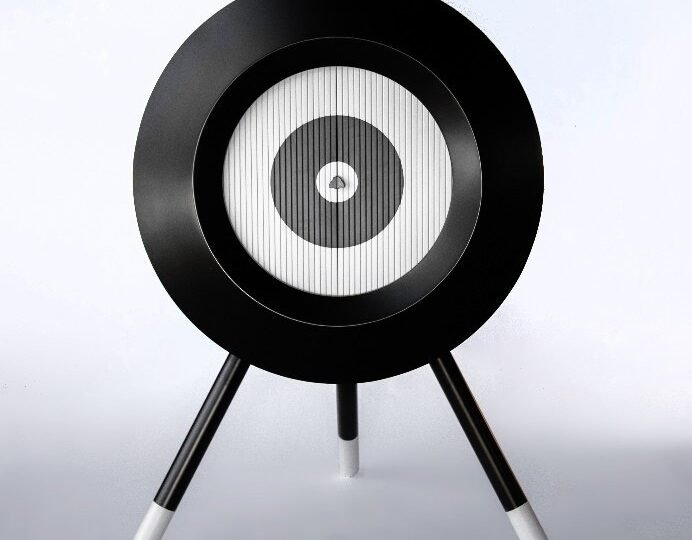
Brazilian designers translate the city's architecture and social life into objects rather than miniature landmarks.