Style / Reportage
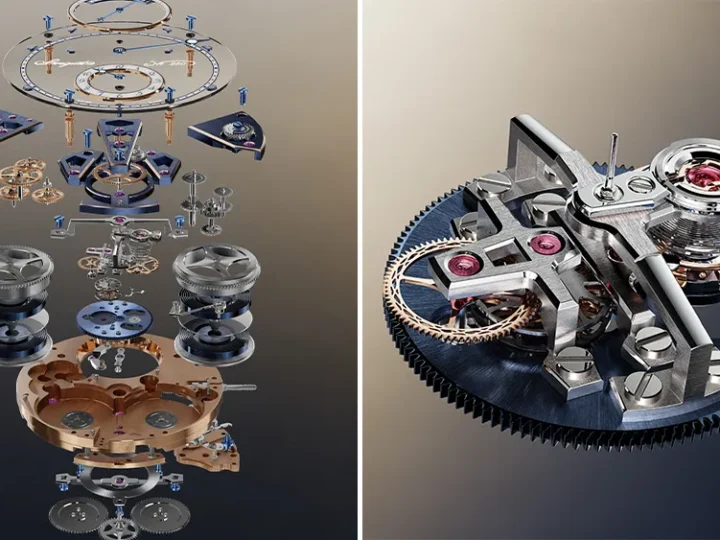
Breguet Expérimentale 1: precision as a design argument
A magnetic escapement and a 10 Hz tourbillon bring the manufacture’s research into the visible architecture of a watch.

THE CURATED EDITION.
Reportage / Florence
The January 2026 Florence fair placed practical clothing beside experiments in proportion. Its programme shows why an industry gathering cannot be reduced to the outfits outside its gates.
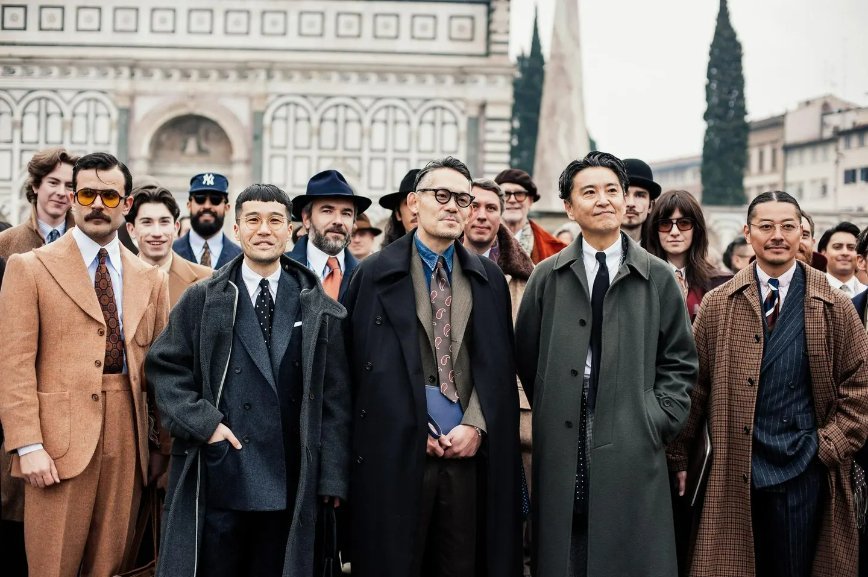
A jacket becomes more interesting when it looks ready to be worn rather than merely photographed. At Pitti Uomo 109, practical clothing and experiments in proportion occupied the same conversation. Familiar garments changed through fabric, cut and finish without requiring a wholly new wardrobe.
The edition ran from 13 to 16 January 2026 at Florence’s Fortezza da Basso, presenting autumn-winter 2026–2027 collections. The distinction between the date of the fair and the season of the clothing is important: this is a reading of a completed January event, not an announcement of the next edition.
Pitti is a trade gathering for buyers, designers, brands and the press. The organiser’s advance programme described more than 700 participating brands and an international share of approximately 44 per cent. Those were programme figures, not an independently audited final attendance count.
Its five sections included Fantastic Classic, Futuro Maschile, Superstyling, Dynamic Attitude and I Go Out. The divisions placed several approaches to dressing within the same fair rather than suggesting that one silhouette represented the entire market.
On the Central Pavilion’s Top Floor, DWA – Design Studio developed a renewed setting for Futuro Maschile. The new Hi Beauty area added ten independent perfumery brands. That extension matters because clothing retailers increasingly present garments alongside other objects and products; the fair’s programme made that relationship explicit.
Utility jackets, substantial boots and selvedge denim appeared alongside more relaxed tailoring. Vintage military references provided another practical register, without every combination becoming a historical costume.
Grey, white, sage green and earth tones kept the colour field restrained. Within that palette, proportion and texture did more of the work. A roomier jacket could remain recognisably tailored, while denim or a heavier boot altered its relationship with the body.
These details suggest a functional wardrobe, but they do not prove a permanent market-wide shift. The useful observation is narrower: construction and ease can coexist. Neither a tailored coat nor practical clothing needs to surrender its identity to accommodate the other.
The edition named Soshiotsuki and Hed Mayner as Guest Designers, with Shinyakozuka as its Special Event. Their presence expanded the programme beyond the commercial stands and the familiar photographs of visitors outside the fortress.
A guest presentation and a buyer’s appointment serve different purposes. One can use the runway to test a silhouette; the other examines how garments will enter a shop and a customer’s wardrobe. Keeping those roles distinct makes the fair more legible.
The strongest way to read this edition is through combinations: a utility piece beside a tailored one, a restrained colour beside an assertive proportion, a commercial collection beside a runway experiment. The fair offers several working propositions, not a single dress code to copy.
Pitti Immagine Uomo 109 · 13–16 January 2026 · Fortezza da Basso, Florence, Italy.
CONTINUE READING
Style / Reportage
A magnetic escapement and a 10 Hz tourbillon bring the manufacture’s research into the visible architecture of a watch.
Style / Reportage
The Roman house’s lasting argument lies in the relationship between a recognisable form and the hands that keep changing it.
Style / Reportage
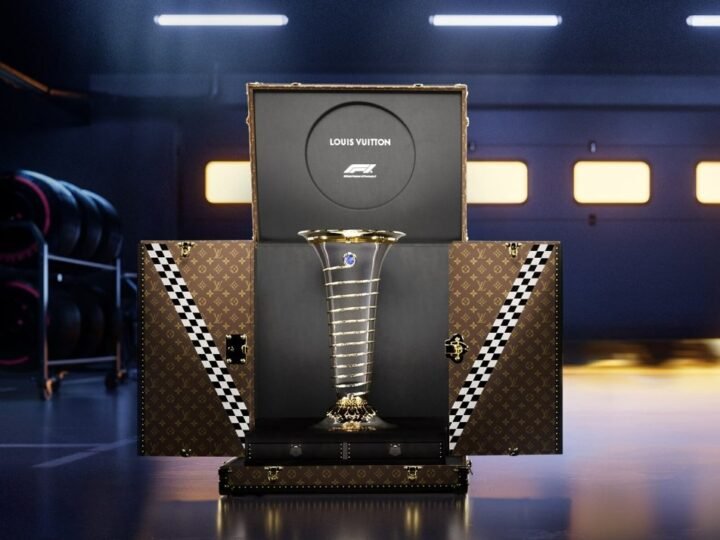
At the intersection of sport, craft and sponsorship, the case does more than carry the prize: it frames the moment before the presentation.