Style / Reportage
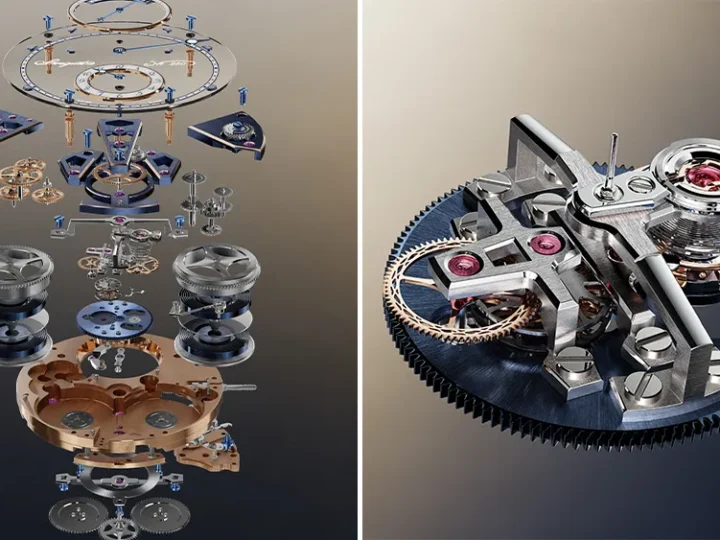
Breguet Expérimentale 1: precision as a design argument
A magnetic escapement and a 10 Hz tourbillon bring the manufacture’s research into the visible architecture of a watch.

THE CURATED EDITION.
Reportage / São Paulo
A 2025 winter campaign connected donated clothing with resale, customisation and women’s income.
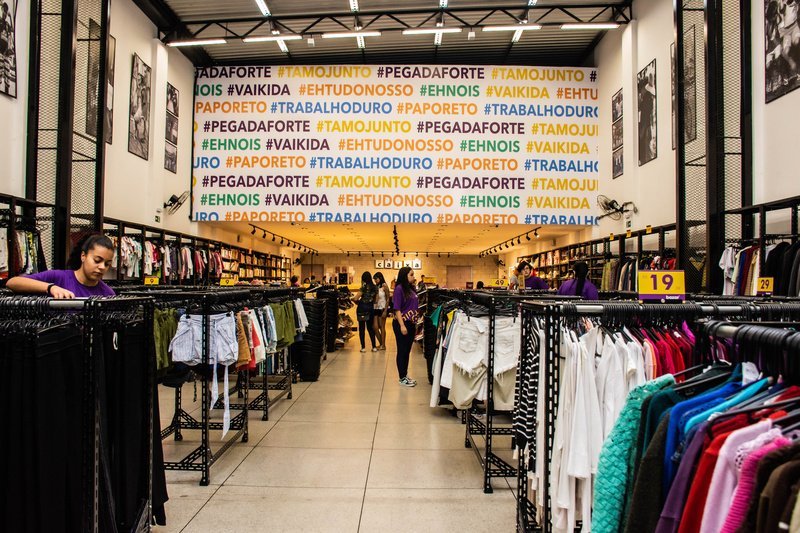
A garment does not reach the end of its usefulness when its owner stops wearing it. Gerando Falcões’s June 2025 winter campaign approached the wardrobe as a resource that could move through another cycle.
The initiative, covered by WAYFARER, directed clothing in good condition towards the organisation’s social bazaars and ASMARA programme. The first route offered resale; the second connected customisation and resale with training for women from favelas and peripheral communities. Donation was therefore part of a system, not only a transfer from one person to another.
That distinction changes the usual fashion conversation. Condition, usefulness and the work needed to give an item a further life become as important as novelty. A piece left in a wardrobe can become stock, a material for alteration, or an object someone else chooses to wear.
The original campaign set a collection target for that month. Its subject is the model described in 2025 and the question it places before fashion: what happens after the first owner? Circularity becomes concrete when the next stage has people, skills and a route through which clothing can continue to move.
CONTINUE READING
Style / Reportage
A magnetic escapement and a 10 Hz tourbillon bring the manufacture’s research into the visible architecture of a watch.

Style / Reportage
The Roman house’s lasting argument lies in the relationship between a recognisable form and the hands that keep changing it.
Style / Reportage
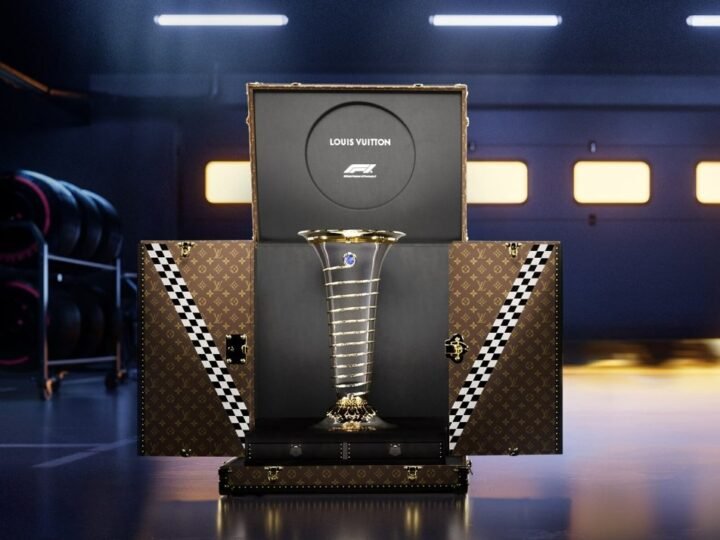
At the intersection of sport, craft and sponsorship, the case does more than carry the prize: it frames the moment before the presentation.