Dining / Reportage
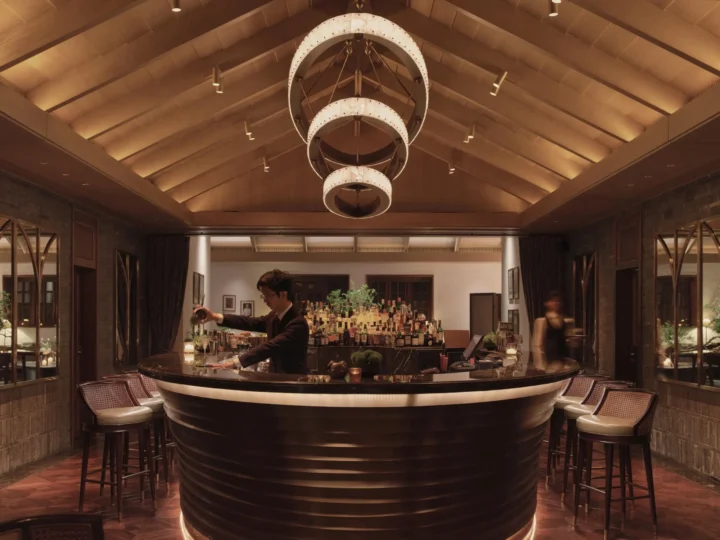
Hotel bars: four rooms that give an evening a subject
From Bemelmans in New York to Library by the Sea in Grand Cayman, a considered hotel bar offers more than a setting for a drink.

THE CURATED EDITION.
Reportage / Champagne
An 81 per cent base from 2020 and a Chardonnay-led blend make the Réflexion idea unusually legible.
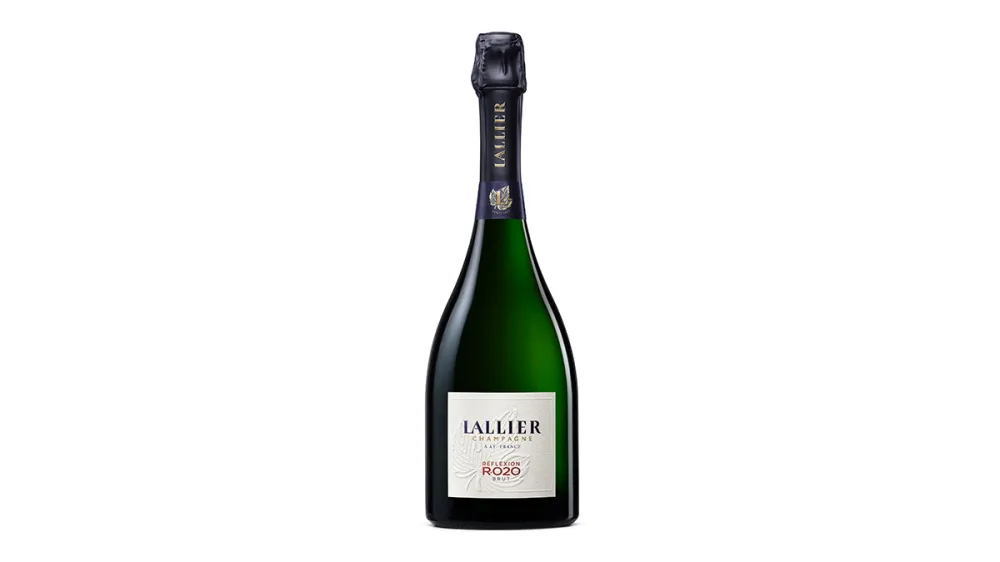
Lallier R.020 makes the year part of the conversation before the cork is removed. The number names the base harvest around which the blend is organised. It is a useful starting point for understanding a champagne that combines years without hiding the contribution of one of them.
The Réflexion approach places continuity in the producer’s method rather than in an expectation that every release should reproduce precisely the same result. R.020 gives that idea a concrete form: wines from 2020 account for 81 per cent of the blend, with reserve wines supplying the remainder.
Lallier’s technical presentation of R.020 identifies a 51 per cent Chardonnay share. This was the first Réflexion release in which Chardonnay took the majority position. The figure is more informative than a general description of elegance or freshness: it establishes what the assemblage contains.
The house draws on more than fifty crus for this release, including Chardonnay sites in the Côte des Blancs, Côte de Sézanne and Montgueux. The 2020 harvest began in late August. These details locate the wine in a particular growing year and a network of places, rather than in an abstract house image.
Dominique Demarville’s work at Lallier provides the human context for that approach. His move from Veuve Clicquot to the house in Aÿ was a change of winemaking setting, not a transfer of ownership. R.020 belongs to that chapter of the Réflexion project.
A blend led by one harvest is still a blend. Reserve wines can alter the relationship between the base year’s components and the finished champagne. Their presence does not erase the year; nor does a large base-year percentage make the bottle equivalent to a vintage-labelled champagne.
The distinction is particularly useful at the table. Instead of treating multi-year composition as a technical detail to be ignored, R.020 invites a more precise question: which year supplies the centre, and how has the producer placed other wines around it? That question can be asked without claiming a tasting result in advance.
The release number is not a ranking. A later Réflexion is not automatically a better one, and a higher Chardonnay proportion does not establish quality by itself. These are decisions about composition. They become interesting when compared with the producer’s response to other harvests.
For a reader interested in champagne beyond its familiar names, this is a practical route into the category. Begin with the base year, grape proportions and origin of the components, then let tasting test the expectations those facts create. Lallier gives the harvest enough visibility to make that sequence possible.
Instagram: Champagne Lallier.
CONTINUE READING
Dining / Reportage
From Bemelmans in New York to Library by the Sea in Grand Cayman, a considered hotel bar offers more than a setting for a drink.
Dining / Reportage
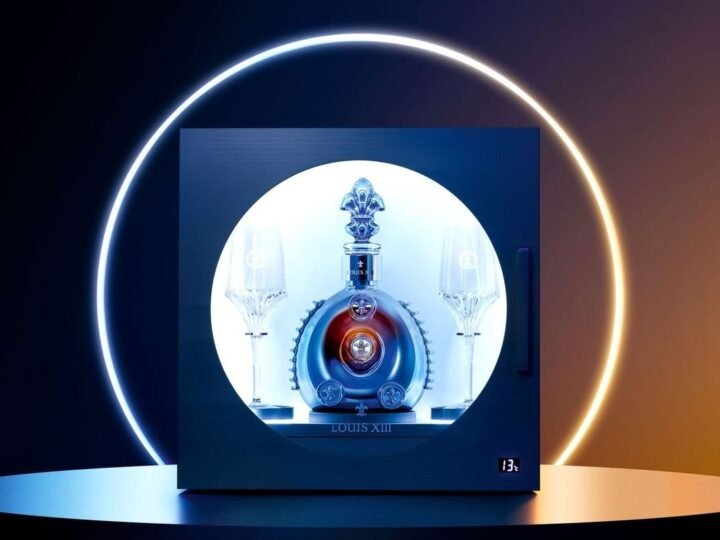
The tribute to Le Grollet pairs a limited cognac with a cooling cabinet, shifting attention from the age of a blend to the sequence of its service.
Dining / Interview
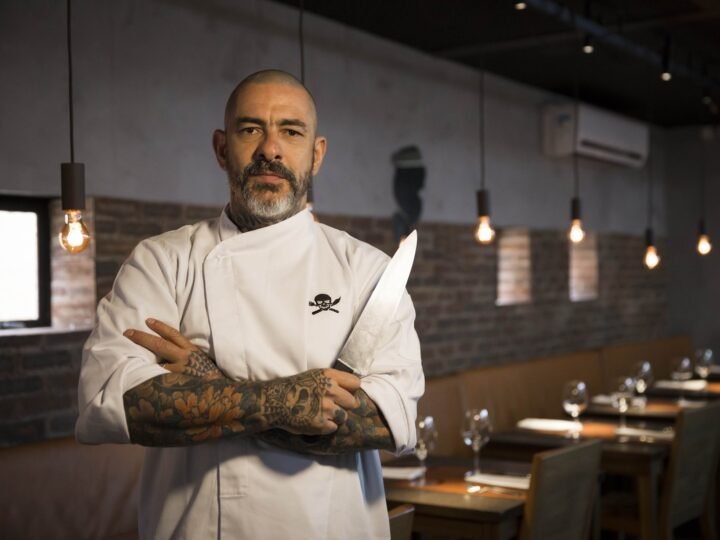
The chef behind Sal, judge of MasterChef Brasil and frontman of a hardcore band.