Dining / Reportage
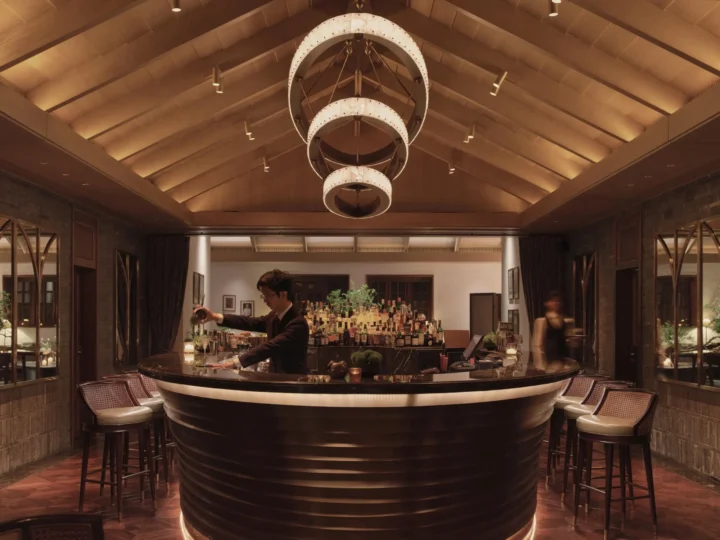
Hotel bars: four rooms that give an evening a subject
From Bemelmans in New York to Library by the Sea in Grand Cayman, a considered hotel bar offers more than a setting for a drink.

THE CURATED EDITION.
Reportage / Milan
The Milanese house’s 2026 swallow collection joined chocolate work, filled eggs and leavened cakes. Its strongest idea was the relationship between a seasonal image and something made to be eaten.

A confectioner’s window can hold a tension that a conventional display cannot: its most carefully made objects are intended to disappear. Marchesi 1824’s Easter 2026 collection used that tension through the image of returning swallows.
Presented in Milan and London, The Return of the Swallows connected spring imagery with chocolate, pastry and leavened cakes. The birds supplied a common visual language, but the objects carrying it belonged to different forms of work.
The March account described a two-kilogram dark-chocolate egg with hand-applied swallows and pink flowers, alongside a white-chocolate bird. One treated the egg as a surface; the other moved towards a small sculpture.
The difference is useful. Decoration placed on an object and an object shaped as decoration involve distinct relationships between image and material. Chocolate has to perform both roles while remaining something intended for the table.
The collection’s windows extended that language into a setting: a chocolate house rested on a branch, a nest held an egg and suspended birds occupied the space above. The display introduced scale and movement without changing the underlying seasonal ritual.
Marchesi introduced a 74 per cent Venezuela cocoa mass within the 2026 programme, linking it to research into historical recipes. The figure identifies a chocolate formulation; it is not, on its own, a tasting description or a measure of how every person will experience bitterness.
The filled eggs paired pistachio with raspberry, hazelnut with lemon, almond with orange, and pecan with caramel. Those combinations provide another way to read the collection, through ingredients rather than colour or a photograph.
A visually elaborate piece still depends on its structure as food. The decoration attracts the eye, while the ingredients determine what happens after the object is cut. Neither part can fully substitute for the other.
The Easter programme also included colombe, the traditional seasonal cakes. Alongside the classic version, the house offered combinations such as chocolate, sour cherry and almond, or apricot, ginger and amaretti.
That widens the meaning of the collection. It was not only a series of shaped chocolate objects: leavening, filling and decoration gave the same occasion several material expressions.
Decoration workshops with pastry art director Diego Crosara were scheduled for 18 and 25 March 2026. Those dates have passed; they do not establish a recurring class or a current visitor programme.
The interest of the 2026 project survives the season, but its retail availability should not be assumed. For a visit to Marchesi, consult the current selection rather than assuming that a seasonal Easter piece remains available.
The more lasting lesson is one of scale and purpose. A confectionery object can be a carefully composed image, a technical exercise and a shared food at the same time. The swallow makes the seasonal story visible; the craft gives it substance.
Marchesi 1824’s 2026 Easter collection · A dated seasonal programme, not a current availability guarantee.
CONTINUE READING
Dining / Reportage
From Bemelmans in New York to Library by the Sea in Grand Cayman, a considered hotel bar offers more than a setting for a drink.
Dining / Reportage
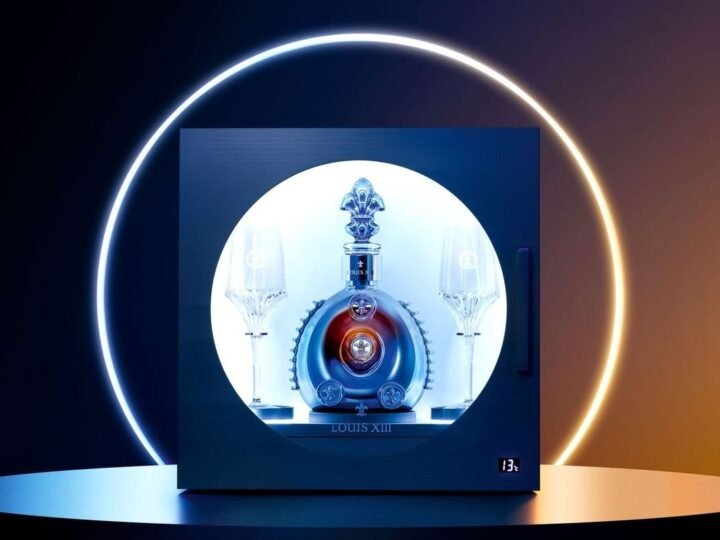
The tribute to Le Grollet pairs a limited cognac with a cooling cabinet, shifting attention from the age of a blend to the sequence of its service.
Dining / Interview
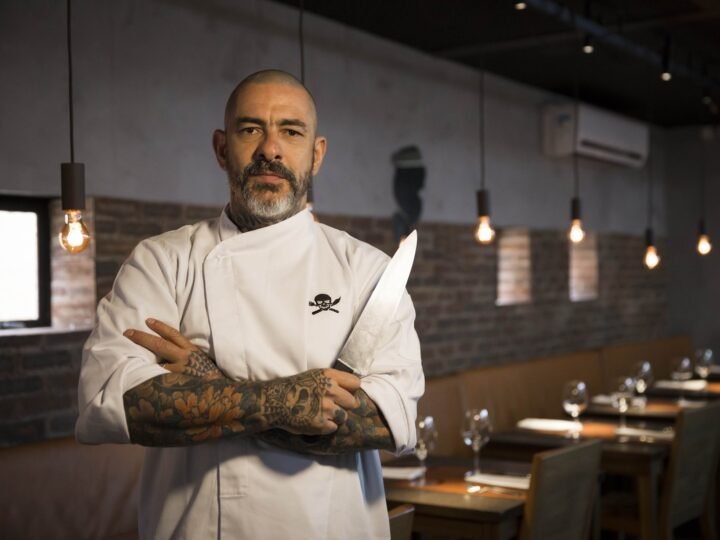
The chef behind Sal, judge of MasterChef Brasil and frontman of a hardcore band.