Ferrari Luce: the Prancing Horse learns to speak in silence
Ferrari’s first electric car, shaped with Jony Ive and Marc Newson’s LoveFrom, has four doors, five seats and 1,050 cv, and asks to be judged before it is heard.
For eighty years, a Ferrari announced itself before it arrived. The Luce is the first that asks to be looked at before it is heard.
Unveiled on 25 May 2026 beneath Santiago Calatrava’s white sail on the edge of Rome, Ferrari’s first fully electric car is also its first with four doors and five seats, its first liftback and the first shaped with a creative studio from beyond the car industry. It costs €550,000 in Europe, more than any other series-production Ferrari. It produces 1,050 cv. And it has divided the Ferrari world more sharply than any car the company has made in a generation, which may be precisely the point.
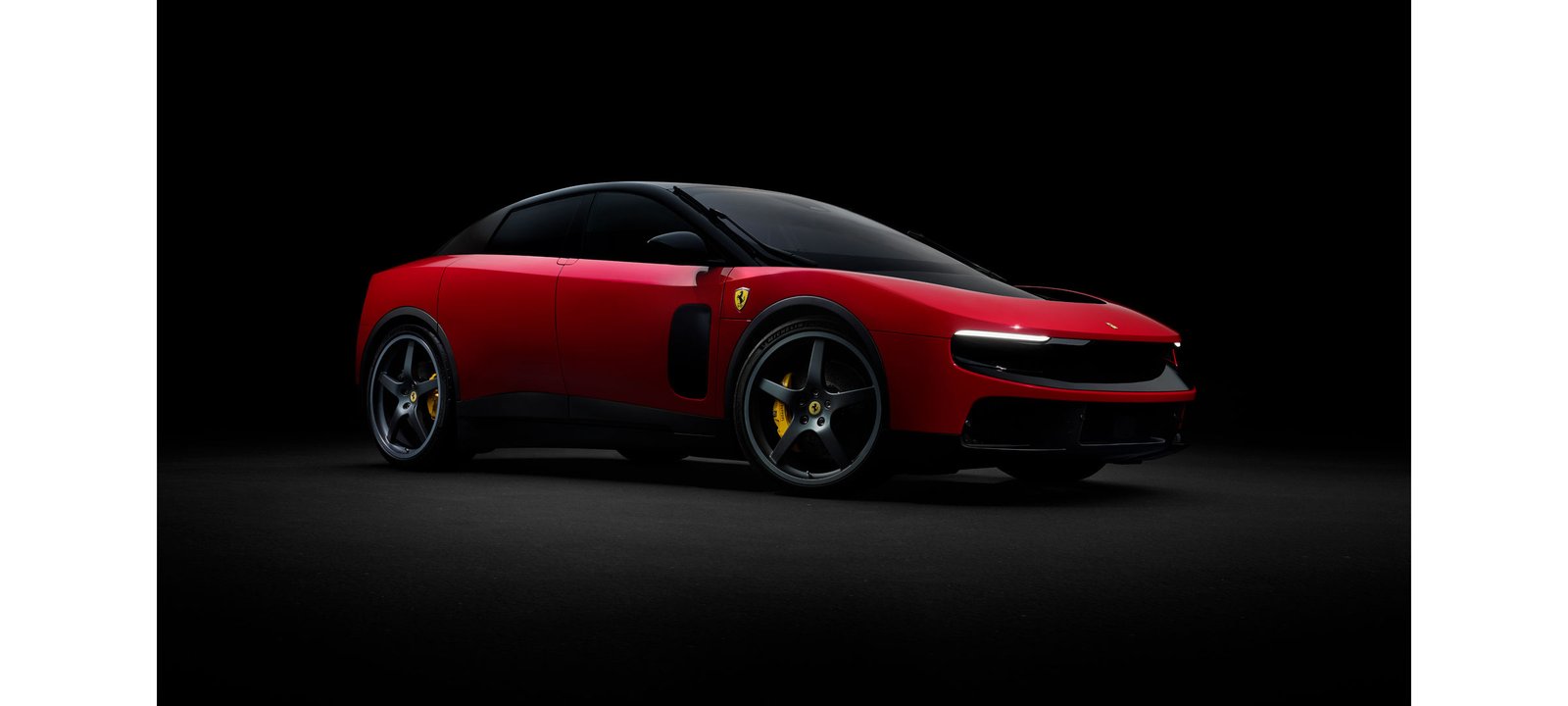
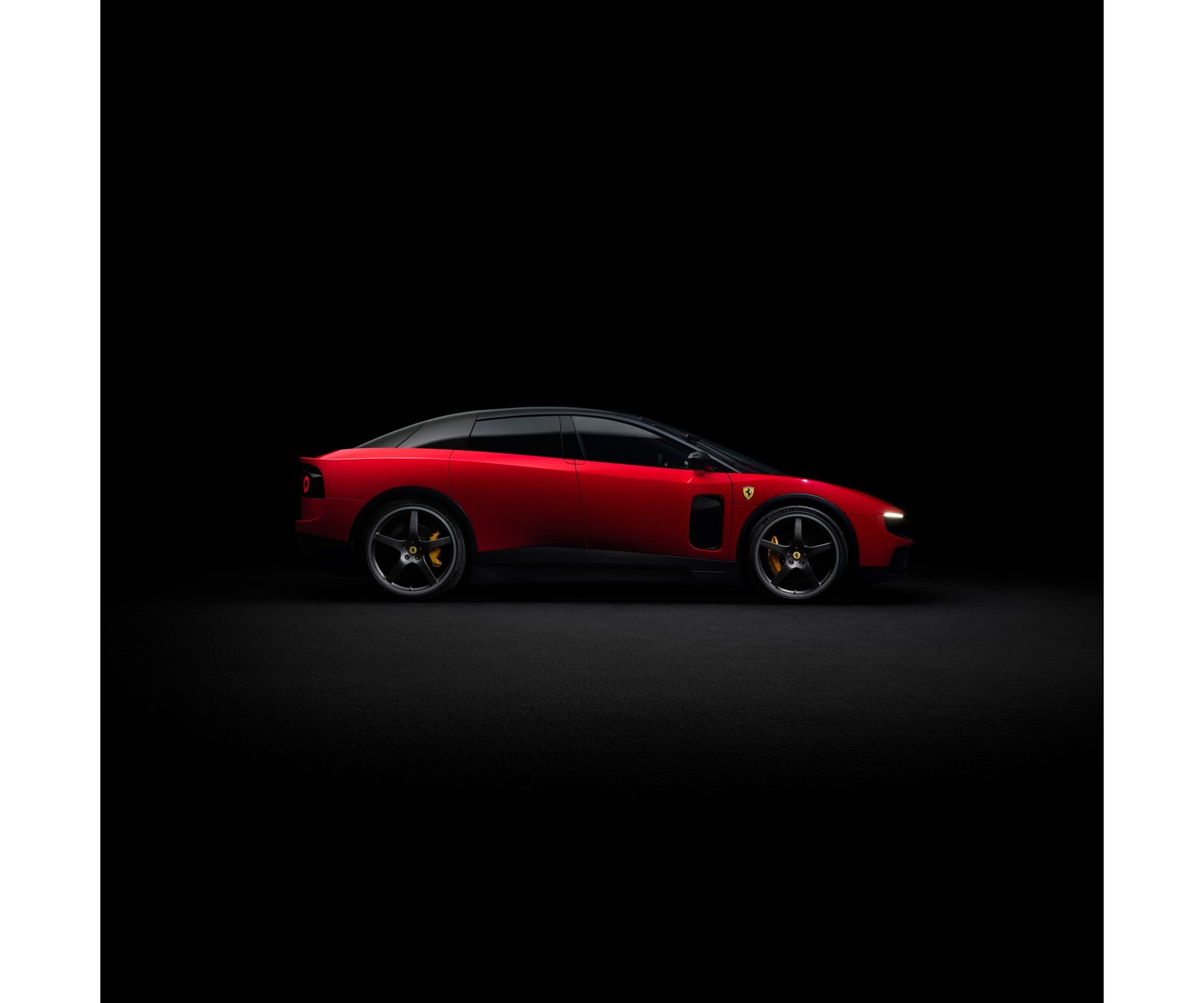
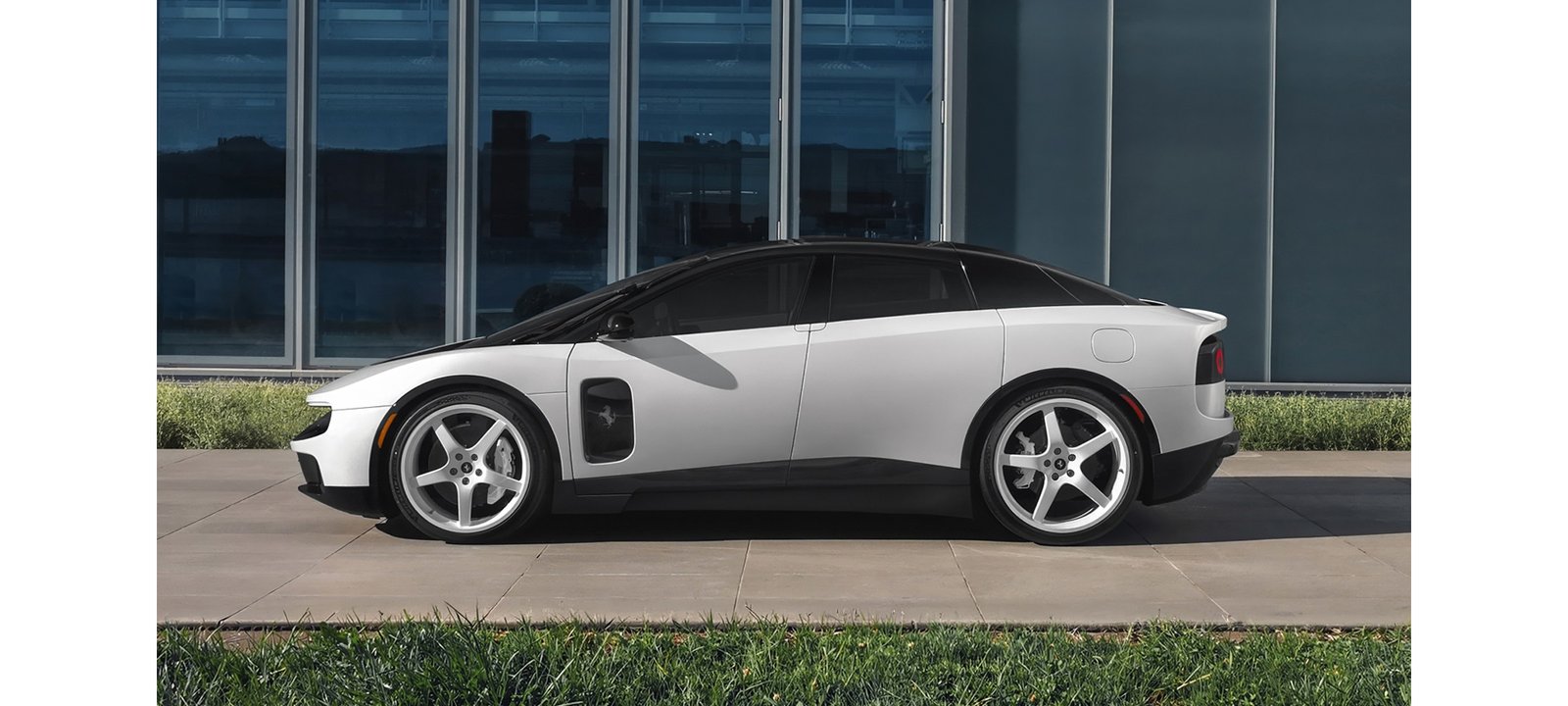
THE LUCE IN PROFILE: A GLASS CABIN THAT SITS ALMOST SELF-CONTAINED WITHIN THE BODY. IMAGE: COURTESY OF FERRARI
The name: light, not noise
Luce is Italian for light. The car was first shown to investors simply as the Elettrica, at Ferrari’s Capital Markets Day in October 2025, and its name and cabin were revealed in February 2026, months before anyone saw the body. The order of disclosure was deliberate. Ferrari wanted the conversation to begin inside, with the objects a driver touches, rather than with a silhouette that could be judged in a single photograph.
The choice of word is quietly radical. Every great Ferrari name has evoked heat, speed or place: Testarossa, Daytona, Monza, Purosangue. Luce evokes clarity. It promises transparency, lightness of touch and, perhaps, a new kind of illumination for a company that has always defined itself by the sound of combustion.
Design: an outsider’s eye, a Ferrari hand
For the Luce, Ferrari opened its design process to a studio from beyond the automotive world. LoveFrom, the collective founded by Sir Jony Ive and Marc Newson, worked alongside the Ferrari Design Studio headed by Flavio Manzoni. Ferrari Chairman John Elkann had known both founders for years; the brief, in Ferrari’s own words, was an “unconventional, multidisciplinary perspective”.
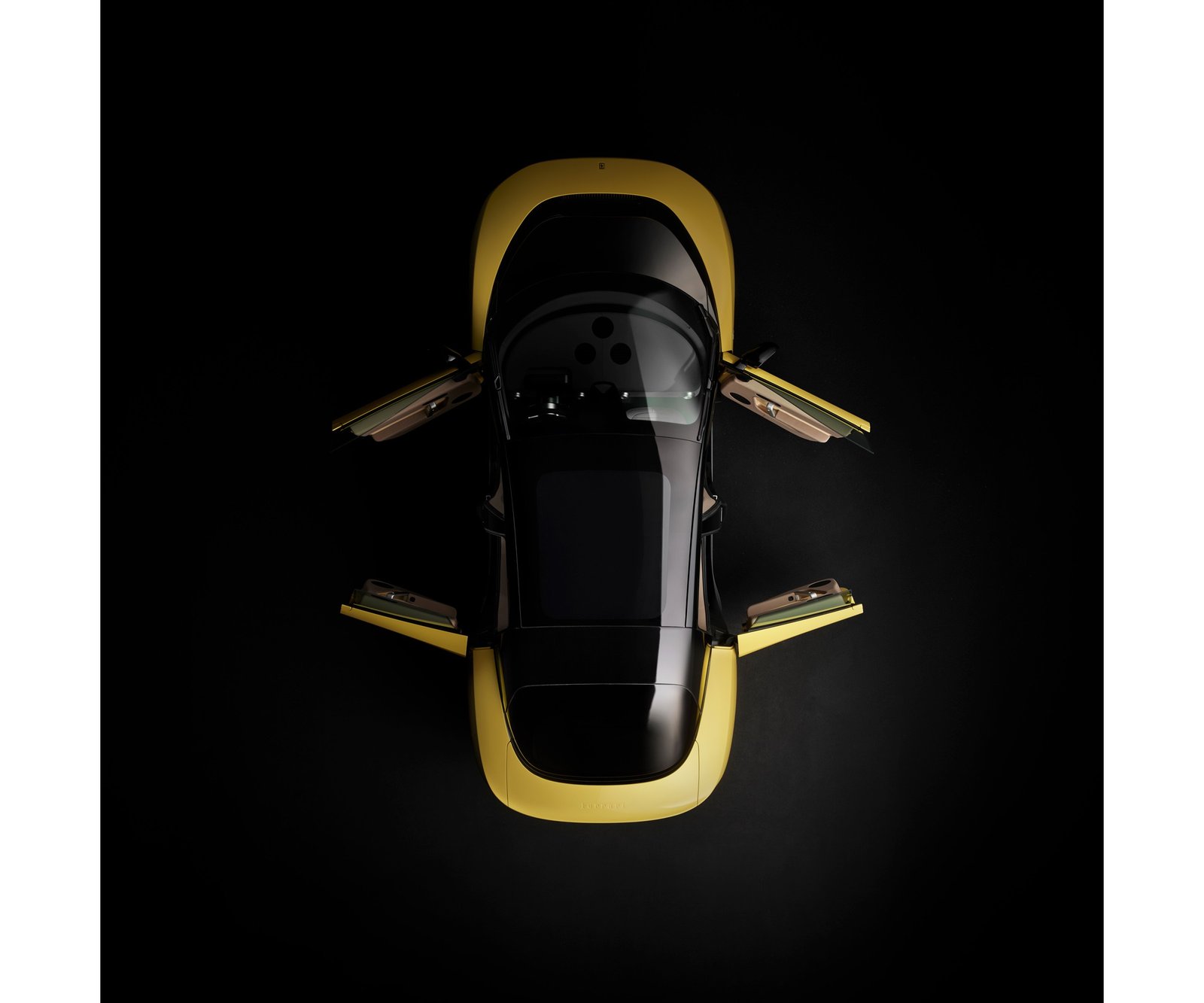
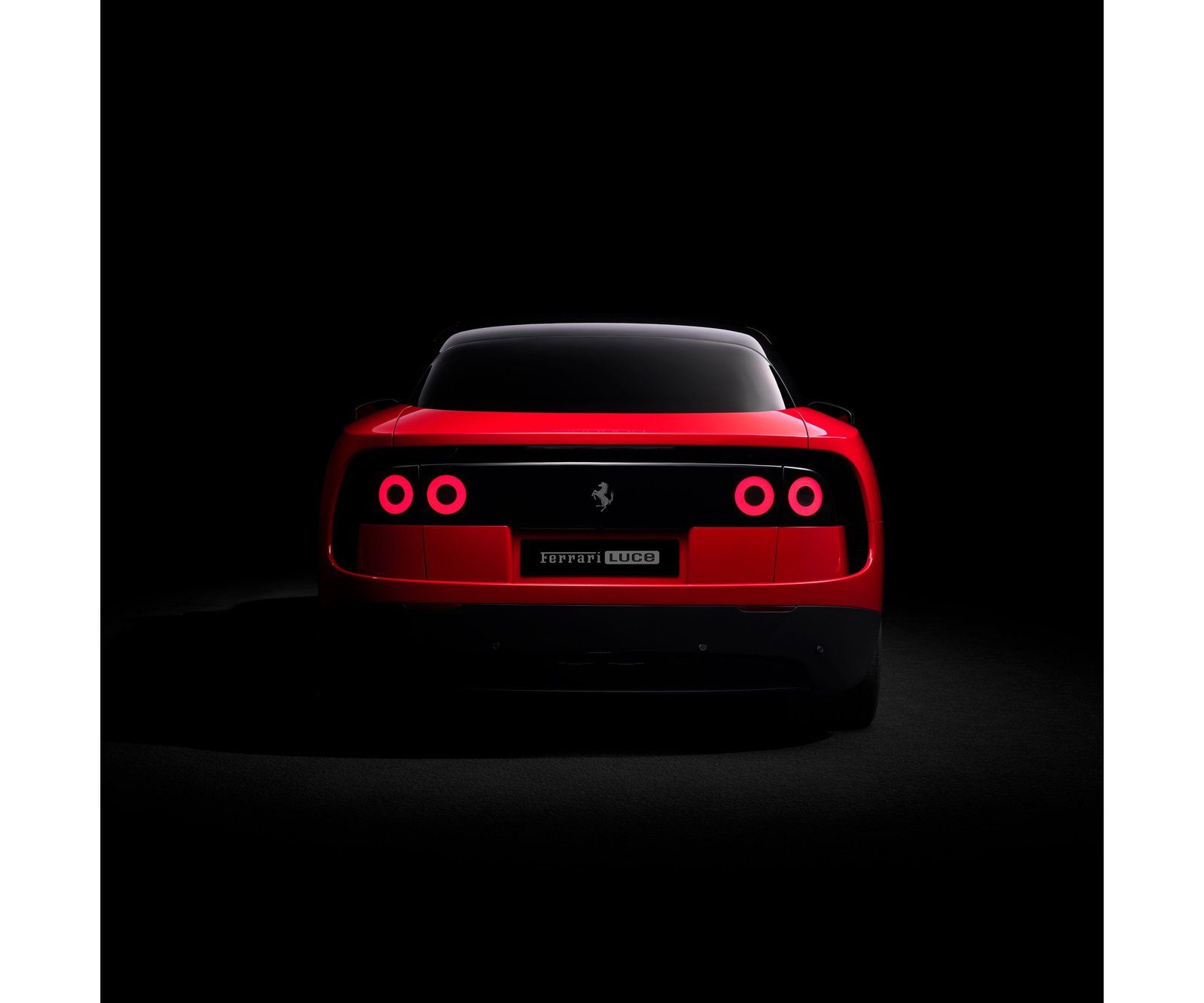
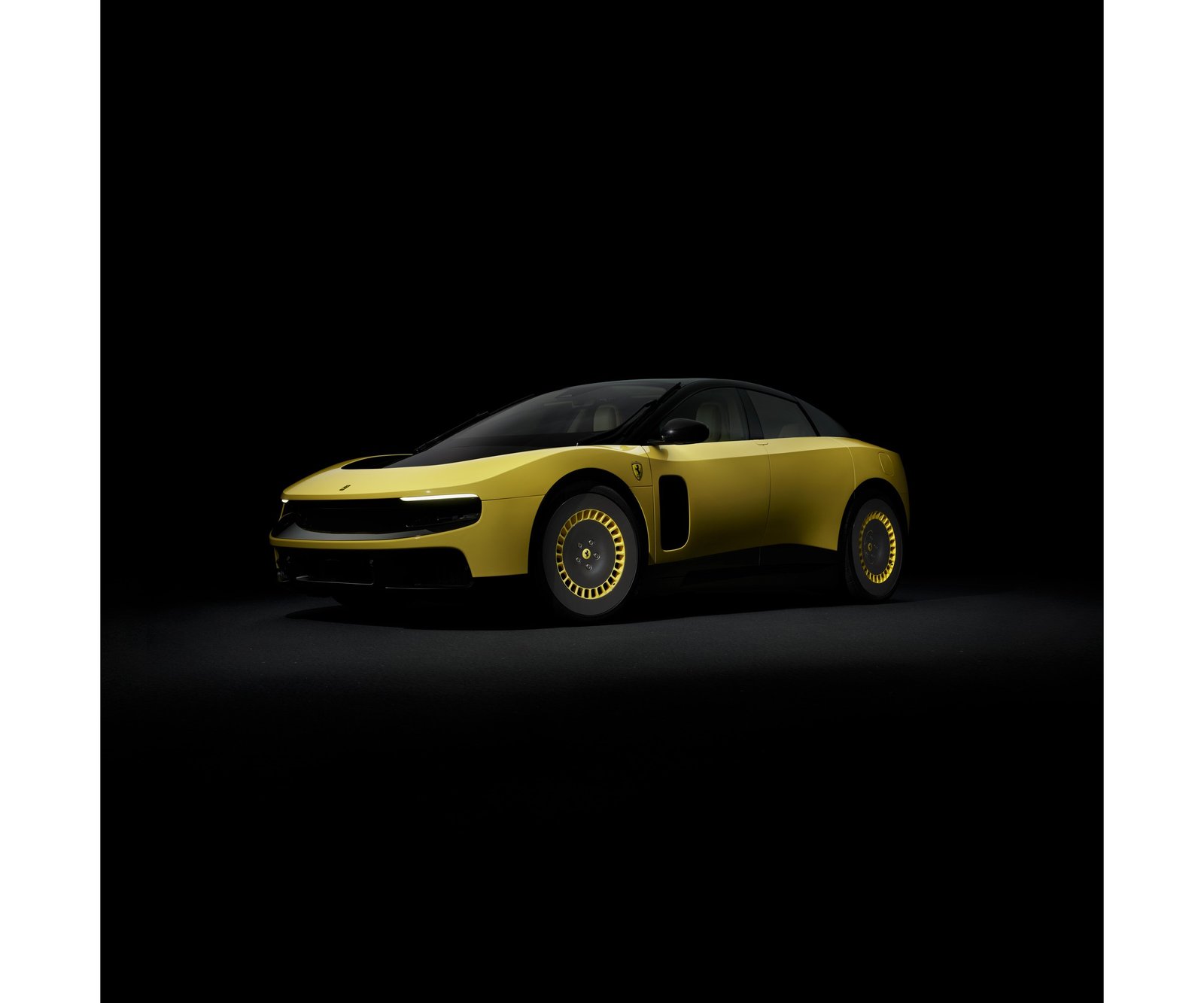
The result is cab-forward and lozenge-shaped, with a glass house that sweeps almost the full length of the car and appears to float inside the bodywork. The windscreen runs straight into the bonnet beneath a floating front wing. The wipers park at the edges rather than the centre. The rear doors are hinged at the back, so that with all four open the car reads as a single, sculpted cell. At the tail, two round lamps quote Ferraris of the past without imitating them.
FOUR DOORS, FIVE SEATS: THE FIRST FERRARI DESIGNED TO CARRY FOUR PASSENGERS BESIDES THE DRIVER. IMAGE: COURTESY OF FERRARI
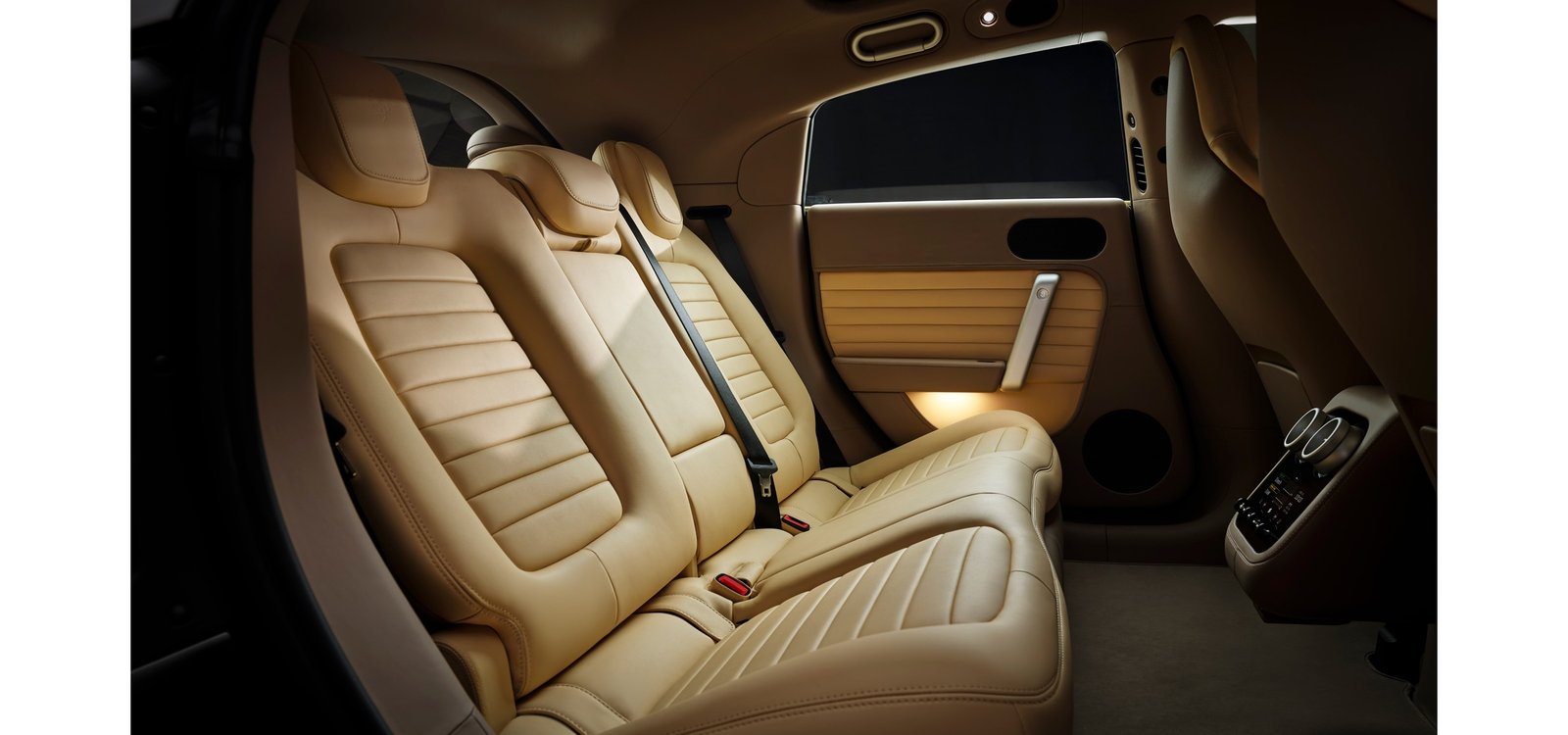
Freed from the front-mid engine and the rear gearbox that dictated Ferrari proportions for decades, the designers could place the cabin where it serves people best. With no central tunnel, three adults sit side by side in the rear. There is a genuine hatchback. For many buyers, Ferrari says plainly, this may be their first Ferrari.
TWIN ROUND LAMPS AT THE TAIL: A QUIET QUOTATION FROM FERRARIS OF THE PAST. IMAGE: COURTESY OF FERRARI
Interior: the cabin as an object
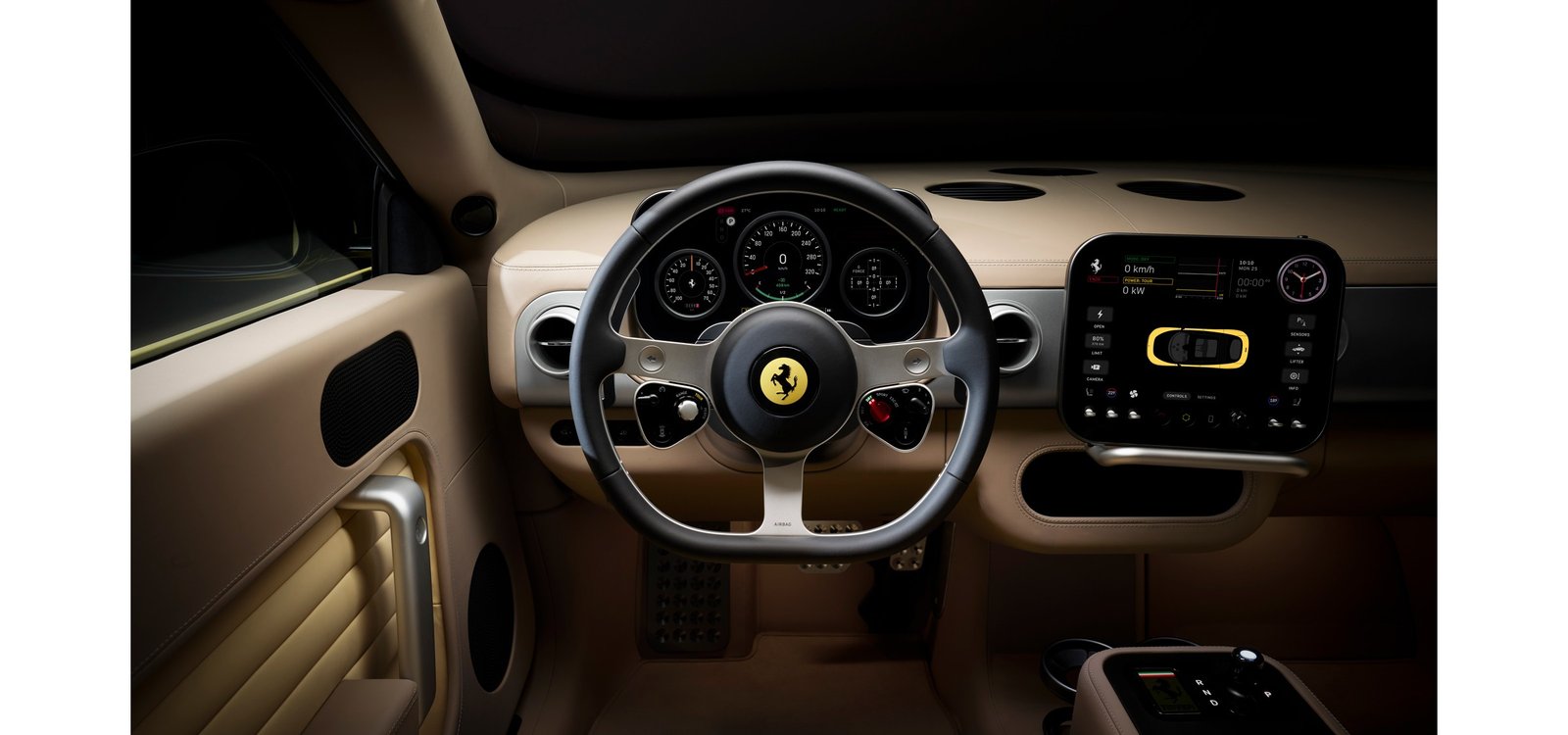
If the exterior is the debate, the interior is the argument LoveFrom wins outright. Where most electric cars surrender to a single slab of glass, the Luce returns to things that move under the fingers. The three-spoke steering wheel is machined from recycled aluminium in 19 separate CNC parts. Air-vent shields flip with a mechanical click. The launch-control lever sits overhead, borrowed from the logic of a helicopter cockpit.
THE COCKPIT: STEERING WHEEL AND INSTRUMENT BINNACLE CONCEIVED AS A SINGLE, HUMAN-CENTRED INTERFACE. IMAGE: COURTESY OF FERRARI
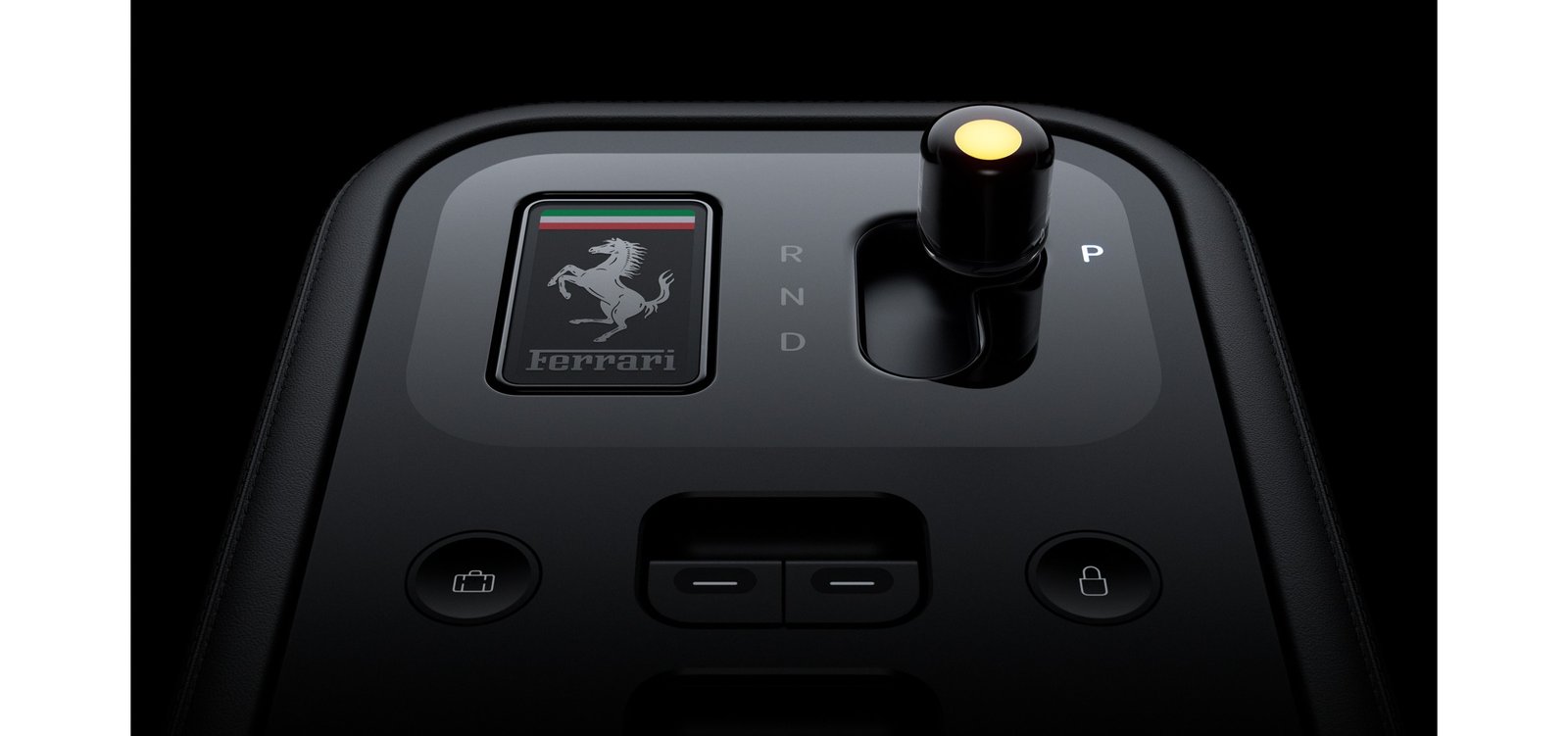
The instruments ahead of the driver use OLED technology from Samsung Display behind convex lenses that magnify with a parallax effect, an homage to the Veglia and Jaeger dials of classic Ferraris; their colour changes with the chassis mode. The speedometer needle is a physical, back-lit piece of aluminium and polycarbonate. The centre console is made of Corning glass. The key lives in its own recess and uses E Ink, so that when it is docked the yellow of the Prancing Horse appears to flow into the drive selector. A clock on a ball-and-socket joint doubles as stopwatch and compass. Even the seat runners have been redrawn.
THE GLASS CONSOLE AND THE DOCKED KEY: THE PRANCING HORSE’S YELLOW PASSES FROM ONE TO THE OTHER. IMAGE: COURTESY OF FERRARI
A new audio system brings 21 speakers and 3,000 watts, processed by Ferrari’s own software. It is the most domestic sentence ever written about a Ferrari, and the most telling.
THE REAR COMPARTMENT, WHERE THREE ADULTS SIT SIDE BY SIDE. IMAGE: COURTESY OF FERRARI
Engineering: four motors, one temperament
Beneath the calm, the numbers are anything but. Four electric motors, one per wheel, deliver 1,050 cv: 210 kW at the front axle, 620 kW at the rear. Ferrari quotes 7,750 Nm at the wheels. The front motors spin to 30,000 rpm. The car reaches 100 km/h in 2.5 seconds, 200 km/h in 6.8 seconds and tops out at 310 km/h, while weighing 2,260 kg.
The 122 kWh battery runs on an 800-volt architecture, accepts up to 350 kW of charging and is rated for 530 km. A new vehicle control unit updates its targets 200 times a second, governing each wheel on all three axes. There is torque vectoring at all four corners, a virtual differential, active suspension, rear-wheel steering and carbon-ceramic brakes measuring 390 mm at the front and 372 mm at the rear. A second manettino, the e-manettino, joins the familiar chassis switch with three settings: Range, Tour and Performance. Paddles behind the wheel no longer change gear; the left one deepens regeneration, the right one releases power in stages.
Ferrari says the car embodies more than 60 new patents, and that the use of secondary aluminium alloys cut production CO₂ by 70 per cent.
THE LUCE IN YELLOW: CAB-FORWARD PROPORTIONS MADE POSSIBLE BY THE ABSENCE OF AN ENGINE. IMAGE: COURTESY OF FERRARI
Sound: amplifying the truth
The most Ferrari decision in the car may be the one that concerns its voice. Rather than broadcast a synthetic V12, Ferrari placed a precision accelerometer at the centre of the rear axle to capture the natural frequencies of the rotating components. Those vibrations are equalised and amplified, in Ferrari’s own comparison, much as an electric guitar is. The sound rises and changes with the driving mode. It is honest, in the sense that it belongs to the machine, and it refuses the costume of the past.
We are convinced that a company demonstrates its leadership when it has the courage to dare and to take on the challenge of new technologies.
Benedetto Vigna, Chief Executive Officer, Ferrari
Reception: a car built to divide
Courage has a price, and the market named it within hours. Ferrari shares fell sharply the morning after the reveal before recovering within days. Enthusiasts called the shape unworthy of the badge; Luca di Montezemolo, the former chairman, warned of a myth at risk. Ferrari had anticipated as much. Its global head of product marketing, Emanuele Carando, said at the preview that people would love the car and people would hate it.
Those who buy Ferraris answered differently. When sales opened in China on 27 June, all 88 cars allocated sold out. In August, at RM Sotheby’s during Monterey Car Week, a one-of-a-kind Luce Tailor Made, chassis 0 and the first production car of the programme, sold for $40 million, with every dollar going to the Ferrari Foundation. The car will return to Maranello before delivery in early 2027.
THE LUCE IN WHITE: A SILHOUETTE THAT HAS DIVIDED THE FERRARI WORLD. IMAGE: COURTESY OF FERRARI
Maranello: what the light reveals
The Luce is built in Maranello, and European deliveries begin in the final quarter of 2026. Ferrari presents it not as a replacement for anything but as an expansion, consistent with the principle it calls technological neutrality: combustion, hybrid and electric cars side by side, each chosen by the client. Vigna has said it is the first of several electric Ferraris. A sports car is expected to follow.
What the Luce proves is not that Ferrari can build an electric car. Anyone with capital can do that. It proves that Ferrari is willing to be misunderstood, which is a rarer form of confidence, and one the company has shown before. The Purosangue was doubted before its order book filled.
For eighty years, the Prancing Horse arrived as a sound. The Luce arrives as a shape, a glass key, a needle of polished aluminium, the hum of real machinery made audible. It asks to be judged in silence first. History suggests the noise will come later, from everyone who doubted it.
Specifications
Powertrain
Four electric motors, one per wheel, all-wheel drive
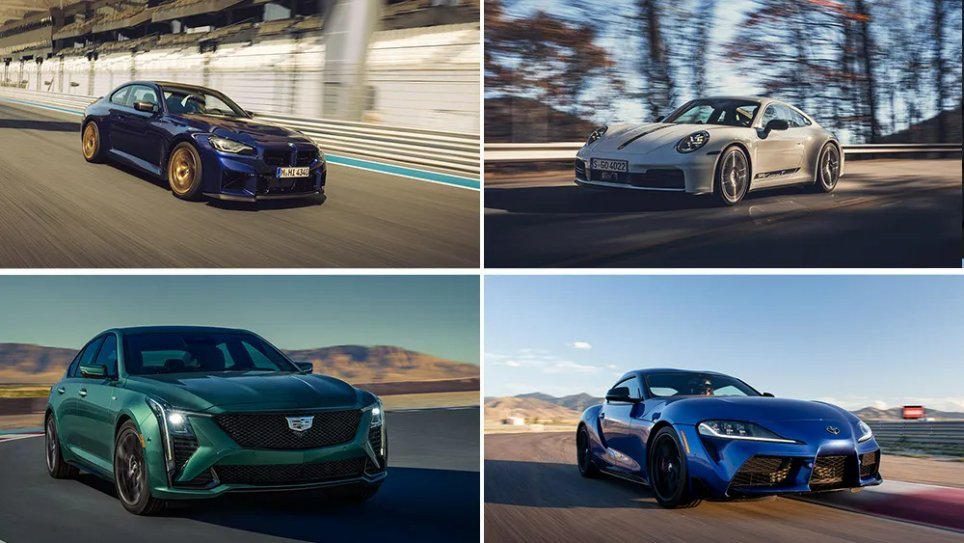
The manual gearbox has gone from rule to rarity. In late 2026, BMW M, Porsche, Nissan and Lotus still build cars that let the driver choose the gear, while the Toyota GR Supra and BMW Z4 have already taken their last bow.
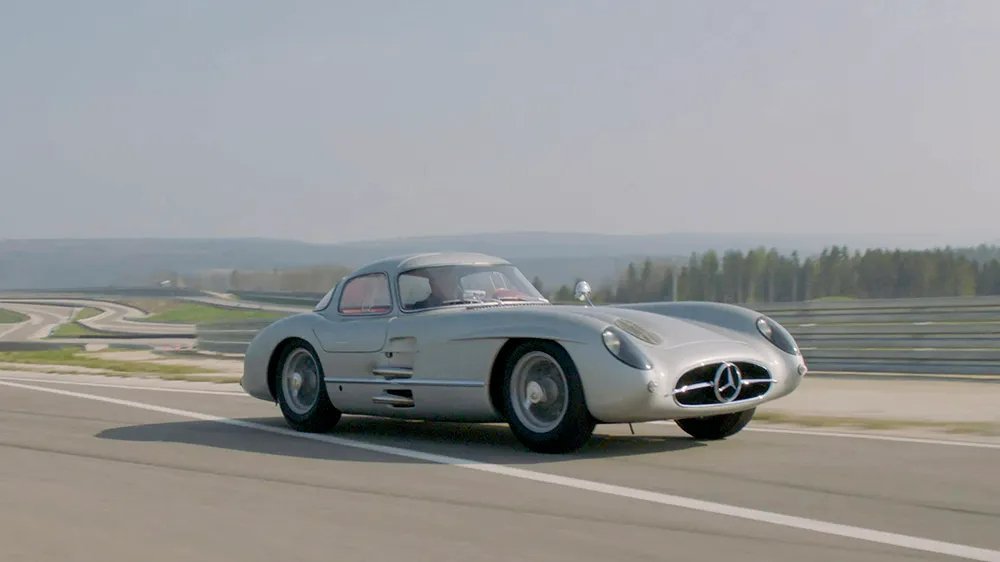
A Mercedes-Benz built in two examples still sits alone at USD 143 million. Below it, 2026 has rearranged the table: a Shelby Cobra Daytona Coupe, a white Ferrari 250 GTO, a McLaren F1 GTR and Ferrari's first electric car have all entered the ranks of the most valuable cars ever sold.
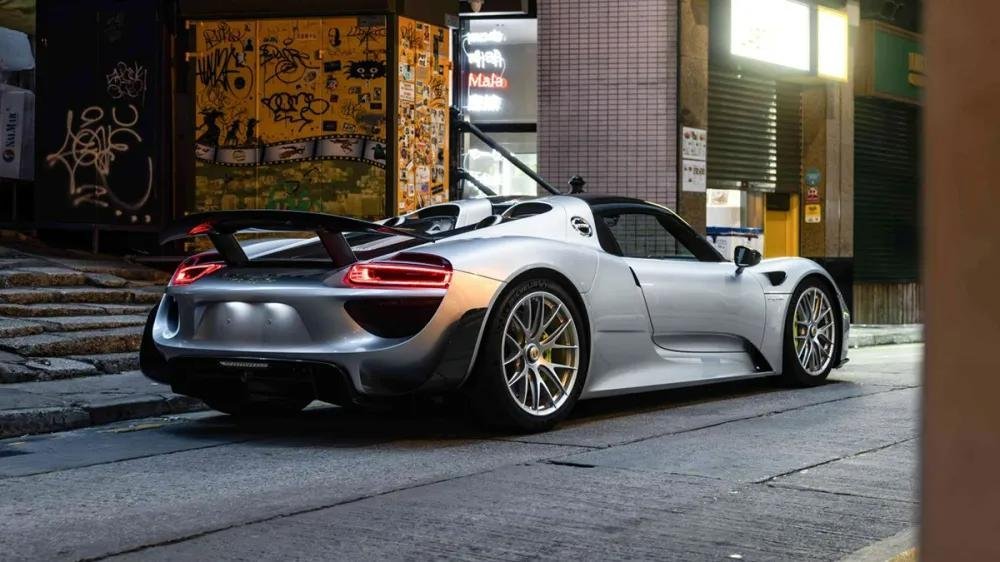
What began in March as a careful hint from Michael Leiters became, in October, a concept on a pier in Queens: the mid-engined Mission S previews a permanent Porsche model line above the 911, the first since the 918 Spyder.