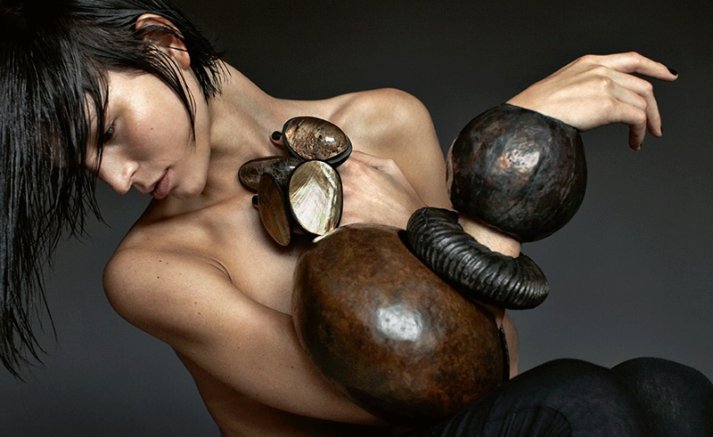
Edited by Melanie Grant for Phaidon, The Jewelry Book gathers 300 entries across two hundred years, from the great maisons to studio jewellers, and asks a better question than what a jewel is worth: what it changed.
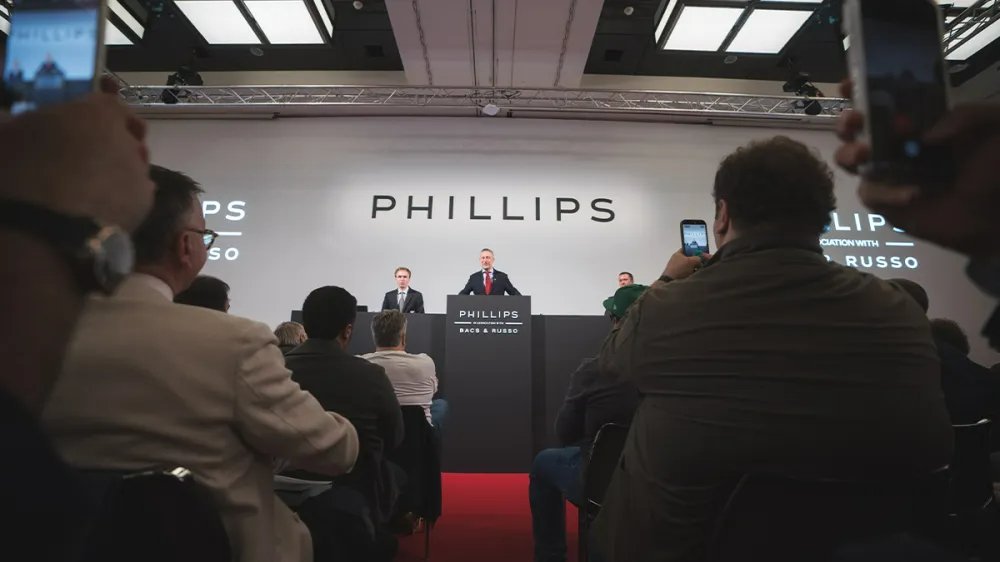
In November 2025 Phillips closed its first decade in Geneva with a white-glove sale of CHF 66.8 million, led by a 1943 steel Patek Philippe ref. 1518 at CHF 14.2 million. Six months later, the same room went higher still.
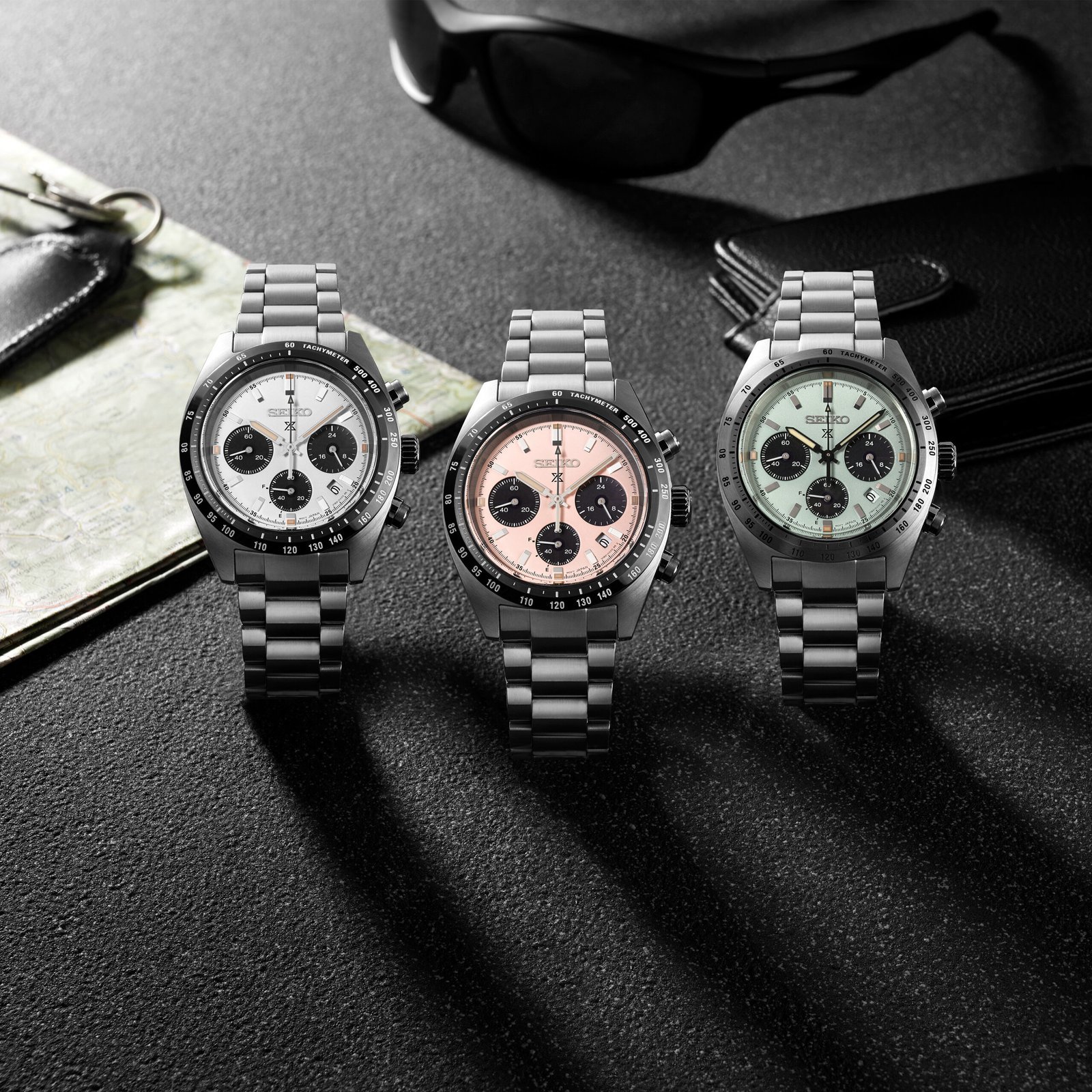
Maurice Lacroix, Frederique Constant, TAG Heuer and Tissot are returning to solar quartz, with a decade between battery changes and photovoltaic cells hidden beneath translucent dials or the crystal itself.
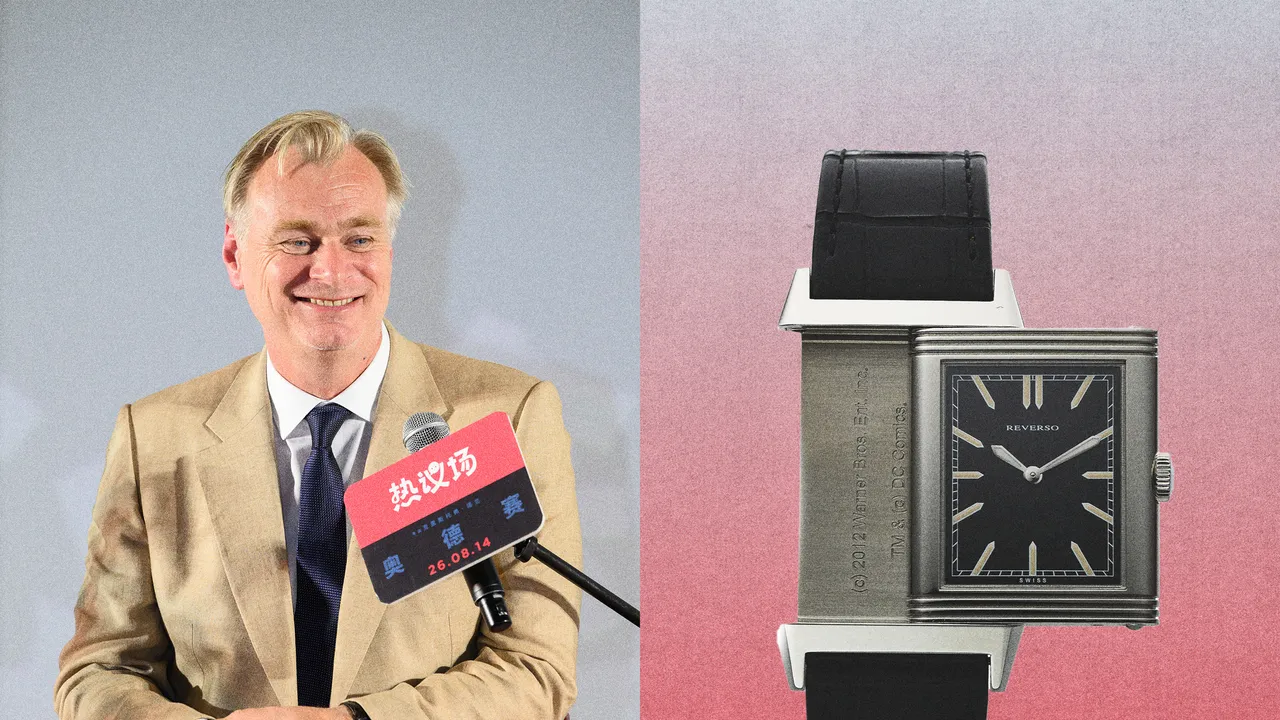
On the promotional round for The Odyssey, Christopher Nolan wore a Jaeger-LeCoultre Reverso made in ten pieces for The Dark Knight Rises, the bat symbol hidden on its reverse.
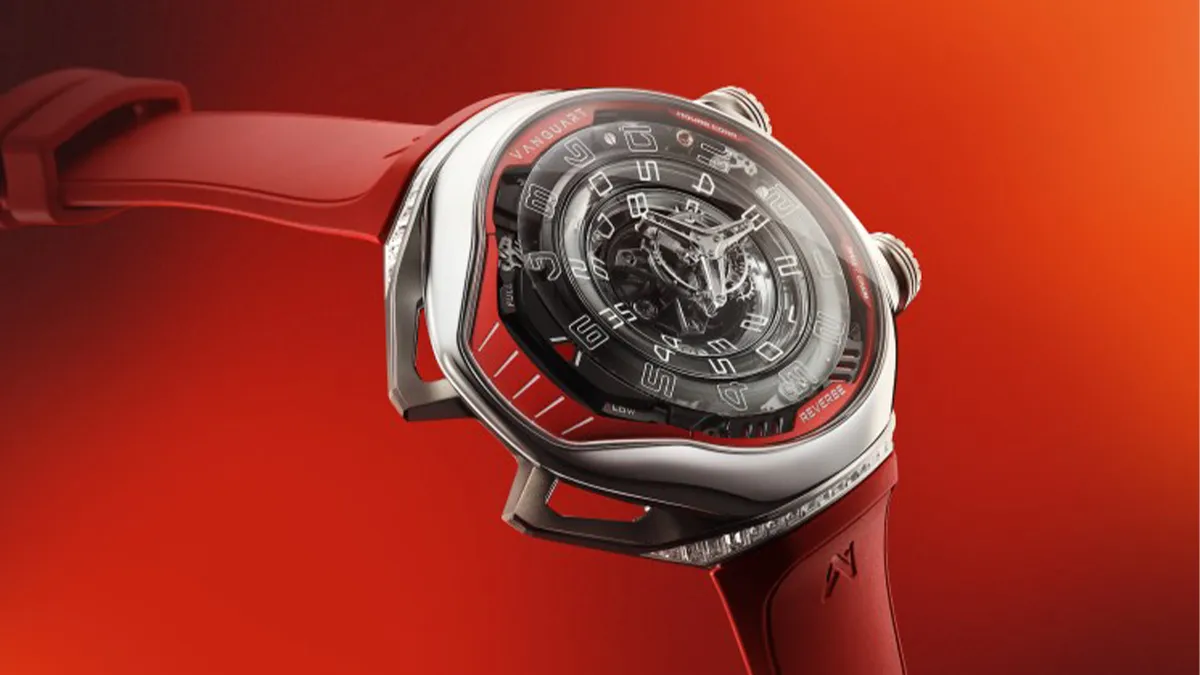
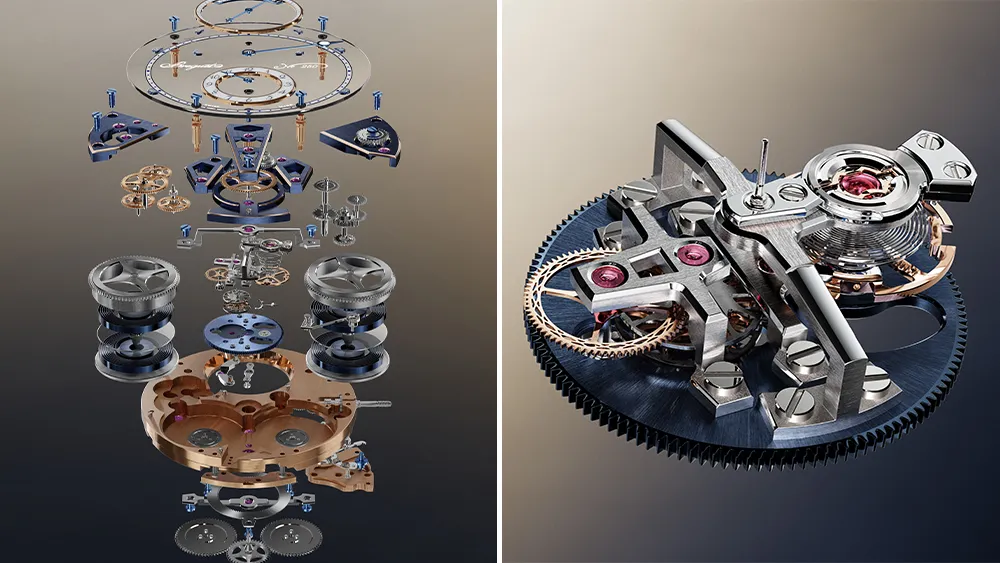
Founded in 2017 in La Chaux-de-Fonds, Vanguart makes two watches, in tiny numbers, for a client list that runs from Michael Jordan to Sam Altman. Now the Orb comes in pink and blue ceramic.
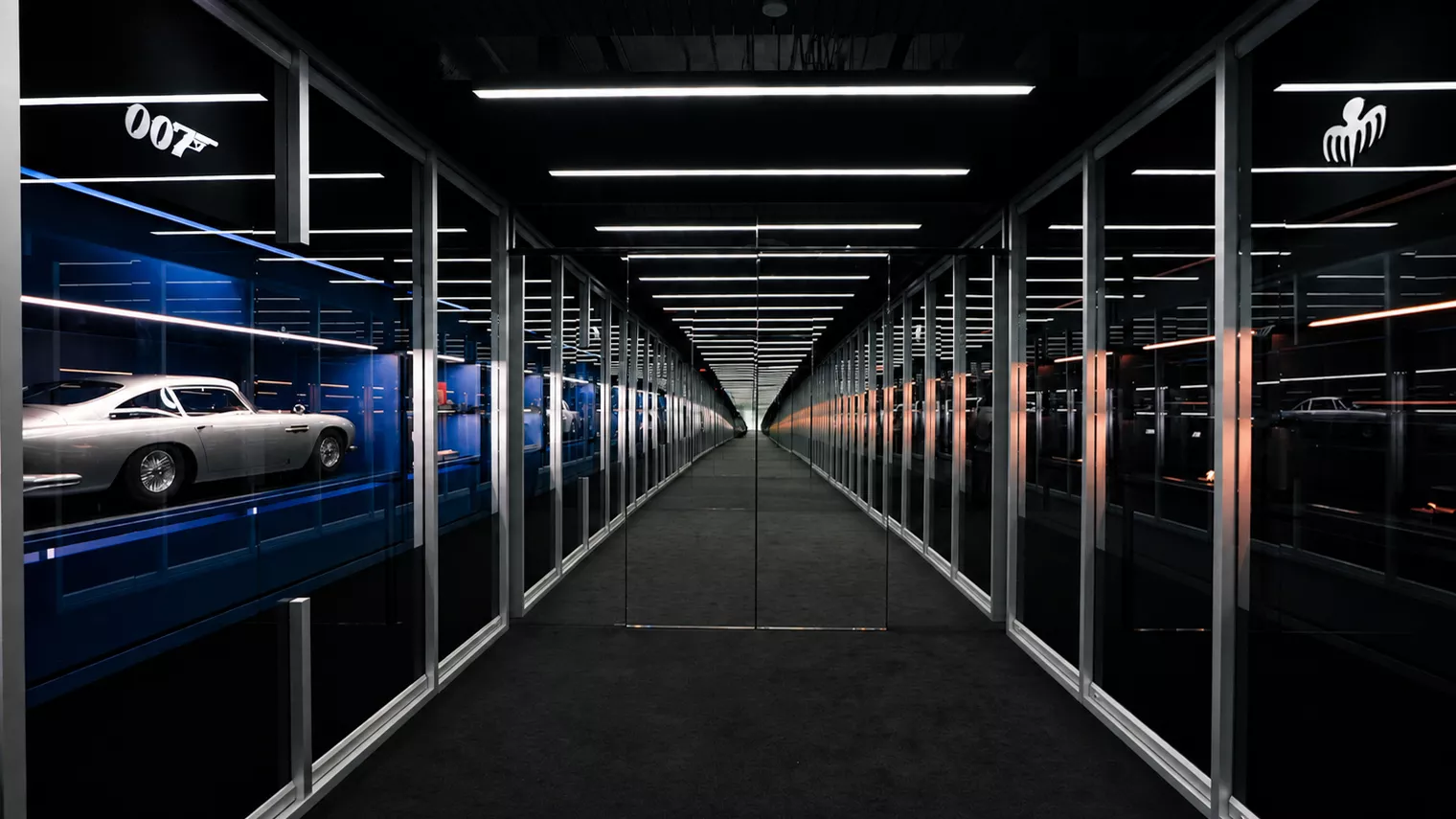
In Glendale, Omega has staged its first exhibition to set James Bond and Spectre face to face: more than twenty original props, six watches from the Omega Museum and a new Seamaster Diver 300M collection that lets the wearer choose a side.
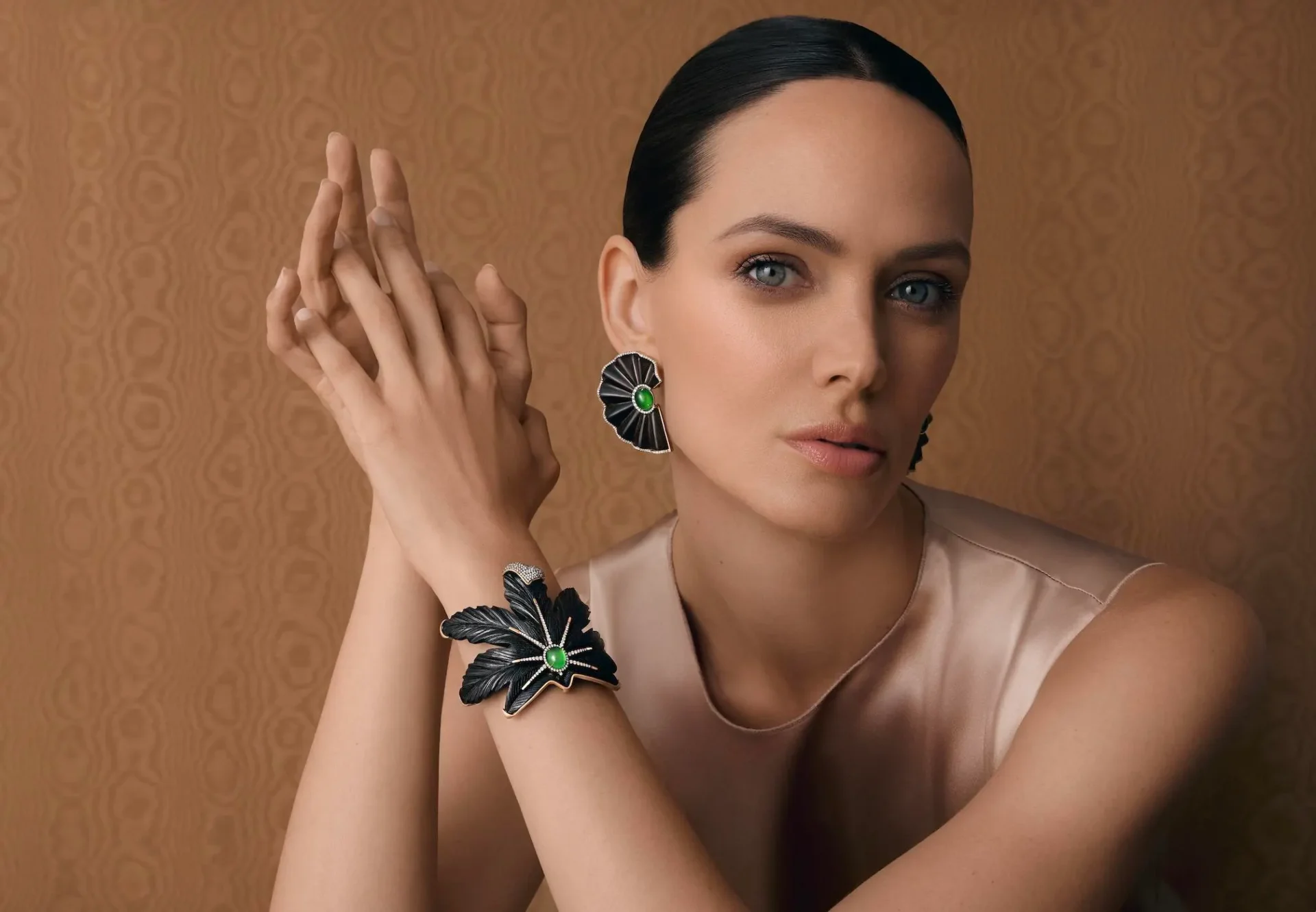
For the London house of Asprey, Silvia Furmanovich has made ten unique jewels in jadeite of pink, lavender, red, white, orange and green, set among wood marquetry, hand-carved bamboo, braided horsehair and Shibayama inlay.
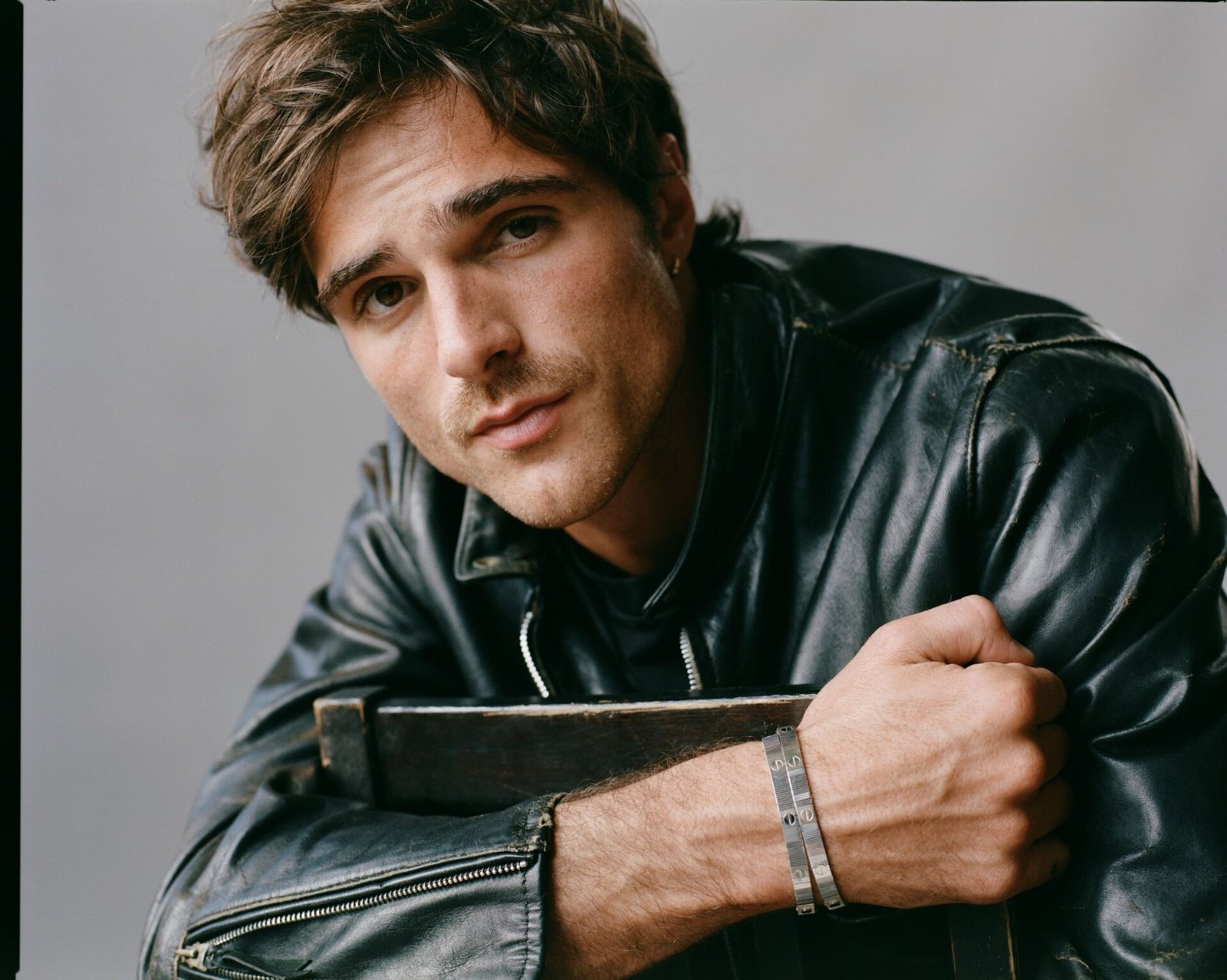
Jacob Elordi returns to Cartier, photographed this time by his sister Isabella, for the next chapter of LOVE Unlimited: an all-gold necklace, diamond-set bangles and a patented invisible clasp.
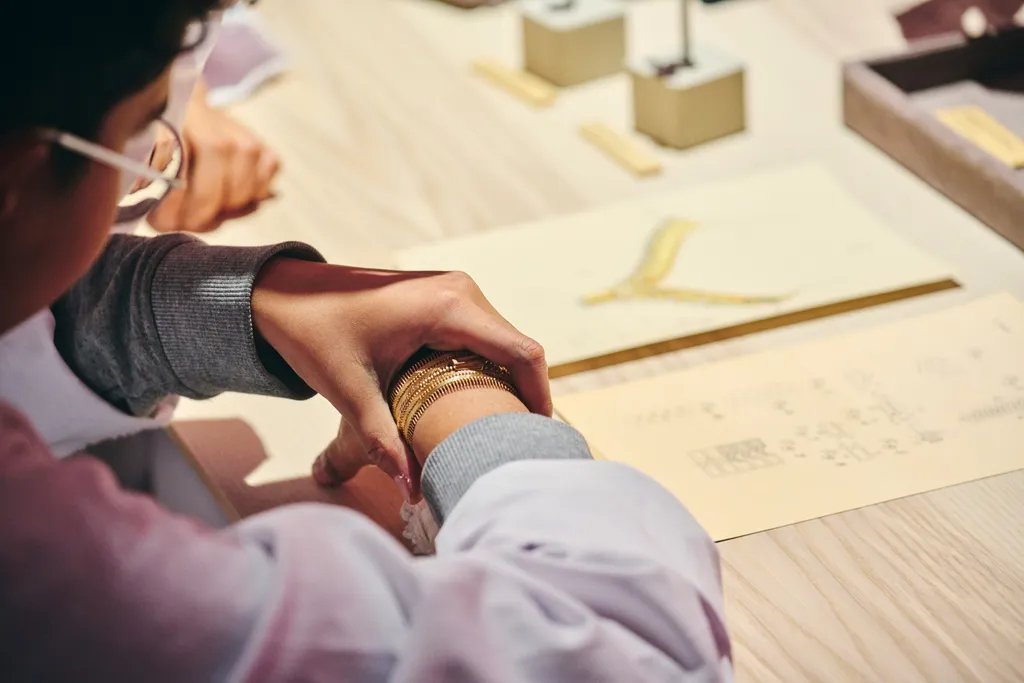
A jewel reaches the display case as a finished object, but its making depends on several professions whose work is rarely visible together. Van Cleef & Arpels's De Mains en mains programme reverses that perspective. It begins with the people, tools and stages behind a piece, asking how those skills can be understood by students, career changers and the wider public.