Land Rover Defender: from workhorse to cultural object
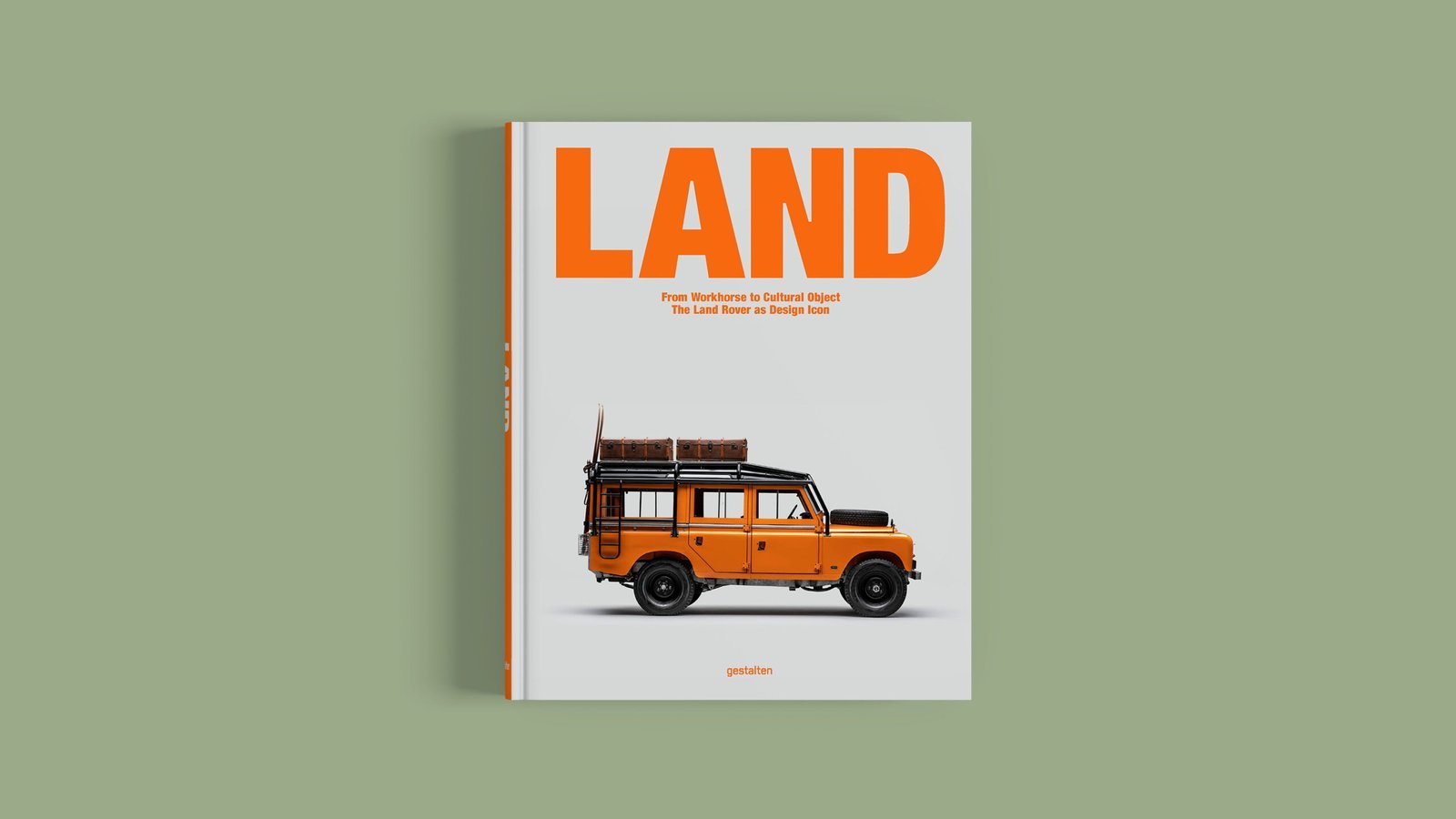
Land, a monograph from Gestalten, follows the Land Rover in three movements, from specialist workshops and electric conversions to art studios and the culture of adventure.
Few machines have earned their place in culture by refusing to try. Land: From Workhorse to Cultural Object: The Land Rover as Design Icon, the new monograph from Gestalten, is not a corporate tribute. It is a visual essay on how a working tool outgrew its industrial origins and became shorthand for a way of living.
Across its generations, the Defender represents a rare convergence: the toughness of farm equipment and the symbolic charge of a design object. The book, priced at 60 pounds, is built in three movements, each revealing one side of that transformation.
The workshops that keep it alive
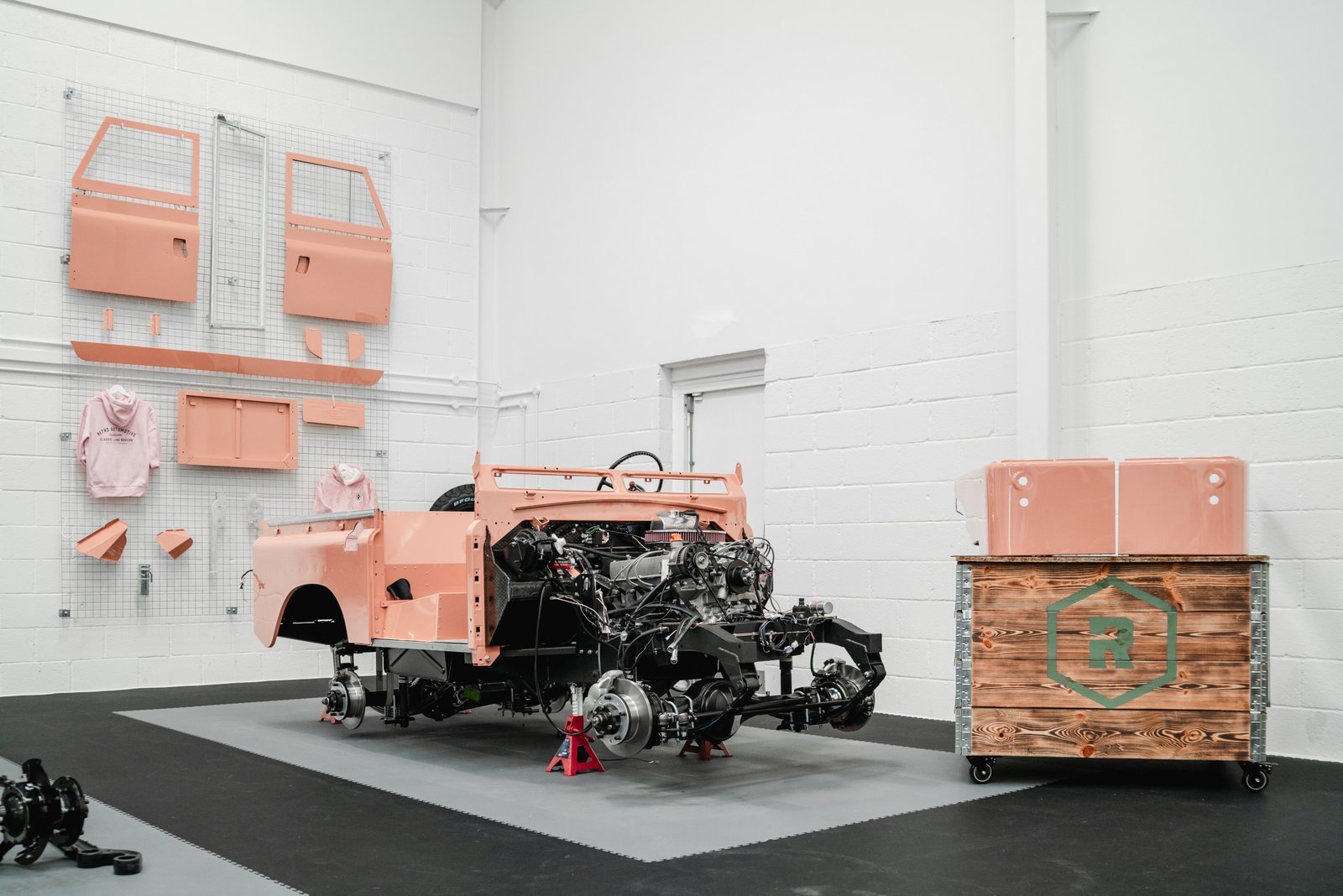
The first section moves through the restoration and modification workshops scattered around the world. This is not nostalgic conservation. These garages represent a contemporary act of reappropriation: ground-up restorations, conversions to electric drive, mechanical upgrades that send the Defender back out to face any terrain.
REBUILT BY HAND, PANEL BY PANEL. IMAGE: PRESS
Each workshop carries its own philosophy. Some guard the historical integrity of the original; others reinterpret it through technology and environmental concern. Together they form a portfolio of possibilities, proof that a classic design stays relevant when it is allowed to argue with the present.
A ready-made on four wheels
The second section leaves pure function behind to look at how designers and artists have claimed the Land Rover. It stops being transport and becomes canvas, sculpture, statement.
None of this is accidental. The Defender’s visual language is so clear, so archetypal, that it works almost as a Duchampian ready-made: its shape is already a message. Artists recognise that power and use it, setting a historic object in conversation with contemporary concerns.
Adventure without the costume
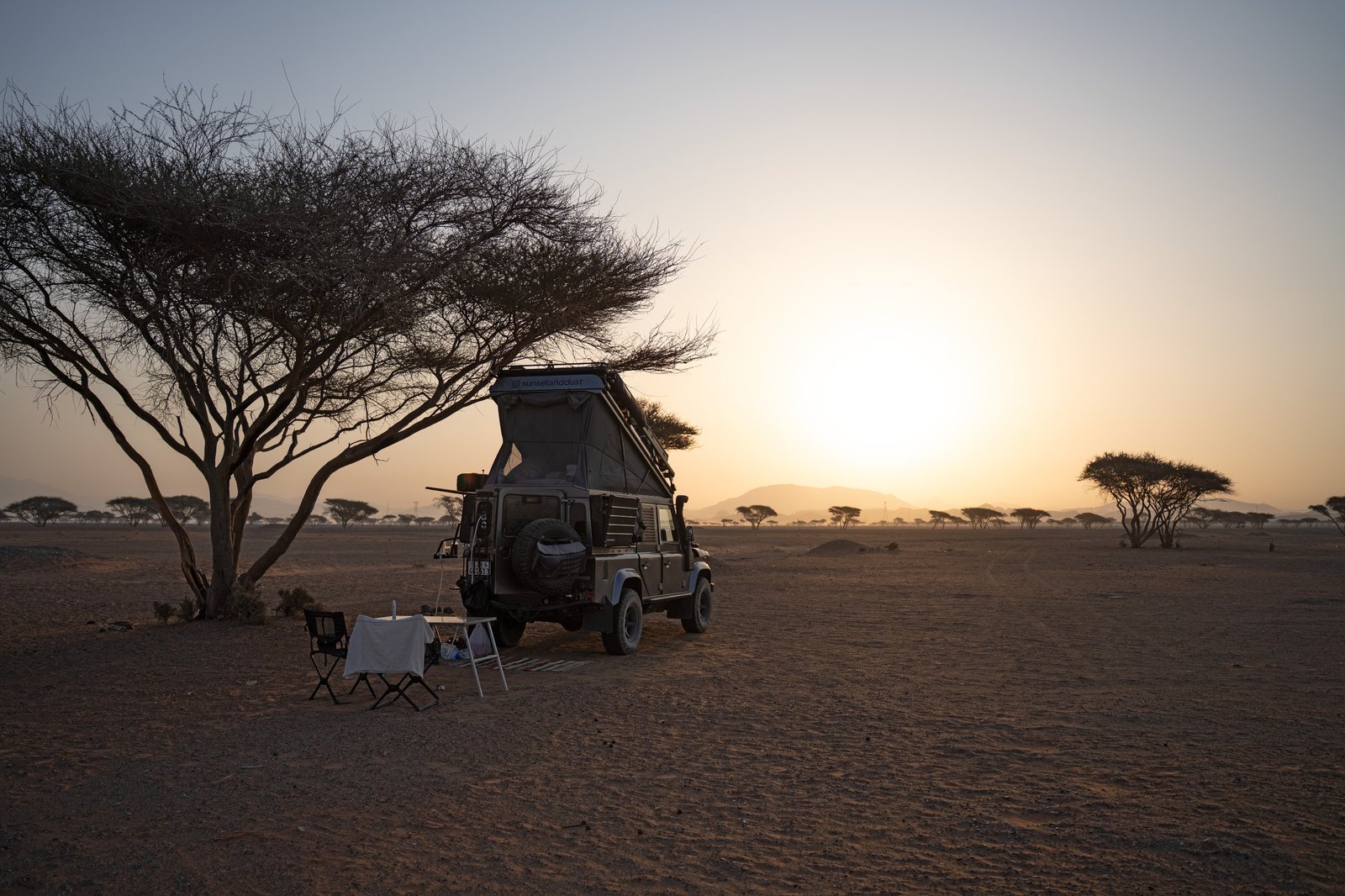
The final section, Adventure, gathers the visual and existential preoccupations of a generation: van life, drone photography, off-grid wellbeing, the search for self. The Defender carries that story both literally and as metaphor.
DUST, DUSK AND NOWHERE IN PARTICULAR. IMAGE: PRESS
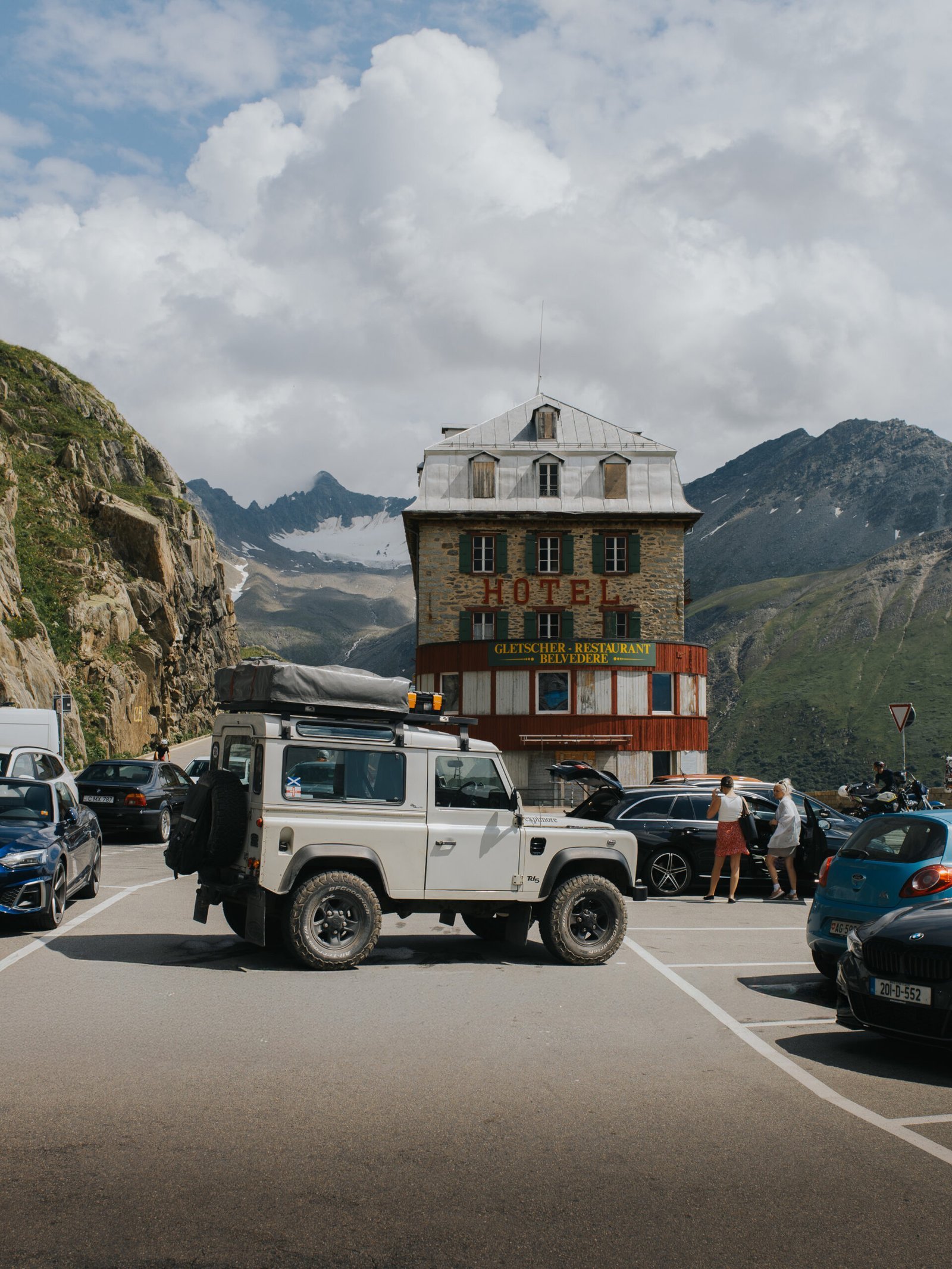
The book acknowledges an uncomfortable truth for conventional marketing: the Defender won its cultural standing not through advertising but through its capacity to make real experiences possible. Owners do not buy one to look adventurous. They buy it to reach remote places, and to arrive with a certain sense of style intact.
That fusion of function and visual aspiration is rare. It explains why the Defender remains relevant decades after its launch, why workshops thrive around it, why artists keep choosing it as a subject. It offers what few objects manage: honesty of purpose joined to refinement of form.
AS AT EASE ON A MOUNTAIN PASS AS ON A FARM TRACK. IMAGE: PRESS
The monograph puts it plainly: “Arguably no vehicle has travelled further into the unknown than the Land Rover.”
Land documents less a car than a phenomenon. A utility vehicle that never set out to be admired ends up as the visual language of a whole way of life: aspirational without being remote, adventurous without abandoning refinement. Some objects become icons precisely because they never asked to.
Details:Land: From Workhorse to Cultural Object: The Land Rover as Design Icon, published by Gestalten, 60 pounds. gestalten.com
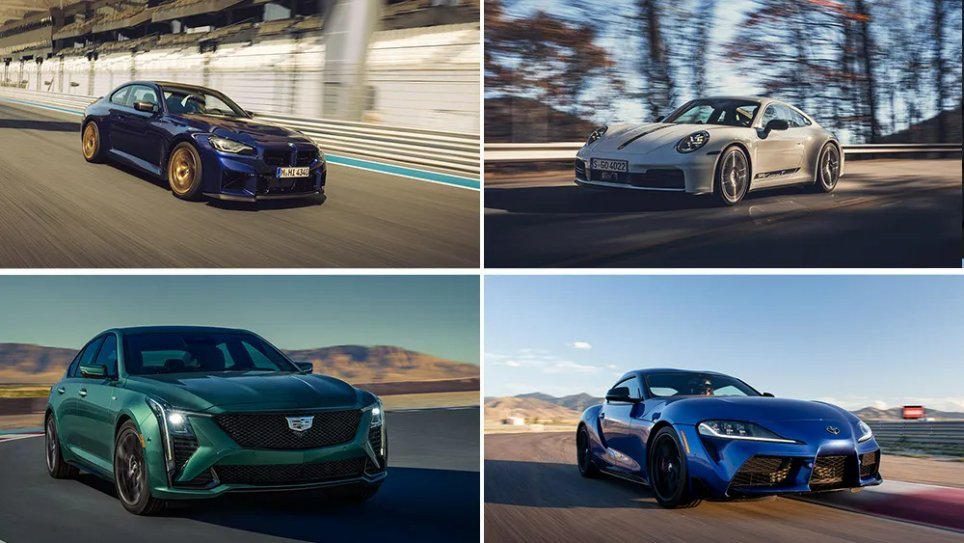
The manual gearbox has gone from rule to rarity. In late 2026, BMW M, Porsche, Nissan and Lotus still build cars that let the driver choose the gear, while the Toyota GR Supra and BMW Z4 have already taken their last bow.
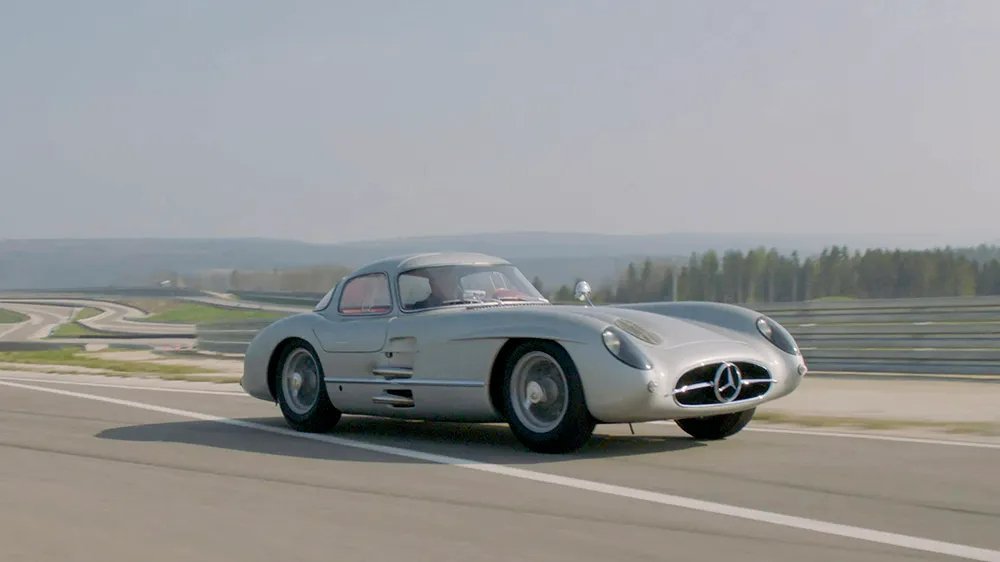
A Mercedes-Benz built in two examples still sits alone at USD 143 million. Below it, 2026 has rearranged the table: a Shelby Cobra Daytona Coupe, a white Ferrari 250 GTO, a McLaren F1 GTR and Ferrari's first electric car have all entered the ranks of the most valuable cars ever sold.
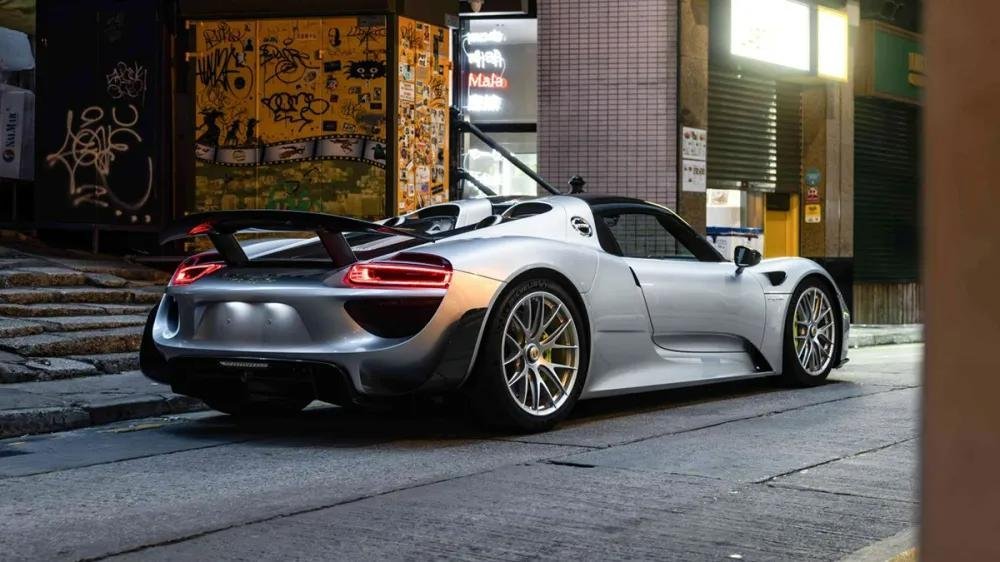
What began in March as a careful hint from Michael Leiters became, in October, a concept on a pier in Queens: the mid-engined Mission S previews a permanent Porsche model line above the 911, the first since the 918 Spyder.