Stellantis and The Night Before: six concepts, one argument for the affordable car
On the eve of the Paris motor show, Stellantis gathered six concepts at Hangar Y in Meudon. The electric Citroën 2CV led the evening, and with it a case for the small, honest European car.
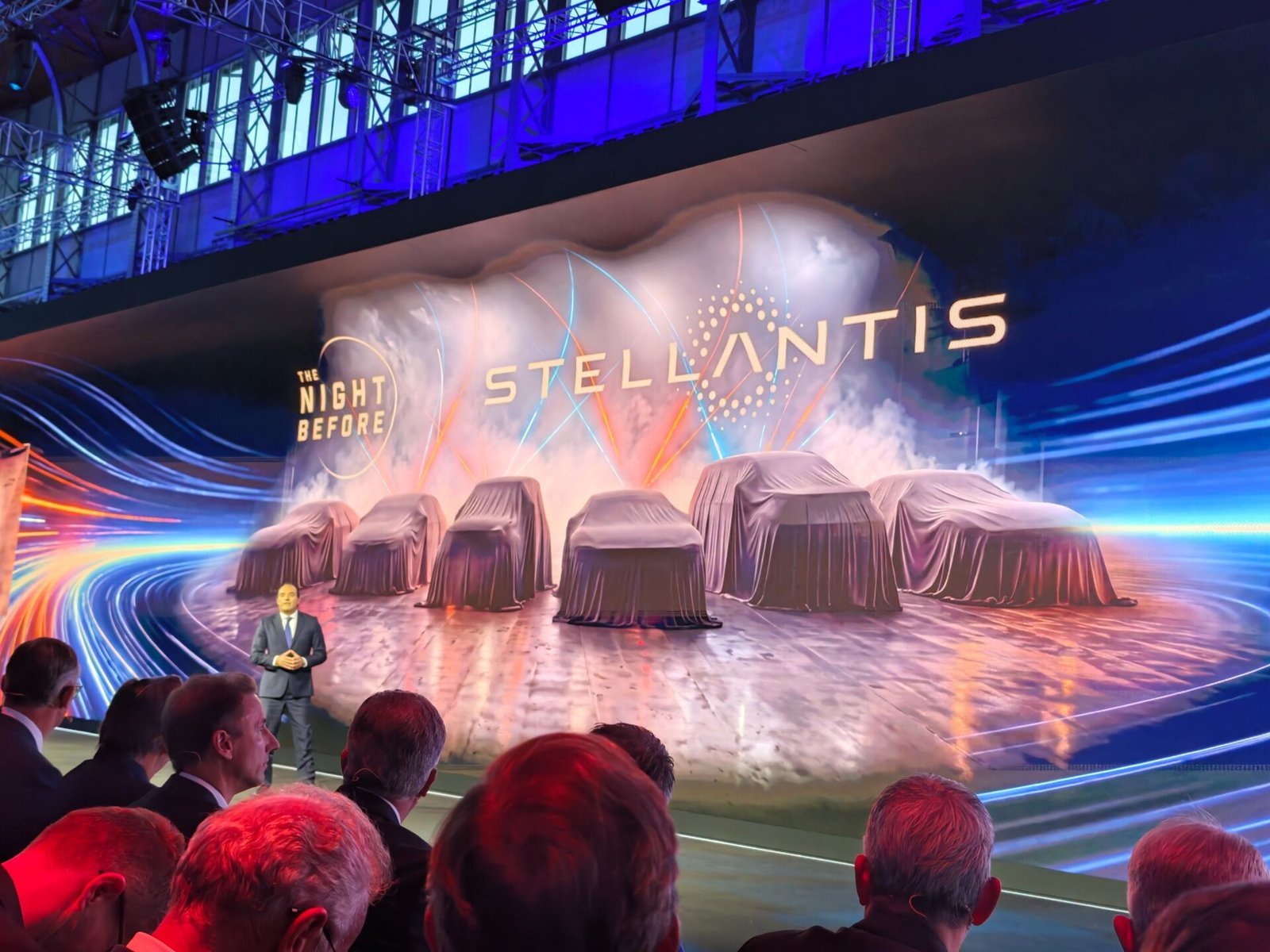
The Night Before, Hangar Y. Image: Stellantis / WAYFARER Edition | Images: Stellantis
STELLANTIS | THE NIGHT BEFORE | PARIS 2026
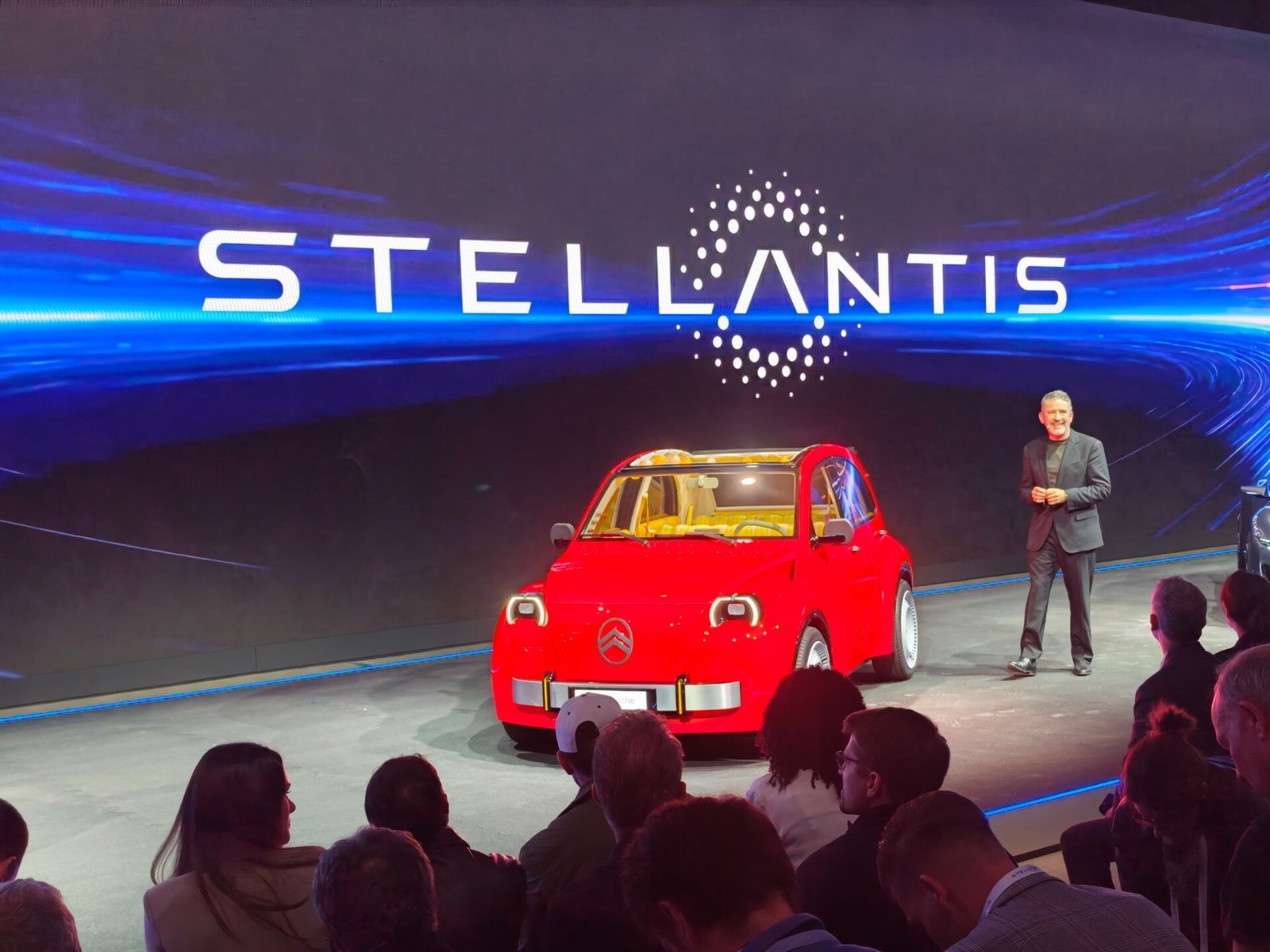
The most persuasive car Stellantis showed in Paris this October was also the smallest and the least expensive. On the evening before the Mondial de l’Auto opened, the group brought six concepts to Hangar Y in Meudon, a restored airship hangar on the edge of the city, and let one of them carry the message. The electric Citroën 2CV is a reminder that a car can be modest without being an apology.
The Night Before at Hangar Y, Meudon. Image: Stellantis
An evening with a strategy behind it
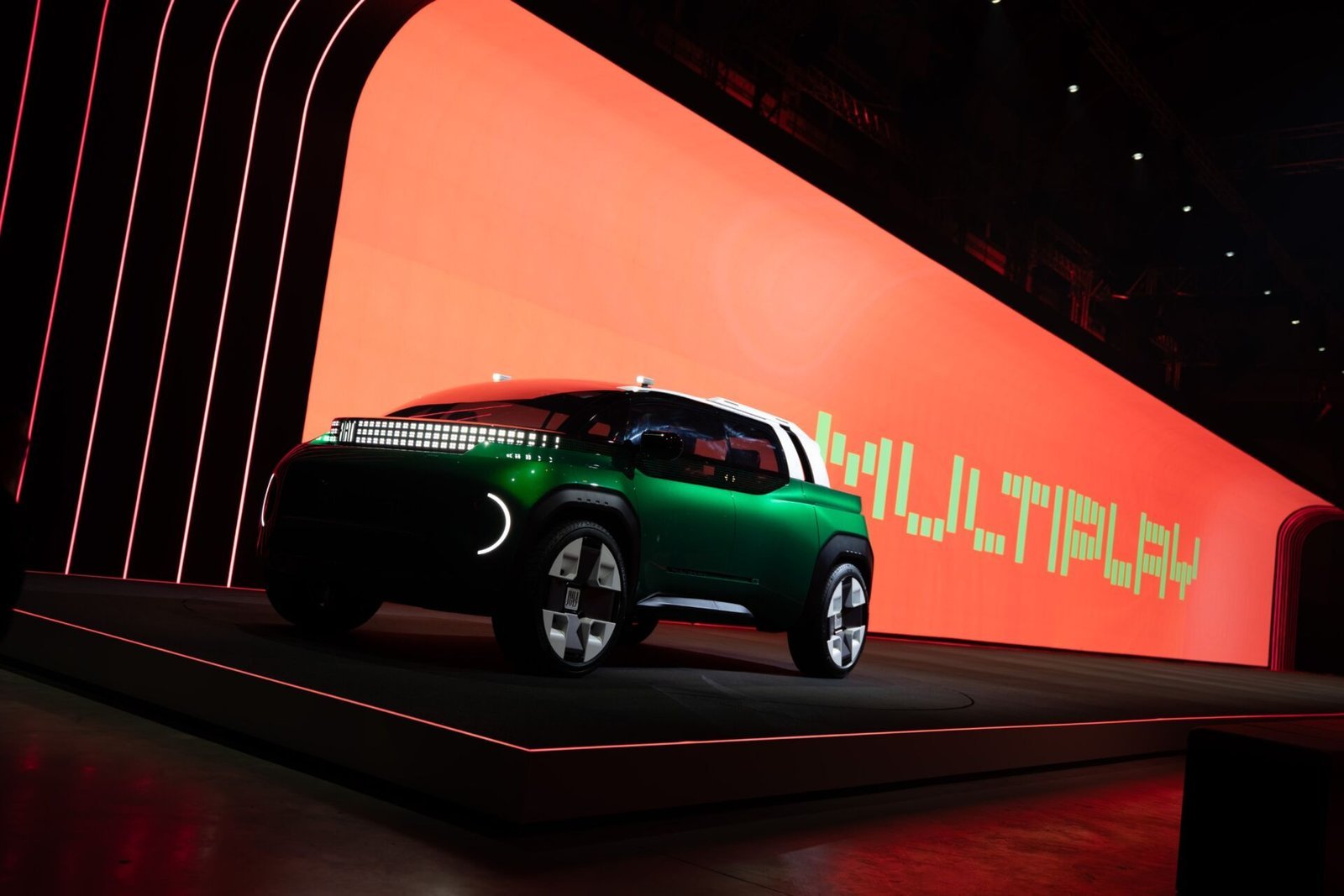
The Night Before was staged as a presentation of six ideas: the Citroën 2CV, the Fiat Multiplay, the Alfa Romeo Cuorerosso, the DS F3VER, the Peugeot RCZ Vision and the Opel STX. Each speaks for its brand, and together they illustrate FaSTLAne 2030, the plan set out under chief executive Antonio Filosa. The next day the group opened the largest stand of the show, with more than 60 vehicles from eight brands.
The 2CV, reconsidered
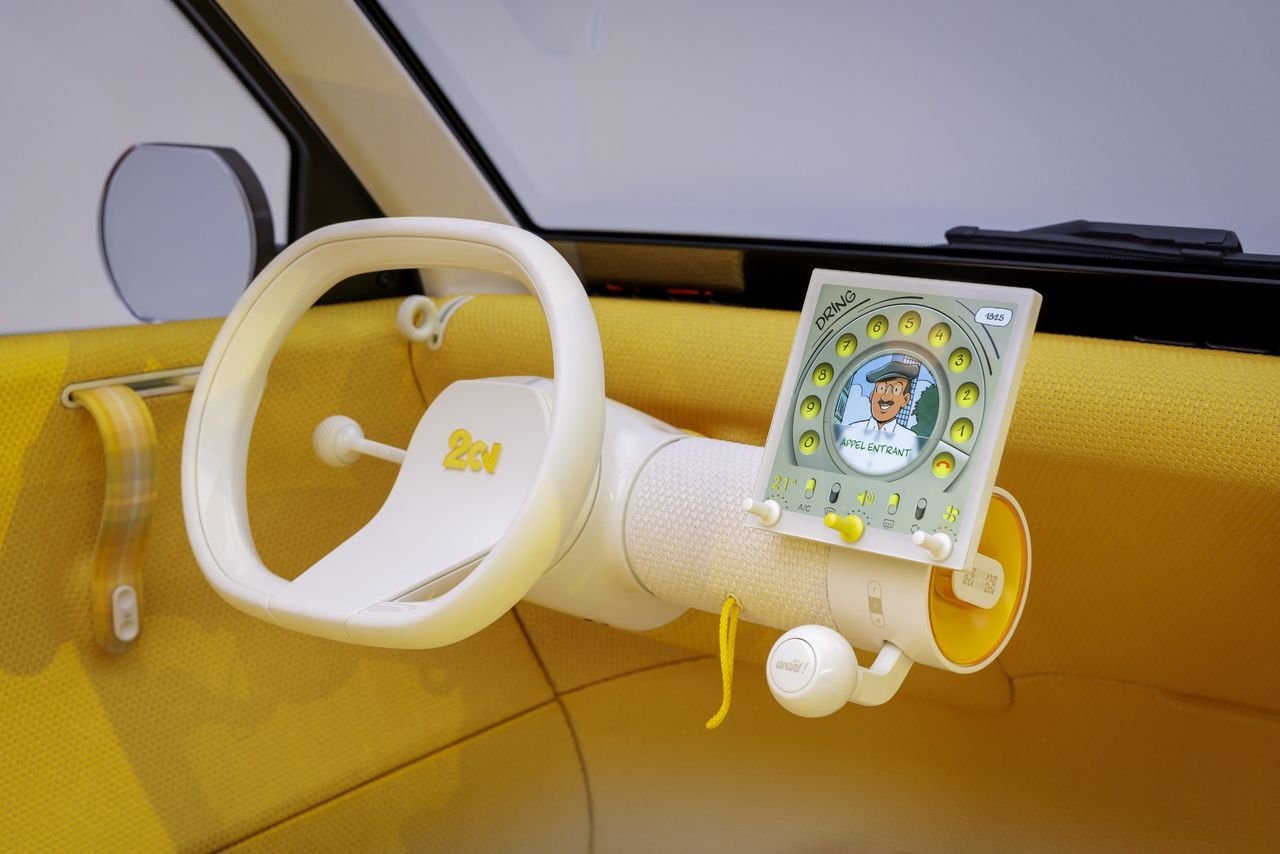
Citroën’s concept is electric, 3.76 metres long and weighs roughly one tonne. The brand intends to reveal the production car within two years and to have it in the range by 2028, built in Europe at a price of about €15,000. It would sit between the Ami and the C3, in the space opened by Europe’s new E-Car rules for small, affordable vehicles. The canvas roof stays, and so does the idea that a car can be simple on purpose.
Citroën 2CV Concept: 3.76 metres, about one tonne, electric. Image: StellantisThe canvas roof remains part of the idea. Image: Stellantis
A small car built in Europe for about €15,000 is not nostalgia. It is a decision about who the industry intends to serve.
Fiat and Alfa Romeo: space and temperament
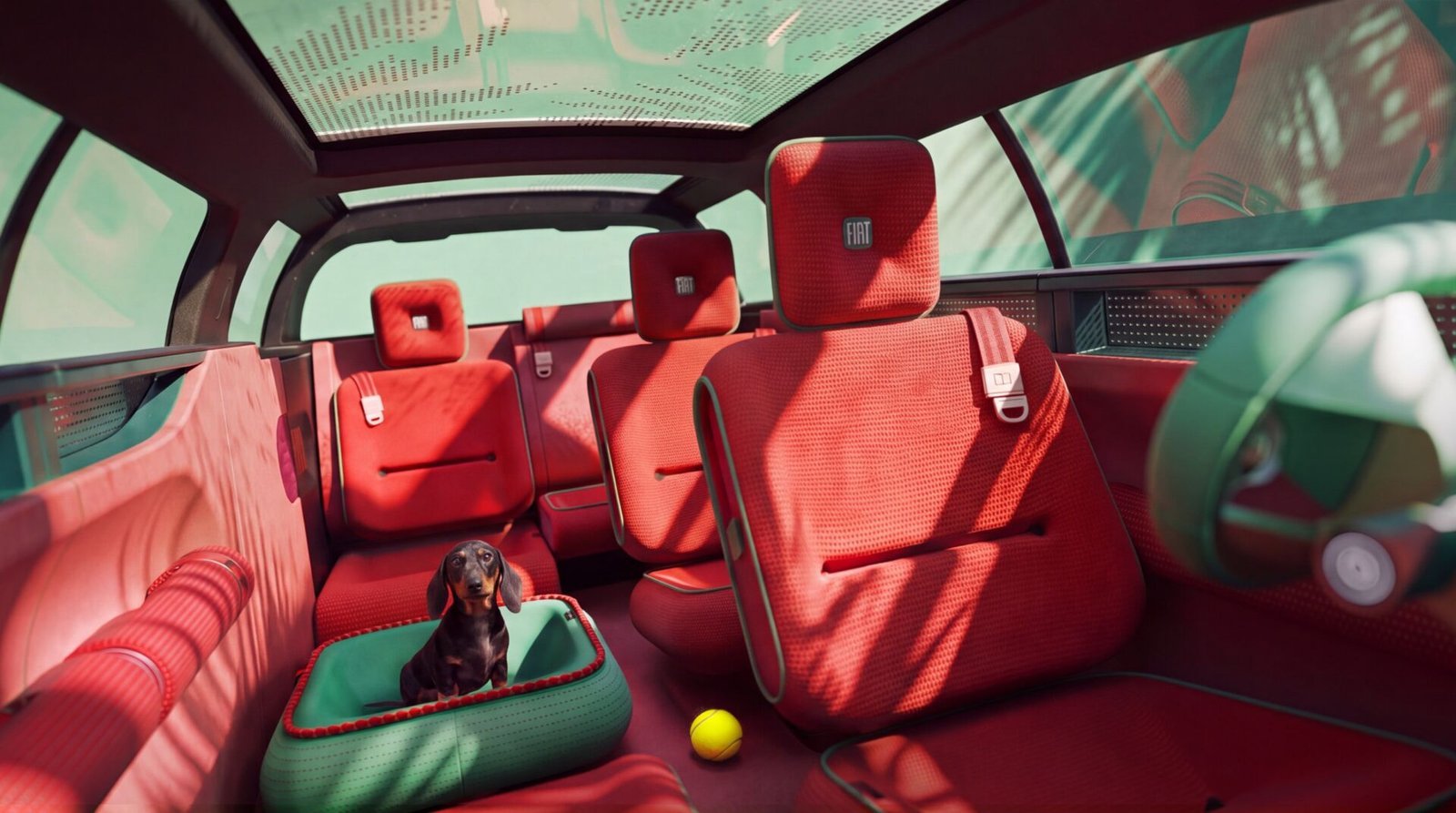
The Fiat Multiplay is 4.45 metres long and seats six plus one. Its rear module slides to turn the car into a four-seat pick-up, and a dedicated Petsenger seat is reserved for the dog. Fiat is clear that it is not a production preview, but a study of how much use can fit into a family car.
Fiat Multiplay: six plus one seats and a sliding rear module. Image: Stellantis
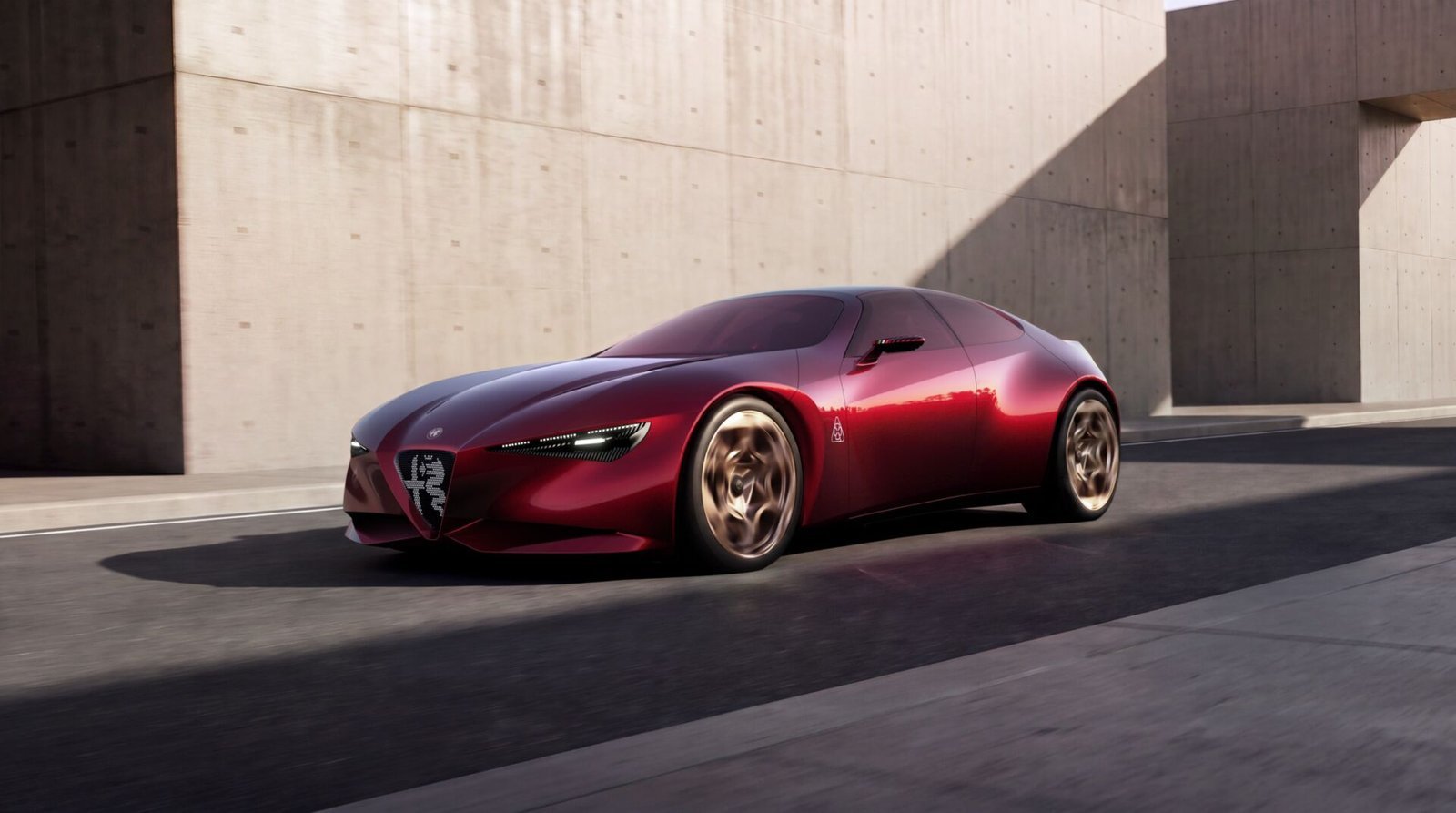
The Alfa Romeo Cuorerosso works in the opposite direction. It frames a family of models up to 4.7 metres on multi-energy platforms, with a Quadrifoglio version using a 2.9-litre V6 full hybrid and Q4 all-wheel drive. The brand calls its design philosophy Bellezza Necessaria, necessary beauty, and the concept takes the phrase literally.
Alfa Romeo Cuorerosso. Image: Stellantis
Peugeot, DS and Opel: the technical end
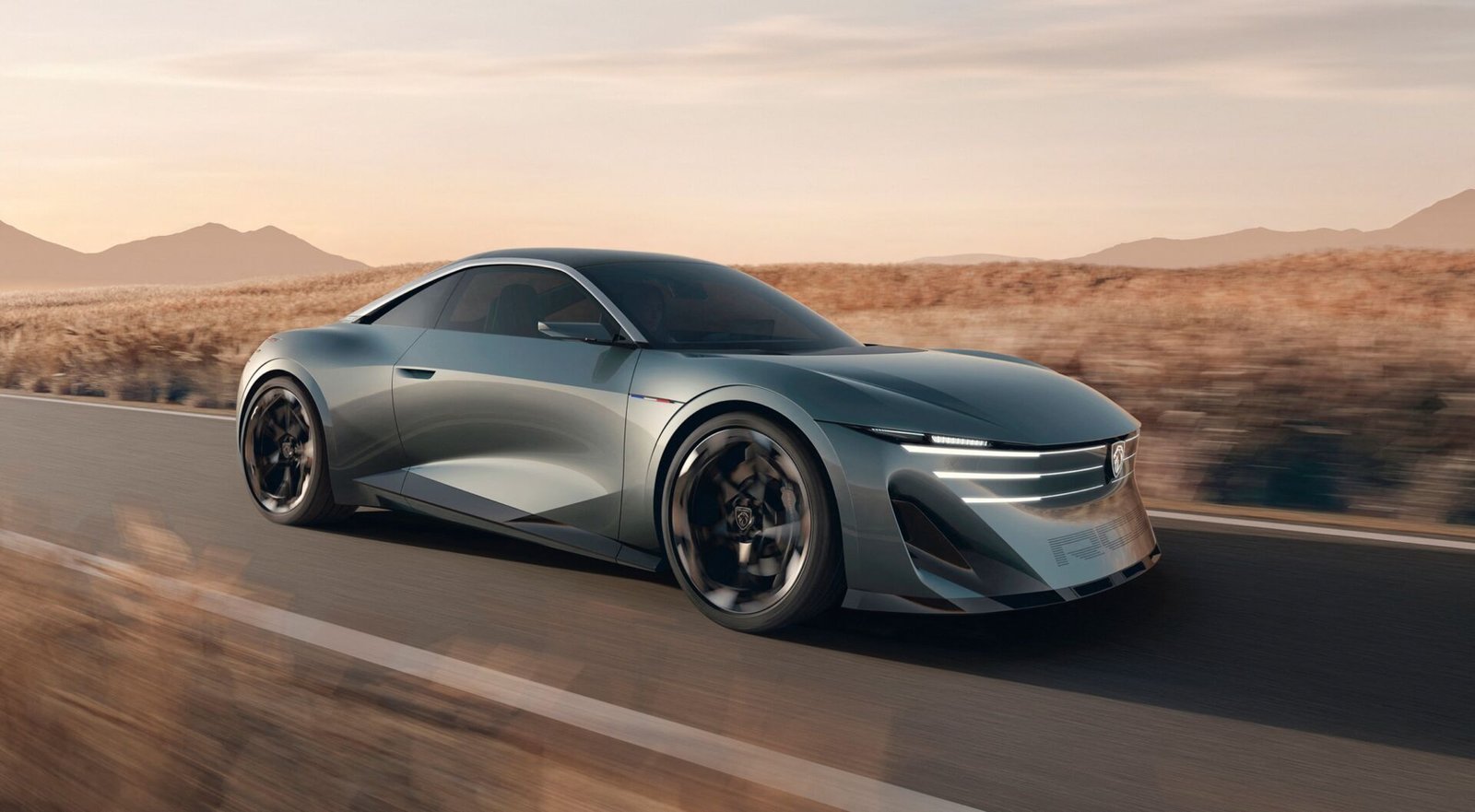
The Peugeot RCZ Vision revives the name of the coupé sold from 2009 to 2015 and puts the most advanced hardware of the evening underneath it. It sits on the STLA One platform with a solid-state battery developed with Factorial Energy, a 1000-volt architecture, 368 kW and a range of up to 600 km. A 10 to 80 per cent charge takes about ten minutes. Steering is by wire through the Hypersquare yoke, and it is Peugeot’s first car with brake-by-wire.
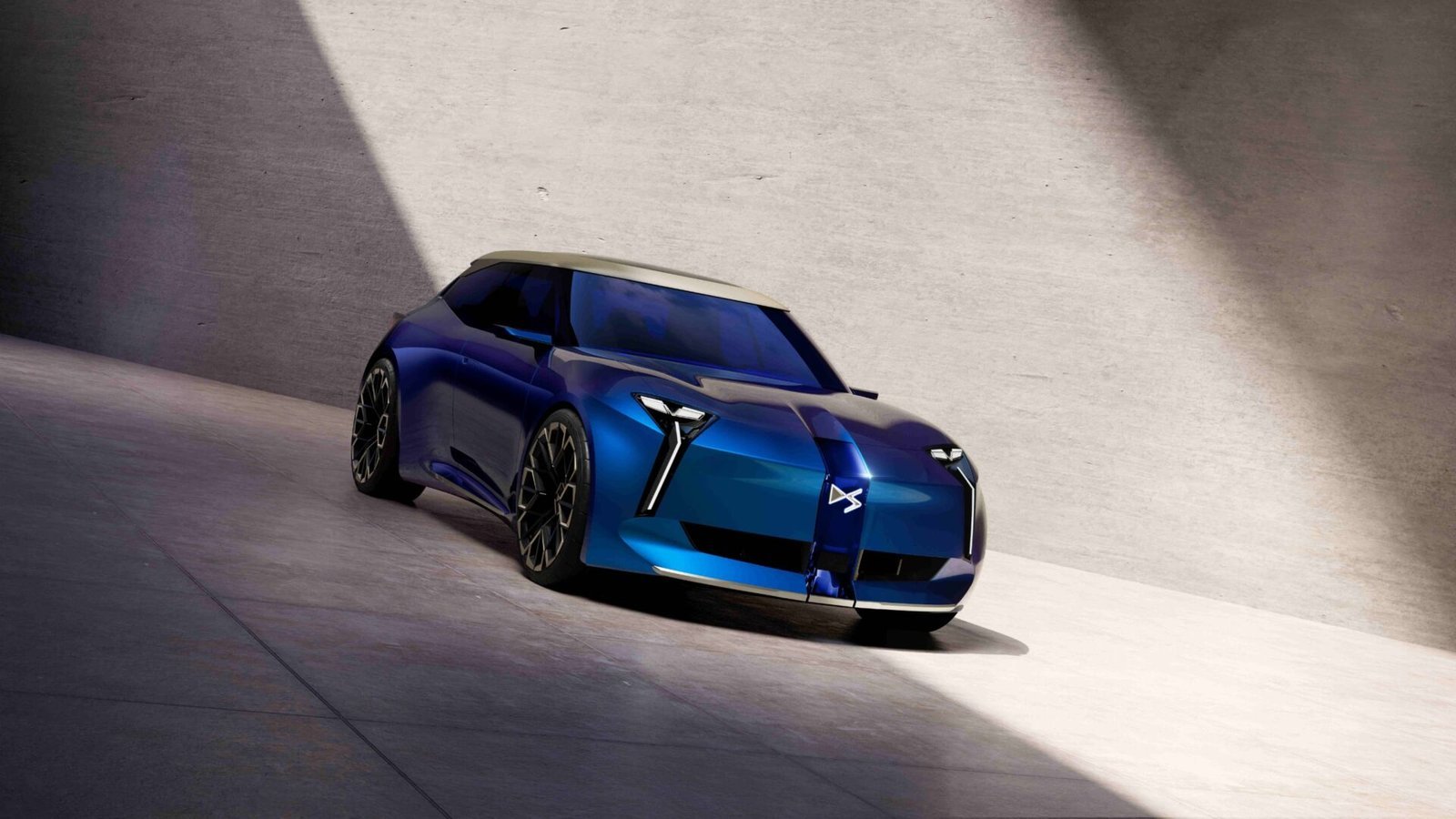
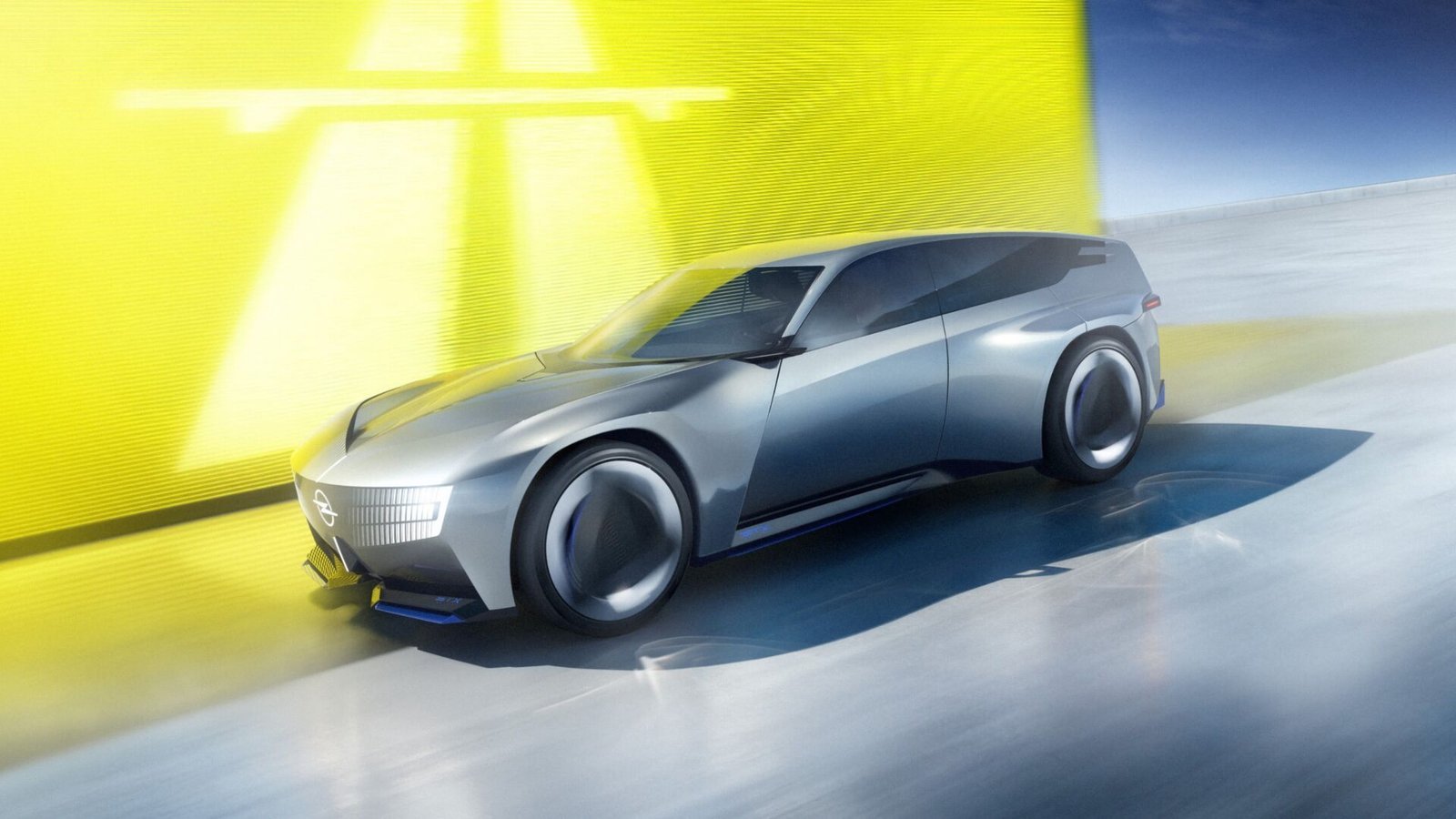
The DS F3VER explores desirability, personalisation and versatility rather than a single future model. The Opel STX, for Sports Tourer Experimental, carries the brand’s Vizor with animated light slats and a more upright Compass emblem, and Opel says elements of it will reach production.
DS F3VER. Image: StellantisOpel STX: elements will reach production models. Image: Stellantis
Under the vaulted roof of a hangar built for airships, six concepts made their case, but the one people walked back to was the smallest. A car with a cloth roof and a modest price may be the most ambitious thing Stellantis promised in Paris.
The manual gearbox has gone from rule to rarity. In late 2026, BMW M, Porsche, Nissan and Lotus still build cars that let the driver choose the gear, while the Toyota GR Supra and BMW Z4 have already taken their last bow.
A Mercedes-Benz built in two examples still sits alone at USD 143 million. Below it, 2026 has rearranged the table: a Shelby Cobra Daytona Coupe, a white Ferrari 250 GTO, a McLaren F1 GTR and Ferrari's first electric car have all entered the ranks of the most valuable cars ever sold.
What began in March as a careful hint from Michael Leiters became, in October, a concept on a pier in Queens: the mid-engined Mission S previews a permanent Porsche model line above the 911, the first since the 918 Spyder.