Culture / Reportage
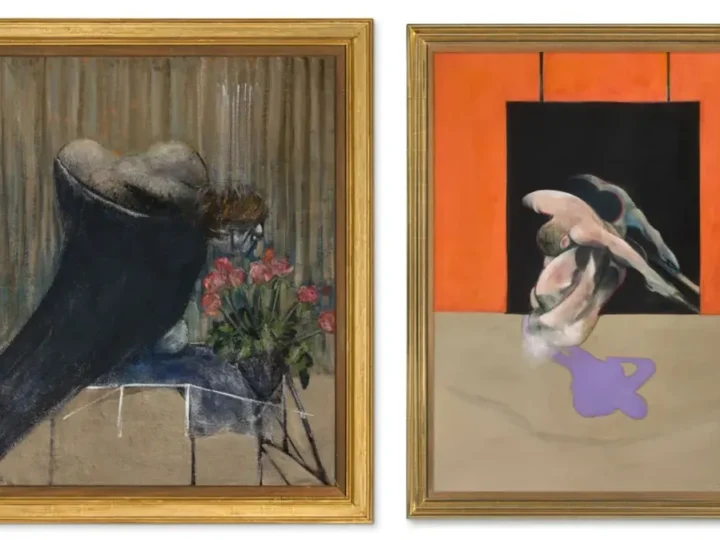
Peter Simon: the collector’s eye moves from cloth to canvas
The Monsoon founder’s collection reaches Christie’s during Frieze Week, offering a study in colour, composition and the formation of taste.

THE CURATED EDITION.
Reportage / Chantilly
Luiza Rodas’s account of the September 2025 final follows the event from the field to a team’s asado. The distinction between public matches and private hospitality makes the place more legible.
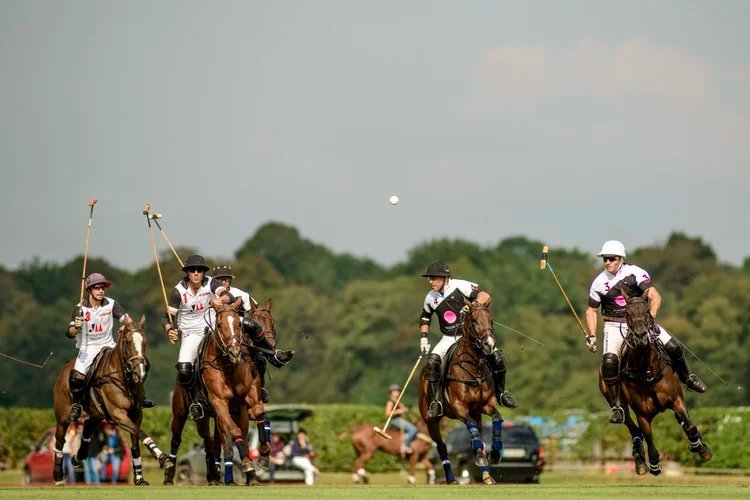
A polo day has more than one boundary. The field defines the match; the spaces around it define how players, teams and spectators encounter one another.
At the Polo Club du Domaine de Chantilly, Luiza Rodas’s account of 21 September 2025 followed those different settings through the final day of the Open de France. The date belongs to a concluded tournament, not to a current invitation.
Reporting by Luiza Rodas.
The club is based at Apremont, in the wider Chantilly setting. The 2025 Open de France ran from 4 to 21 September and marked the tournament’s twenty-fifth edition.
The geographical distinction matters. The polo club is not simply another room within the Château de Chantilly. A visit to the estate’s cultural attractions and a day at the polo grounds require separate plans.
It matters editorially as well. The horses, the players and the shape of the field give the sporting occasion its own identity. They should not disappear behind a description of clothes or drinks at the edge of the match.
The club’s September 2025 tournament information described the matches as freely accessible, with commentary at weekends. That public proposition is different from the private hospitality spaces and hosted gatherings described by Rodas.
A lounge is not the whole tournament. A spectator’s ability to see a match should not be confused with access to a particular sponsor area or an invitation to a team celebration.
This distinction makes the event less remote than a story told only through its private tables. It also makes the boundaries more precise. The organiser’s published programme is the appropriate reference for future match access and facilities.
Rodas observed the strong Argentine presence among the players. Her report followed the winning side into an evening asado at the team’s stable, where the gathering moved from the formal contest to food, wine and songs.
The account did not identify the winning team by name. It would be wrong to attach a guessed team or result to that scene. Its specificity comes from the setting and the reporter’s observation, not from a fabricated scoreboard.
The asado is nevertheless an important part of the story. An international sport does not erase the cultures of its participants. In this case, the team’s gathering retained an Argentine form within a French location.
The stable setting also keeps the horses inside the account after play has ended. Polo’s social life is attached to the work and organisation of teams, rather than existing only in a separate hospitality room.
Rodas noted dogs around the grounds and a family atmosphere on that September afternoon. That observation belongs to the day she attended. It is not evidence that every future event permits pets in every area.
For a current visit, check the club’s own calendar, access information and any event-specific rules. Match times, weather and hospitality arrangements should be treated as operational details, not as elements fixed by a photograph.
The account is strongest at the transition from field to table. Chantilly supplies the location; the sport brings an international community into it. What happens after the final can carry another part of the participants’ geography.
CONTINUE READING
Culture / Reportage
The Monsoon founder’s collection reaches Christie’s during Frieze Week, offering a study in colour, composition and the formation of taste.

Culture / Reportage
The film’s early-kitchen premise opens a wider conversation about food, apprenticeship and the difference between biography and fiction.

Culture / Reportage
Looking back at the 2025 Palais de Tokyo exhibition, scent emerges as a material for collaboration rather than simply a product to be displayed.