Culture / Reportage
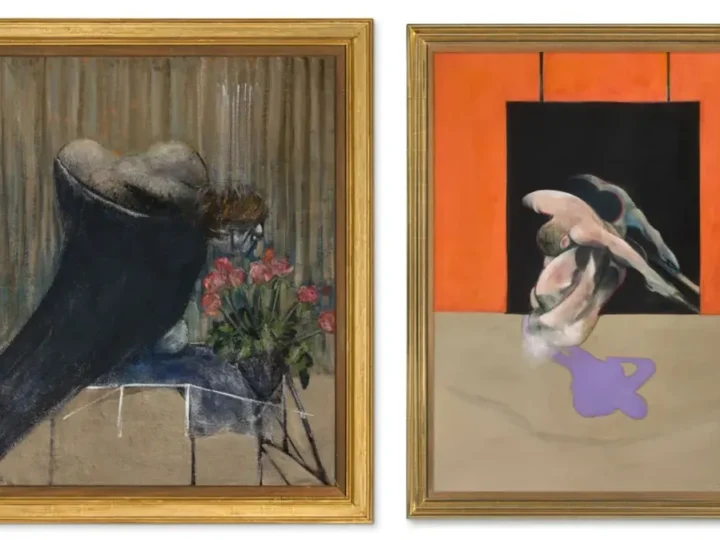
Peter Simon: the collector’s eye moves from cloth to canvas
The Monsoon founder’s collection reaches Christie’s during Frieze Week, offering a study in colour, composition and the formation of taste.

THE CURATED EDITION.
Reportage /
Looking back at the 2025 Palais de Tokyo exhibition, scent emerges as a material for collaboration rather than simply a product to be displayed.
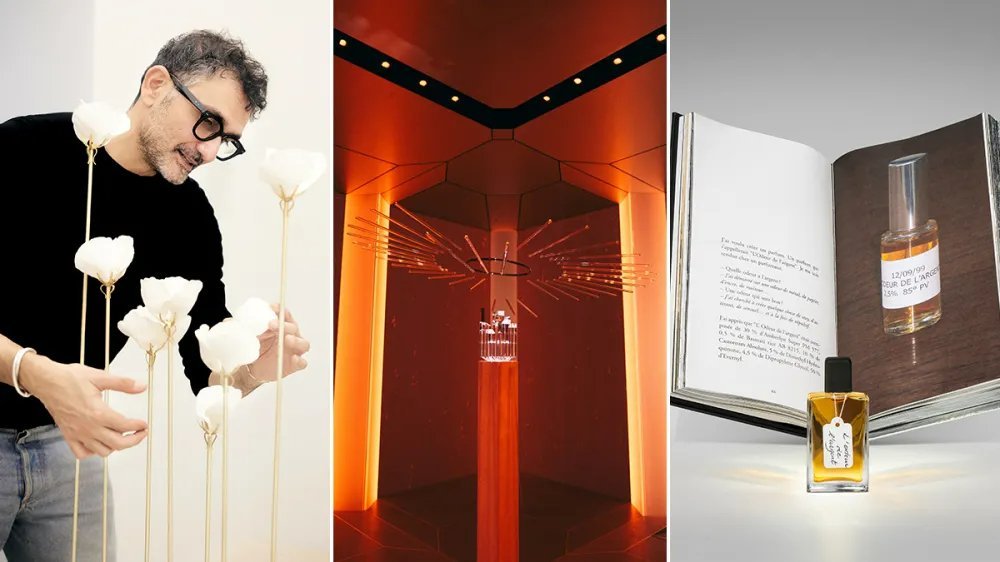
Francis Kurkdjian’s Perfume, Sculpture of the Invisible posed a curatorial problem worth returning to after the exhibition ended: how do you show something whose defining material cannot be contained in a photograph? Presented at the Palais de Tokyo from 29 October to 23 November 2025, the project treated fragrance as a medium that could enter relationships with images, objects, performance and music.
Those dates matter. This is a retrospective reading of the exhibition, not an invitation to an event currently running in Paris. Its continuing relevance lies in the questions its works raise, and in the documentation and recorded discussions that remain available.
The Palais de Tokyo’s exhibition account situates the presentation in the Saut du Loup space and identifies collaborations with Sophie Calle, Yann Toma, Cyril Teste, Christelle Boulé and Klaus Mäkelä. Jérôme Neutres curated the project, according to the Maison’s retrospective documentation.
A conventional perfume display can make the bottle stand in for the work. That solution is convenient for photography and collecting, but it leaves the act of smelling outside the frame. The exhibition’s premise instead made that difficulty its subject. What can an image communicate about a fragrance, and what must remain an encounter that cannot be reproduced on a page?
Christelle Boulé’s Expanded Drops, identified in the Maison’s documentation as experimental photography from 2019, offers one route through that problem. Perfume participates in producing a visual work. The result is not a diagram telling the viewer exactly how the fragrance smells; it is another material consequence of the encounter.
That difference is important. Translation between senses is not literal equivalence. A colour may suggest an association, but it cannot guarantee the same response in every viewer. The more interesting possibility is that the work makes a familiar material unfamiliar, opening a second way of considering it without claiming to replace the first.
L’Alchimie des sens was conceived around Baccarat Rouge 540. The documented programme brought Kurkdjian together with collaborators including Cyril Teste, Elias Crespin, David Chalmin, Katia and Marielle Labèque and Anne-Sophie Pic. The range of disciplines is part of the argument: a perfume can act as a starting point for a shared composition rather than a finished object that other artists merely decorate.
The Maison’s broader account also describes Kurkdjian’s work with the Labèque pianists on a 2024 Cocteau and Philip Glass programme. Fragrances were composed alongside music and staging. That places the 2025 exhibition within an ongoing practice, not an isolated anniversary gesture.
Documentation can preserve the participants, the construction of a work and the ideas discussed around it. It cannot fully preserve what each visitor smelled. That limit is not a failure unique to perfume; performance, sound and changing installations also resist reduction to an image.
The Maison has made recordings of the exhibition’s conferences and roundtables available through its retrospective page. They offer a way to follow the thinking behind the project now, without pretending that listening reconstructs the original experience. Perfume’s departure from the bottle is most convincing when it expands the questions we can ask of it, rather than simply enlarging the scale of its presentation.
Follow: @maisonfranciskurkdjian.
CONTINUE READING
Culture / Reportage
The Monsoon founder’s collection reaches Christie’s during Frieze Week, offering a study in colour, composition and the formation of taste.
Culture / Reportage
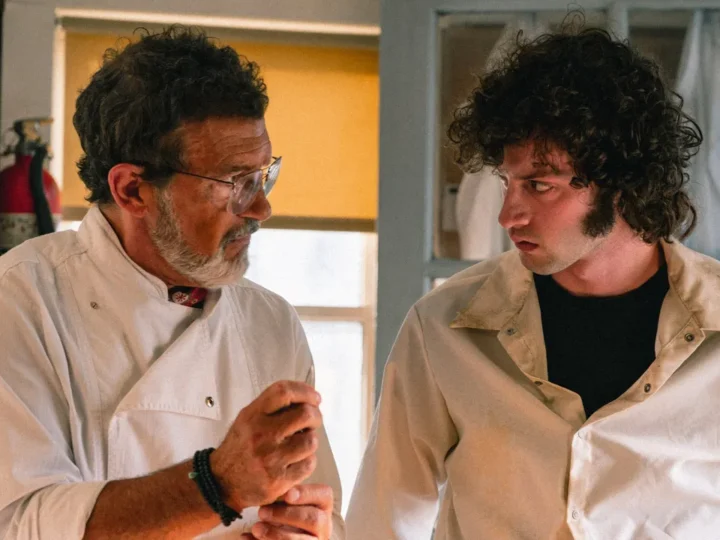
The film’s early-kitchen premise opens a wider conversation about food, apprenticeship and the difference between biography and fiction.
Culture / Reportage
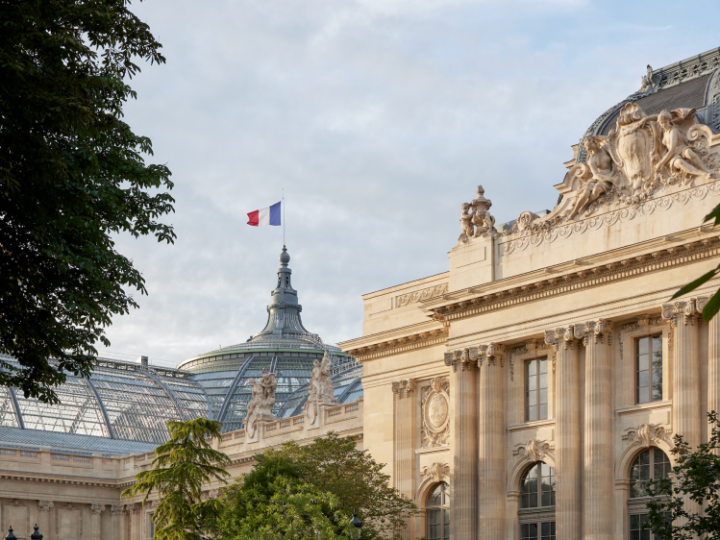
Renovation has dispersed the institution, not suspended its programme. Three exhibitions provide an autumn route through the city.