Culture / Reportage
Peter Simon: the collector’s eye moves from cloth to canvas
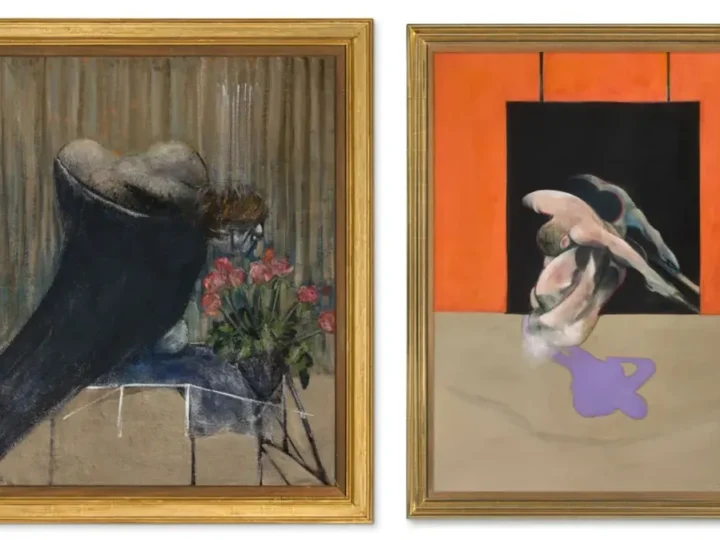
The Monsoon founder’s collection reaches Christie’s during Frieze Week, offering a study in colour, composition and the formation of taste.

THE CURATED EDITION.
Reportage /
The film’s early-kitchen premise opens a wider conversation about food, apprenticeship and the difference between biography and fiction.
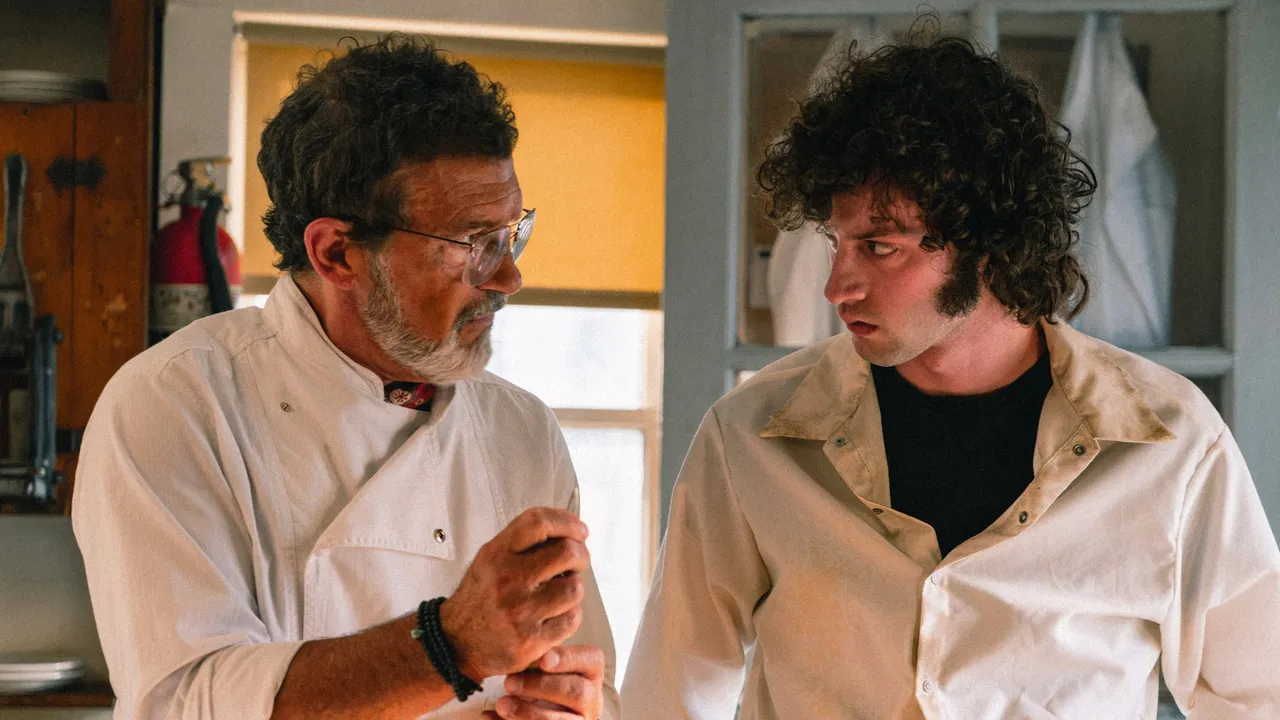
Anthony Bourdain is often remembered through the finished voice: the writer and broadcaster able to turn a meal into a conversation about work, power and belonging. Tony moves the emphasis earlier. Its premise follows a nineteen-year-old arriving in Provincetown for a summer in restaurant kitchens, before the public persona has taken shape.
A24’s film information credits Matt Johnson as director and Dominic Sessa in the central role, alongside Antonio Banderas, Emilia Jones, Leo Woodall and Stavros Halkias. The project is a dramatisation, not a documentary record. That distinction should remain visible when discussing its kitchens, relationships and encounters.
An origin story can make apprenticeship seem inevitable: a young person arrives, meets a mentor and discovers a vocation. Restaurant work is less tidy. Skills are acquired through repetition, corrections and the practical demands of feeding people on time. The premise of Tony is interesting because it directs attention to that period of uncertainty rather than beginning with retrospective celebrity.
It also changes the scale of a food story. The question is not merely whether a dish looks appetising on screen. It is whether preparation, service and shared meals can suggest the different relationships inside a kitchen. A plate sent to a customer and a pot served to the staff may contain the same ingredients but perform entirely different social functions.
In an interview with GQ, food stylist Christine Tobin described researching Bourdain’s writing and using dishes to build the film’s culinary world. Her examples include squid stew drawn from Appetites, a Jasper White clam chowder and a clambake informed by Howard Mitcham. These are reported production choices, not evidence that every depicted incident happened exactly as filmed.
Food styling in this context is a form of narrative construction. A dish needs to belong to a place and period, but it also needs to survive the mechanics of a shoot: successive takes, continuity and the movements of actors around a work surface. The finished image conceals much of that labour. Paying attention to it brings the kitchen back into the discussion as a made environment rather than a romantic setting.
Howard Mitcham’s Provincetown Seafood Cookbook provides a companion to the film that does not depend on its dramatisation. The 2018 edition carries an introduction by Bourdain. Its combination of recipes, local history and anecdote makes the town a network of cooks, ingredients and working relationships, not simply a picturesque location.
Reading a cookbook alongside a film allows different kinds of evidence to remain separate. One offers recipes and a writer’s account of a culinary culture. The other arranges performances, scenes and dramatic consequences. Neither becomes more interesting by pretending to be the other.
The worthwhile question raised by Tony is therefore larger than how accurately an actor resembles Bourdain. It is how a person learns to pay attention to the people around a meal. That question connects the kitchen’s daily work to the curiosity that would later make his public voice matter.
Follow: @a24. Availability varies by territory; consult the distributor’s current film page.
CONTINUE READING
Culture / Reportage
The Monsoon founder’s collection reaches Christie’s during Frieze Week, offering a study in colour, composition and the formation of taste.

Culture / Reportage
Looking back at the 2025 Palais de Tokyo exhibition, scent emerges as a material for collaboration rather than simply a product to be displayed.
Culture / Reportage
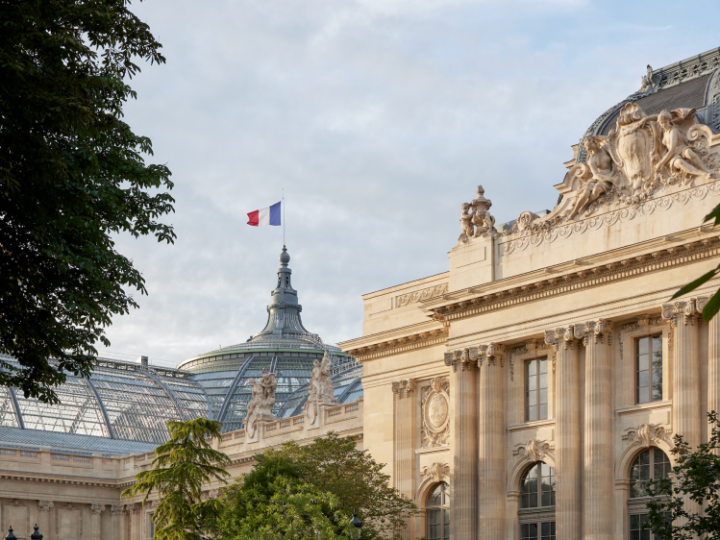
Renovation has dispersed the institution, not suspended its programme. Three exhibitions provide an autumn route through the city.