Culture / Reportage
Peter Simon: the collector’s eye moves from cloth to canvas
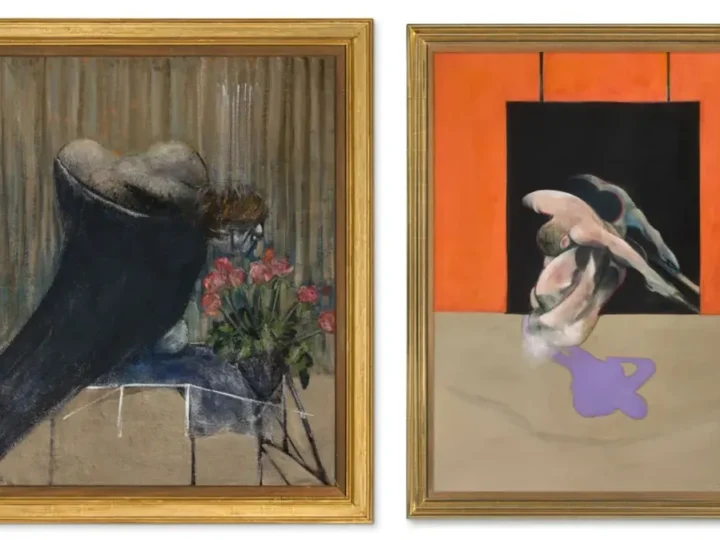
The Monsoon founder’s collection reaches Christie’s during Frieze Week, offering a study in colour, composition and the formation of taste.

THE CURATED EDITION.
Reportage / Paris
David LaChapelle and Blanca Li’s 2025 Loubi Show used a sporting setting to present the Spring/Summer 2026 collection. Choreography changed how the shoes entered the frame.
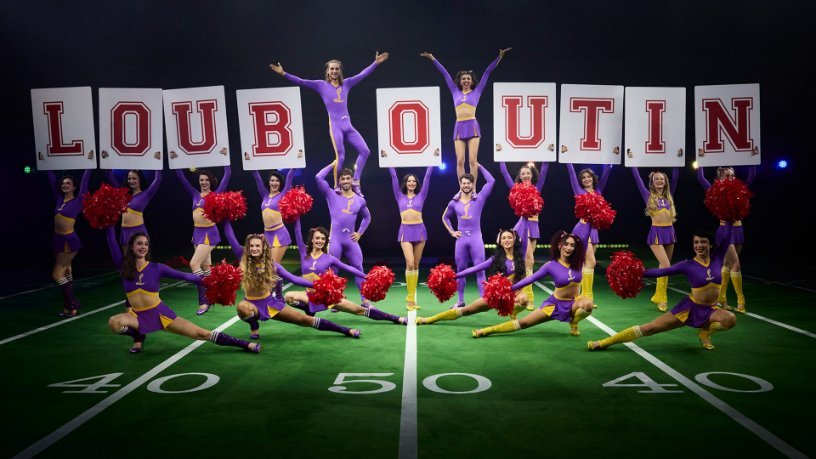
A shoe designed to be worn has a different presence in motion. Christian Louboutin’s 2025 Loubi Show made that proposition explicit by turning a football-field setting into a performance for the Spring/Summer 2026 collection.
The Paris presentation reunited David LaChapelle as artistic director and Blanca Li as choreographer. Their responsibilities were different and complementary: one shaped the visual world; the other organised bodies within it.
The production at Dojo Arena drew on American homecoming imagery, bringing marching-band and cheerleading forms into a Paris fashion event. Its five-act structure gave the presentation a sequence rather than a continuous procession.
The marching band of the Paris fire brigade opened the programme. Cheerleaders, dancers and a live musical performance then placed the collection inside a larger moving ensemble.
These details belong to the 2025 show. They are not an advertised current performance or a public programme with repeat dates.
A conventional runway provides a long axis and a repeated walk. A sporting arena offers a broader field, where action can be organised across several directions.
That changes what the audience must attend to. A shoe can appear as part of a gesture, a team formation or a change in pace, rather than only at the end of a model’s walk.
The red sole is particularly suited to that moving image. Its visibility depends on angle and step. Choreography gives it repeated opportunities to enter the frame without reducing the entire performance to a product close-up.
LaChapelle’s image-making and Li’s choreography are central to the proposition. Naming them gives the production an authorship that a general claim of spectacle would conceal.
The distinction is also useful when reading a fashion show as culture. An environment, a costume, a performance and a collection can overlap without becoming the same creative responsibility.
The preceding 2024 collaboration at Piscine Molitor had used a different setting, involving dance and artistic swimming. The later football-field presentation was another chapter, not the same show described with a new location.
The sporting vocabulary did not make the presentation a competitive fixture. The field, uniforms and collective movement supplied theatrical codes for a fashion event.
That distinction keeps the account proportionate. It can examine the design of the performance without inventing athletic stakes, audience reactions or a first-person experience of the evening.
It also explains why the event belongs in an international culture conversation. A Paris house, an American school-sports vocabulary and two identifiable performance makers met in one production. The interest lies in that translation of form, not in the guest list alone.
The collection was presented through bodies in motion. The stage became a field, and the shoe became part of a larger choreography.
CONTINUE READING
Culture / Reportage
The Monsoon founder’s collection reaches Christie’s during Frieze Week, offering a study in colour, composition and the formation of taste.
Culture / Reportage
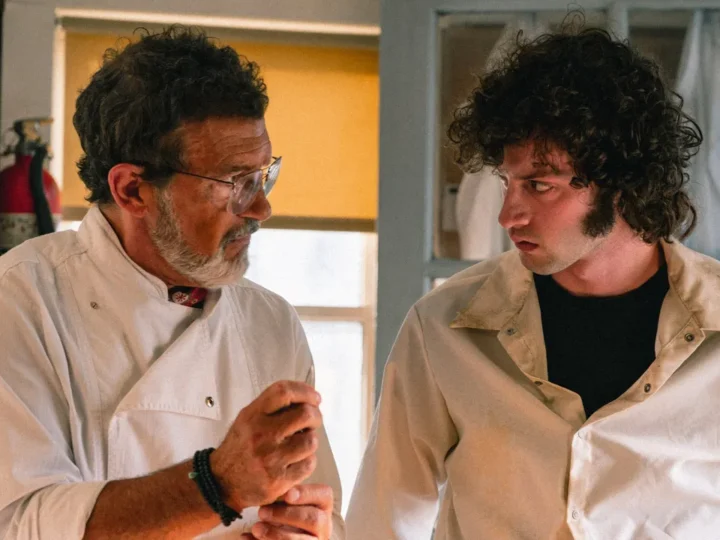
The film’s early-kitchen premise opens a wider conversation about food, apprenticeship and the difference between biography and fiction.
Culture / Reportage
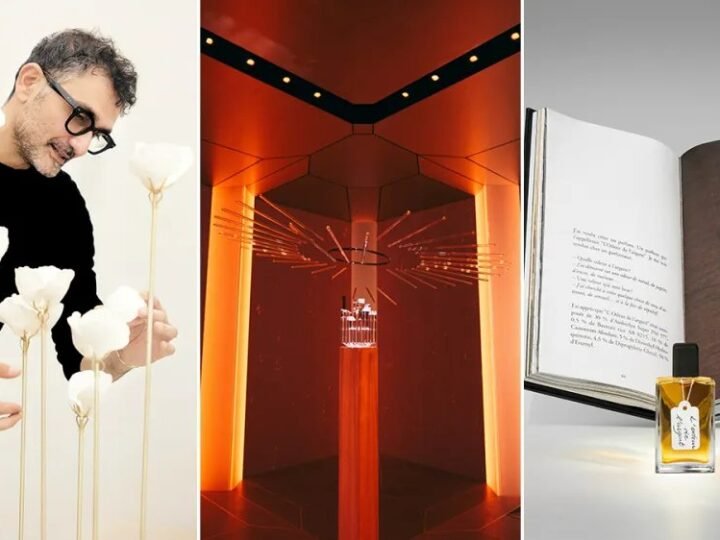
Looking back at the 2025 Palais de Tokyo exhibition, scent emerges as a material for collaboration rather than simply a product to be displayed.