Dining / Reportage
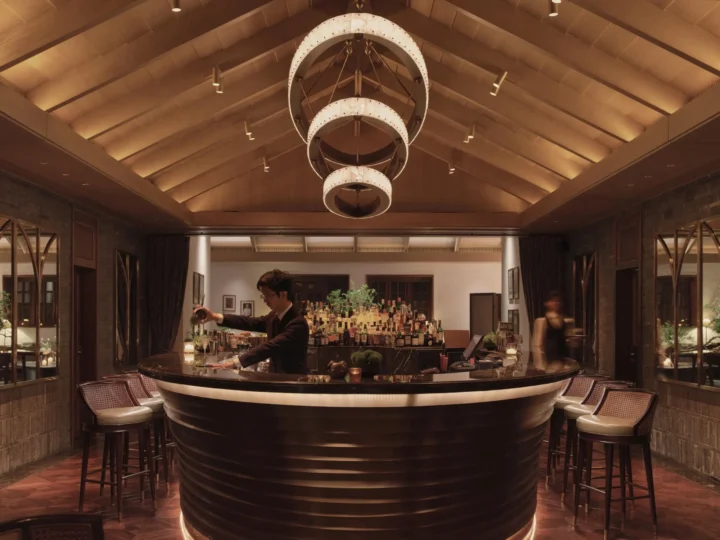
Hotel bars: four rooms that give an evening a subject
From Bemelmans in New York to Library by the Sea in Grand Cayman, a considered hotel bar offers more than a setting for a drink.

THE CURATED EDITION.
Reportage / São Paulo
Fernando Bouzan’s kitchen at Rosewood São Paulo puts regional ingredients inside a brasserie vocabulary. Two dated menus show how that proposition becomes specific.
Blaise’s proposition becomes more interesting when a French form meets an ingredient that changes it. The restaurant at Rosewood São Paulo does not need to erase the brasserie to make room for Brazil. Its menus put the two references to work inside the same dish.
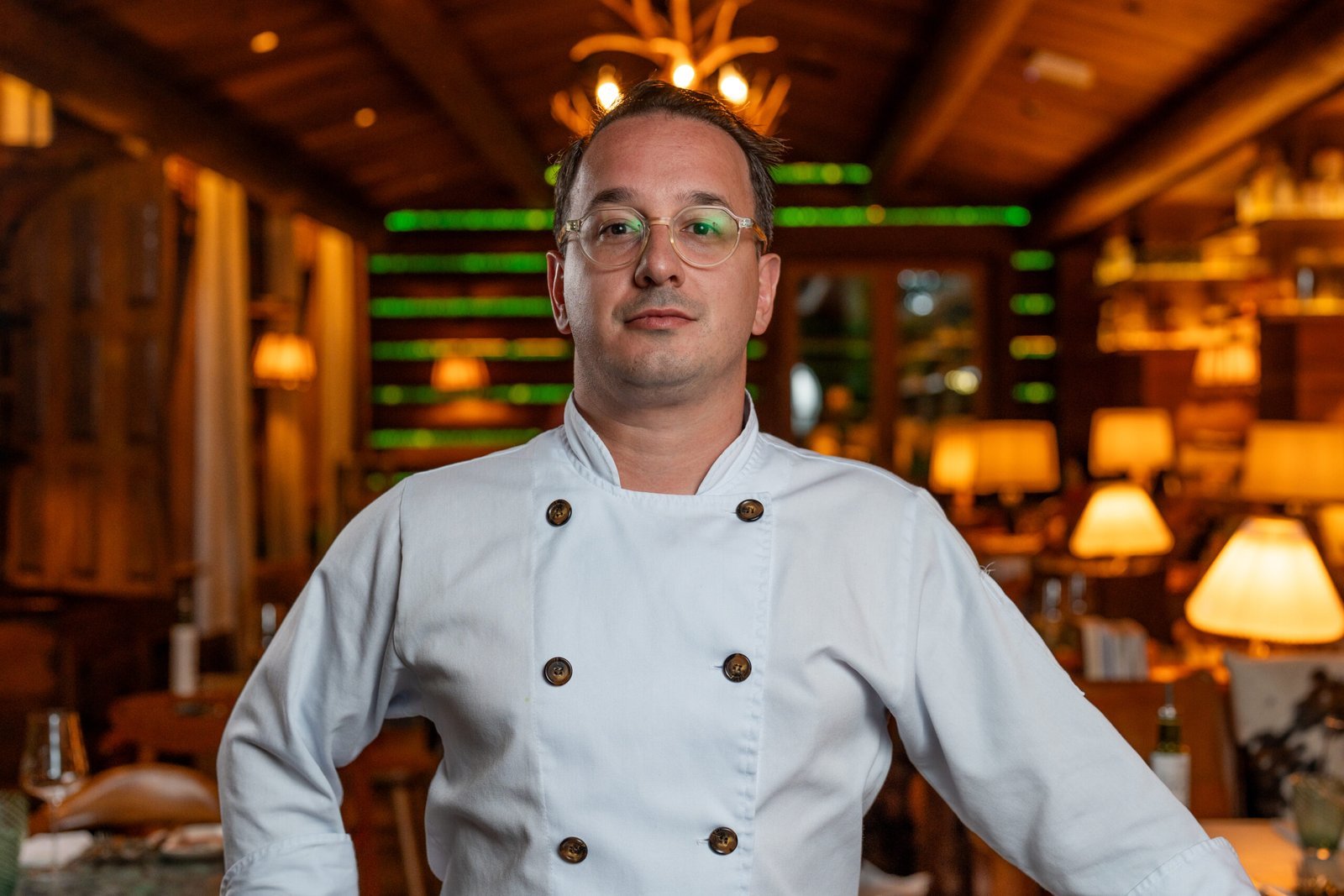
Chef Fernando Bouzan leads the restaurant, which takes its name from the Franco-Swiss writer Blaise Cendrars. The hotel describes a kitchen built around French traditions and Brazilian ingredients, with seasonal produce central to its identity.
Blaise occupies the historic Maternidade Filomena Matarazzo building at Rua Itapeva, 435. The MICHELIN Guide describes an interior of timber, lamps and volcanic crystal stones, with a cabin-like character linked to Cendrars. Those are the guide’s observations, not an account of an Edition visit.
The material references make the name part of the room rather than a label on the door. They do not, however, tell us how the kitchen cooks. For that, the menus provide a more exact route.
The autumn-winter selection presented in 2026 was developed by Bouzan with Rosewood São Paulo’s executive chef, Rachel Codreanschi. Fish crudo brought together Brazil nut, cambuci and fermented pepper. Roasted beetroot appeared with sorrel, buttermilk and licuri. A lamb pithivier placed a more recognisable French form beside Brazilian wagyu with miso and pumpkin rice elsewhere in the sequence.
These are descriptions of that seasonal selection, not promises of today’s service. Their specificity lies in the named products: a pantry with cambuci and licuri says more than an undefined claim to local flavour.
The hotel’s website also links an Experiência menu labelled spring-summer 2025. That date matters. The document is not evidence of the October 2026 menu simply because its link remains live.
In that sequence, pork cheek was paired with peach palm, caramelised onion, onion chutney and a pork jus with tucupi. A blue-cheese tartlet came with native-bee honey. The final preparation used mate across ice cream, cake and chocolate tuiles, giving one ingredient several forms within the dessert.
Read together, the two menus show different ways of making the proposition concrete. One puts a Brazilian product inside a familiar structure; another lets an ingredient recur across several preparations. Neither list can substitute for an independent assessment of execution.
The interest is in that working relationship, not in choosing a national label for the finished plate. French forms remain legible. The pantry supplies another direction.
Read also: Le Jardin’s Brazilian wine selection.
CONTINUE READING
Dining / Reportage
From Bemelmans in New York to Library by the Sea in Grand Cayman, a considered hotel bar offers more than a setting for a drink.

Dining / Reportage
The tribute to Le Grollet pairs a limited cognac with a cooling cabinet, shifting attention from the age of a blend to the sequence of its service.
Dining / Interview
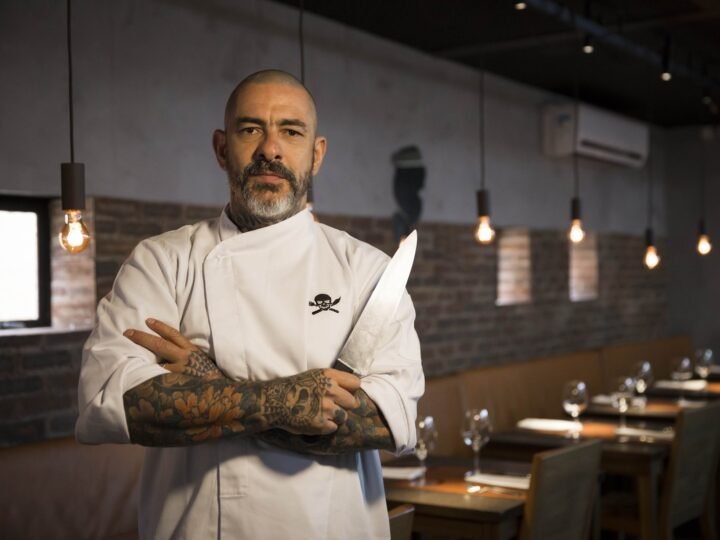
The chef behind Sal, judge of MasterChef Brasil and frontman of a hardcore band.