Culture / Reportage
Peter Simon: the collector’s eye moves from cloth to canvas
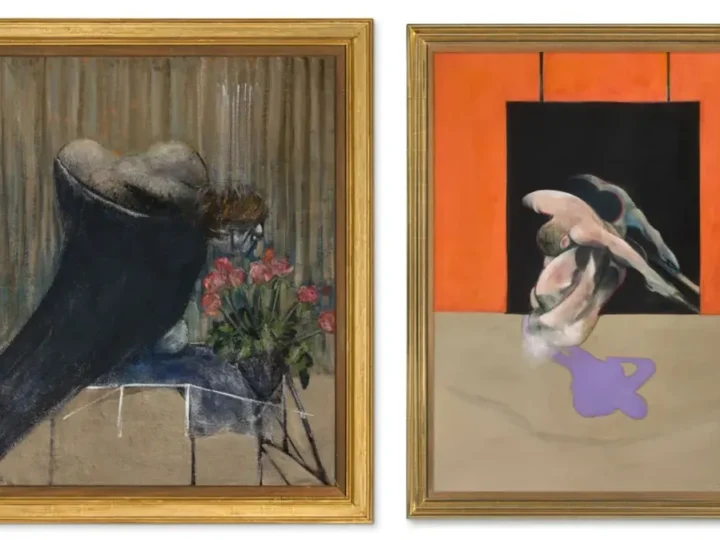
The Monsoon founder’s collection reaches Christie’s during Frieze Week, offering a study in colour, composition and the formation of taste.

THE CURATED EDITION.
Interview / Campinas
The Campinas DJ and club owner on Rock in Rio, Bassiani and why a club in Brazil is a political act.
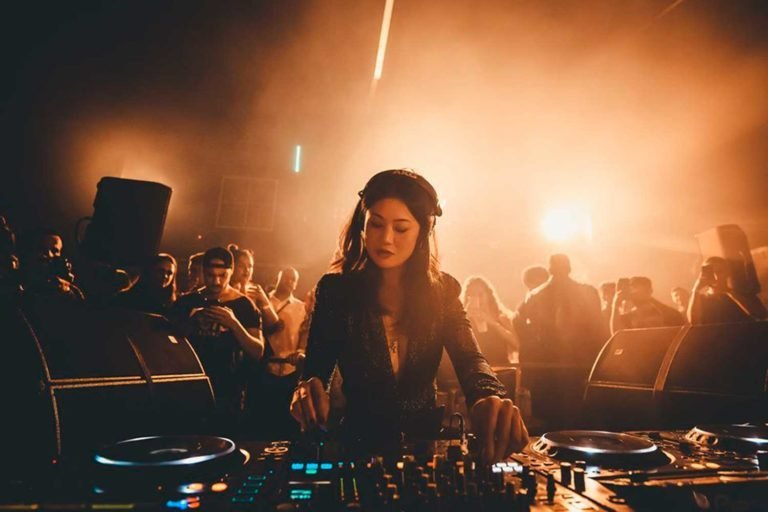
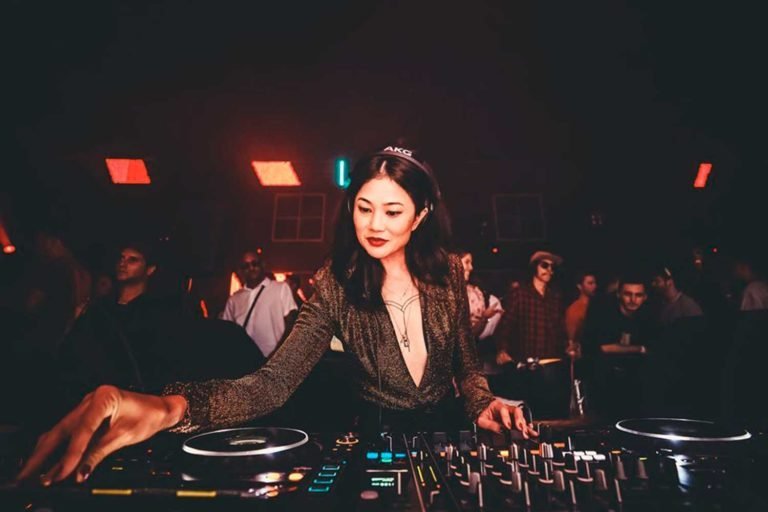
Eli Iwasa is today one of the most respected names in Brazilian electronic music, but her path goes far beyond the DJ booth. Entrepreneur, curator and an essential figure in the consolidation of clubs and festivals, she has built a career that joins the passion of someone who came from the dance floor with the strategic vision of someone who has been behind the scenes in every possible way.
From Campinas to the world, Eli turned dreams into reality, taking her music to iconic stages such as Rock in Rio, DGTL and Tomorrowland, and making her debut at legendary clubs such as Bassiani. In an exclusive conversation with publisher Gabriel Silveirado, the artist revisits her story, shares the backstage of defining moments, reflects on the strength of the Brazilian electronic scene, speaks about cultural resistance and reveals the next steps of a path that keeps connecting Brazil to the world.
How was your passion for electronic music born, and when did you decide you wanted a career as a DJ?
Music has been my passion since I was a child. I started collecting records very early, all kinds of obscure post-punk, gothic and synthpop bands. For one birthday I decided to celebrate at a club that was super hyped; everyone was talking about this place and its DJ. The club was Massivo and the DJ was Mauro Borges. From that day on, I started going on Thursday and Saturday nights, and that is how my clubbing life began.
You became one of the biggest names in Brazilian electronic music. When did you realise this path would be your life?
I always knew I wanted to make a living from music, but as a teenager I thought I would have a rock band, or work producing shows or as a music journalist. I graduated in Advertising and Marketing at ESPM, motivated much more because I knew it was very important to my family. As I always say, I took the diploma and it went into a drawer, where it never came out again. I threw my first party as soon as I finished college and never looked back.
Did running clubs such as Caos, Gate 22 and Club 88 influence your view of electronic culture in Brazil?
My experience was always behind the scenes, whether organising parties, doing bookings, and finally running my own clubs. Success as a DJ came later. I did everything, from handing out flyers on the street to making international bookings, and that gave me not only a 360-degree view but a good understanding of how the market works. Still, I think the most important aspect is that I came from the dance floor. I love all of this passionately to this day, much more than just work. Living it so intensely and so genuinely is what makes me understand, and always remember, what matters in this culture.
I took the diploma and it went into a drawer, where it never came out again.
Eli Iwasa
What were the most unforgettable stages or festivals of your career so far?
My Rock in Rio debut in 2019 was moving, because I brought my father to watch me play. He is of Japanese descent, we come from a humble and conservative family, and he worked very hard to give me a bit more comfort and access to a good education. I think he did not quite understand how I could live and support myself as a DJ, and still he supported me unconditionally. I wanted to share that moment because it was important to him too.
Is there a set you consider a turning point in your career?
The DGTL festival set in 2017. Besides being one of my most listened to, it was one of the big turning points of my career.
What were the biggest challenges in staying relevant in such a dynamic scene?
My biggest fear was always becoming one of those people who think the past was better. I have a natural curiosity that keeps me away from that place. I am inspired all the time by promising talents, and I feel excited by what is new. Stepping out of your comfort zone is important to stay up to date. I am not nostalgic; I believe we are living a very special moment as a Brazilian scene.
This tour crossed Asia, Europe and the Americas. How did it feel to play in such different places?
It was a year marked by many debuts. One day I was in Saudi Arabia, the next in Georgia, and that is a big dream come true. Debuts can be challenging, because I don’t always know what moves people in each country, but that is the fun of it: reading the floor, provoking, testing, and still keeping my identity.
Among so many shows, did any moment mark you in a special way?
Playing at Bassiani. The next day I cried on the phone with my manager, it was so emotional. Being there seemed very far away for an artist from the interior of São Paulo. It was surreal.
You took part in the legendary podcast Beats in Space in New York. How was that experience?
Beats In Space has always been a reference. Radio shows are interesting because you can play anything, and I wanted to showcase productions by Brazilian artists. The set ended up being chosen by Mixmag as one of the best of 2025 so far, and that was very special.
Tomorrowland Brasil is one of the most anticipated moments of the year. What does it mean to you to play this festival?
Playing Tomorrowland is on the bucket list of many DJs. It is a reaffirmation as an artist, to see your work recognised at a festival of that scale. I love that it is broadcast, that I can connect with people all over the world and be immersed in an impeccable production.
You often say that running a club in Brazil is almost a political act. Can you explain?
Campinas is a traditionally conservative city, and there is still a lot of prejudice against electronic music. We have no public policies that support clubs and events that promote diversity. These spaces are more than places for music; they are safe places that give visibility to artists from the LGBTQI+ and peripheral communities. Caos was very important in that sense, although it faced resistance.
What did you learn from the different local scenes you encountered on tour?
Each scene is a reflection of local culture. Playing in the Middle East was fascinating, because I could bring a bit of mine and at the same time learn about their customs. The most important thing is respect, without judgement.
How can electronic music be a bridge between cultures and an instrument of social transformation?
Music communicates without words and connects people from all over the world. It was born as the voice of minorities and, even though it has become mainstream, it still has the power to provoke discussion, to take a stand against abuse and inequality, and to move communities toward change.
Your label Heels of Love was born in 2024. What are the next steps?
The next release will be a mini-album, which is bold for a young label. We also already have a party scheduled in the Northeast, which will be very special.
What can we expect from you in the coming months?
I am in the studio with Mau Maioli for our next EP and also in a collab with one of my favourite producers.
What advice would you give young DJs and producers?
Don’t be in a hurry. Enjoy every achievement, small or large. Trust your work and what you believe in, because only you know what is best for you.
You travel the world for work, but how do you turn these trips into personal experiences too?
I make the most of every trip. I want to know the local culture, try typical foods, learn about the history of the place. That enriches me not only as a person but also my artistic baggage.
Which recent destinations marked you for their culture and energy?
I am in love with Tbilisi, I love Istanbul, and I always feel at home in Ibiza and New York.
When you are on tour, can you still make time for food?
Yes, I travel to eat. I plan itineraries around restaurants I want to try. In Barcelona, for example, I like Bar Brutal and Cañete, and I discovered Cruix, which has a wonderful tasting menu.
What travel tips would you leave for fans?
Be curious and interested. It is possible to balance clubbing and culture, respect the history of each place, learn and live unforgettable experiences. The most valuable thing is to collect memories.
A girl in Campinas collected obscure records, walked into a club on her birthday and never looked back. Years later, with her father in the audience at Rock in Rio, Eli Iwasa was still doing what she had always done: following the music, and bringing people along.
Gabriel Silveirado
CONTINUE READING
Culture / Reportage
The Monsoon founder’s collection reaches Christie’s during Frieze Week, offering a study in colour, composition and the formation of taste.
Culture / Reportage
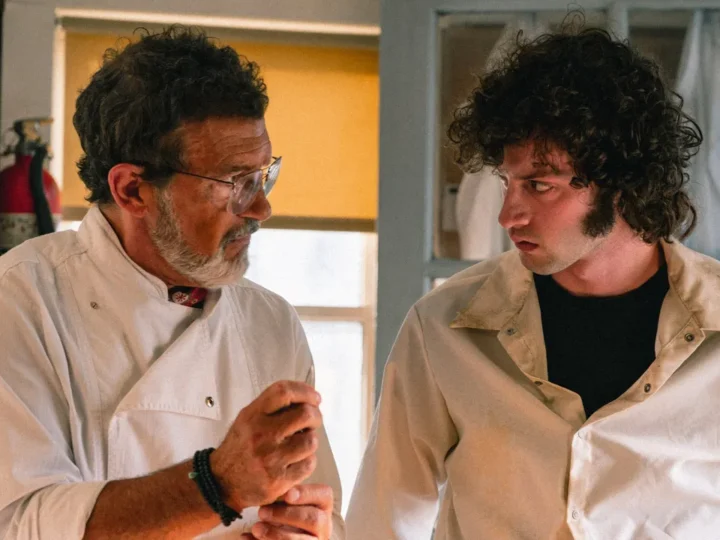
The film’s early-kitchen premise opens a wider conversation about food, apprenticeship and the difference between biography and fiction.
Culture / Reportage
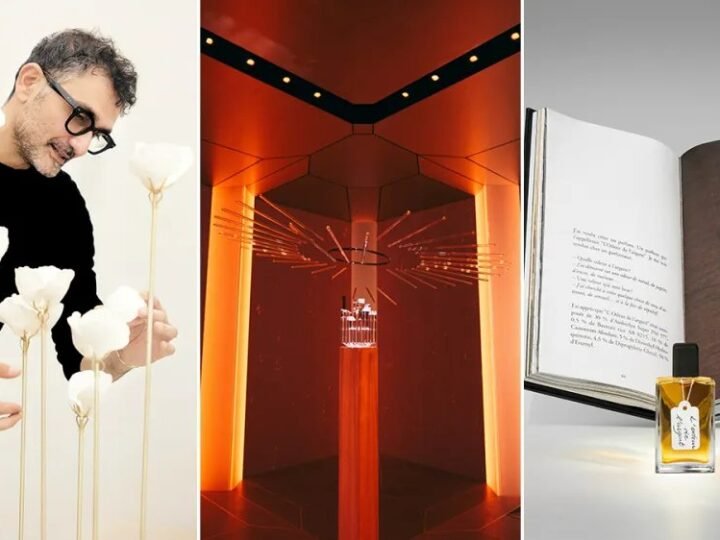
Looking back at the 2025 Palais de Tokyo exhibition, scent emerges as a material for collaboration rather than simply a product to be displayed.