
Design / Reportage
Bombardier Global 8000: the journey inside the range figure
Beyond maximum speed, the aircraft raises questions about cabin planning, real-world routing and how long-distance travel is organised.

THE CURATED EDITION.
Reportage /
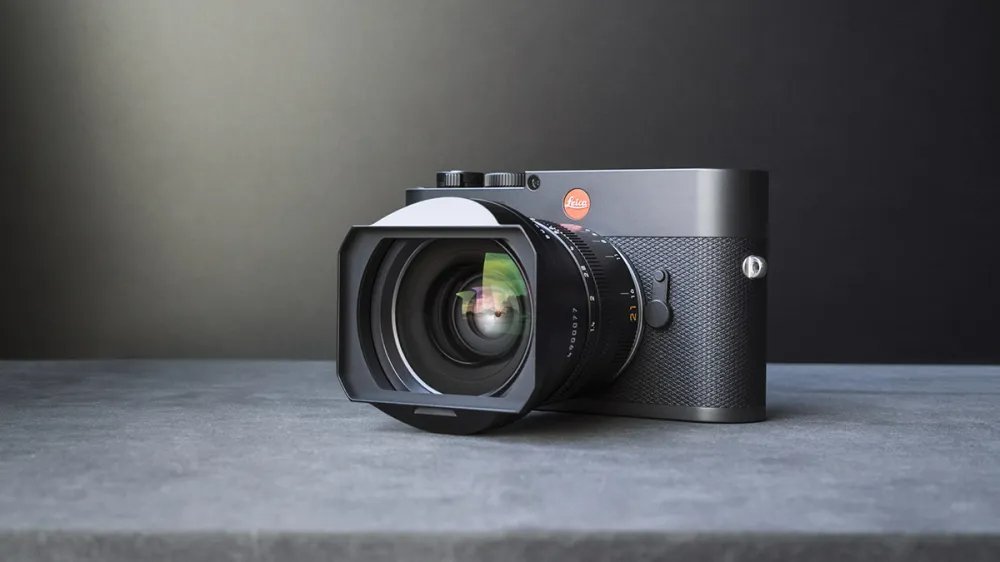
The first M with an integrated electronic viewfinder shifts the focusing experience without removing the photographer’s role.
WAYFARER · DESIGN
The identity of a camera lives partly in the image and partly in the decisions made before it. Leica's M EV1 changes the second part of that equation. By bringing an electronic viewfinder into the M body, it alters the way the photographer sees and judges focus. The question is not whether tradition has been abandoned. It is which part of the tradition still needs to be performed by the person holding the camera.
Leica identifies the M EV1 as the first M camera with an integrated electronic viewfinder. The distinction concerns the interface between eye, lens and sensor, rather than a change of lens family. Its specification retains the Leica M bayonet, while placing a digital image inside the photographer's line of sight.
An optical rangefinder and an electronic viewfinder invite different kinds of attention. One asks the photographer to work with an optical system and infer the final picture. The other makes the sensor's view available during composition. Neither is a neutral window. Each encourages habits, and habits are a large part of what photographers mean when they describe a camera as intuitive.
The cultural importance of this change is therefore greater than the replacement of one component. A device associated with a particular ritual is offering a different ritual, while leaving the M name on the front. That tests whether attachment to a system rests on its handling, its lenses, its history or some combination of all three.
An electronic finder should not be confused with a decision to automate the entire photographic act. The photographer still has to choose where to stand, what to include and when a frame is finished. Greater visual assistance can make a technical judgement easier; it cannot supply the judgement about the picture itself.
This is an important distinction in discussions that divide equipment into romantic and technological camps. A tool can change the ease of one operation without determining the quality of the result. A more legible view may help a photographer work confidently, but confidence and intention are not the same thing.
Leica's technical sheet lists a 60.3-megapixel full-frame BSI CMOS sensor, 64 GB of internal storage and SD-card support. The body weighs approximately 495 grams with its battery. These figures describe resolution, storage and carrying weight. They do not establish that the camera is better suited to every assignment or that a larger file necessarily contains a more consequential photograph.
For travel and street work, the useful questions are personal and concrete. Does the finder support the way the photographer frames? Does manual focusing encourage attention or interrupt it? Is the resulting workflow manageable after a day of shooting? A specification becomes meaningful when it answers one of those questions.
The strongest case for the M EV1 is not that it makes an older approach obsolete. It expands the ways an M camera can be used. A photographer can value the lenses and the deliberate handling without requiring every interface to remain unchanged.
The camera changes the view. The decision about what deserves to be seen remains outside it.
Details and further reading: The M electronic viewfinder · M EV1 technical specifications.
Instagram: @leica_camera.
GABRIEL SILVEIRADO, FOR WAYFARER.
CONTINUE READING
Design / Reportage
Beyond maximum speed, the aircraft raises questions about cabin planning, real-world routing and how long-distance travel is organised.
Design / Reportage
The Volkswagen-Porsche collaboration offers a different route through sports-car history, defined by engine placement and radical proportions.
Design / Reportage
Amor à Vida, Sirena 42M and Sunreef 100 Eco make a case for reading yachts through their layouts and engineering briefs.