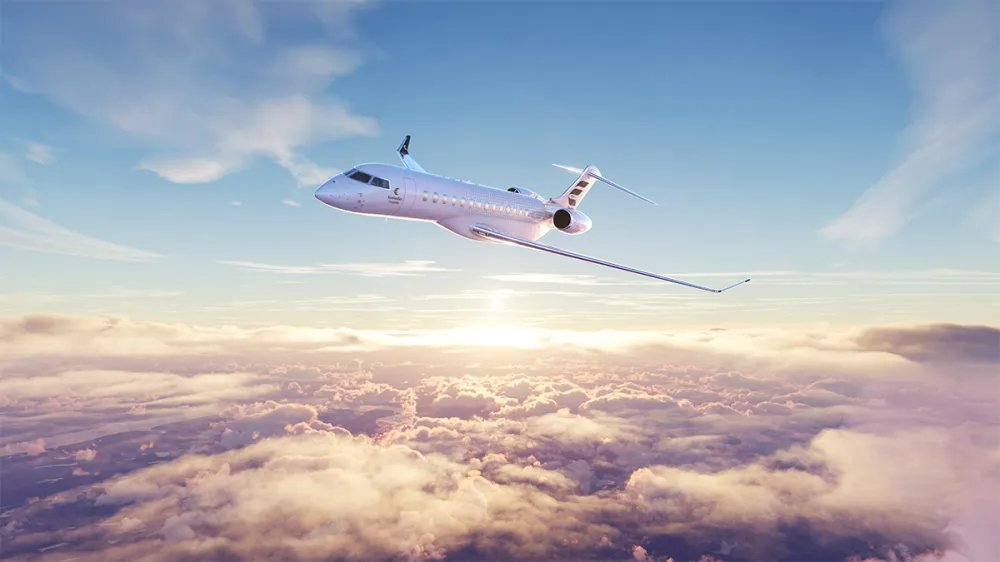
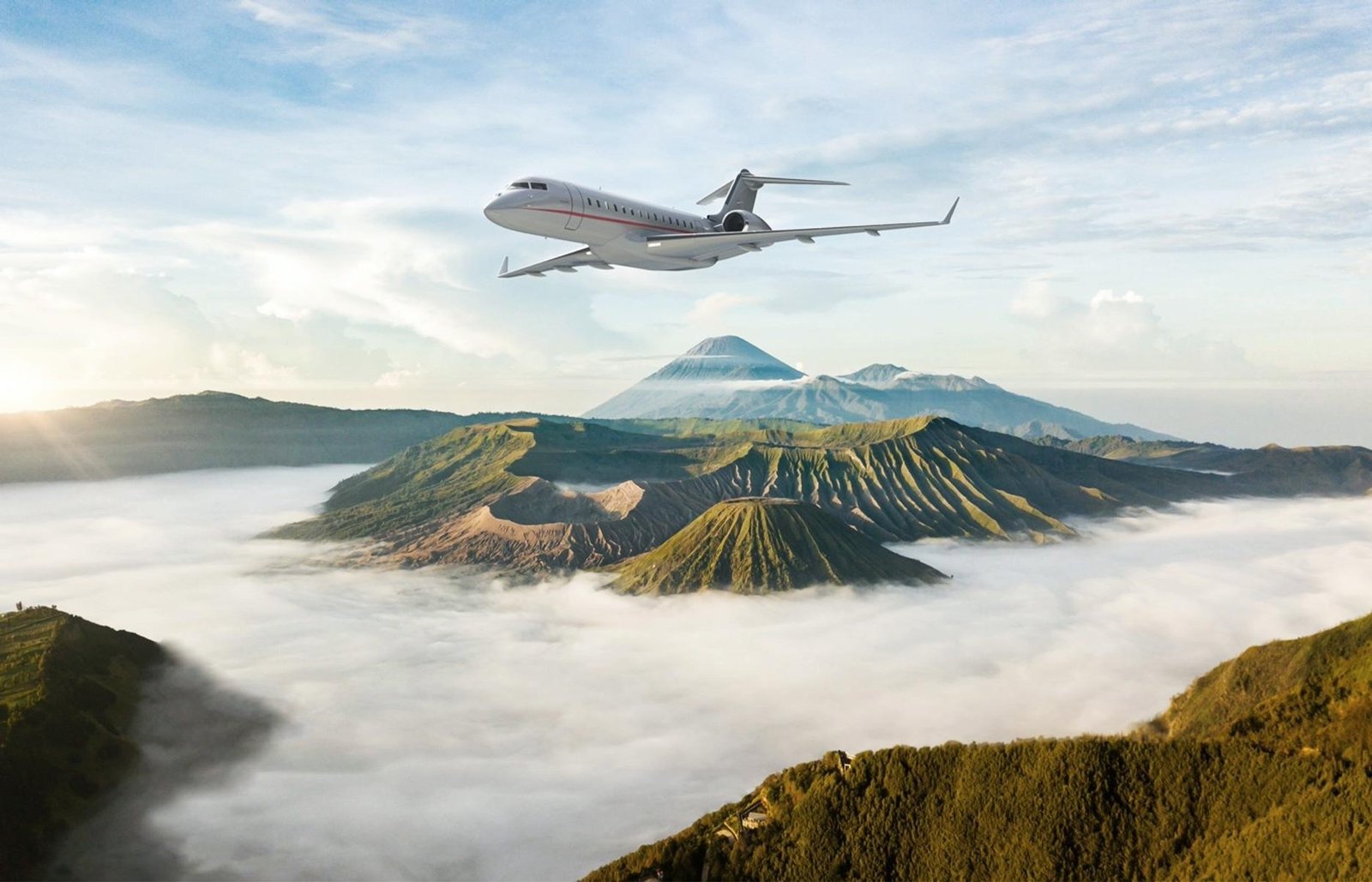
Bombardier’s Global 8000 became an operating aircraft with the delivery of the first example to Canadian businessman and former professional hockey player Patrick Dovigi. The ceremony took place at the manufacturer’s assembly centre in Mississauga, Ontario, on 8 December 2025, marking the entry into service of a programme built around speed, long-distance capability and cabin comfort.
Dovigi replaced his Global 7500 with the new aircraft. The move kept him within the same family while introducing the performance gains that distinguish the 8000. For Bombardier, it was the moment at which a development promise became an aircraft in an owner’s hands.
Speed and range, read separately
The headline is a maximum operating speed of Mach 0.95, which Bombardier described at entry into service as the fastest capability of a civil aircraft since Concorde. The published range is 8,000 nautical miles, placing very long nonstop journeys within the aircraft’s planning envelope.
Those two figures describe different conditions. Maximum speed and maximum range are not achieved simultaneously, and an individual route depends on the payload, weather, reserves and operating plan. The significance is the breadth of the envelope: a high maximum speed combined with a long-range platform, rather than a promise that every pair of cities can be connected under any conditions.
The Smooth Flex Wing remains part of the family’s engineering approach, supporting the combination of high-speed travel and lower-speed handling. It is one of the less visible elements behind a cabin whose comfort depends on the airframe as well as its furnishings.
The environment inside the aircraft
Bombardier specifies a cabin altitude of 2,691 feet while the aircraft is flying at 41,000 feet. The manufacturer presents that low cabin altitude as a central part of its passenger-comfort proposition, particularly on long intercontinental sectors. It should not be read as a guarantee against fatigue or jet lag.
Inside, four living zones and a separate crew-rest area organise the time on board. Work, meals and rest can occupy distinct parts of the cabin rather than compete for the same seats throughout a long flight.
The Pur Air system provides fresh-air circulation, with Bombardier describing a complete replenishment in as little as 90 seconds. Sôleil lighting is designed around circadian rhythms, while the Nuage seating system includes a reclined position intended to support the body during extended journeys. Together, these systems make comfort a matter of air, light and posture rather than upholstery alone.
A programme reaches its first owner
At the handover, Bombardier president and chief executive Éric Martel connected the delivery to the work of the company’s teams and the fulfilment of its performance commitments. The first owner’s arrival was therefore also a milestone for the people who had brought the programme through development and into service.
The Global 8000 now joins speed and range to a cabin designed for the hours between departure and arrival. Its achievement is not only the number at the top of the specification sheet. It is bringing that performance into an aircraft whose interior can support the duration of the journey.
Four Seasons, Aman, Maybourne, Belmond and Mandarin Oriental now sell the journey as part of the stay, from helicopter transfers into London to 23-day circumnavigations at $238,000 a head. Who flies, why, and what is really being bought.
At the back of Los Angeles International Airport sits a terminal with no queue, no crowd and no gate. What PS costs, who uses it, and why travellers who do not fly private have decided to pay not to wait.
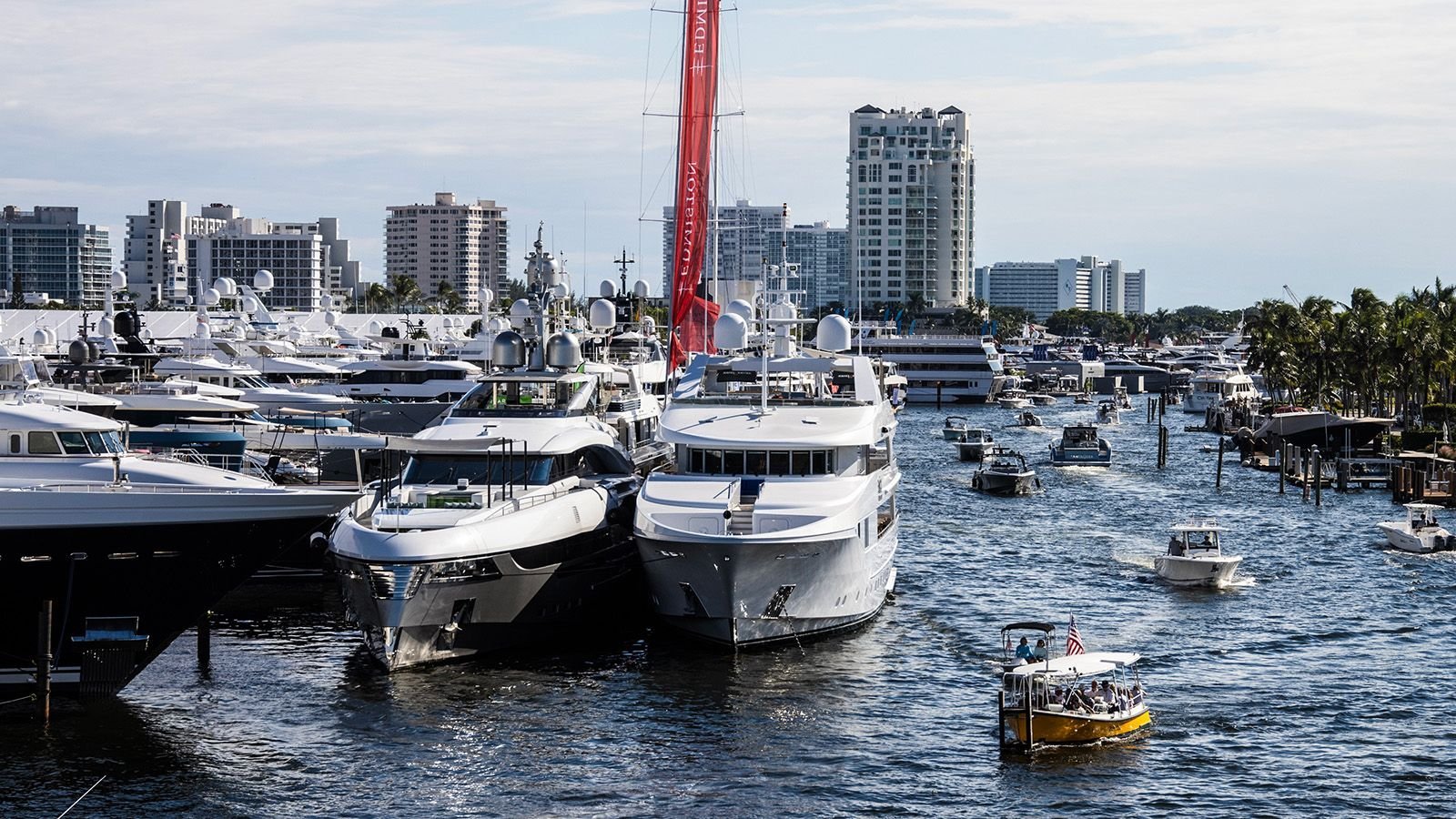
More yachts, more debuts and a shorter average length: Fort Lauderdale 2026 suggested that owners now judge a yacht by how it is lived in, not by its metres.
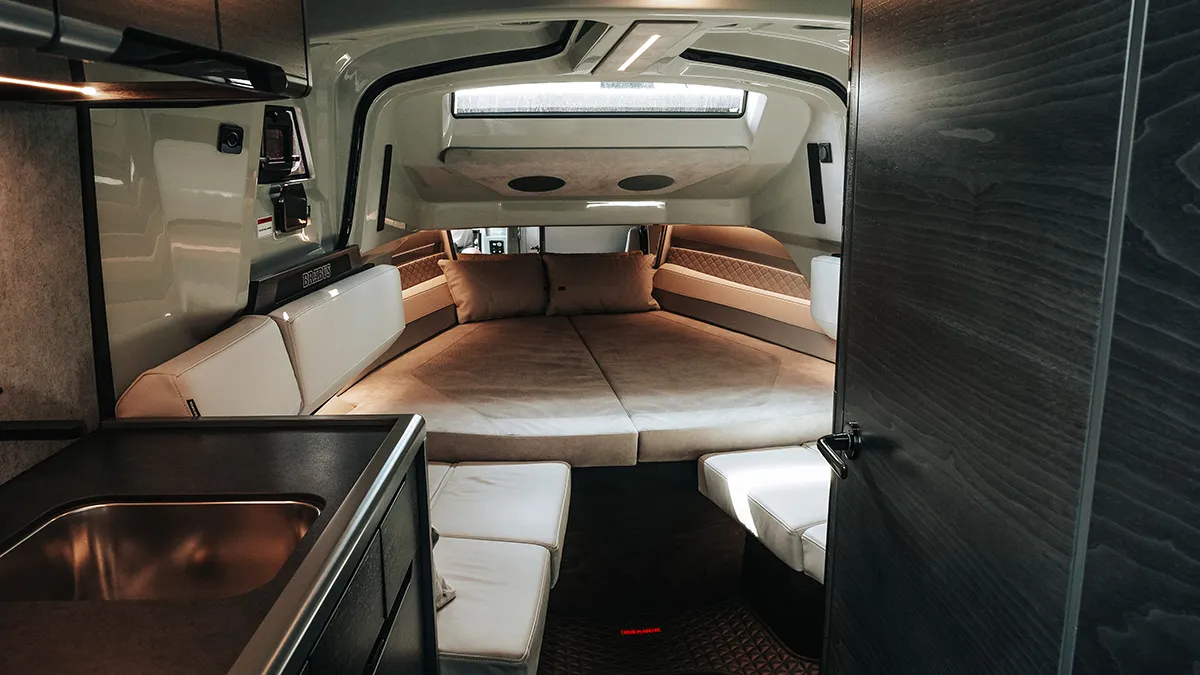
Brabus's marine programme applies an automotive sensibility to the water without treating a boat as a car with a different surface beneath it. The Shadow 38 platform makes that distinction clear. At approximately thirty-eight feet, it combines the practical language of an Axopar-derived hull with the more deliberate materials, colours and equipment associated with Brabus.