Dining / Reportage
50 Best 2026: Etxebarri is finally No.1, and Japan has left the building
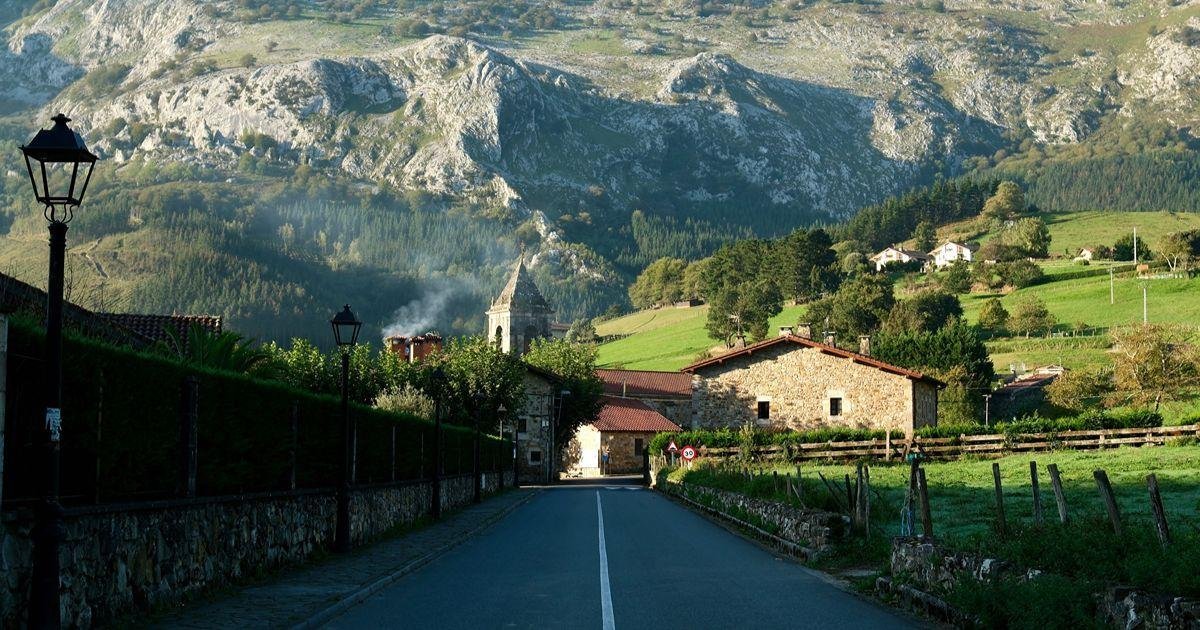
After two years as runner-up, Asador Etxebarri tops The 50 Best Restaurants 2026. Sixteen names change in the top 50, and Japan disappears from it.

THE CURATED EDITION.
Interview / Rio de Janeiro
A year in Japan, a pandemic and a policy of scarcity shaped Oteque, the chef's restaurant in Rio de Janeiro, where growers, the rhythm of the team and the needs of each guest sit at the centre of the table.
DINING · THE INTERVIEW
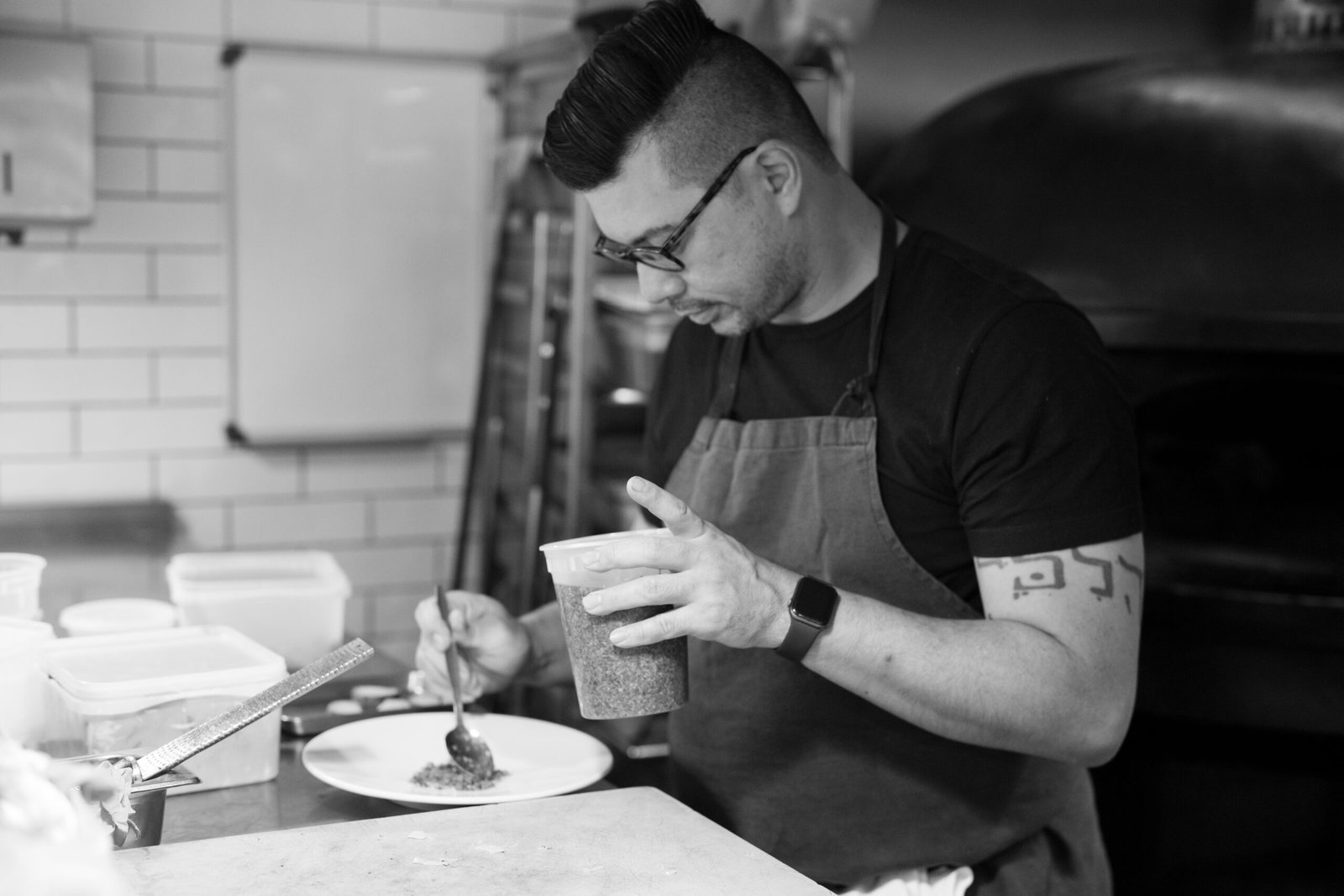
Some kitchens are built to impress. Alberto Landgraf built his to pay attention. At Oteque, a discreet house in Botafogo, Rio de Janeiro, the chef has turned precision into something quieter than technique: a way of noticing the person who grew the carrot, the cook at the next station and the guest who has come to dinner for a reason of their own.
The restaurant has earned its place without raising its voice. It holds a Michelin star and ranked No. 37 on The World’s 50 Best Restaurants in 2024, built on an eight-course seasonal tasting menu, local produce and ethical farming. Landgraf spoke to WAYFARER about the two turns that made it, the economics of rarity and what hospitality really asks of a kitchen.
“Oteque was born out of two major turning points in my life,” Landgraf says. “The first was in 2015, when I closed my previous restaurant, took a sabbatical year and went to live in Japan. There I saw what respect, silence and precision mean. That is where I understood that minimalism would be the way. The second was the pandemic. It made me rethink everything: what really matters in a restaurant, in a life. It is not about awards. It is about taking good care of others.”
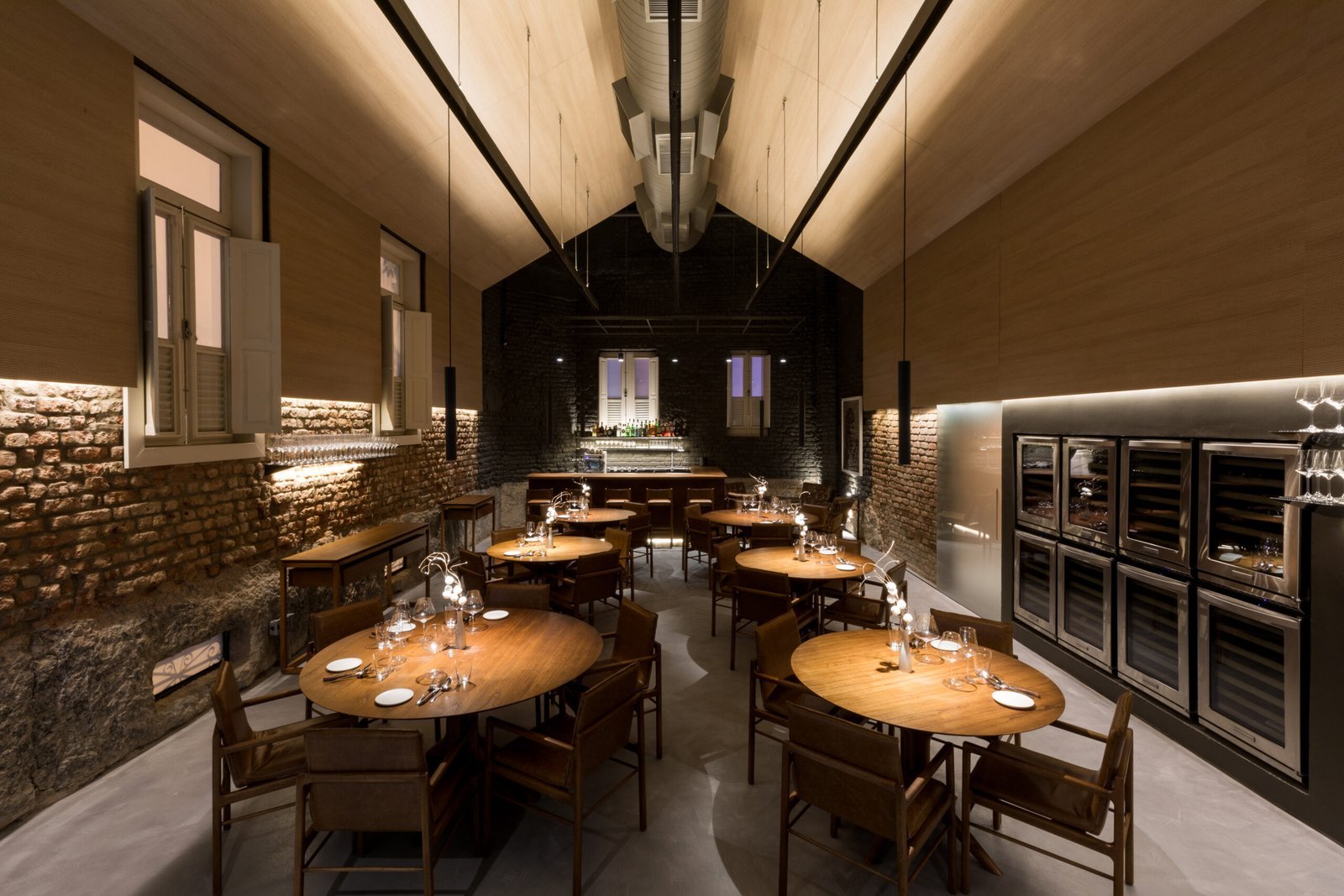
The room carries that lesson. An open kitchen, visible from a dining room of exposed brick, few tables and a calculated quiet. “Everything there reflects me. From the team’s clothes to the flow of service, including the soundtrack. Our audience is young, so the music is light and casual too. We do not want to teach anything, just create a space where each person lives their own evening.”
With a lean team, Oteque delivers one of the most refined experiences in Latin America, and much of that comes from what Landgraf calls a policy of scarcity. Rarity is not only a way to raise the perceived value of dinner. It protects the people who make it.
“When you offer something rare, you change the perception of value and, in our case, that also allows a more sustainable, happier pace of work.”
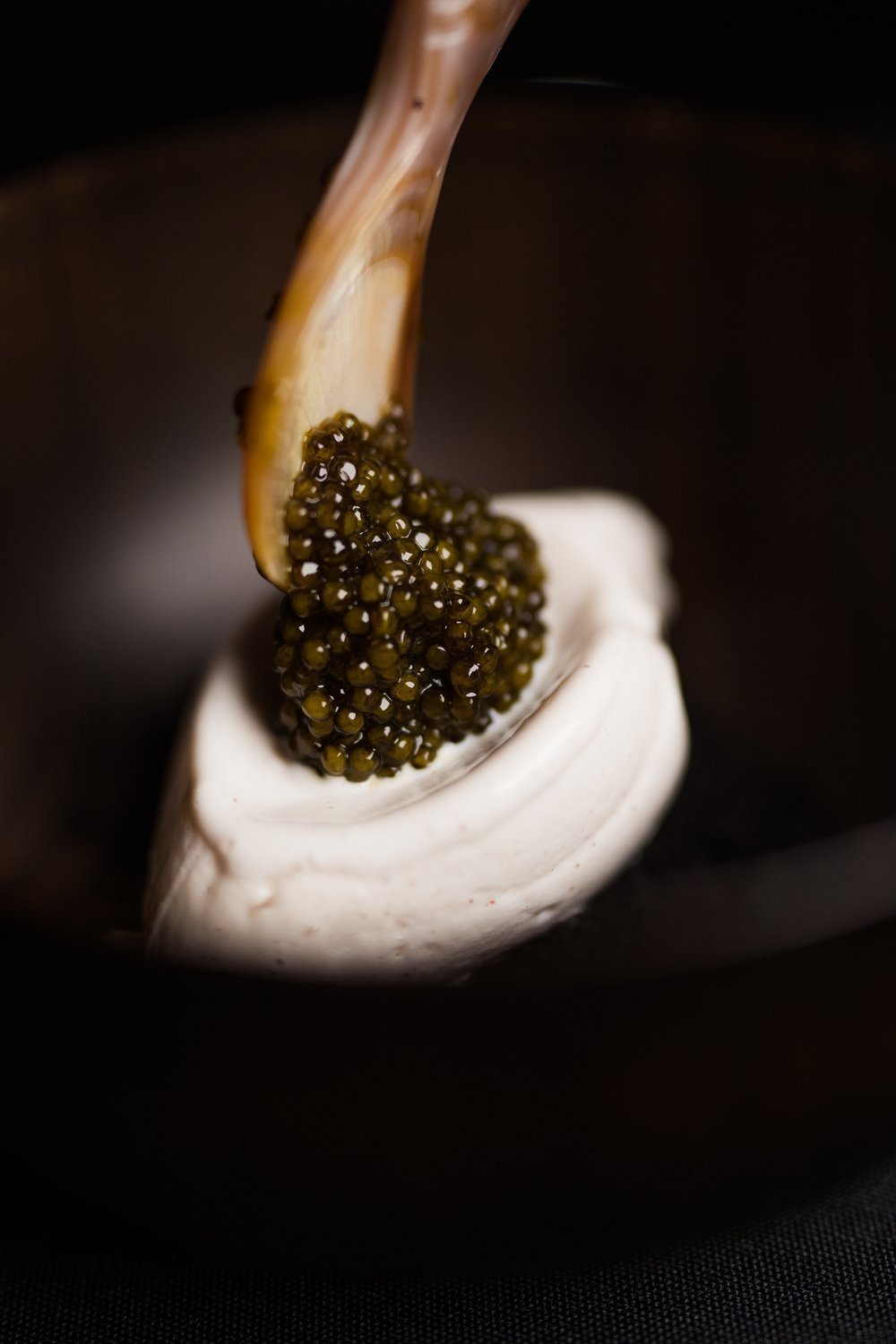
The same restraint governs the details of service. There are no logos on display; everything, from the cutlery to the sound in the room, is chosen for a sense of quiet elegance. The wine list, curated by sommelier Leonardo Silveira, includes bottles that are hard to find even at international auctions. “It is quiet work, but it helped put Oteque on the map of the wine world. The criterion is always the same: quality.”
Landgraf resists the idea that a place can be summed up in a handful of emblematic products. Its identity lives just as much in a carrot grown by a family in Brejal, in the mountains above Rio, as in any celebrated ingredient.
“Valuing the ingredient means valuing the person who grows it. Our suppliers are all on the restaurant’s website, from the duck producer to the technician who cleans the air conditioning. Showing those names is also a way of showing the country.”
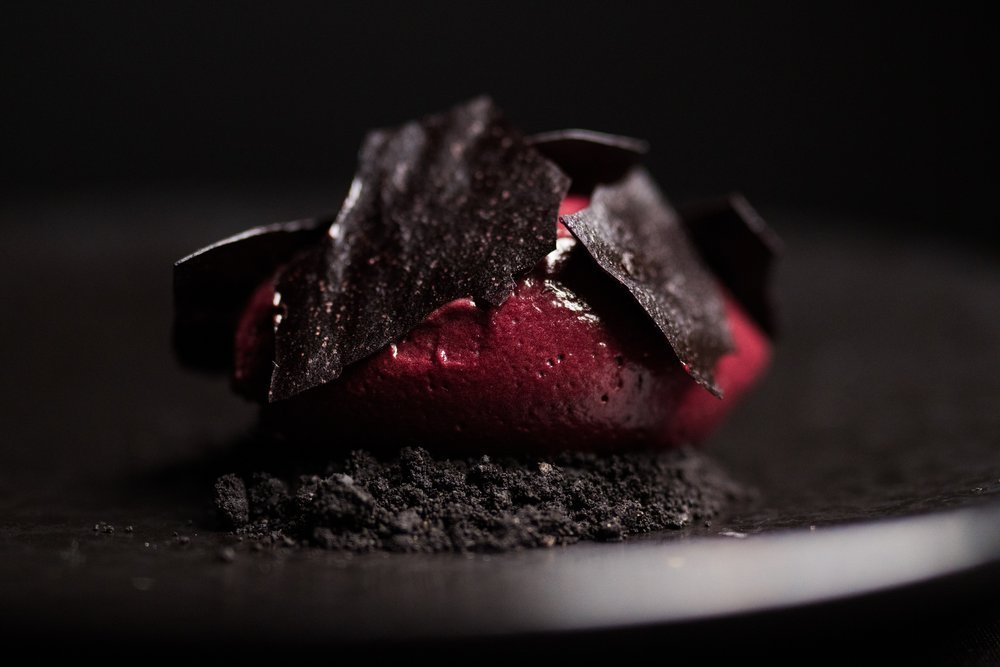
It is a practical point and a philosophical one. A restaurant is a network of labour, not the achievement of a single name above the door, and making that network visible changes the story a kitchen tells about where it comes from.
“Valuing people is just as important as valuing an ingredient.”
Alberto Landgraf
A proposal, a business dinner and a meeting of old friends may sit at the same table on different nights. They do not ask for the same service. “Our role is to listen and adapt,” Landgraf says. “The experience is not about what we want to impose, but about what each person comes looking for. That is hospitality: to notice, and to deliver with precision and generosity.”
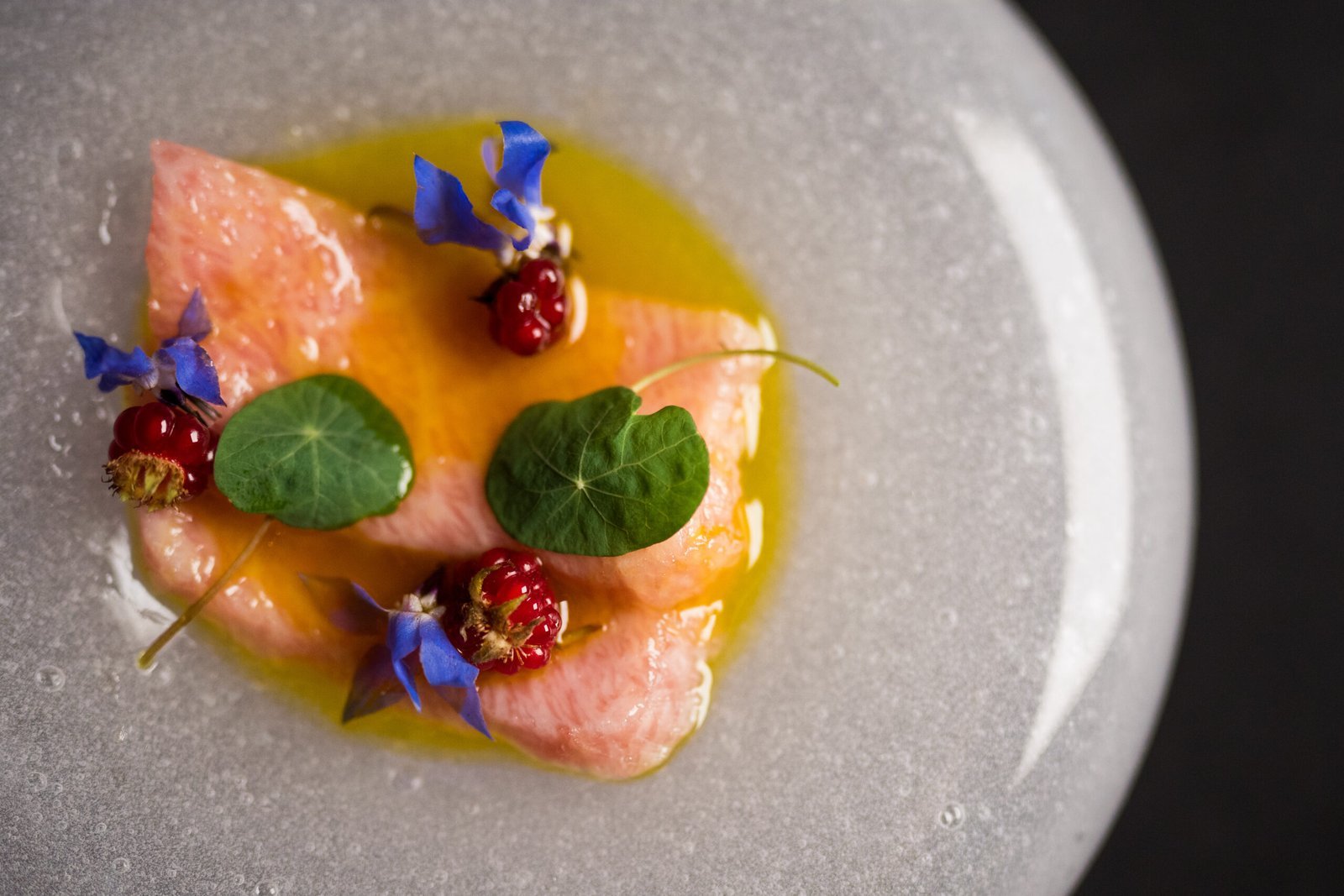
Some kitchens are built to impress; Oteque was built to notice. In a room that never raises its voice, the most precise thing on the table is not the plating. It is the attention paid to everyone who made the evening possible, and to the one who came to share it.
Details and further reading: Oteque, Rua Conde de Irajá 581, Botafogo, Rio de Janeiro. Dinner Tuesday to Saturday, seasonal tasting menu. Oteque on The World’s 50 Best
Instagram: @oteque_rj.
GABRIEL SILVEIRADO, FOR WAYFARER.
CONTINUE READING
Dining / Reportage
After two years as runner-up, Asador Etxebarri tops The 50 Best Restaurants 2026. Sixteen names change in the top 50, and Japan disappears from it.

Dining / Reportage
With the Alba fair open until 6 December, Turin is the natural base for white truffle season. A day in the city, from a morning bicerin to dinner on the sand at Carignano.
Dining / Reportage
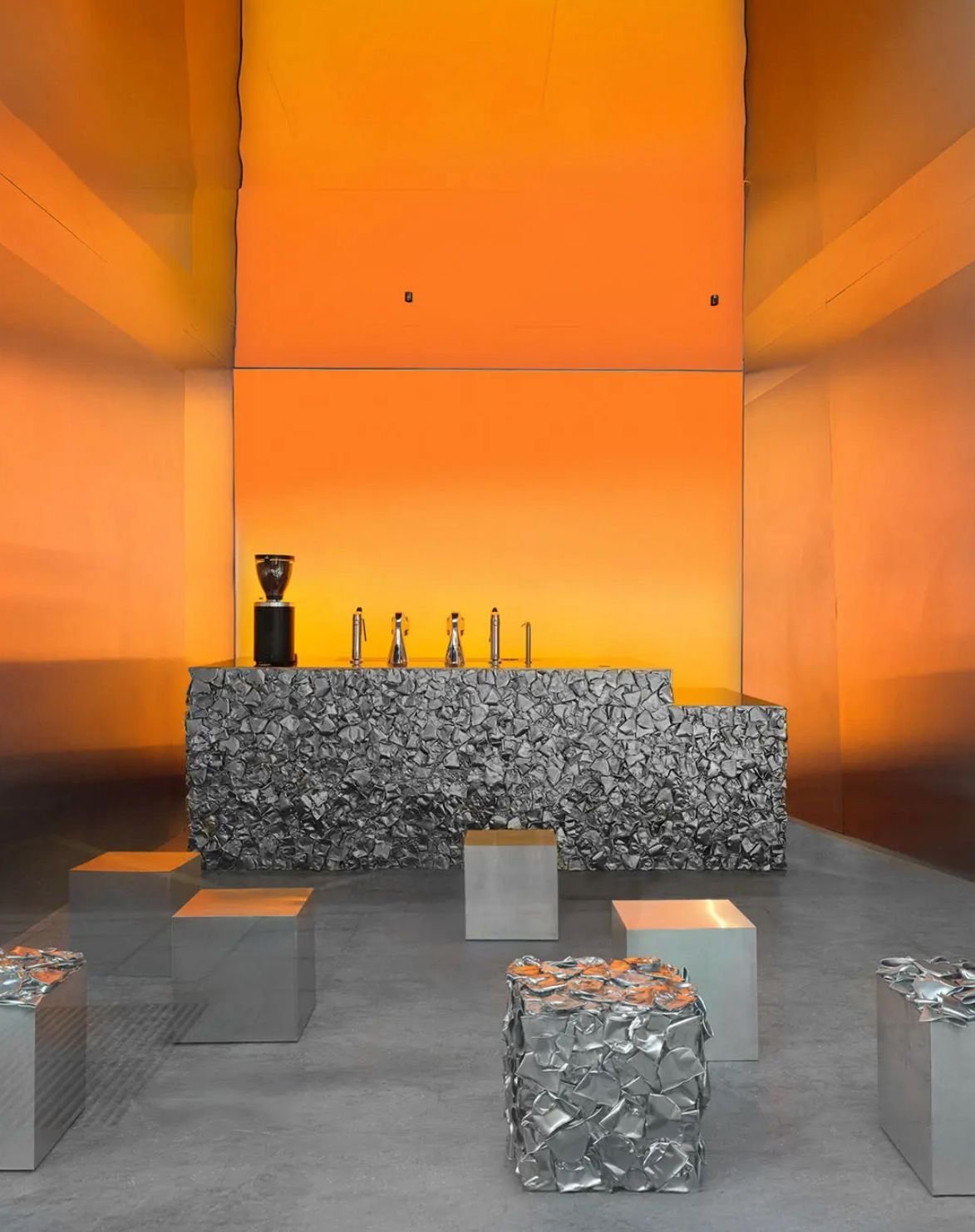
From a shoebox counter in the Haut Marais to a Japanese roastery that seems to stop the clock, the Paris cafés where coffee is treated as craft rather than habit.
Dining / Interview
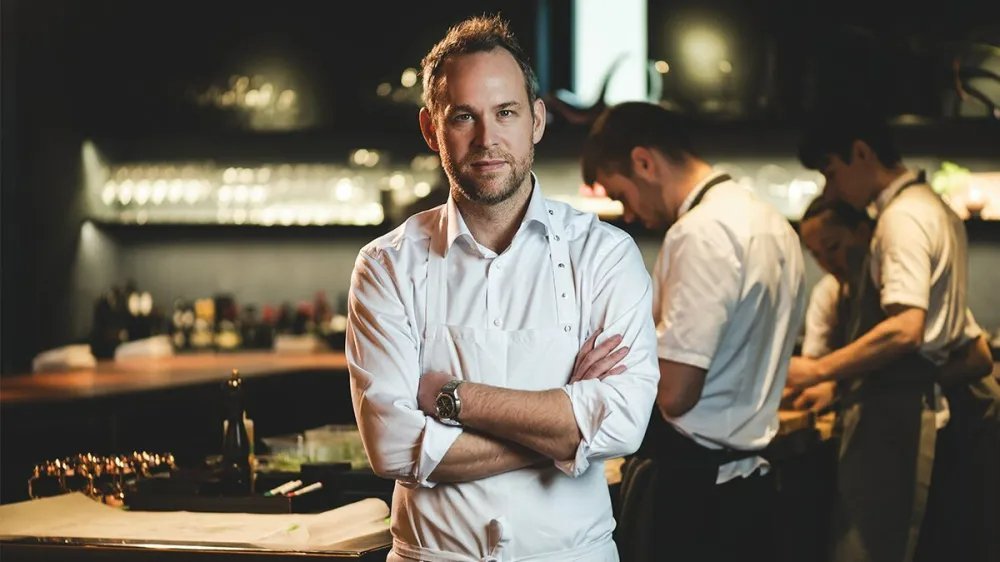
The Swedish chef is the only person in the world to run three three-Michelin-star restaurants at once.
Dining / Reportage
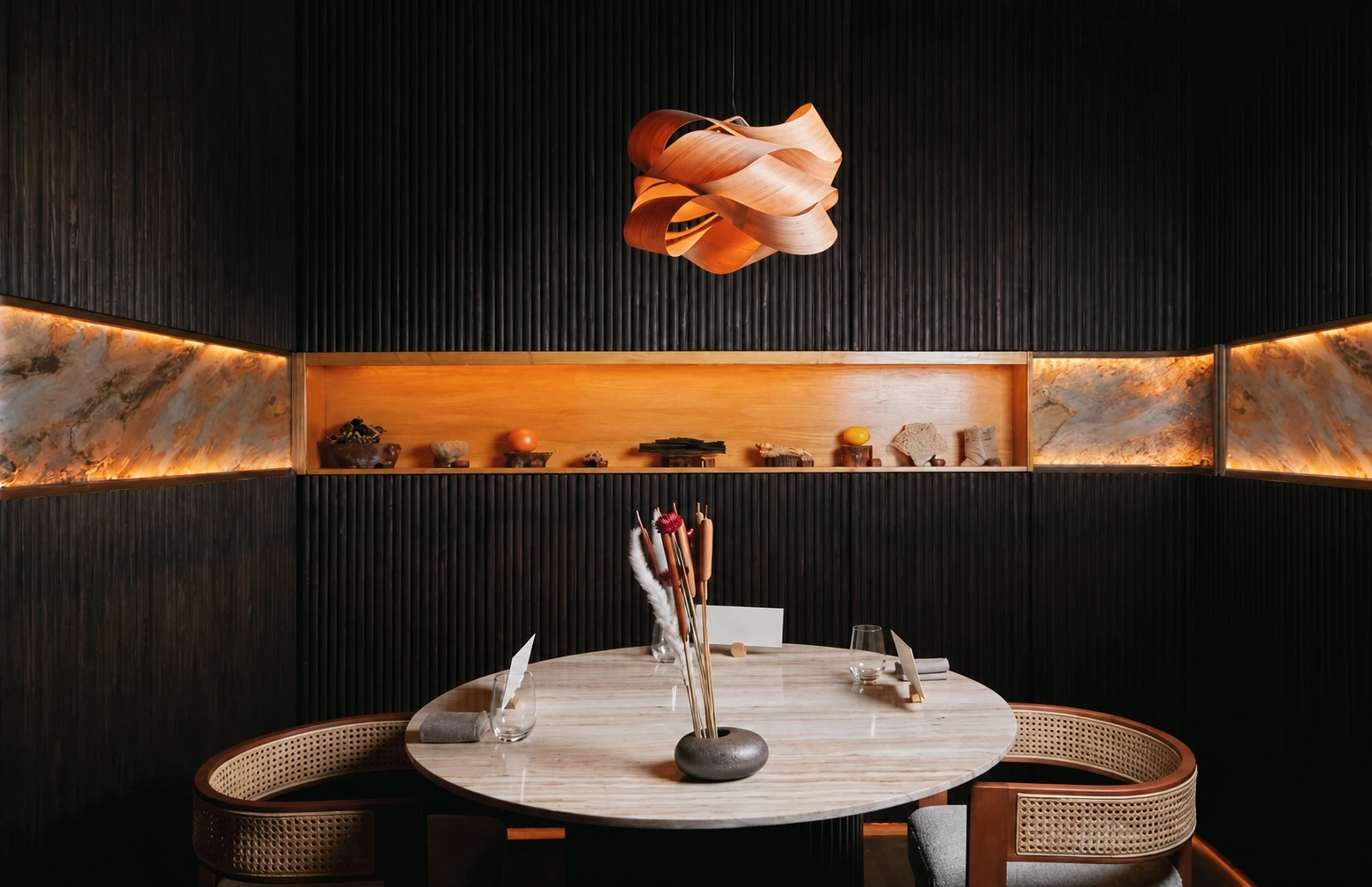
Sixteen seats on Westbourne Grove, a corridor of raw ingredients at the door and a tasting menu shaped by two years in Japan. Victor Garvey’s MATER1A works at close range.
Dining / Reportage
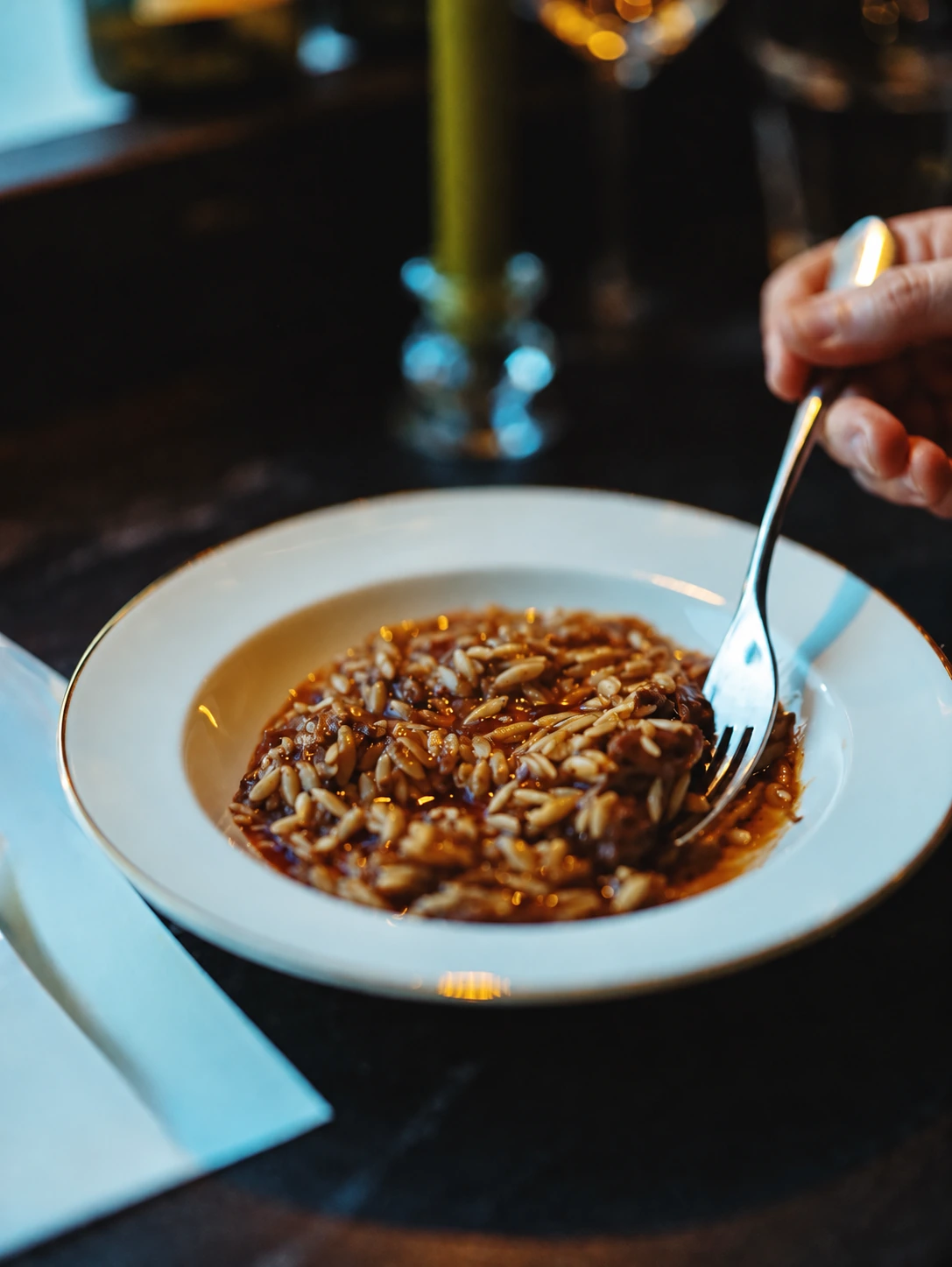
The former head chef of Kiln opens his first restaurant on Dean Street, named after a cherry-red 1964 Chevrolet and cooked over fire, from Tottenham to the Red Sea.
THE CURATED GLOBE / FROM THE EDITORS
A considered selection of people, places and ideas from WAYFARER Edition, delivered to your inbox.
Free. No data sharing. Unsubscribe in one click.