Paris by the cup: a guide to the city’s best cafés
From a shoebox counter in the Haut Marais to a Japanese roastery that seems to stop the clock, the Paris cafés where coffee is treated as craft rather than habit.
In Paris, coffee was never only a drink. It was a way of being in public. Ever since Le Procope opened in Saint-Germain-des-Prés in 1686 and taught the city a new manner of sitting, talking and lingering, the café has been one of its civic institutions. What has changed in the past decade is the cup itself.
A generation of roasters and baristas has turned the Parisian espresso, long more ritual than pleasure, into something precise. Roasteries such as Belleville Brûlerie, Lomi and Coutume now supply serious restaurants and home kitchens alike, and in the Marais, Montmartre, the Canal Saint-Martin and the islands of the Seine, small rooms make a case for coffee as craft. Some are minimal, some handmade, some unexpectedly loud. All of them take the gesture seriously.
The centre: precision in small rooms
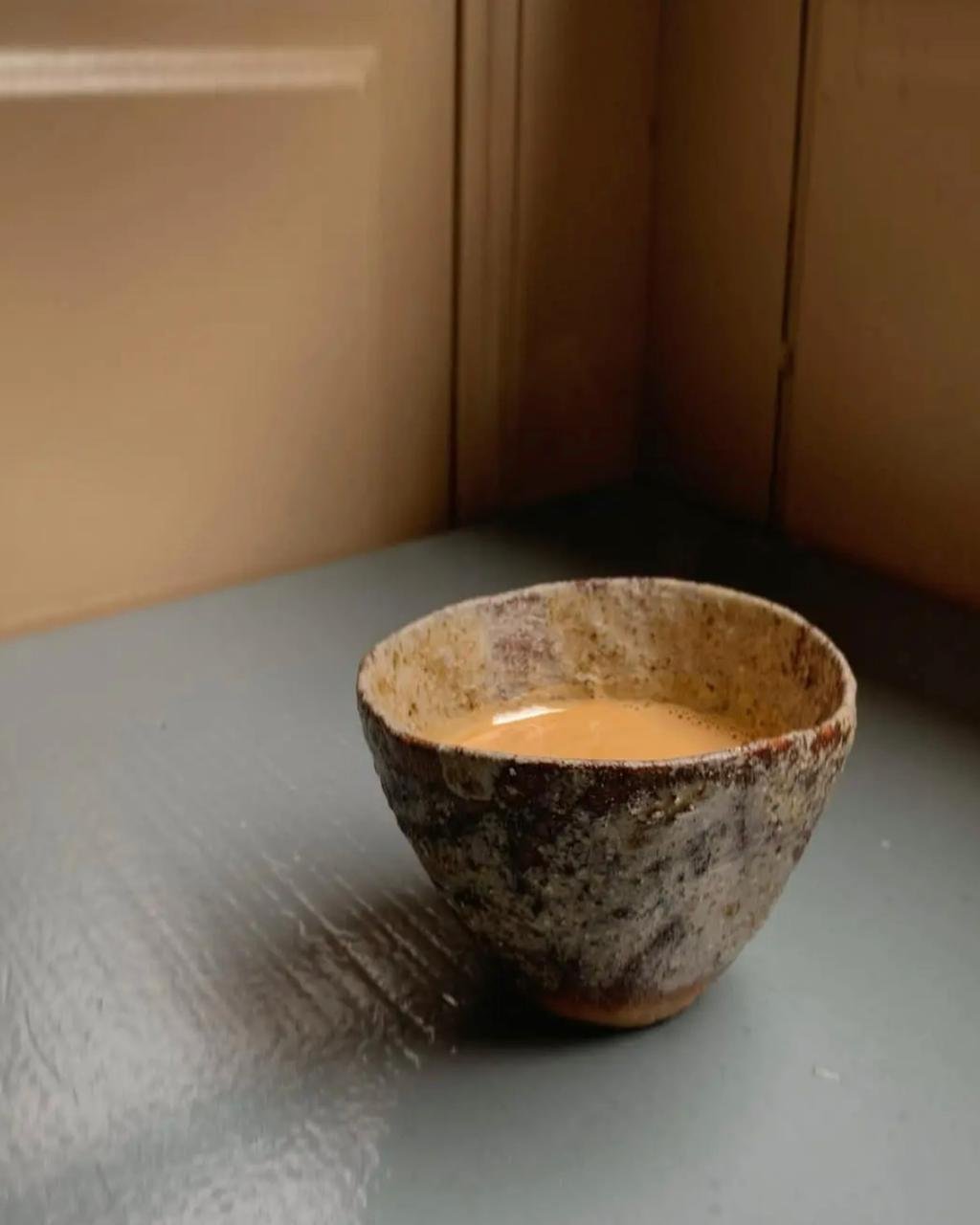
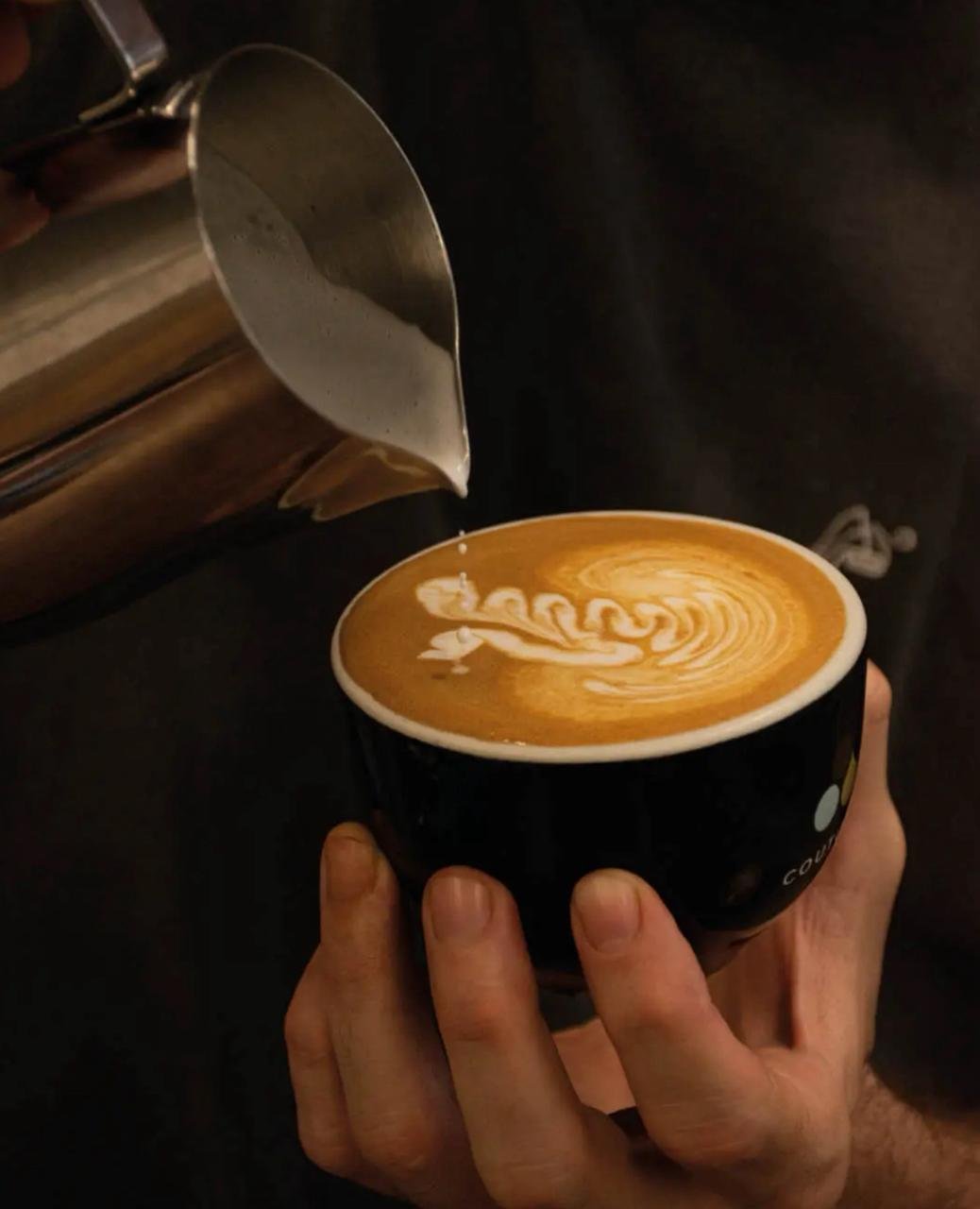
THE CUP AS A SMALL DISCIPLINE. IMAGE: PRESS
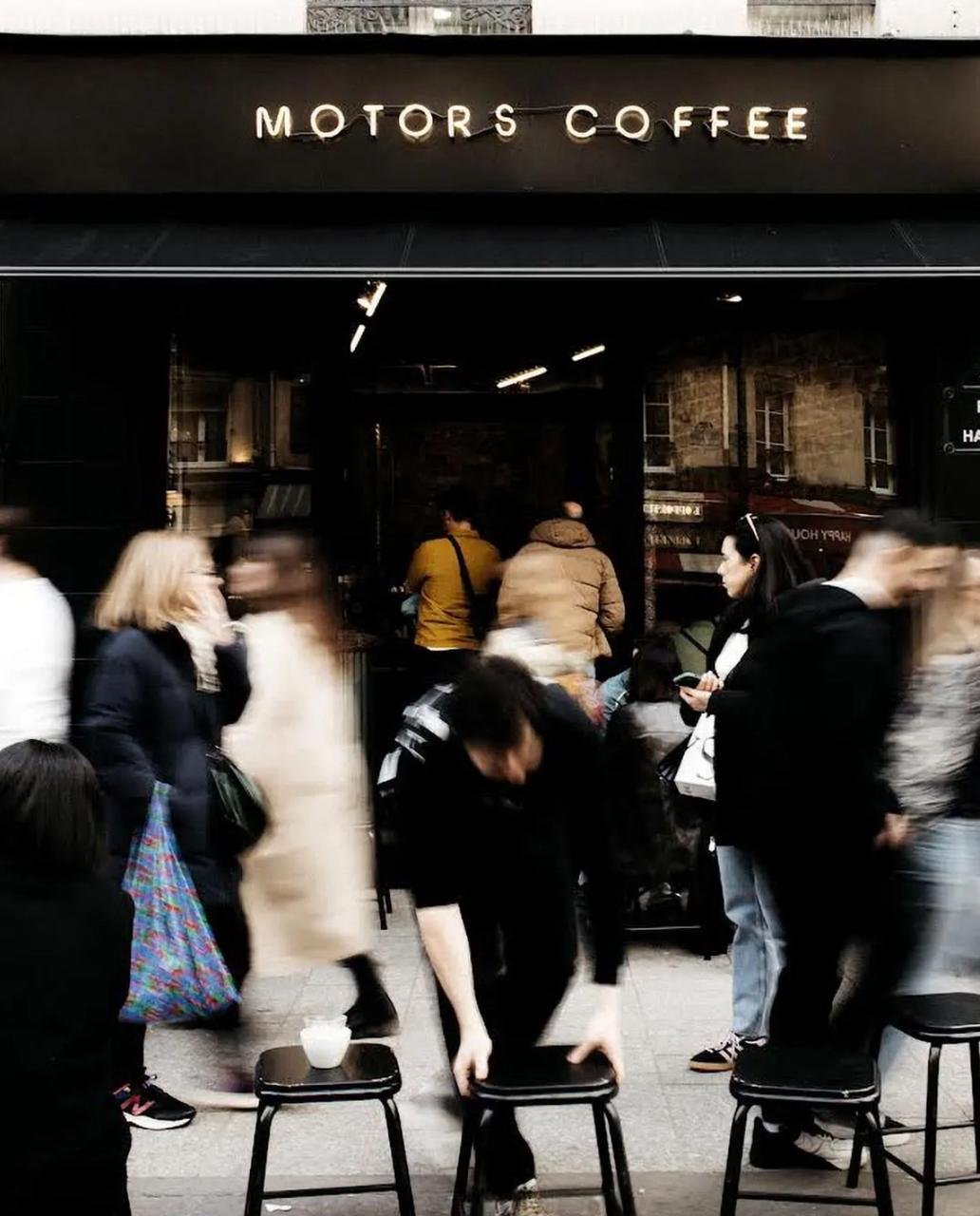
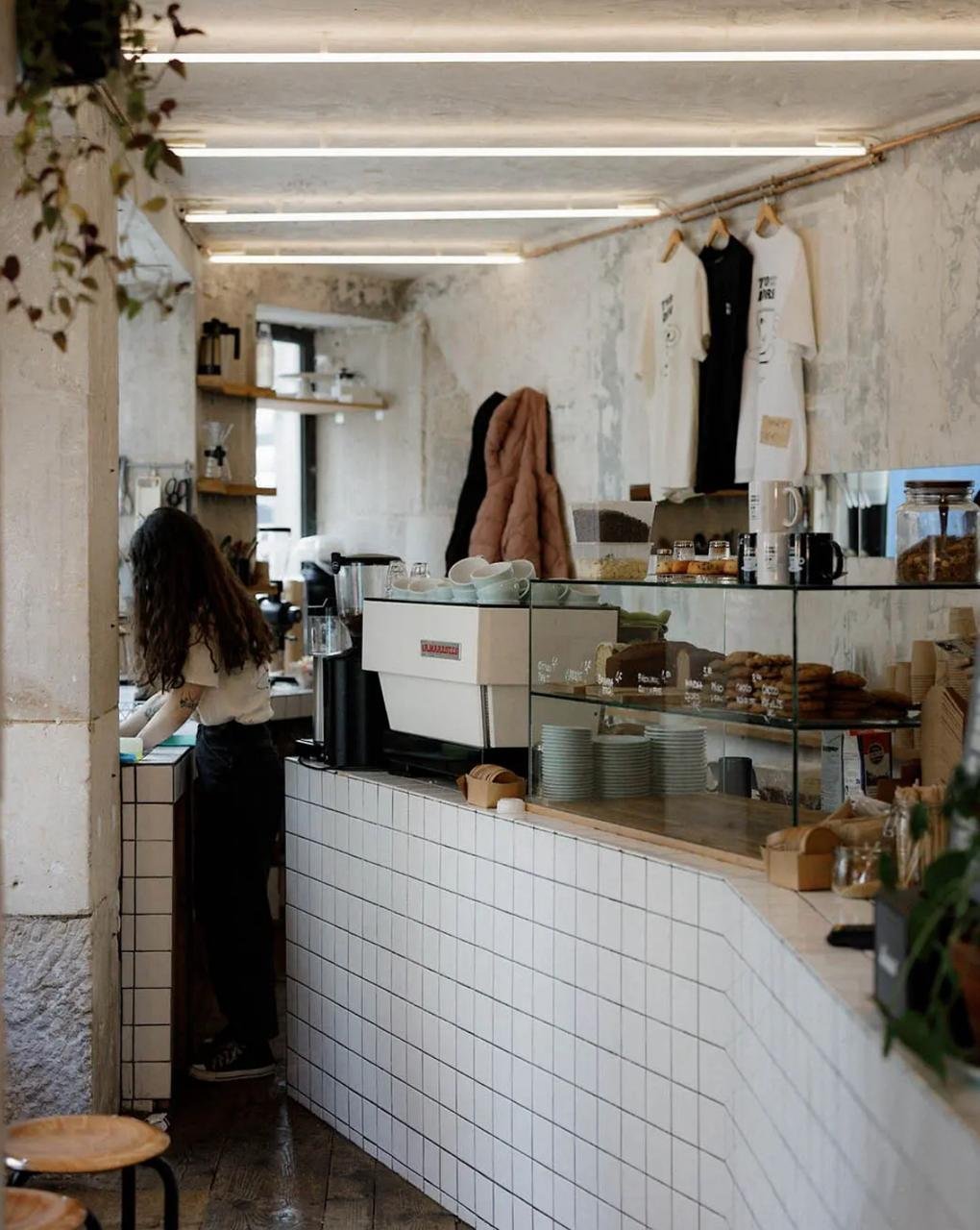
On rue Villédo in the 1st arrondissement, Télescope remains a reference for purists: a compact, almost secret room, beans from respected roasters, and brewing refined over many years. A few streets east, on rue des Halles, Motors Coffee carries the energy of the new Paris. It was founded by Thomas Philips and Lola d’Harcourt, both formerly of the fashion industry, with stone and red brick walls, coffee from roasters such as Friedhats and Coffee Collective, and a Basque cheesecake worth the detour. The room is small, so the conversation spills on to the pavement.
A COUNTER, A CONVERSATION. IMAGE: PRESS
The Marais: silence, ceramics and neon
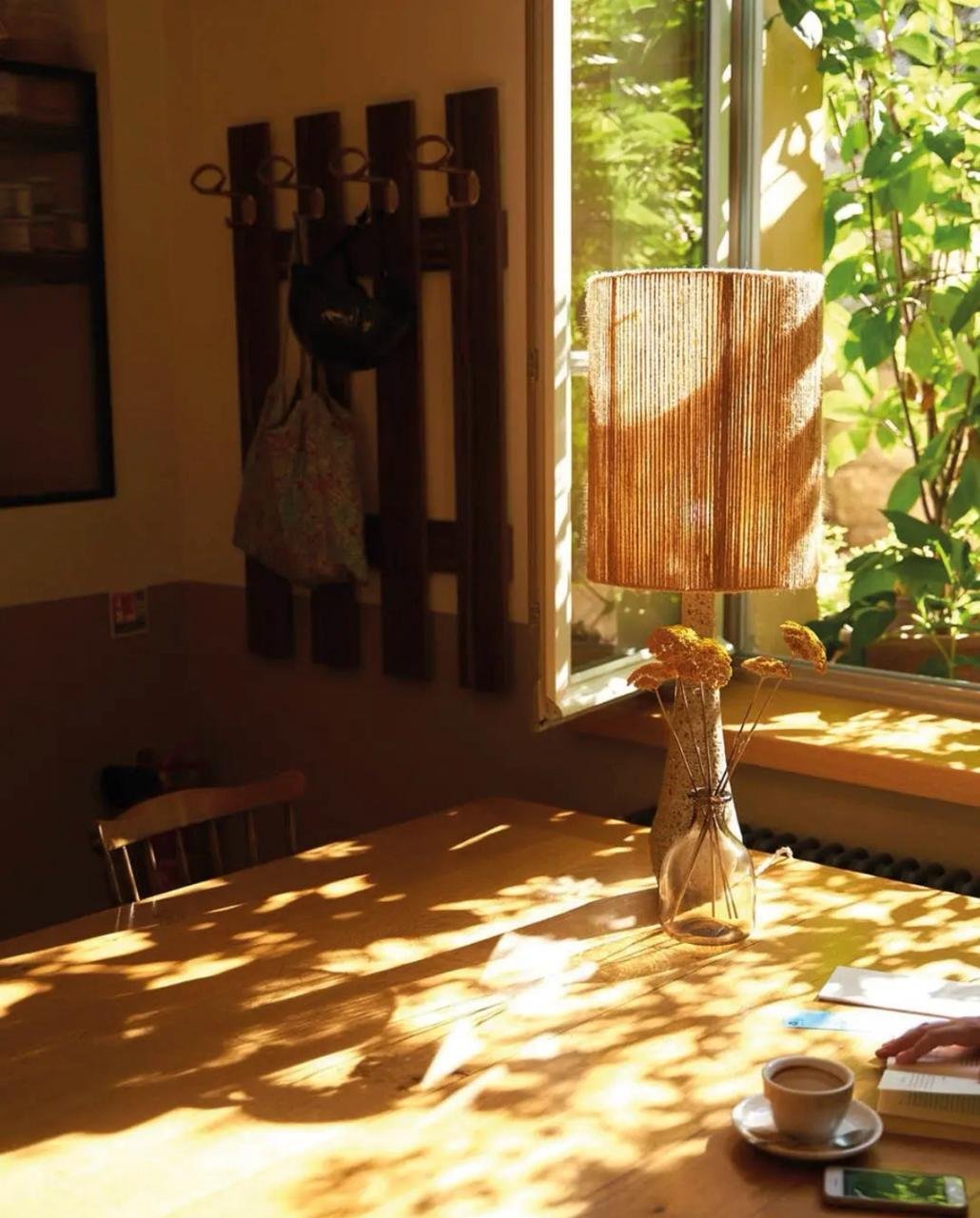
WHERE THE CLOCK SLOWS DOWN. IMAGE: PRESS
Dreamin’ Man breaks the city’s rhythm on purpose. Yuichiro Sugiyama’s wabi-sabi room serves delicate, light-roasted coffee, and the pastries of Yui Matsuzaki, the scones above all, make time feel briefly suspended. Nearby, on rue du Pont aux Choux, Boot occupies a former cobbler’s shop and may be the smallest café in Paris. Stepping in feels like entering a private studio: filter coffee made to order, a cake on the counter, nothing more.
CRAFT, AT ARM’S LENGTH. IMAGE: PRESS
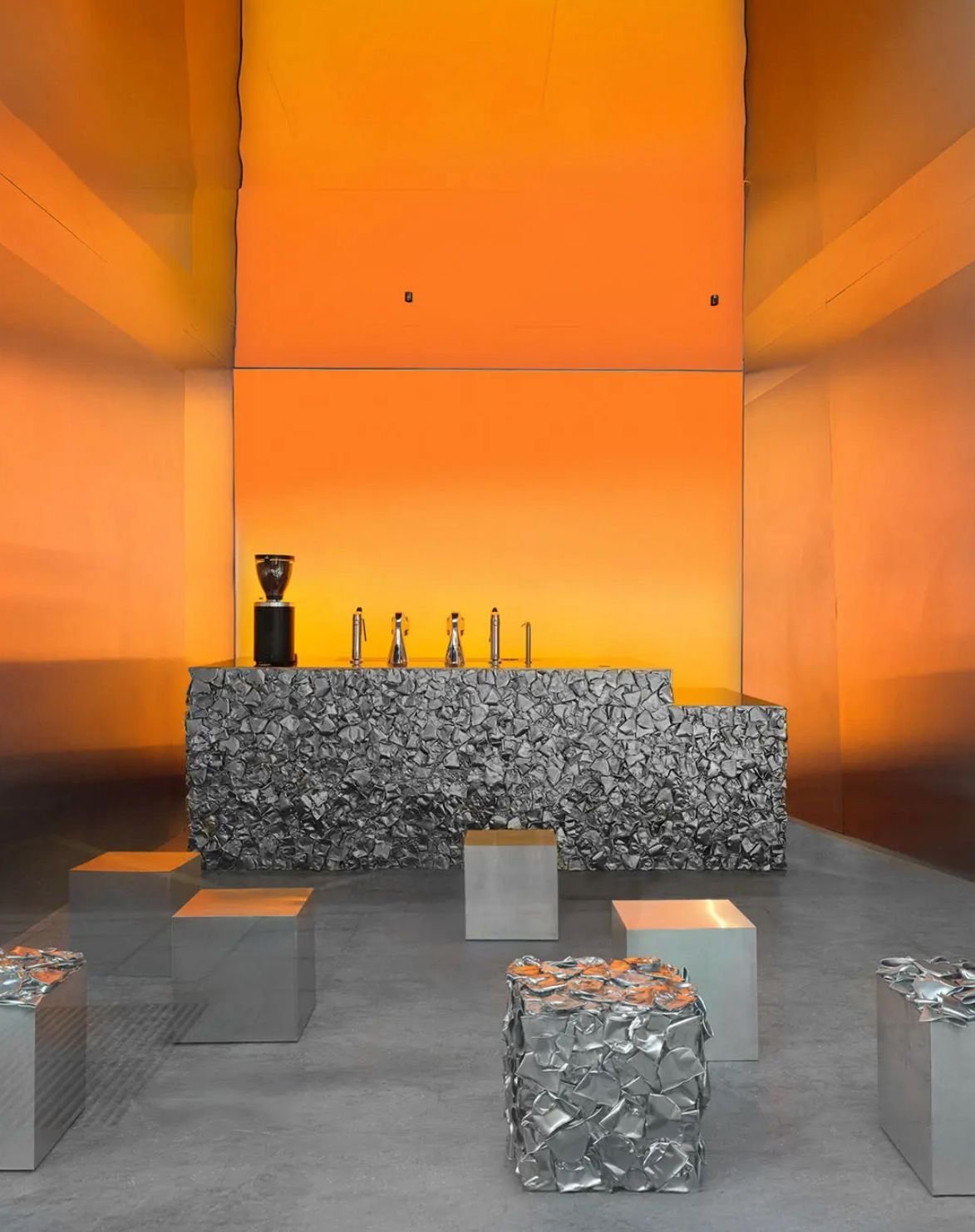
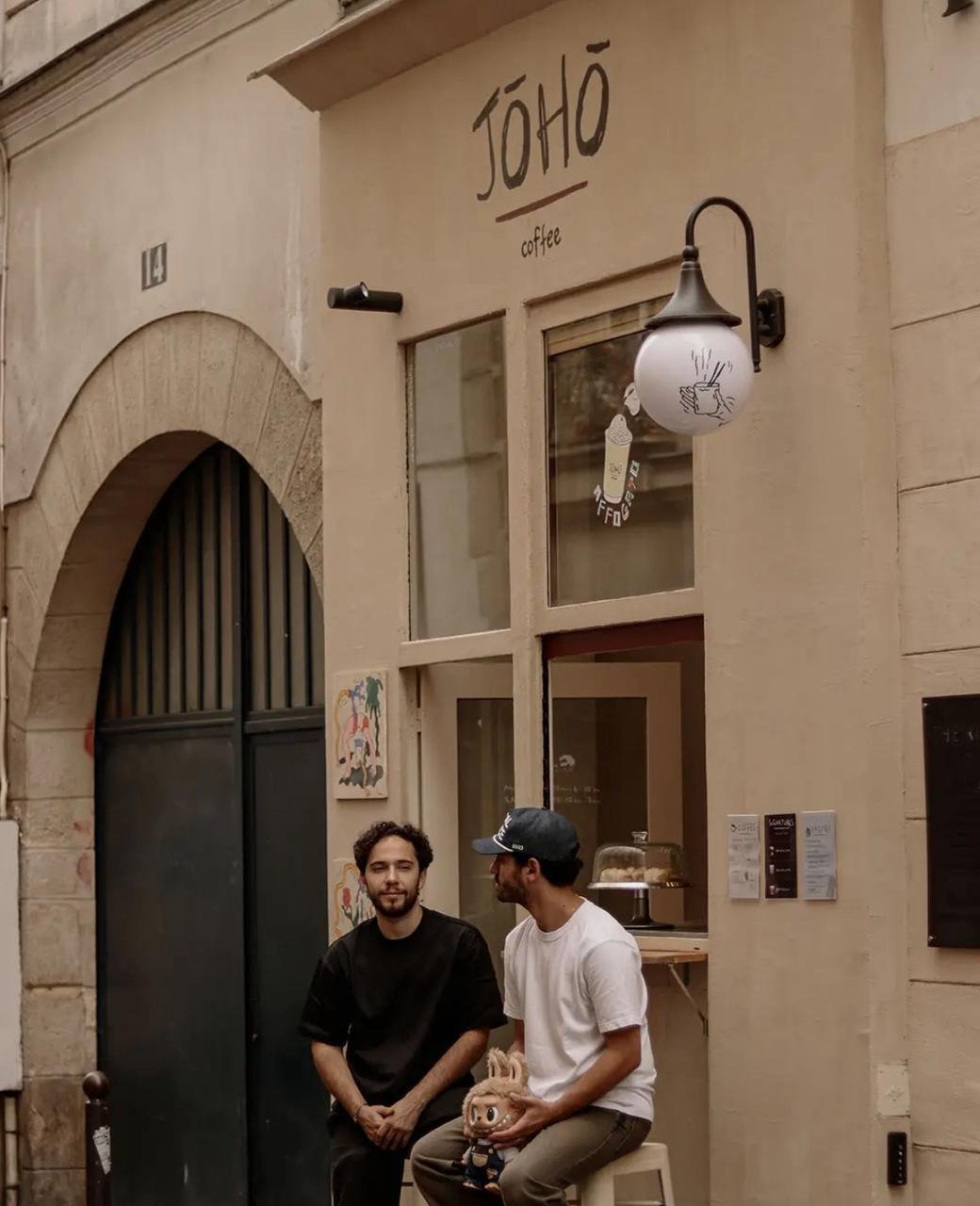
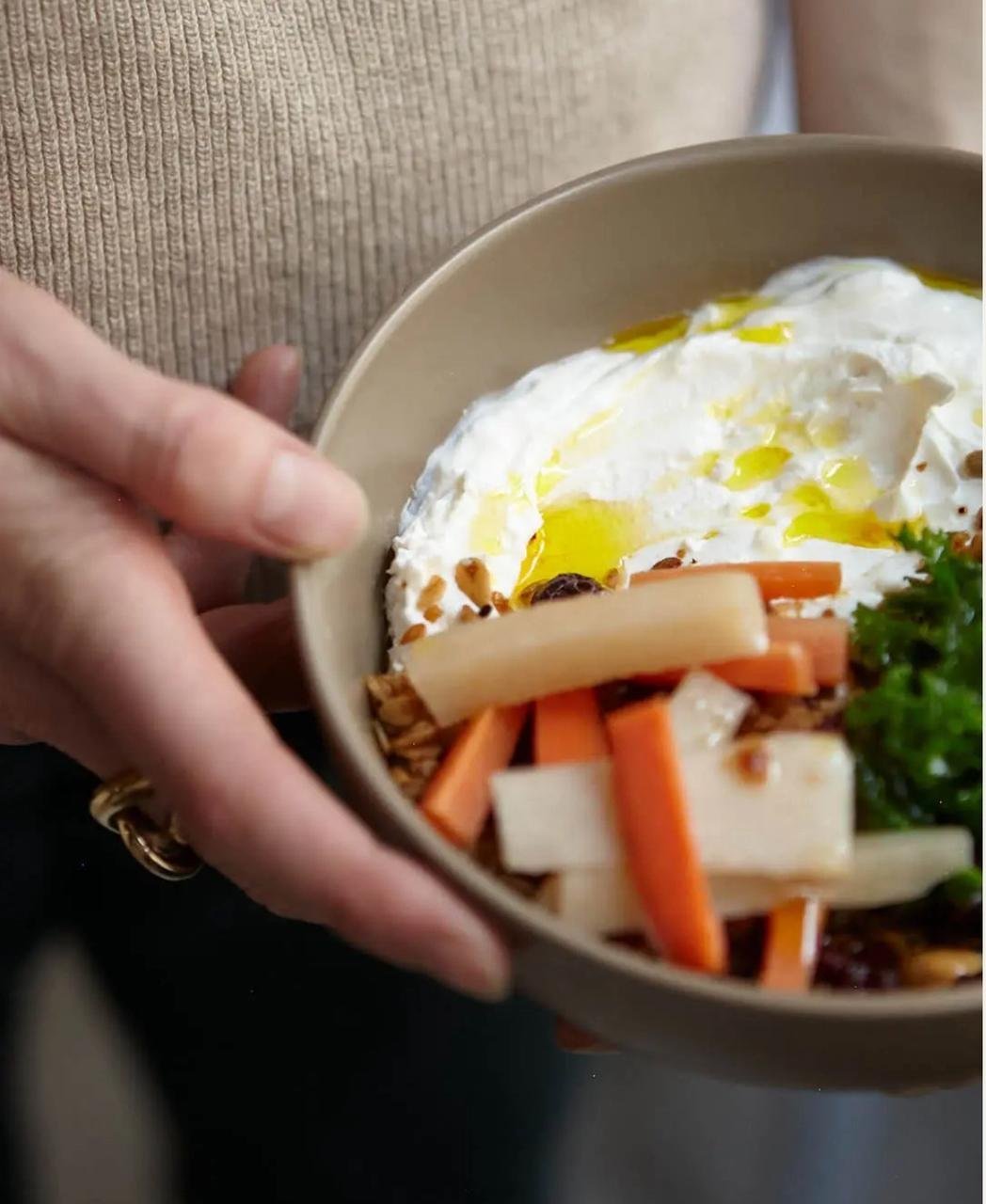
On rue des Écouffes, JŌHŌ brings handmade ceramics, a considered brunch and specialty filter coffee into the same frame. A few blocks away, Café Nuances offers the counterpoint: a colour-drenched, futuristic interior of polished metal and saturated light, with lattes that flirt with the experimental. It is proof that the Marais can embrace the avant-garde without losing its warmth.
SIX SQUARE METRES BY THE SEINE. IMAGE: PRESS
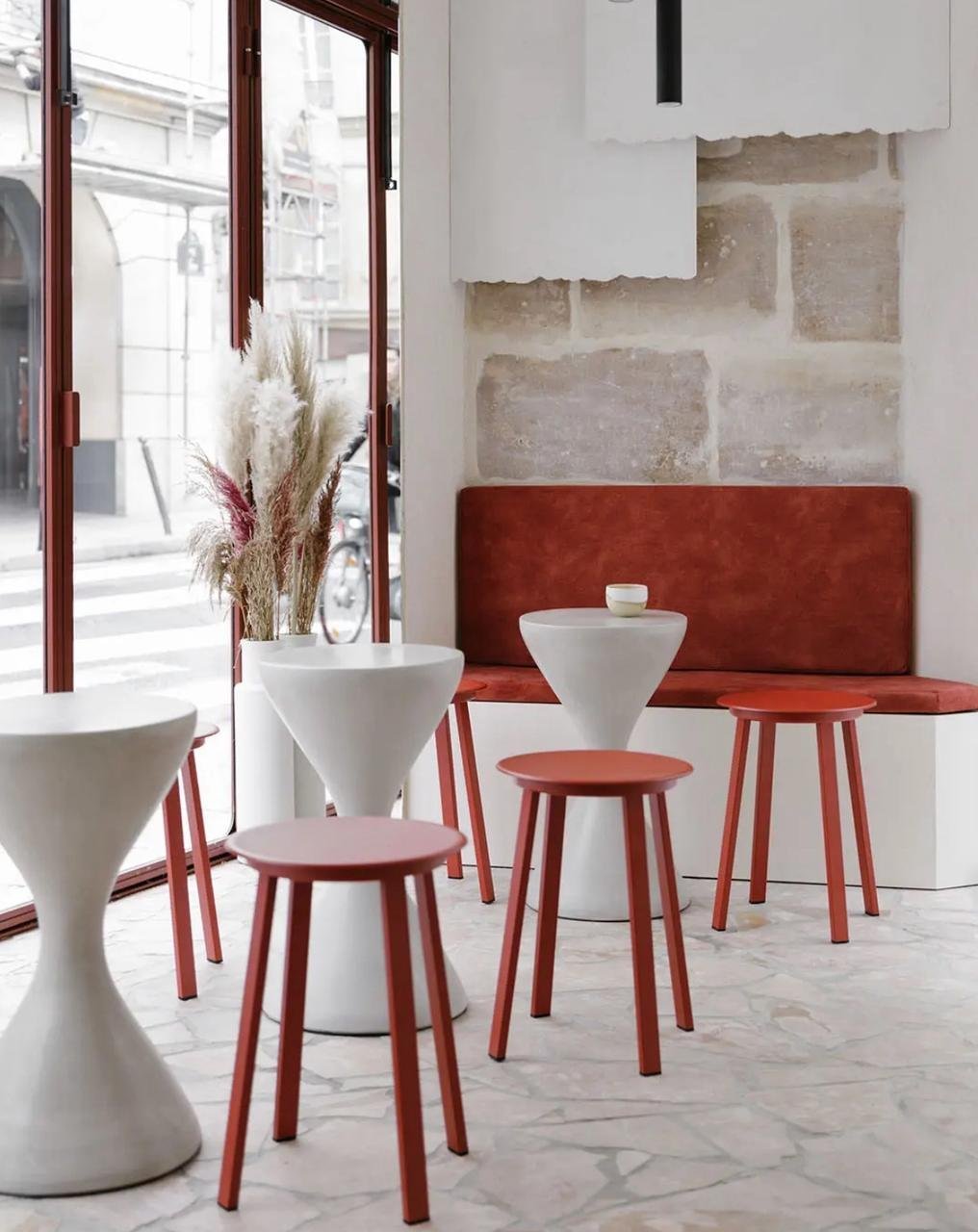
On Île Saint-Louis, MiniCafé fits into roughly six square metres, with a blue and white counter, a terrace and drinks that run from flat whites to dirty matcha. Recto Verso, on rue Portefoin in the 3rd, chooses the opposite tempo: a calm room with wide windows, made for reading, talking and watching the street.
Left Bank, canal and hill
A NEIGHBOURHOOD TABLE. IMAGE: PRESS
In the Latin Quarter, near the Panthéon, Tram keeps a certain bohemian Paris alive in a neighbourhood shaped by tourism. It began as a café and bookshop; the books have gone and it now runs as a restaurant, but it still has the soul of a local café. By the Canal Saint-Martin, on rue des Vinaigriers, Résidence Kann extends the furniture house Kann Design into a coffee shop, with a single-origin coffee that changes each month and an interior that shifts with the collections.
FURNITURE, COFFEE, A CHANGING ROOM. IMAGE: PRESS
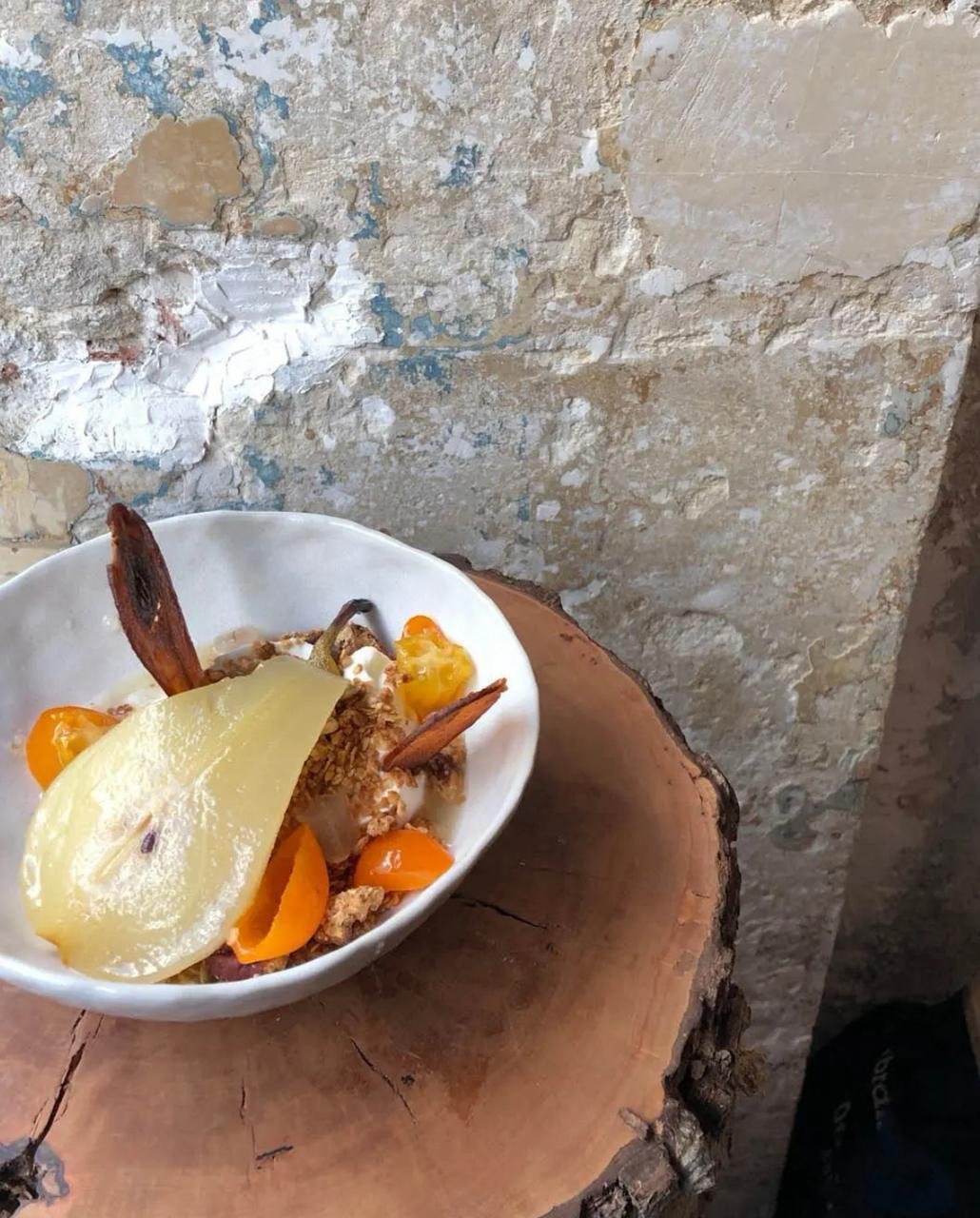
In the 11th, Café Méricourt has become one of the city’s favourite brunches, behind a mint-green façade: baked eggs with spice, shakshuka and creamy drinks, served with the ease of a place that knows its neighbours.
BRUNCH, WITHOUT CEREMONY. IMAGE: PRESS
In Montmartre, Two Doors keeps a relaxed, creative mood under exposed brick and soft light, with warm cinnamon rolls and an international crowd. A few minutes away, Lomi is a temple for purists, with its own roastery, a coffee school and a precise balance of acidity and sweetness. Across the city, Noir’s stone-and-concrete rooms make good places to read and work, and Coutume keeps alive the Australian influence that shaped its early years.
BRICK, LIGHT AND CINNAMON. IMAGE: PRESS
Three centuries after Le Procope, Paris still treats the café as a place to belong. The cup has simply become more exact. What rises from it is not only aroma, but memory, neighbourhood and a quiet sense of identity.
Details: Télescope, 5 rue Villédo, 1st. Motors Coffee, 7 rue des Halles, 1st. Boot, 19 rue du Pont aux Choux, 3rd. JŌHŌ, 14 rue des Écouffes, 4th. Recto Verso, 6 rue Portefoin, 3rd. Tram, 47 rue de la Montagne Sainte-Geneviève, 5th. Résidence Kann, 28 rue des Vinaigriers, 10th. Hours vary and several close at weekends; check before visiting.
A Michelin star rewards a habit more than a single brilliant night. Sepia in Chicago, starred through fifteen consecutive editions and now under Kyle Cottle, and Ariete in Miami show what the inspectors are really looking for.
Milan never tried to out-Naples Naples. It made pizza in its own image instead: long fermentation, stone-milled flour, tasting menus and wine lists, from Confine, named Italy's best pizzeria in 2026, to the thin, crisp rounds of Le Specialità.
Having reshaped the caviar trade, China now produces almost as much foie gras as France, with some analysts expecting it to take the lead as soon as this year. The question is no longer volume but reputation.