Buenos Aires, slowly: a guide to the city that rewards attention
From the Pony Line bar at the Four Seasons to Julia's 22 seats in Villa Crespo, by way of Coppola's hidden garden, Casa Cavia and the Colección Amalita: a Buenos Aires for those who take their time.
Some cities explain themselves at once. Buenos Aires makes you wait. It does not surrender on the first walk, nor does it reduce itself to the façades that fill the postcards. It reveals itself in increments: the cadence of a barrio, a door left ajar, the ease with which the nineteenth century and the present share a pavement.
This selection follows that slower city. Hotel bars that ignore convention, kitchens working at the edge of technique and feeling, a museum that opens onto the docks, a garden that once belonged to a film director. They are addresses known to people who read the city from the inside out, and they share a single quality: each asks for time, and repays it.
Two rooms at the Four Seasons
LEATHER, PALE WOOD AND THE MEMORY OF POLO. IMAGE: PRESS
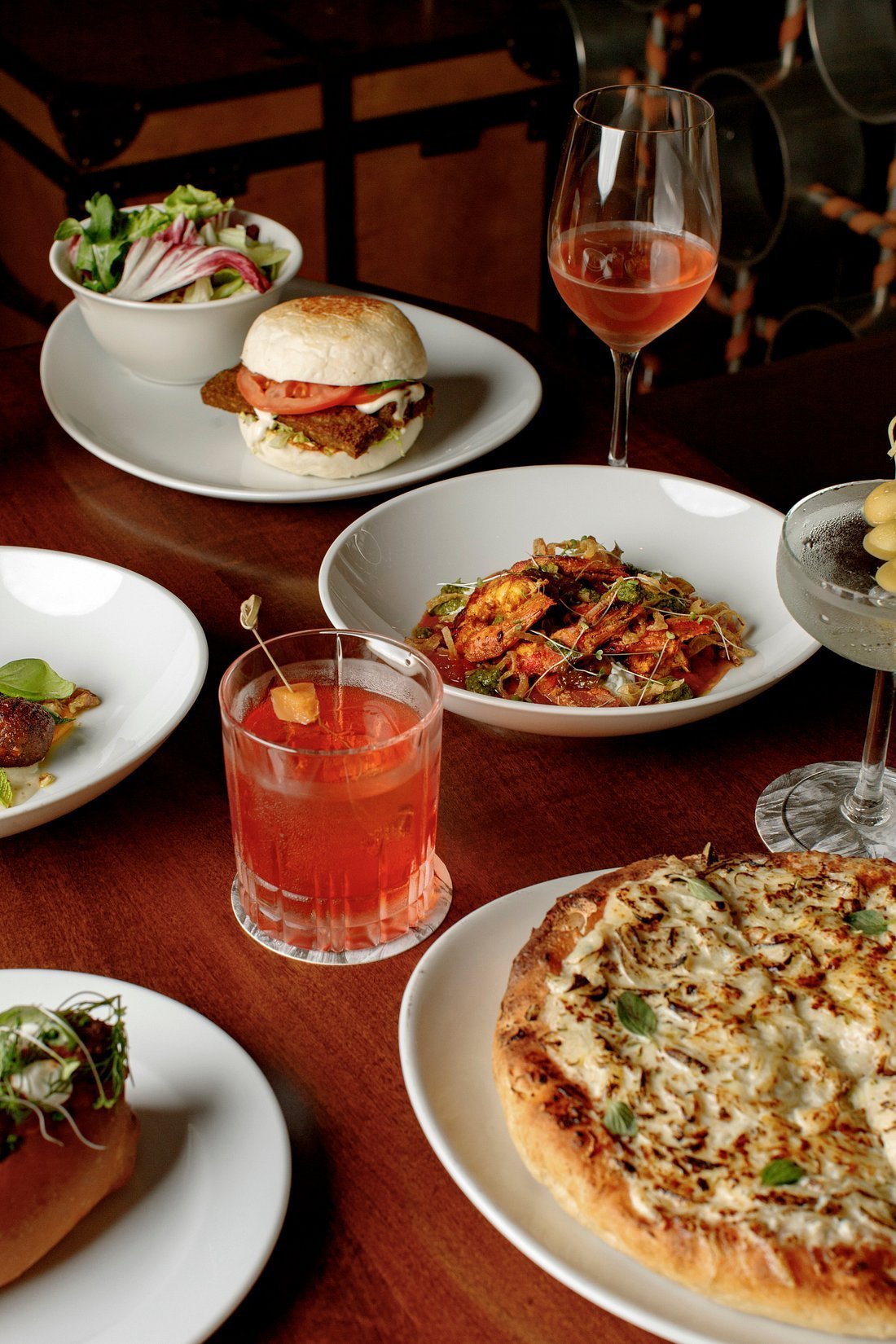
Pony Line. On the ground floor of the Four Seasons, a two-Key hotel in the Michelin selection, Pony Line borrows its vocabulary from polo: pale wood, leather, a little brass. The mood is unexpectedly relaxed for a palace address, and the room draws as many porteños as guests. Its current cocktail list, 22/55, takes its name from the parallels that bracket Argentina and travels from the Andean north to Patagonia in native herbs, fruit and wine. The burger, thick, cooked as asked and crowned with a crust of cheese, has become something of a local legend. It is not cheap. It is worth it.
A GLASS DOME, A SPIRAL STAIR AND MEAT AGEING IN PLAIN SIGHT. IMAGE: PRESS
Elena. In the same hotel, Elena is among the city’s most accomplished hotel restaurants and a regular presence on Latin America’s 50 Best Restaurants. The room recalls the old townhouses of San Telmo: a glass dome, a sculptural spiral staircase, an open kitchen with its ageing cabinets on display. Angus and Wagyu cuts go onto the Josper grill, charcuterie is made in house, and the menu reads the porteño tradition with a contemporary hand. Breakfast here is an occasion in itself.
Gardens behind closed doors
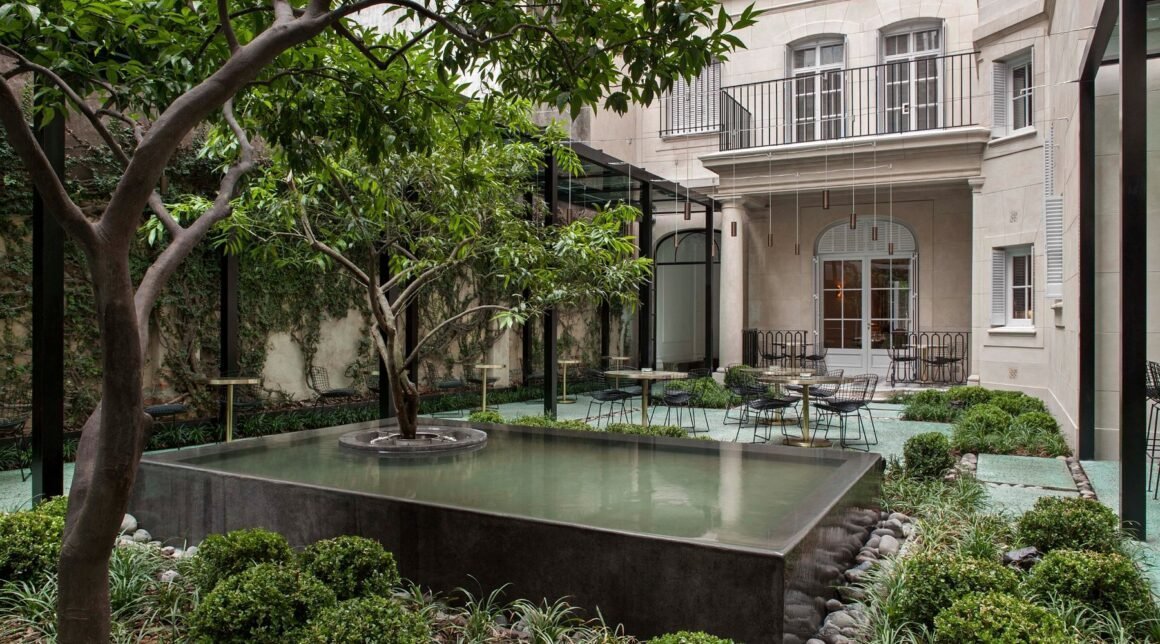
THE HOUSE A DIRECTOR KEPT FOR HIMSELF. IMAGE: PRESS
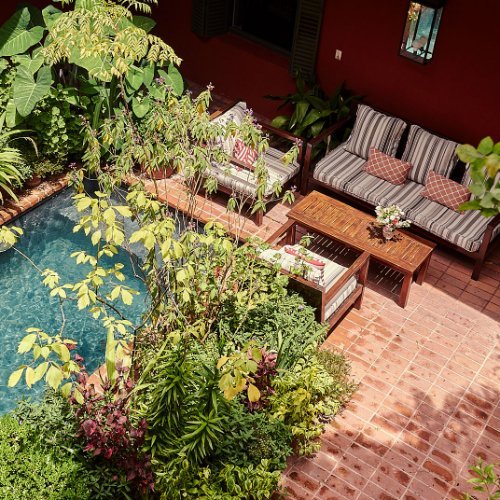
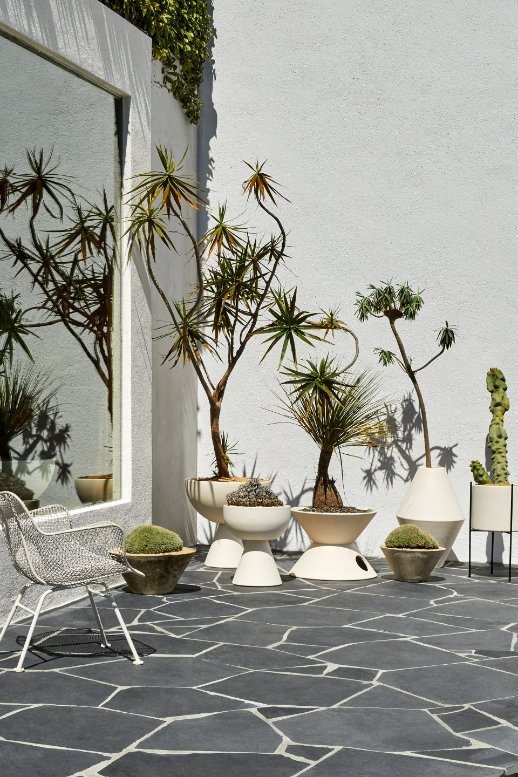
BE Jardin Escondido by Coppola. On a quiet street in Palermo Soho stands the house where Francis Ford Coppola lived and worked after falling for the city while filming Tetro in 2008. It is now a hotel of six rooms, booked by section or in its entirety, and newly awarded a Michelin Key this year. The heart of the place is the inner garden, where breakfast is served among plants and filtered light. Vintage furniture, natural textures, soft lamps and staff who know when to disappear complete a stay that feels less like a hotel than a borrowed life.
ITALY, TRANSLATED INTO VEGETABLES. IMAGE: PRESS
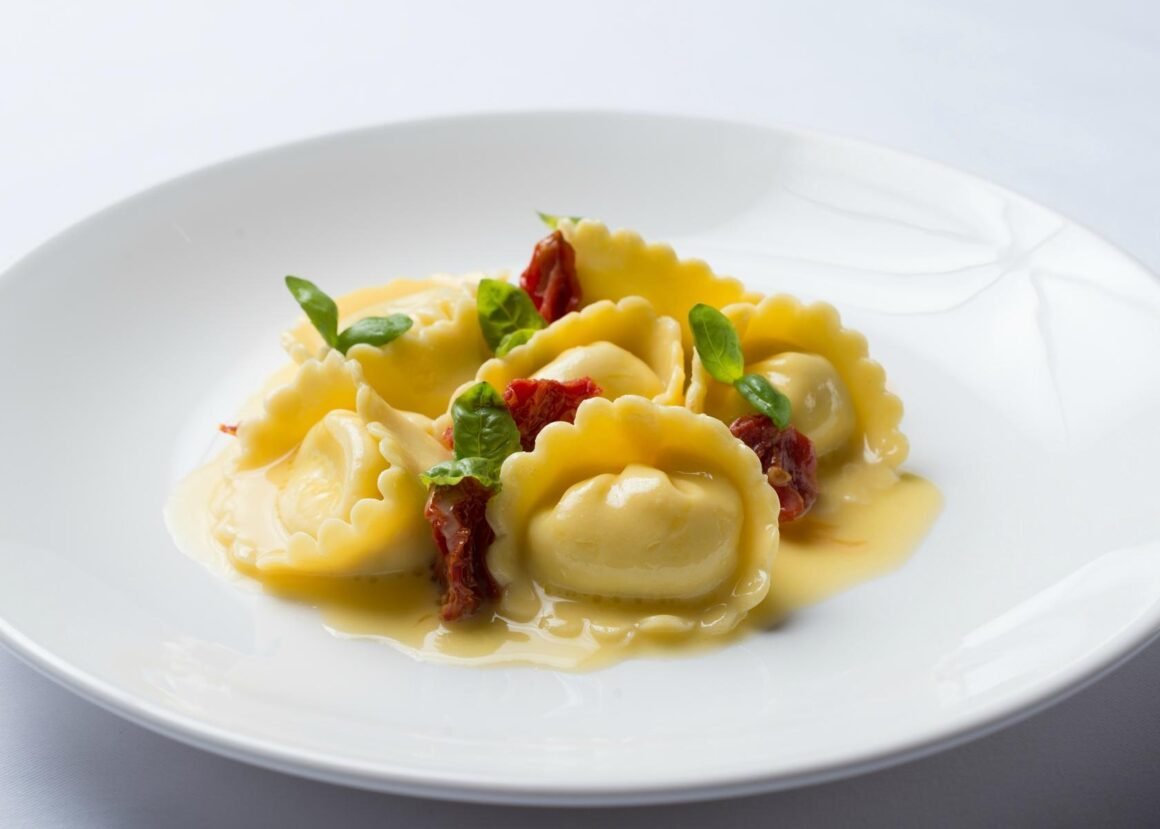
Gioia Cocina Botánica. At Palacio Duhau, the Park Hyatt in Recoleta, Gioia faces the palace and its historic gardens. The menu is entirely vegetarian and vegan, built on traceable produce and small growers, and recognised by the Michelin Guide. Its subject is Italian cooking rendered wholly in plants, with fresh pasta, made by hand, as the protagonist. The result is light, precise and quietly persuasive, even for the committed carnivore.
Sound, art and a literary kitchen
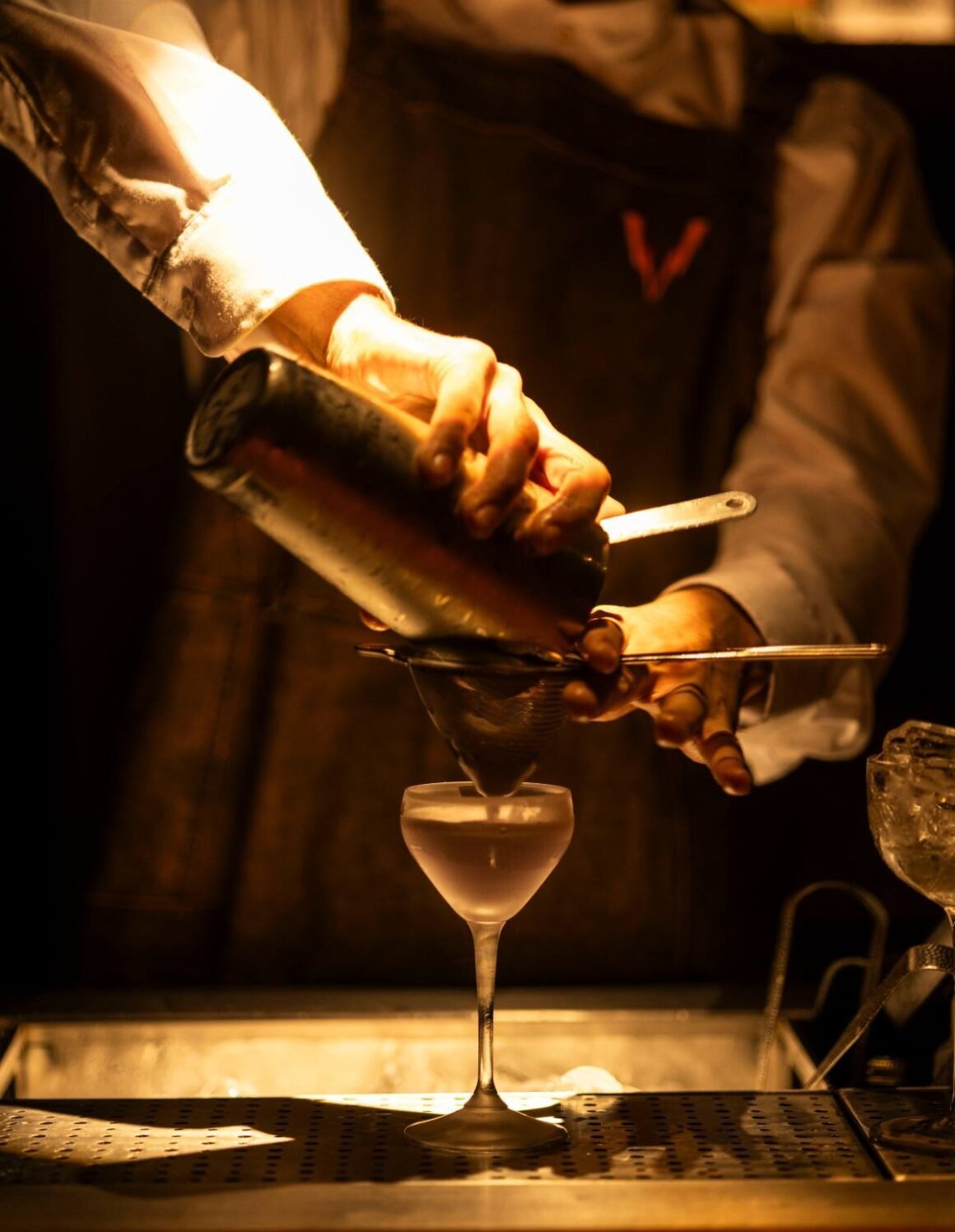
VINYL, MARTINIS AND THE DISCIPLINE OF LISTENING. IMAGE: PRESS
Victor Audio Bar. The city’s first listening bar takes its cue from Tokyo and New York: sound is the main event. In Palermo Soho, warm light, mid-century lines and carefully tuned acoustics frame a collection of vinyl, a DJ booth built into the bar and a programme that asks you to lower your voice. The martini is the house signature, and the kitchen is designed to keep pace with the records.
Barrakesh. In Retiro, this independent gallery belongs to the circuit of spaces that open late during the neighbourhood’s Retiro Abierto nights, showing new work by contemporary artists. It is less a showroom than a meeting place, which is precisely its appeal.
A 1927 HOUSE, A GARDEN, A LIBRARY OF FLAVOURS. IMAGE: PRESS
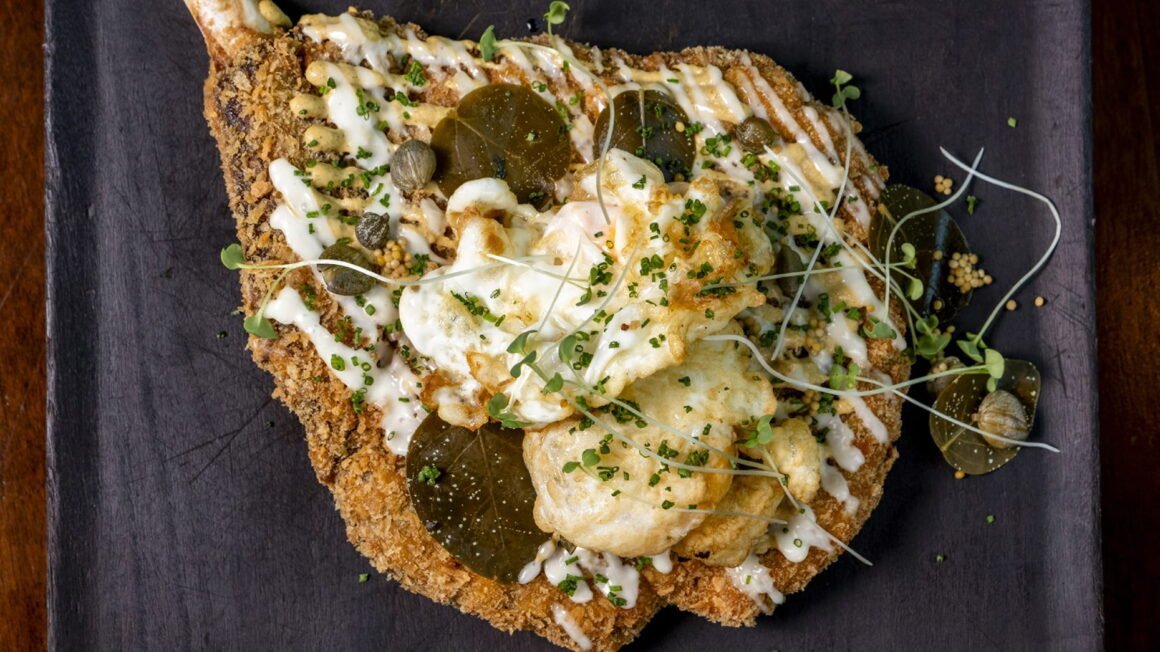
Casa Cavia. In a 1927 mansion in Palermo Chico, Casa Cavia has spent a decade building a world in which cooking, architecture, books and a garden coexist. Chef Julieta Caruso cooks with local produce and an evident love of vegetables, in dishes whose simplicity conceals real depth; literature runs through the menu like a thread. The bar takes its botanical cues from the garden, the cellar is serious, and the house also shelters a florist, a small publisher and a shop of objects and scents. It is one of the most complete addresses in the city.
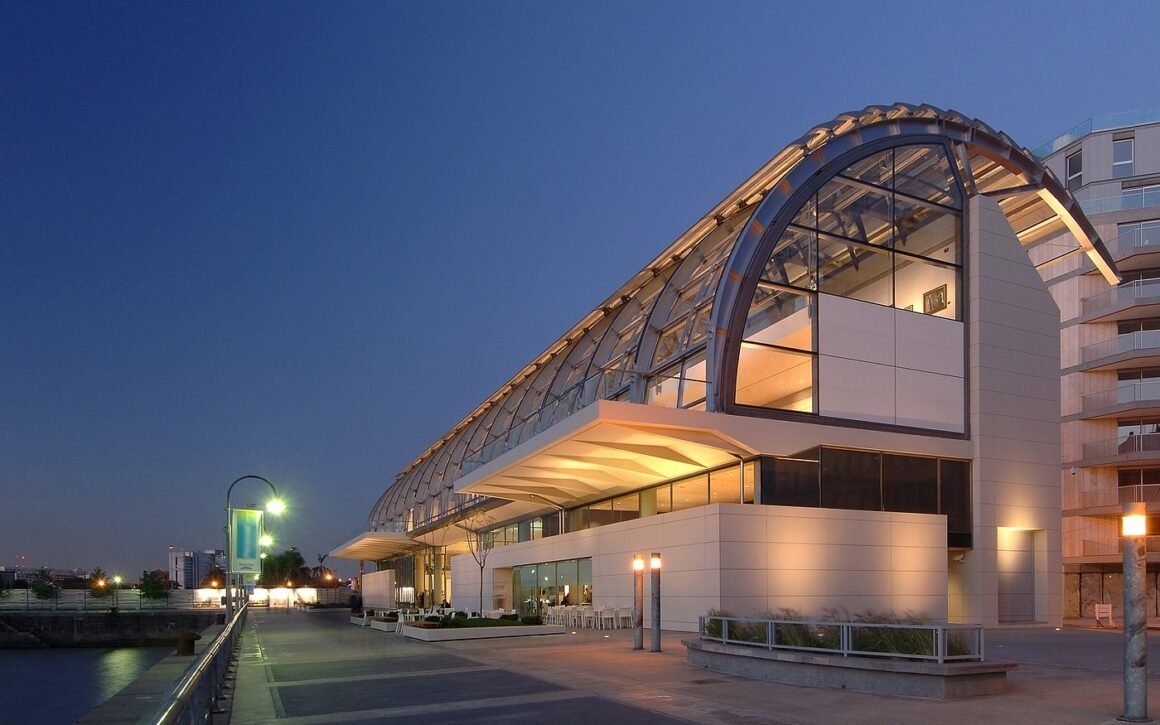
GLASS, WATER AND A COLLECTOR’S EYE. IMAGE: PRESS
Colección Amalita. On the docks of Puerto Madero, the Colección de Arte Amalia Lacroze de Fortabat occupies a glass building by Rafael Viñoly that opens onto the water and the skyline. The collection, assembled by one of Argentina’s great patrons, places Warhol, Dalí and Chagall beside Antonio Berni and the masters of Argentine modernism. It is luminous, manageable in an afternoon and essential for anyone who wants to understand the city beyond its obvious circuit.
Two tables worth the detour
THE SEA, BROUGHT INLAND WITHOUT HASTE. IMAGE: PRESS
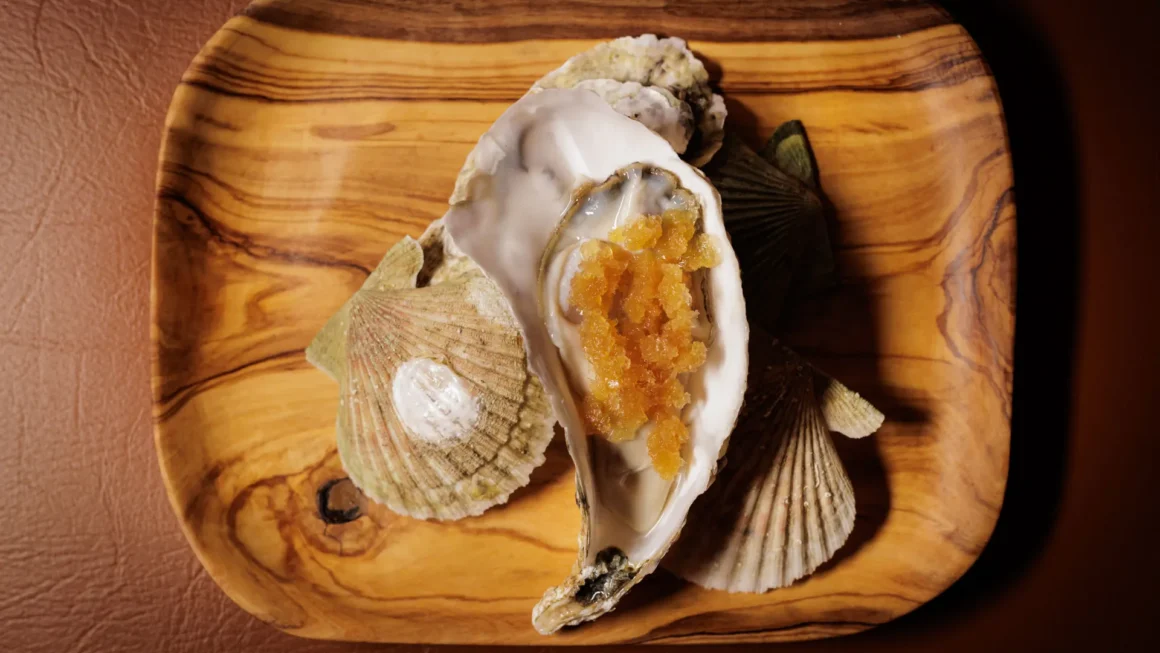
Ultramarinos. On the edge of the city’s small Chinatown, behind a heavy door, Ultramarinos is a maritime refuge recommended by the Michelin Guide. Stone, wood and warm light frame an open kitchen devoted to the fish and shellfish of the Argentine coast and its rivers: oysters, razor clams, mussels, pacú and surubí, raw, cured or from the embers. Order in small plates, or let the Paseo Marino set the sequence.
FIVE INGREDIENTS, NEVER MORE. IMAGE: PRESS
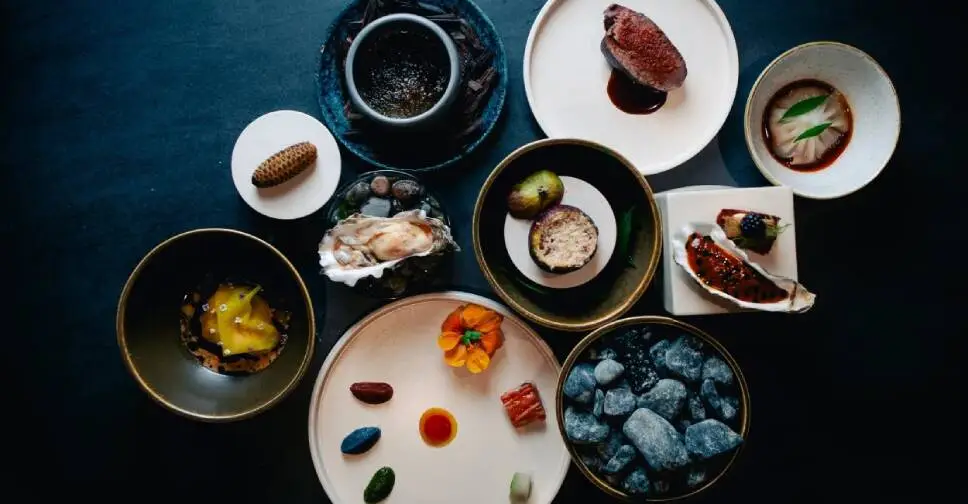
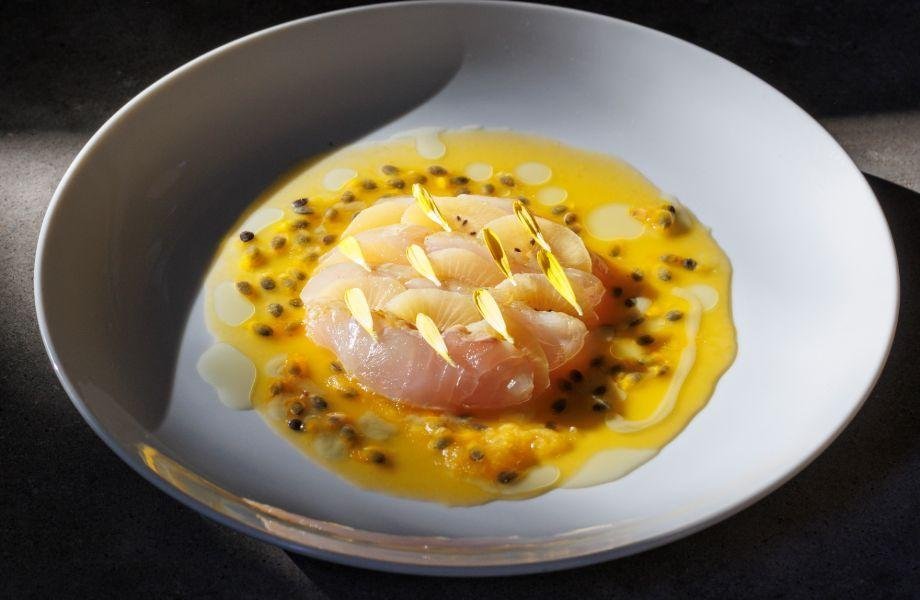
Julia. In Villa Crespo, chef Julio Báez has turned restraint into a signature. He calls his cooking indie: confident, colourful plates built from no more than five seasonal ingredients, sharp with acidity and a little heat, with vegetables, herbs and shoots in the leading roles. The room seats 22, the waiting list explains itself, and the restaurant has earned a place on Latin America’s 50 Best Restaurants. Báez trained in biochemistry before he cooked, and it shows in the exact balance of salt, sweetness, acid and umami.
Buenos Aires does not hand itself over to the hurried visitor. It waits behind a garden gate in Palermo, under a glass dome at the Four Seasons, at a counter of 22 seats in Villa Crespo. Give it time and it opens, one door at a time, until the city you came to see is replaced by the one you will want to return to.
Details: Pony Line and Elena, Four Seasons Hotel Buenos Aires. BE Jardin Escondido by Coppola, Gorriti 4746, Palermo. Gioia Cocina Botánica, Palacio Duhau Park Hyatt, Recoleta. Casa Cavia, Palermo Chico. Colección de Arte Amalia Lacroze de Fortabat, Puerto Madero. Ultramarinos, Belgrano. Julia, Villa Crespo.
The writer and designer behind Kitten maps a Los Angeles of small rituals: the counter at Petit Trois, the red booths of Musso & Frank, a panorama painted by hand and, above all, the car.
Brickell no longer empties at six. Residential towers by Arquitectonica and Adrian Smith + Gordon Gill, and dining rooms from Amazónico to Seia, have turned Miami's banking district into a place people choose to live.
Two days in the South Bay, based at Rosewood Sand Hill and its Asaya spa, by way of the gardens of Filoli, the Ridge vineyard on Monte Bello and the tables of Palo Alto and Menlo Park.