Culture / Reportage
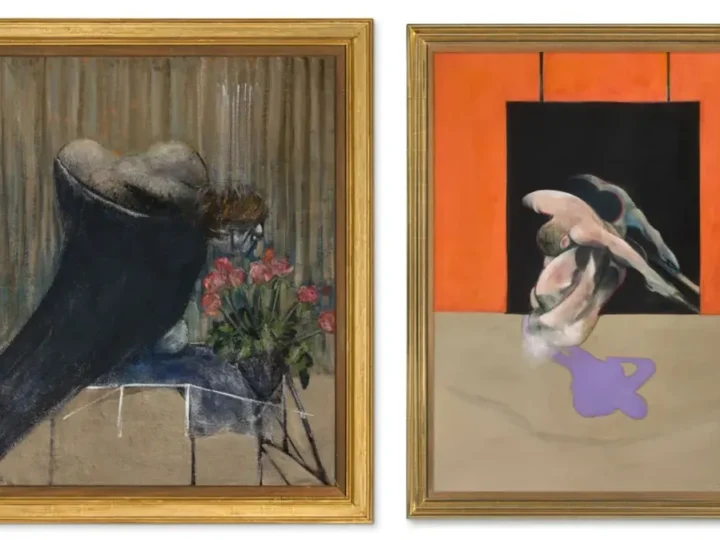
Peter Simon: the collector’s eye moves from cloth to canvas
The Monsoon founder’s collection reaches Christie’s during Frieze Week, offering a study in colour, composition and the formation of taste.

THE CURATED EDITION.
Reportage / Provence
The Light That Shines moved between purpose-built galleries and the Provençal estate around them. Its 2024 programme made architecture part of the act of looking.
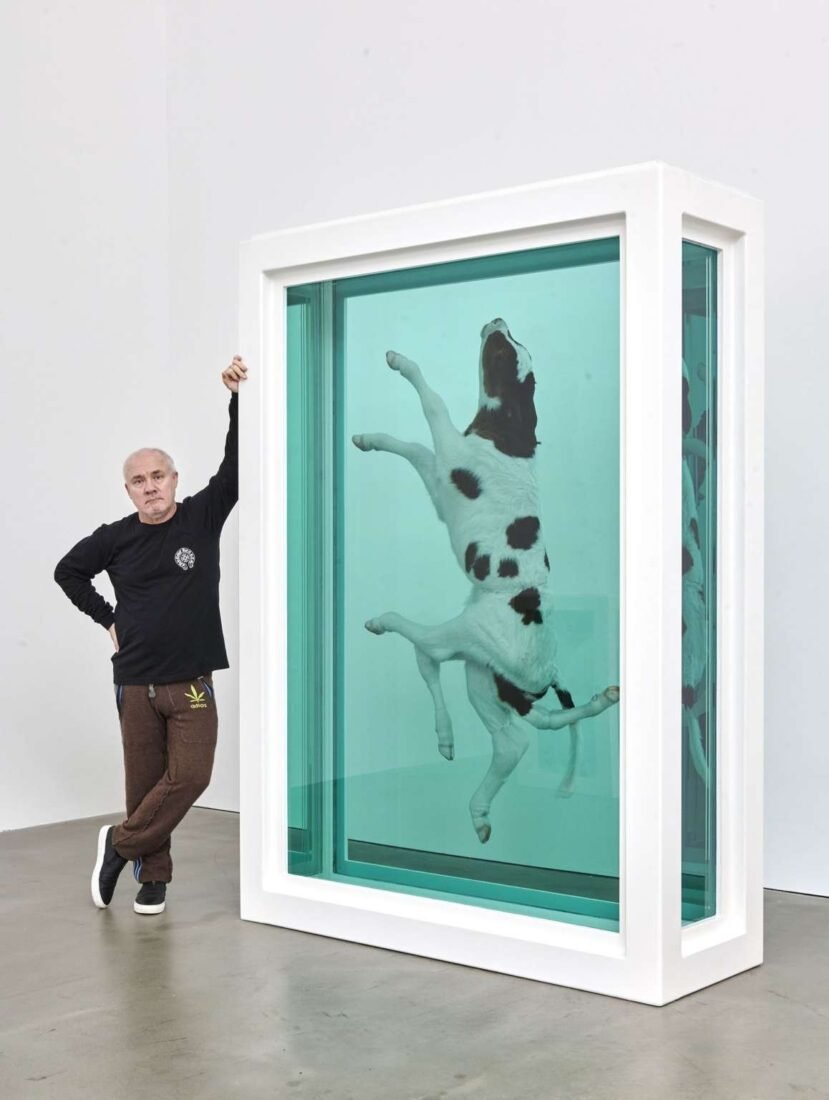
A gallery wall can establish a boundary. A landscape can make the boundary less certain. Damien Hirst’s The Light That Shines at Château La Coste placed several bodies of work in buildings with different proportions, light and relationships to the ground outside.
The exhibition ran from 2 March to 23 June 2024. It has ended. Its recorded arrangement remains useful because it shows how a single artist’s practice can change register as the visitor moves between rooms.
The estate assigned the Cosmos Paintings to the Old Wine Storehouse, Natural History to the Renzo Piano Pavilion and Secret Gardens Paintings to the Bastide Gallery. The Richard Rogers Gallery held The Empresses, while the Oscar Niemeyer Auditorium presented work from Treasures from the Wreck of the Unbelievable.
The Art and Architecture Walk extended the proposition beyond the enclosed spaces. These were not interchangeable addresses. A storehouse begins with a previous use; a purpose-built pavilion begins with a different set of decisions about display.
Moving between them becomes a way of comparing those decisions. The relationship between an object and a room is followed by another relationship, between the room and the surrounding terrain.
Hirst’s practice does not resolve into a single material or a single way of making an image. Paintings and sculptures require different distances, different kinds of attention and different amounts of physical space.
Reading the programme by series makes that variety clearer. Natural History and a garden painting do not ask the same initial question of a viewer. Putting them in separate buildings preserves a distinction rather than forcing everything into one continuous visual rhythm.
The journey between the works is consequential too. A visitor leaving a gallery has time to hold an image in mind before another series introduces a different subject. The interval can sharpen comparison rather than interrupt it.
A destination exhibition is often described through the attraction of its address. Château La Coste offers a more specific architectural question: what happens when art is encountered through a sequence of designed spaces rather than gathered behind one façade?
The programme supplies a documented example, not a claim that the 2024 works remain on view. For a visit today, the estate’s current exhibition calendar and access arrangements are the relevant reference.
The lasting interest lies in the sequence. A work, a room and a path can be read separately, then together. The ground between the galleries is not empty space in the exhibition’s logic.
Château La Coste · The Light That Shines exhibition record · Le Puy-Sainte-Réparade, Provence. 2 March to 23 June 2024; exhibition closed.
CONTINUE READING
Culture / Reportage
The Monsoon founder’s collection reaches Christie’s during Frieze Week, offering a study in colour, composition and the formation of taste.
Culture / Reportage
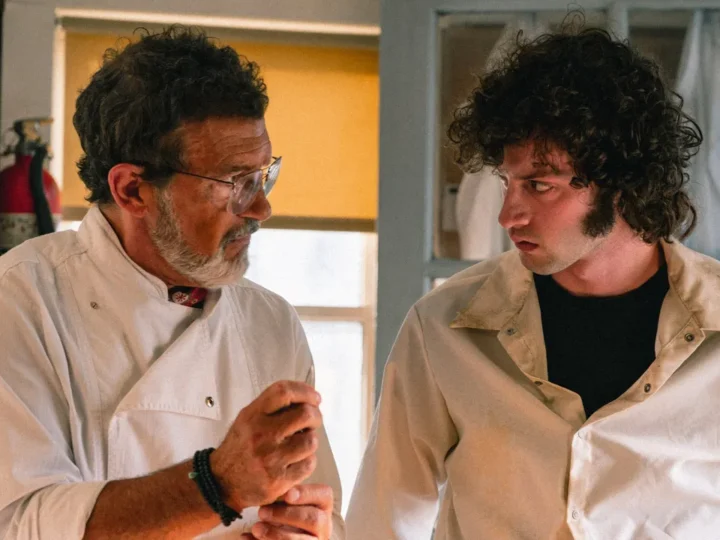
The film’s early-kitchen premise opens a wider conversation about food, apprenticeship and the difference between biography and fiction.
Culture / Reportage
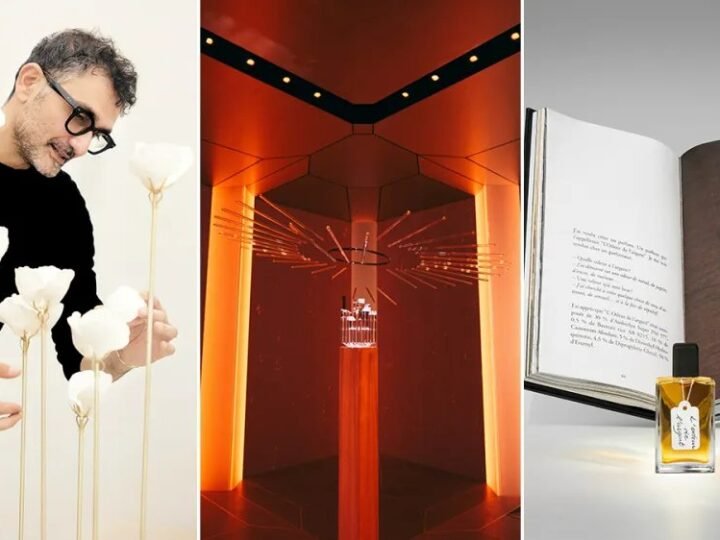
Looking back at the 2025 Palais de Tokyo exhibition, scent emerges as a material for collaboration rather than simply a product to be displayed.