Dining / Reportage
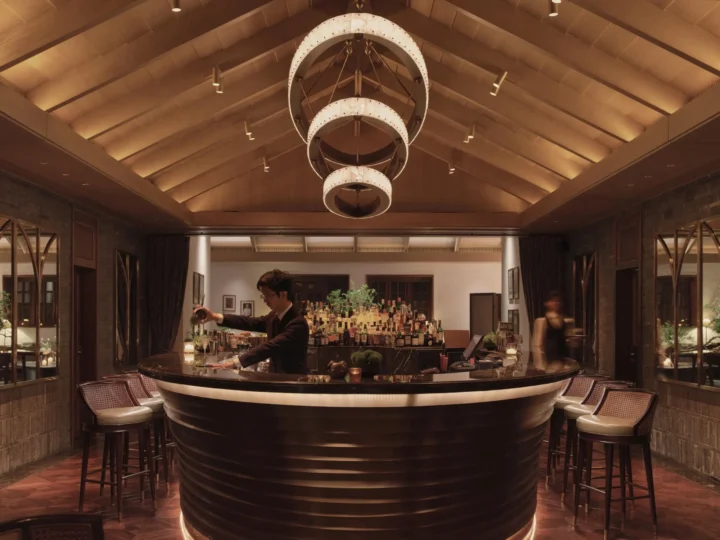
Hotel bars: four rooms that give an evening a subject
From Bemelmans in New York to Library by the Sea in Grand Cayman, a considered hotel bar offers more than a setting for a drink.

THE CURATED EDITION.
Reportage / Drumshanbo
P. J. Rigney built a gin around rolled green tea without allowing the production place to disappear.
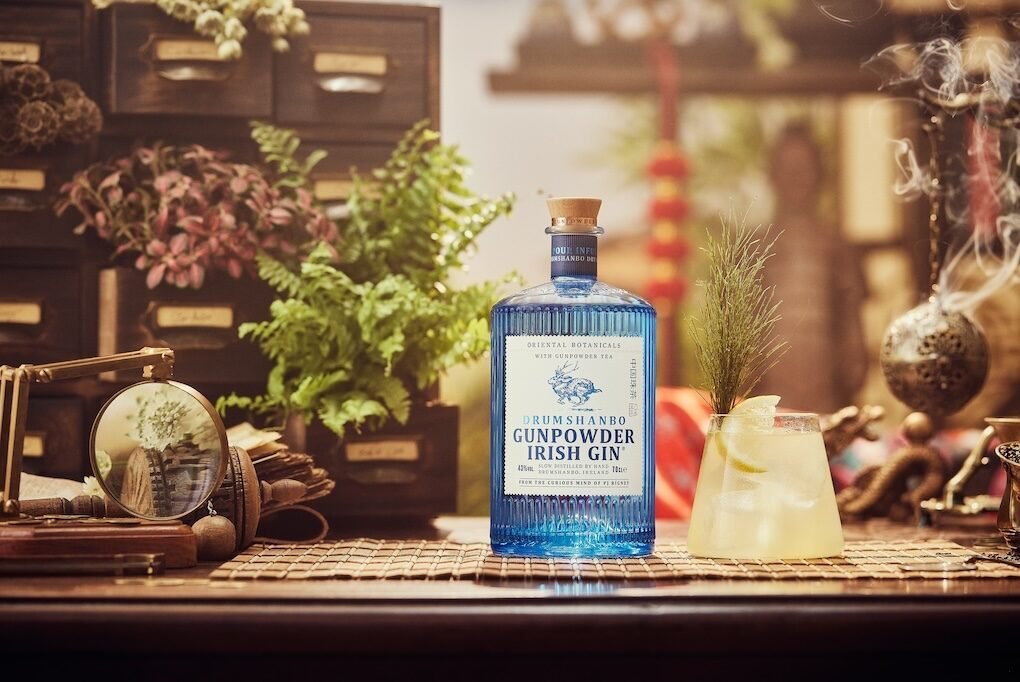
Drumshanbo Gunpowder Irish Gin separates two ideas that are often made to sound identical: where a spirit is produced and where its ingredients originate. The address is County Leitrim. The botanical imagination travels further.
P. J. Rigney established The Shed Distillery in Drumshanbo in 2014. The gin followed in 2016, taking its name from gunpowder tea, a rolled green tea. The reference is an ingredient, not a description of alcoholic strength. It gives the bottle a more useful identity than a claim to be unusually powerful.
The distillery’s own history locates it near Lough Allen, at the foothills of Sliabh an Iarainn. Copper stills are part of that account, alongside Rigney’s interest in grains, Irish flora and botanicals encountered elsewhere.
A production place matters because it brings people, equipment and a repeatable method together. It need not imply that every ingredient grew within walking distance. Drumshanbo’s argument is that locality can reside in making, while a recipe remains open to other traditions.
The producer’s presentation puts citrus, botanicals and gunpowder tea at the centre of the gin. The name makes one component memorable, but it does not turn the finished spirit into a tea drink. Distillation and the balance of the recipe remain essential to what reaches the bottle.
The tea reference also provides a way to discuss the product without borrowing the producer’s tasting adjectives. Its role can be considered through the choice of ingredient and the structure of the recipe. How clearly it appears in a particular serve is a question for tasting, not something guaranteed by the label.
Citrus expressions associated with Sardinia and California extend that geographical idea. They offer a change of emphasis within the same family rather than an argument that the Irish production identity has been replaced. The relevant comparison is what changes in the formulation, not which destination sounds more appealing.
The blue bottle performs another task. It gives a visually consistent frame to a recipe built from several references. At a distance, the object is recognisable; at closer range, its name asks a question about the tea. Design and formulation begin different parts of the same conversation.
For a reader following contemporary spirits, the lasting interest is not a distributor announcement or an award count. It is the relationship between a rural distillery and an ingredient vocabulary that refuses to stop at a national boundary.
Drumshanbo offers a useful model for reading that relationship: begin with the production address, then examine the choices inside the bottle. The two can reinforce each other without being the same thing. Leitrim supplies the place of making. The recipe supplies a wider map.
Instagram: The Shed Distillery.
CONTINUE READING
Dining / Reportage
From Bemelmans in New York to Library by the Sea in Grand Cayman, a considered hotel bar offers more than a setting for a drink.

Dining / Reportage
The tribute to Le Grollet pairs a limited cognac with a cooling cabinet, shifting attention from the age of a blend to the sequence of its service.
Dining / Interview
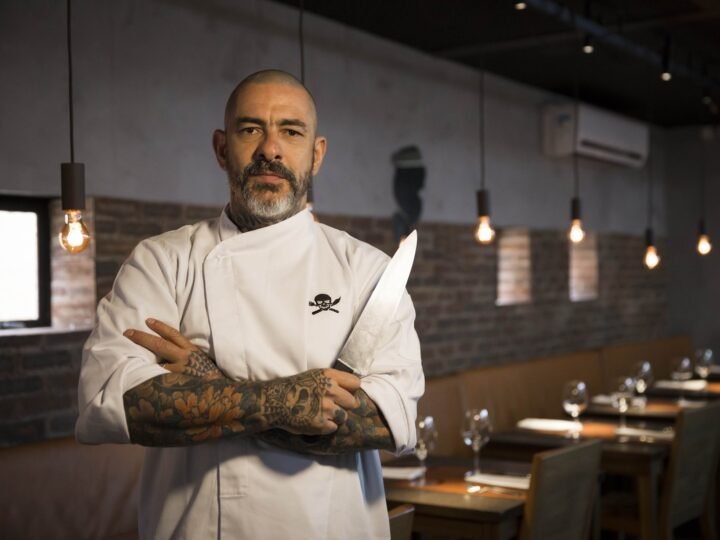
The chef behind Sal, judge of MasterChef Brasil and frontman of a hardcore band.