Europe’s new hand luggage rule: what the law guarantees, and what it leaves out
After more than a decade of negotiation, the EU's revised air passenger rights regulation was published in October 2026. It guarantees a free personal item and fares shown with hand baggage included, but not a free cabin trolley, and it applies from October 2027.
The fare that appears first on the screen is about to become the honest one. Europe’s revised air passenger rights regulation, the first overhaul of the rules in two decades, was published in the Official Journal of the European Union on 2 October 2026 after more than ten years of negotiation. It does not abolish the paid cabin bag. It does fix a floor beneath it.
The problem it addresses is familiar to anyone who flies between European capitals. Low-cost carriers spent years unbundling the ticket until little remained but a seat and a bag small enough to vanish under it. Each airline set its own definition of a free item, and the advertised fare and the final bill drifted further apart with every add-on.
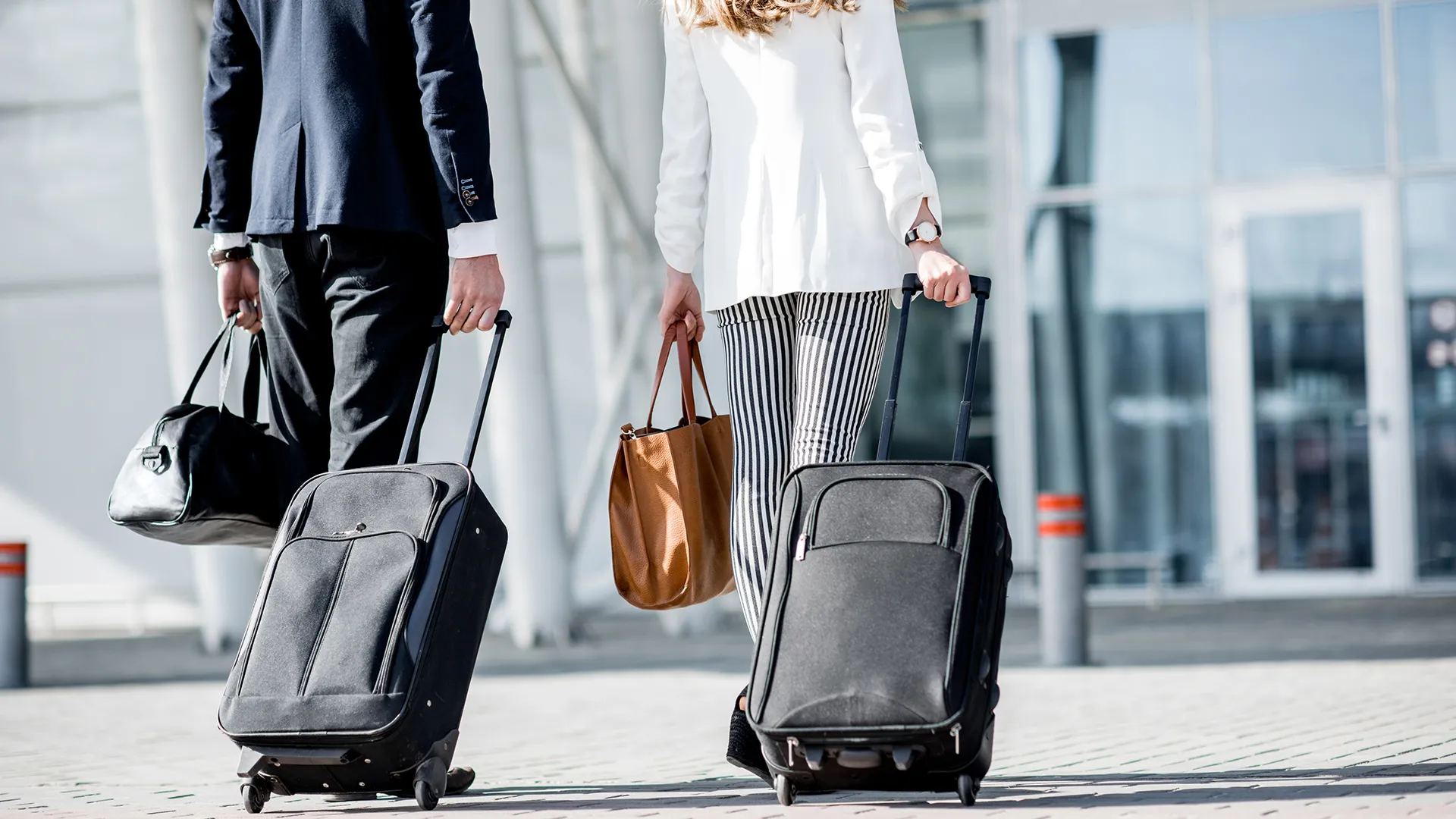
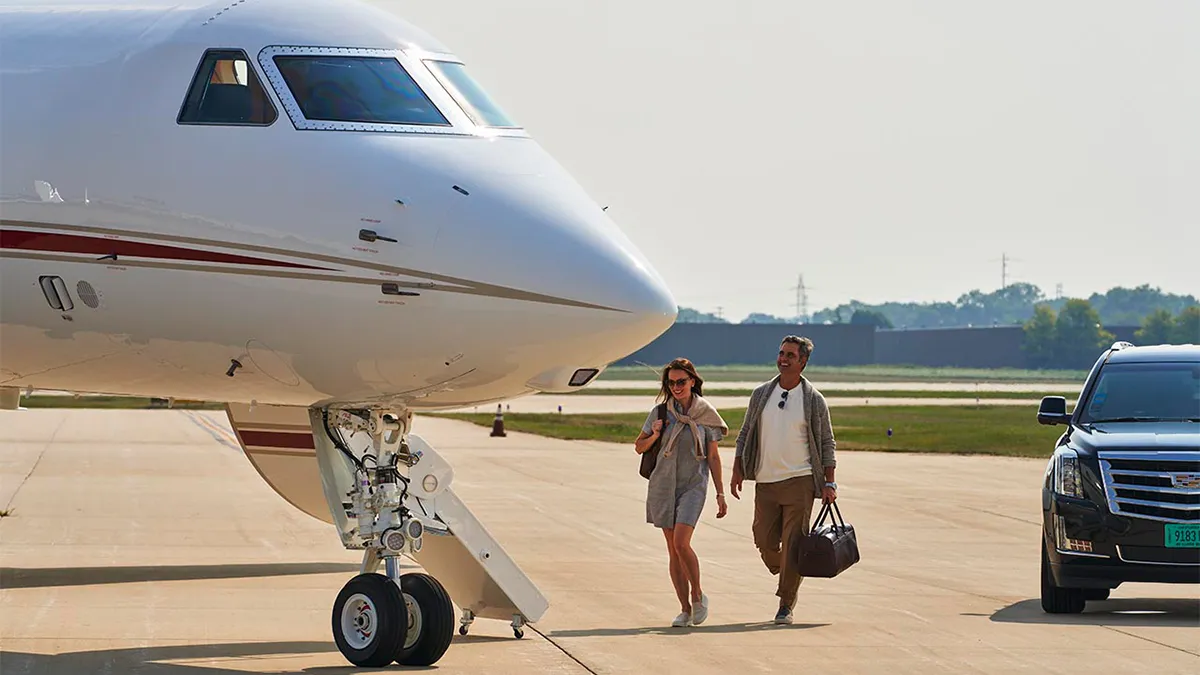
THE GATE, WHERE A FEW CENTIMETRES HAVE LONG DECIDED THE PRICE OF A TICKET. IMAGE: PRESS
What changes, precisely
Every passenger on a flight covered by the regulation is entitled to one free personal item of up to 40 by 30 by 15 centimetres, or one that fits under the seat in front, subject to safety rules and cabin space. Airlines, travel agents and comparison sites must show fares that include a hand baggage allowance from the start of the booking process, although carriers may still offer a cheaper fare to passengers who choose to travel without one.
What the law does not do matters as much. The European Parliament had pushed for a free cabin trolley of up to 7 kg on top of the personal item. That demand was dropped in the conciliation agreement reached in June, so the larger bag in the overhead locker remains a matter of fare and airline policy.
THE OVERHEAD TROLLEY STAYS OUTSIDE THE GUARANTEE. THE BAG UNDER THE SEAT IS NOW PROTECTED. IMAGE: PRESS
A larger reform around a small bag
The baggage clause sits inside a wider rewrite. Compensation for long delays survives at the existing three-hour threshold, with payments of €250 to €600 depending on distance, after proposals to raise the threshold to four or more hours were rejected. Airlines may no longer cancel a return flight because a passenger skipped the outbound leg, may not charge to correct a misspelt name, and must seat children under fourteen next to an accompanying adult at no extra cost.
The European Parliament approved the compromise in July by 646 votes to 12, and the Council adopted it the same month. The regulation was signed on 16 September, enters into force on 22 October 2026 and applies from 23 October 2027, giving airlines a year to rebuild their booking systems.
For now nothing changes at the gate. From the autumn of 2027, though, the price on the first screen will have to carry a bag with it, and a quiet decade of small surcharges will have reached its limit.
Details: the revised rules apply from 23 October 2027 to flights departing EU airports and to flights into the EU operated by EU carriers. Until then, each airline’s existing baggage policy applies.
Two years after leaving Belfast, the Villa Vie Odyssey is more than 85 per cent sold and has a sister ship, Legacy, due in early 2029. Inside the idea of a home that never stays in one port.
Singapore Airlines still owns the two longest scheduled routes on earth, at more than 15,300 km each. A 24-hour Airbus test flight in July showed how far the ranking is about to stretch.
Backed by Guy Oseary and run by Brian Corbett, the invitation-only app lets members host, join or propose shared private flights. Its real proposition is not price, but who sits across the aisle.