Culture / Reportage
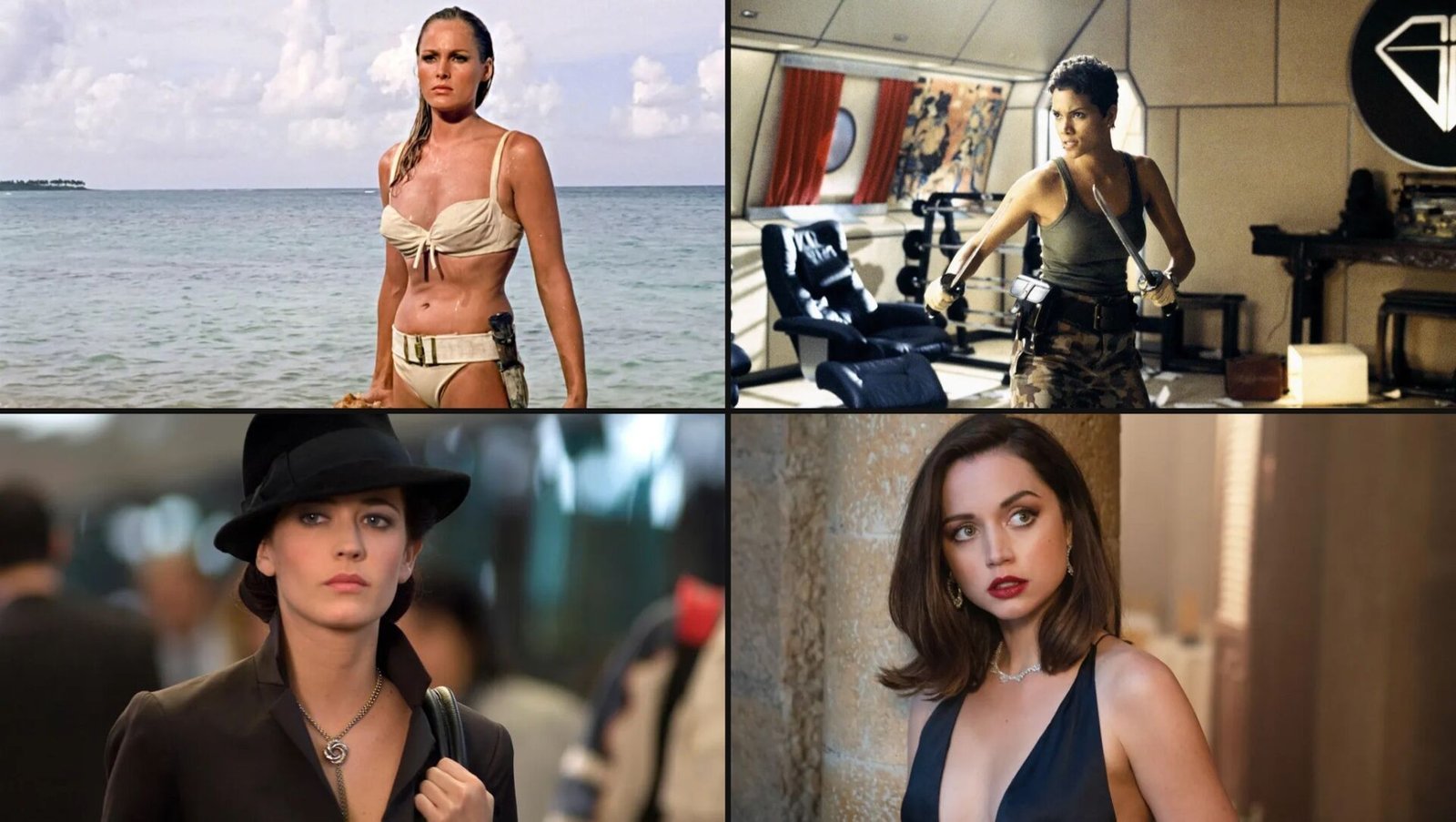
Fourteen Bond Women Who Defined Their Decades, as Robert Pattinson Becomes 007
From Ursula Andress to Ana de Armas, fourteen women who changed what James Bond meant, as Robert Pattinson is named the seventh 007.

THE CURATED EDITION.
Reportage /
From Yusuf Dikeç's hand in his pocket in Paris to the fifteen events of Los Angeles 2028: how sport shooting left the margins and became a collector's discipline.
WAYFARER Edition · Culture | Sport shooting
The image went around the world before anyone understood what was at stake.
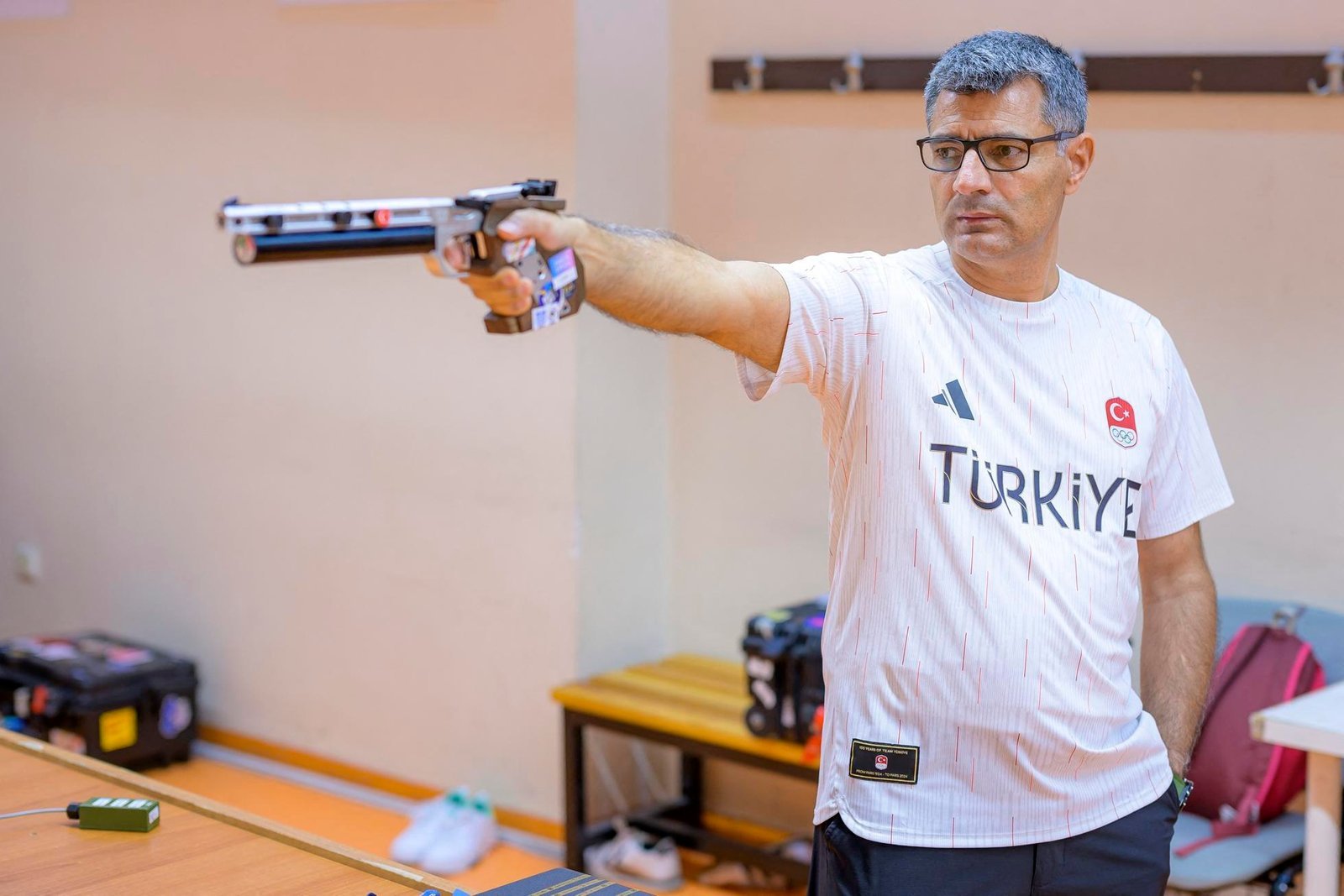
The Turkish shooter Yusuf Dikeç, in the pistol final at the Paris Games, firing with his free hand tucked in his pocket, no protective glasses, no ear defenders, with the composure of a man at home. The silver he won alongside Şevval İlayda Tarhan became the symbol of a sport that had until then lived at the edges of public attention. On the road to Los Angeles 2028, those edges are shrinking.
There will be fifteen shooting events, men’s and women’s, spread across the three platforms that structure the discipline: pistols, rifles and shotguns, each with its own formats and calibres. As in athletics, swimming or cycling, sport shooting is multidisciplinary by nature. There are specialists who master a single category and generalists who move between them all. And, as with any Olympic sport, a much larger world exists away from the Games.

That parallel world is what drives people who, like the author of this account, came to the sport first out of curiosity and then out of discipline. Over the course of a year, the author hired instructors for each of the three platforms, acquired top-level competition guns and built a network that runs through shooting clubs, military academies and specialist training destinations in Dallas, Las Vegas, Oregon and New Hampshire. The logic is not so far from other passions, such as track driving, made-to-measure mountain bikes or curating a watch collection: the common thread is the continuous pursuit of technique, repertoire and excellence.
The Olympic Games show only the common denominator of sport shooting, enough to be understood by different nations and cultures. In the United States, access to equipment and disciplines is broader, and in recent years it has expanded into civilian programmes inspired by military training and protocols.
The seed of this story was planted in 1999, during a reporting assignment for Men’s Fitness on a Los Angeles SWAT sergeant, a legend of the force who trained Navy SEALs, advised Hollywood productions and still led the elite police unit, all in his fifties. It was possible then to train with the full SWAT arsenal: a 9mm pistol, a 9mm submachine gun, an AR-15 rifle and a semi-automatic shotgun, in tactical drills that combined constant movement with double taps on targets called out in sequence by the instructor.
It was demanding training, almost visceral, and strictly restricted. In 1999 this kind of practice belonged almost exclusively to SWAT teams and the military. There was no civilian route in, neither through the facilities available nor at the cost of the equipment.
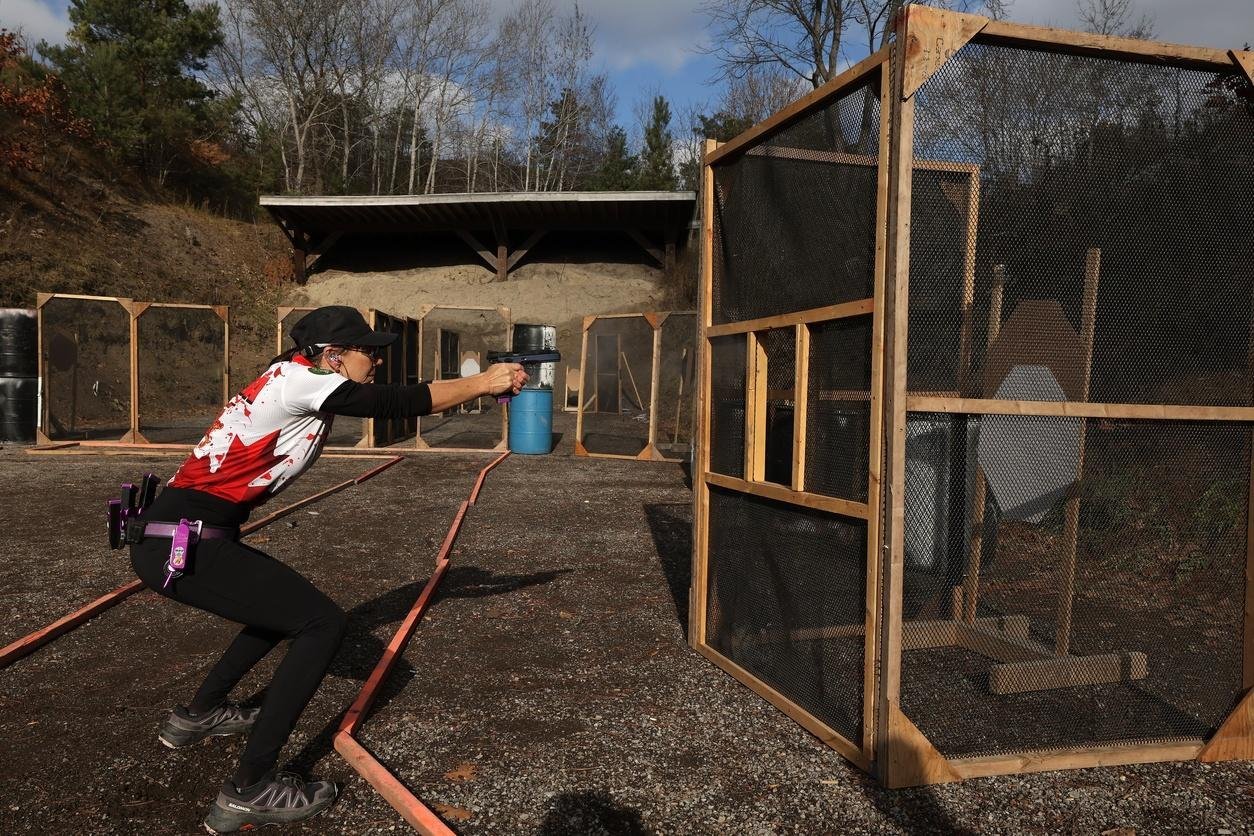
The return to the sport, decades later, came by an unexpected route: a herniated disc that limited cycling, which had previously taken up ten to fifteen hours a week. With time on hand, the way in was a local shooting club and the purchase of a compact 9mm pistol and a pistol-calibre carbine (PCC), a close cousin of the submachine gun used decades earlier with SWAT.
The welcome from the community was a surprise: no judgement for almost thirty years without touching a gun, only guidance and patience, a notable contrast with the sometimes more closed tone of other sporting tribes, such as cycling, skiing or motor racing.
Organised sport shooting in the United States divides into five main categories: pistol, shotgun, rifle, long range and multigun. The International Practical Shooting Confederation (IPSC) is the global governing body, and the United States Practical Shooting Association (USPSA) is IPSC’s second-largest region, behind only Russia. The disciplines cover the three Olympic platforms, as well as 3-gun, which combines pistol, rifle and shotgun in a single match, and PCCs.
There is also the International Defensive Pistol Association (IDPA), which simulates real defensive situations, and the Steel Challenge Shooting Association (SCSA), shooting at steel targets from a fixed position, affiliated with USPSA. The Precision Rifle Series (PRS) organises long-range shooting, and the National Sporting Clays Association governs clay shooting. More recently, the Tactical Games, founded in 2018, began combining shooting stages with physical challenges of military inspiration.
The ecosystem reaches public schools too: more than forty American states offer clay target programmes for around 50,000 students from sixth to twelfth grade, organised by the High School Clay Target League and the Scholastic Clay Target Program.
Most competitions are built in stages, with movement between targets and scoring defined by speed and accuracy, while disciplines such as precision shooting, Steel Challenge and clays are shot from a fixed position. In terms of timing, the parallel with Formula 1 is direct: at the highest levels, tenths and hundredths of a second decide results, demanding refined motor coordination and deeply ingrained muscle memory.
One fact tends to surprise outsiders: sport shooting is statistically safer than many conventional sports. Safety protocol is treated as the absolute priority, from the start to the end of every session. The fatality rate is practically zero, while cycling records twice the injuries and skiing three times, and motor racing registers 25 fatalities per 100,000 hours of exposure.
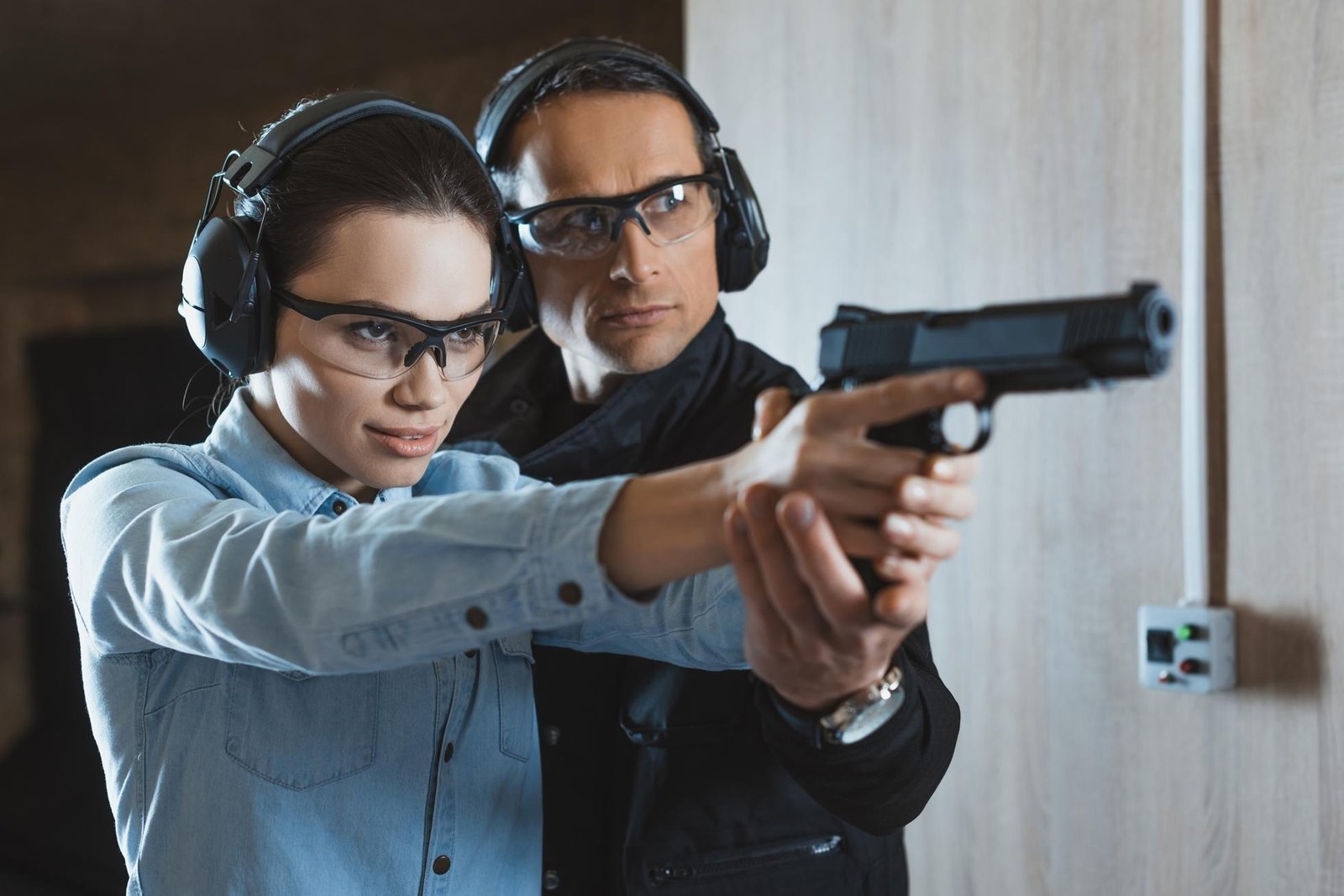
For every dollar spent on equipment, the recommendation is to spend fifty cents on training, available at practically every club and range, often led by former military personnel. Competition itself is only the icing on the cake. The most consistent learning happens in regular practice, whether at indoor ranges with movement drills, outdoor ranges with long-range and clay shooting, or on public land managed by the Bureau of Land Management in Utah, where shooting is allowed in a freer format, often combined with camping trips.
Entering this world almost inevitably means becoming a collector. The phenomenon recalls cycling, where a dozen made-to-measure bikes make up a garage, but in sport shooting the scale multiplies, given the variety of pistols, rifles, shotguns and PCCs, each with distinct levels of quality, performance and price.
The Beretta 92X Performance Carry Optic, in a Midnight Squall finish, costs $1,699. Beretta, the oldest gunmaker in the world, has just celebrated 500 years. The original 92, used by the US military since the 1980s and made famous on screen by Lethal Weapon, gains in this competition version a refined finish and a Steiner MPS-C red dot, within the Carry Optic category, which pairs a production gun with a mounted optic.
The Cabot Guns Apocalypse MAX, at $9,495, sits at the top of the double-stack 1911 category, also known as 2011. Its Damascus steel gives each slide a unique pattern, making it a limited-production custom build: only a hundred are made each year.
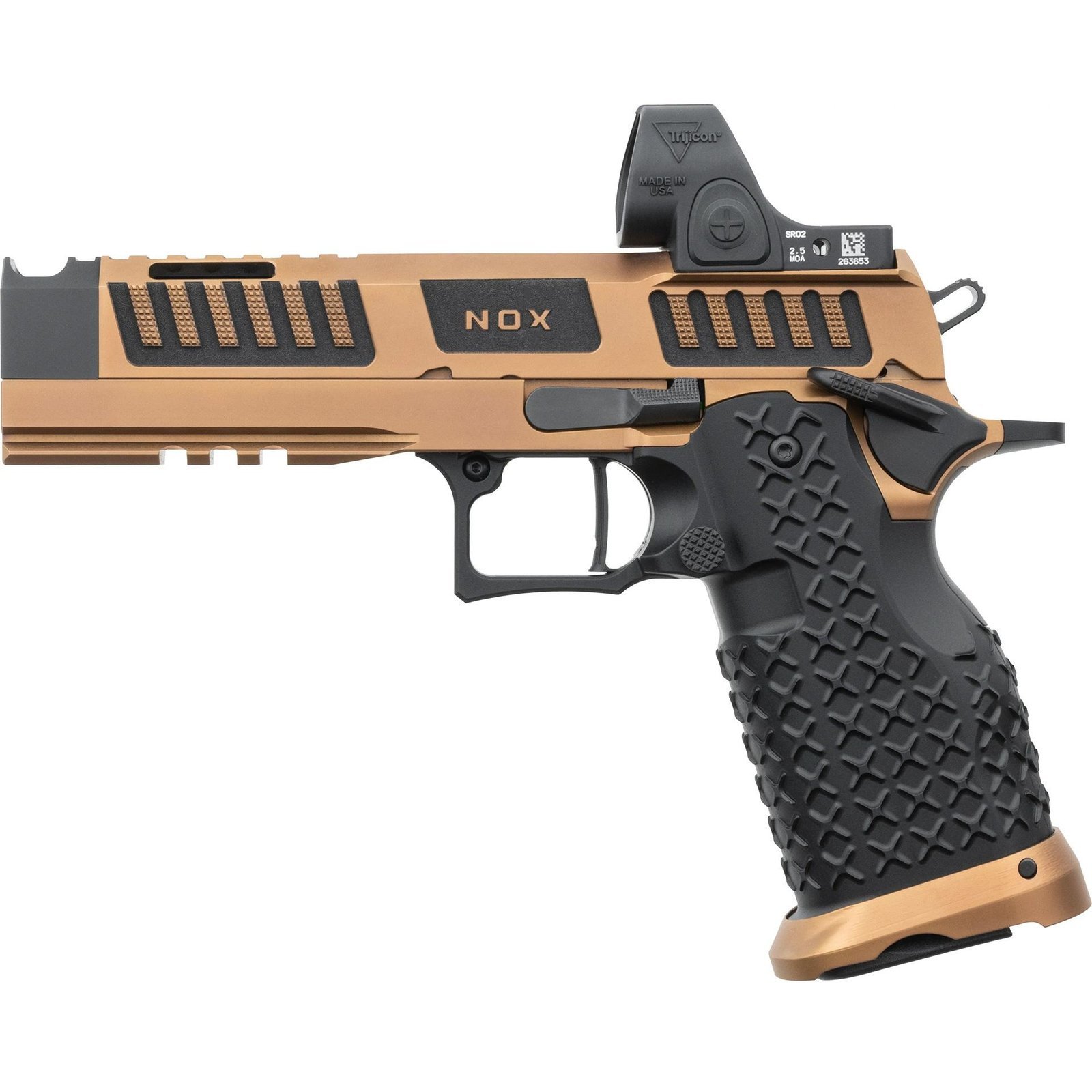
The Jacob Grey NOX Gentlemen Series, at $5,999, is the latest from a relatively new name in the 2011 segment, which debuted in 2023 with the TWC 9. The new release brings a patent-pending trigger, refined looks, a Trijicon SRO sight, a Surefire X300T light and a holster by Alpha Omega Kustoms.
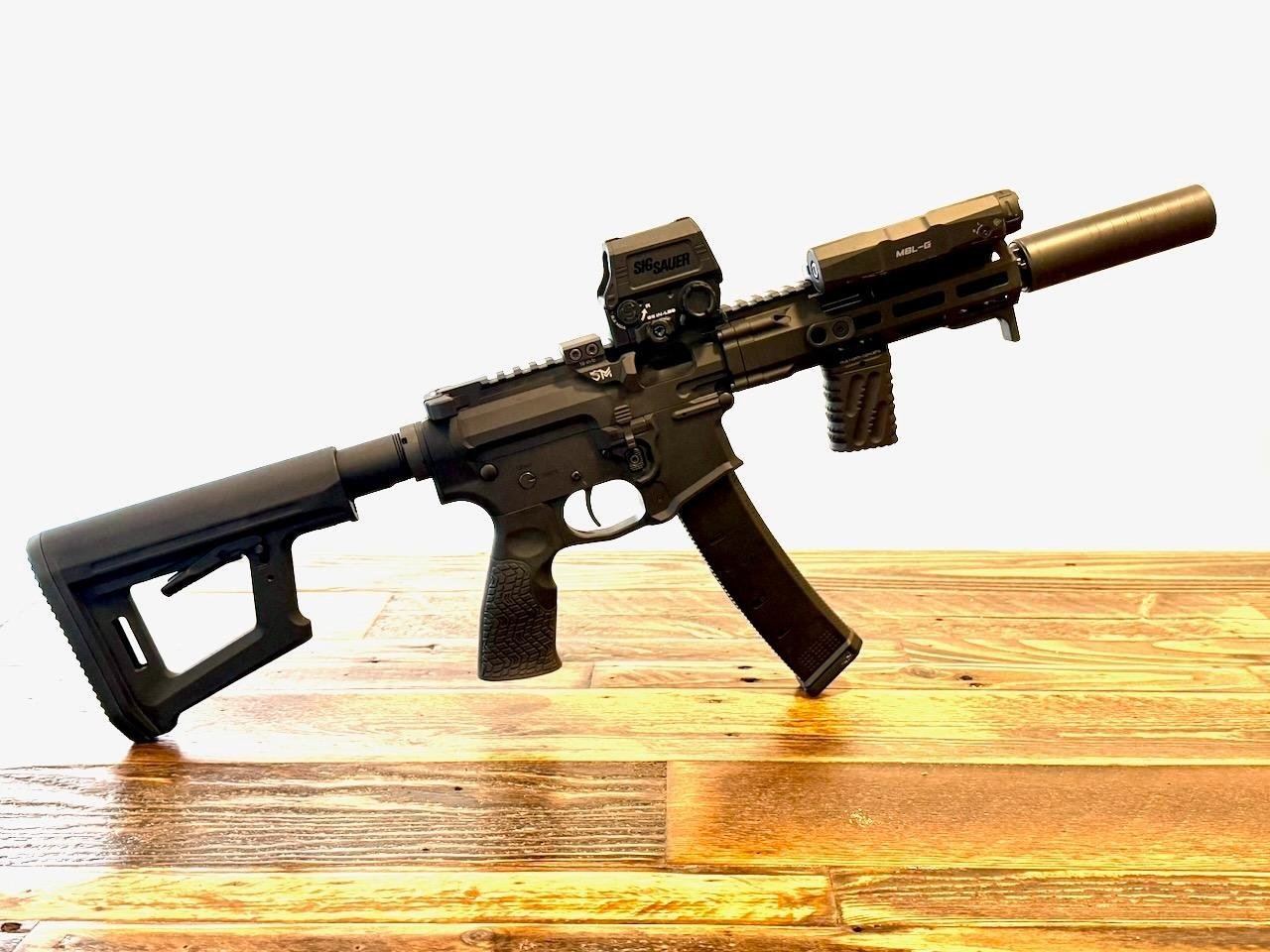
The Daniel Defense PCC SBR, at $2,046, built on an AR platform and also classed as an “AR-9”, offers accuracy and fun in a compact format, at a lower cost than the segment’s benchmark. The model tested carries a SilencerCo Spectre 9 suppressor and a Sig Sauer Romeo8T-AMR sight.
The Heckler & Koch SP5, at $3,679, is the semi-automatic civilian version of the MP5, an icon of special forces and of cinema since the 1980s. Of the four guns originally tried with SWAT, it left the strongest impression: smooth shooting combined with pinpoint accuracy at a high rate of fire. The model shown carries a Dead Air Mojave 9 suppressor and a Midwest Industries M-LOK handguard.
A word on suppressors: their main purpose is to reduce noise and concussion, making shooting safer and more comfortable, never silent as films suggest. Ear protection remains mandatory even with one fitted, and their growing use among police and military forces is chiefly about preserving operators’ hearing.
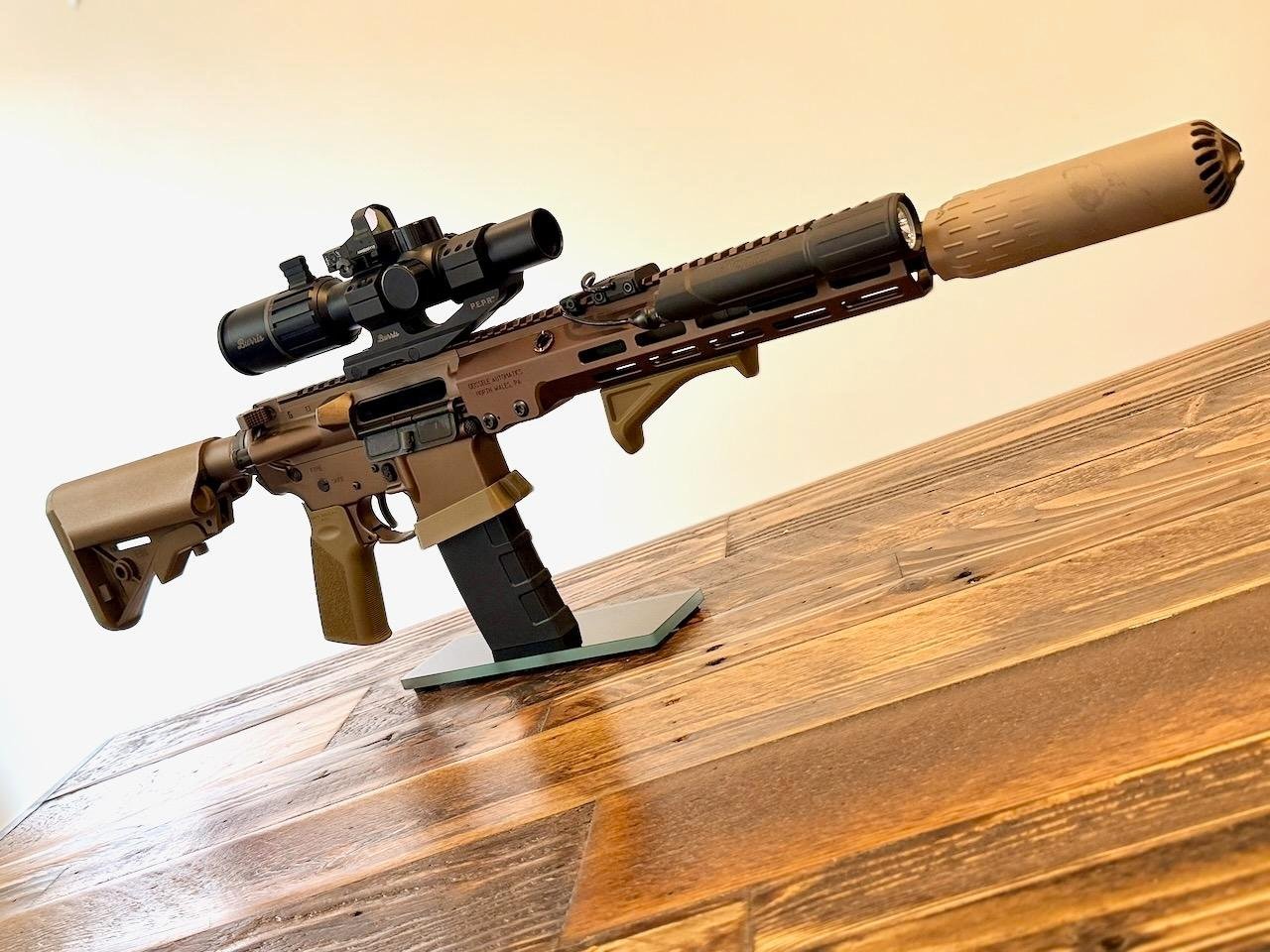
The Geissele Super Duty MOD1, with a 12.5-inch barrel, costs $2,475. Geissele built its reputation making the best triggers for AR-15 rifles before expanding into a full line of civilian and military guns. The Super Duty, available with barrels from 10.3 to 16 inches, offers accuracy and reliability thanks to cold hammer forging and chrome lining. The configuration tested carries a Burris RT-6 FastFire E Tactical sight, ideal for 3-gun, and a HUXWRX Flow 556k suppressor.
The Heckler & Koch MR556 M4, at $4,299, is the civilian version of the HK416, used by American special forces and armies around the world. “MR” stands for Match Rifle, its original purpose. The short-stroke gas piston system keeps gases out of the action, allowing more rounds with less maintenance and wear, which translates into faster times and greater accuracy in competition.
The AR-15 is the most widely used rifle in 3-gun and the Tactical Games, a civilian semi-automatic rifle in smaller calibres (.223 and 5.56) than those used in traditional hunting rifles. “AR” stands for Armalite Rifle, the name of the company that developed the original platform in the 1950s.
The Benelli M4 EXT Tactical, at $2,599, represents the Italian tradition of high-level shotgun making. Semi-automatic and part of the US Marine Corps arsenal, it holds seven shells in the tube, one in the chamber and another on the lifter, nine in all. The gas system allows heavy loads, such as slugs and 00 buckshot, to be fired in quick succession with reduced recoil and greater control. The version tested carries a Burris FastFire E sight.

The Genesis Arms Gen-12 SBM, at $2,990, made in Idaho, is one of the few semi-automatic tactical shotguns to feed reliably from a magazine rather than a tube. Built on an AR-10 platform, it uses the same controls as a rifle: trigger, safety, bolt release. Proprietary 5, 10 and 15-round magazines take 2¾ and 3-inch shells, and the short-recoil system, rather than a traditional gas system, delivers one of the softest-shooting 12-gauges on the market, decisive for accuracy against the clock. The version tested carries an EOTECH EXPS2 sight and a HUXWRX Ventum 12K suppressor.
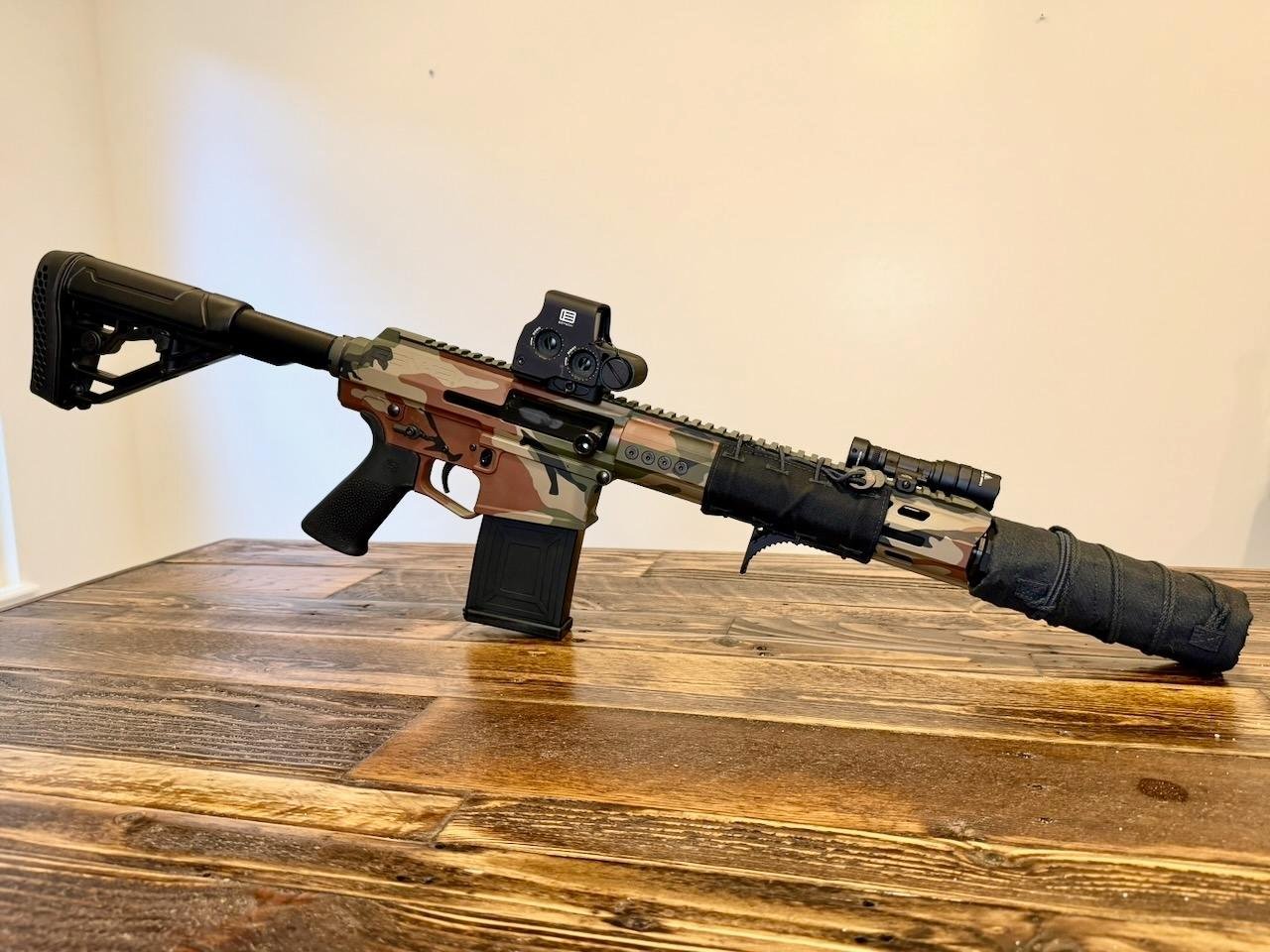
Tactical shotguns rarely appear on the competitive circuit as such, but they remain a valuable training tool, in the same way that a downhill bike contributes to the conditioning of someone who races cross-country. The equipment changes; the discipline and technique built with it remain.
In Paris, Dikeç shot with his hand in his pocket and the world took it for a pose. It was the opposite: years of training reduced to a gesture that looks easy. That is what is really collected here, more than the guns: the calm of someone who no longer needs to prove anything.
CONTINUE READING
Culture / Reportage
From Ursula Andress to Ana de Armas, fourteen women who changed what James Bond meant, as Robert Pattinson is named the seventh 007.

Culture / Reportage
As Grand Theft Auto VI arrives on 19 November, Vice City revives a Miami built less by architects than by Miami Vice and Scarface: pastel, neon and danger in equal measure.
Culture / Reportage
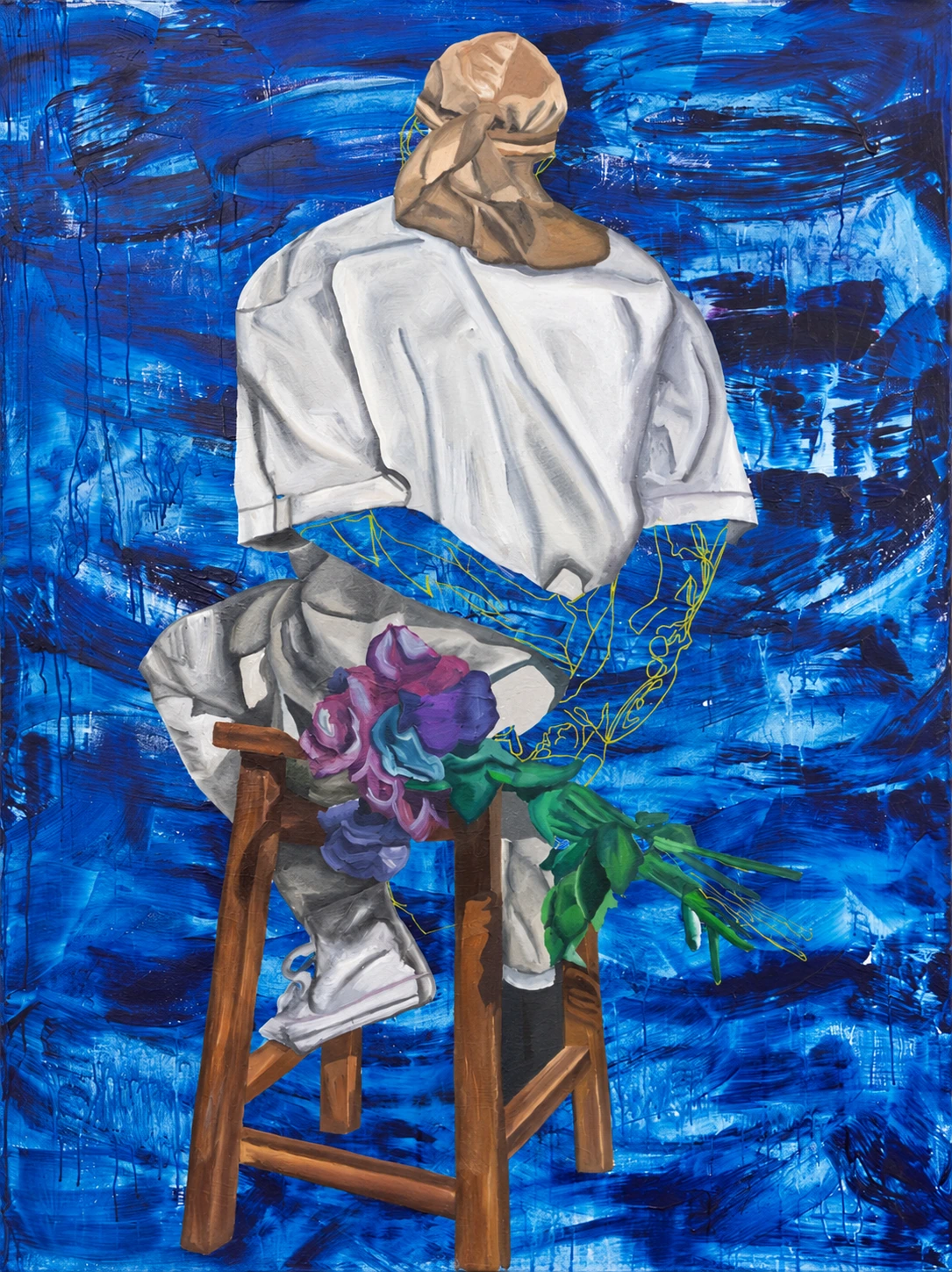
KORNFELD's early-2026 programme connected holography, portraiture and Brazilian visual traditions through a shared curatorial question.
Culture / Reportage
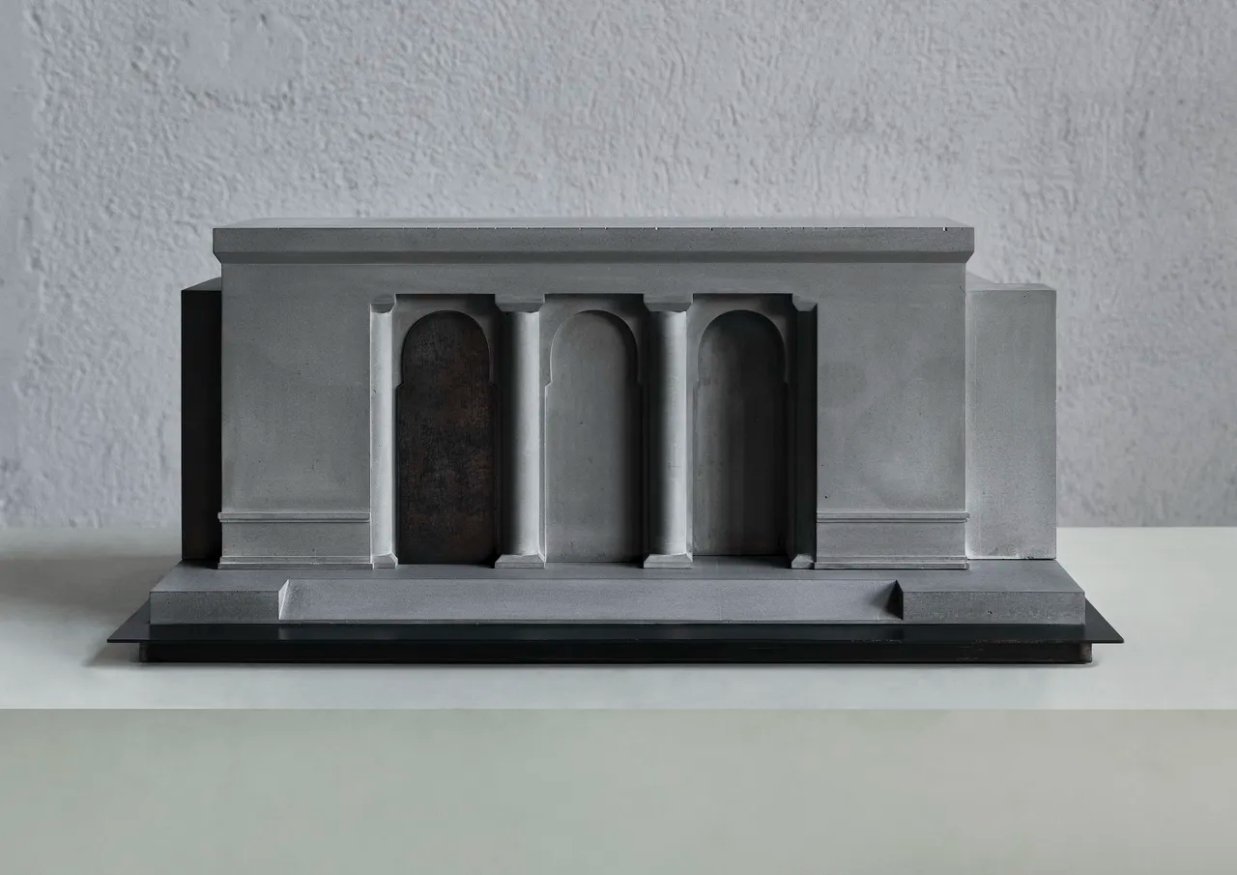
Textiles, suspended paper, discarded books and digital selves gave the 2026 edition several different registers.
Culture / Reportage
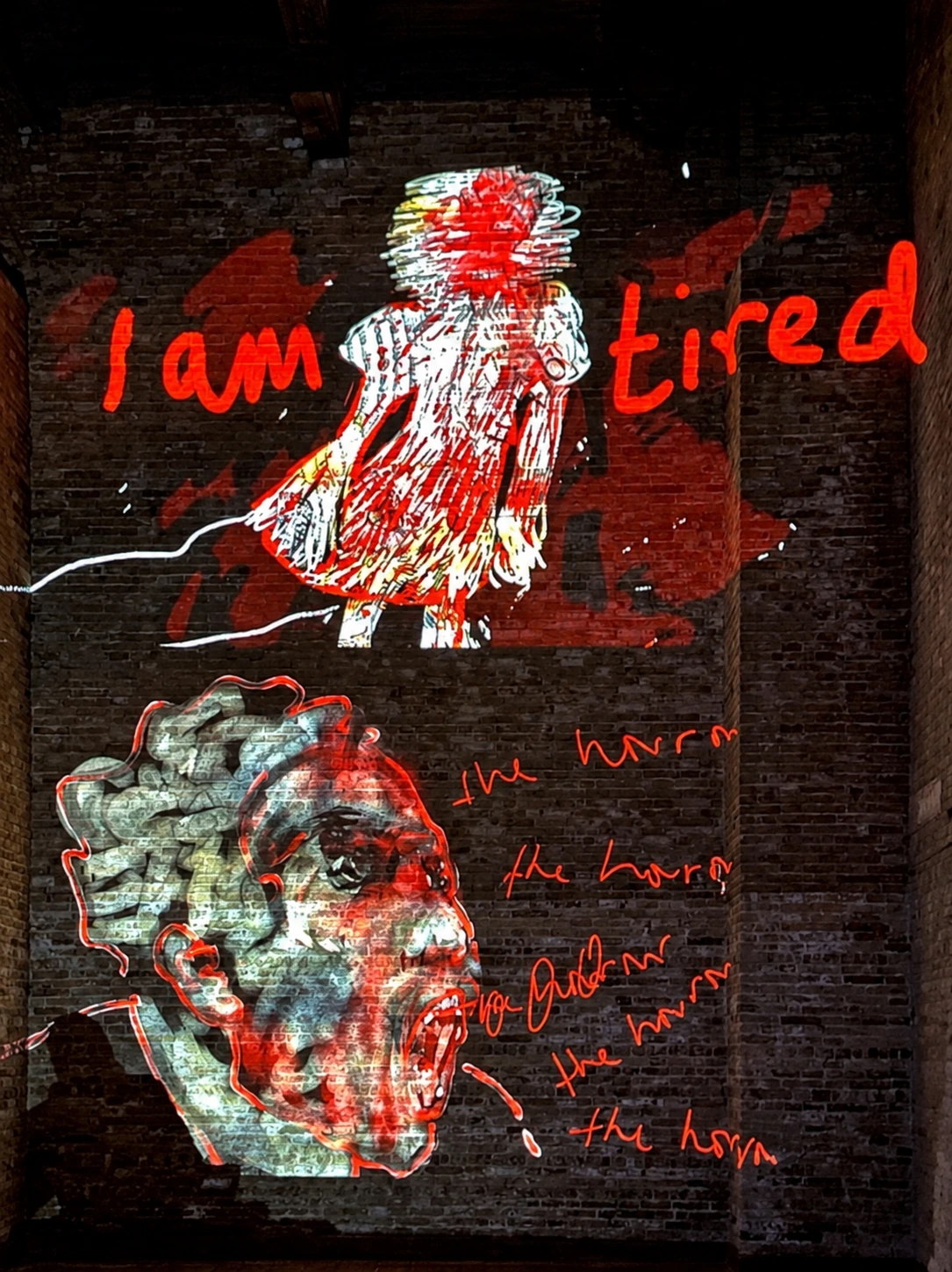
The Biennale’s central exhibition sits within a wider constellation of national pavilions and independent shows.

Culture / Reportage
Jewellery, textiles, contemporary art and independent design connect the Pink City’s inherited skills with a new international audience.
THE CURATED GLOBE / FROM THE EDITORS
A considered selection of people, places and ideas from WAYFARER Edition, delivered to your inbox.
Free. No data sharing. Unsubscribe in one click.