Culture / Reportage
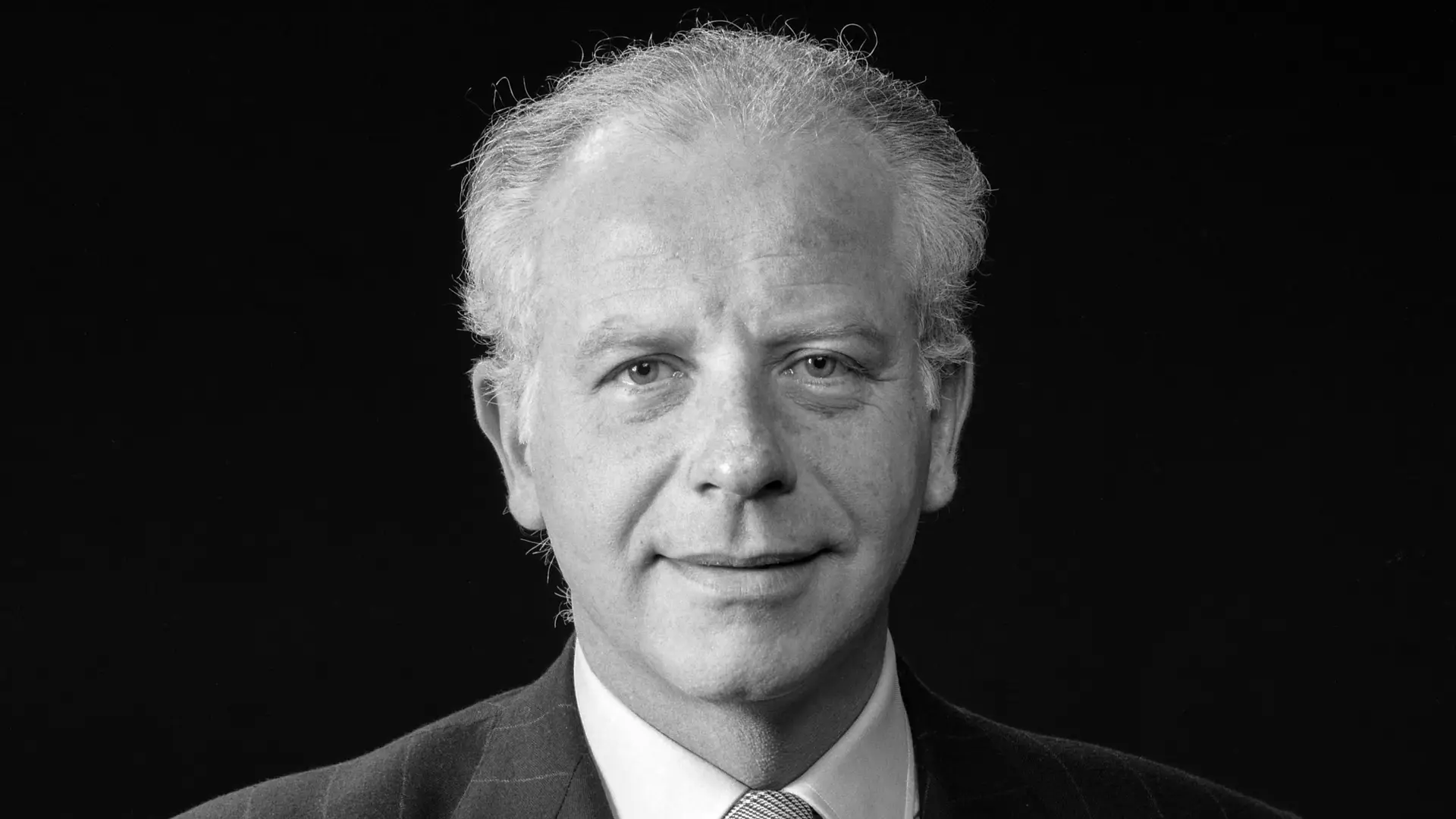
Paolo Bulgari, the Man Who Listened to Stones
Paolo Bulgari has died in Rome at 89. He chose gems with his eyes closed and taught high jewellery to speak in colour. A portrait.

THE CURATED EDITION.
Reportage / Venice
The Biennale’s central exhibition sits within a wider constellation of national pavilions and independent shows.
CULTURE · TRAVEL
In Minor Keys gives the 2026 Venice Biennale a musical starting point without asking every work to illustrate music. Koyo Kouoh’s curatorial vision attends to the registers that a monumental exhibition can overwhelm: relationships, movement, gestures and different ways of inhabiting a shared space.
Kouoh died in 2025. The exhibition was realised by her team and La Biennale, carrying forward a framework she had already established. It runs from 9 May to 22 November 2026 at the Giardini, Arsenale and other locations in Venice. Its authorship should not disappear behind a calendar entry.
The international exhibition, national participations and independent museum presentations are different structures. They overlap geographically and draw visitors through the same city, but one ticket, date range or curatorial argument does not automatically cover all of them.
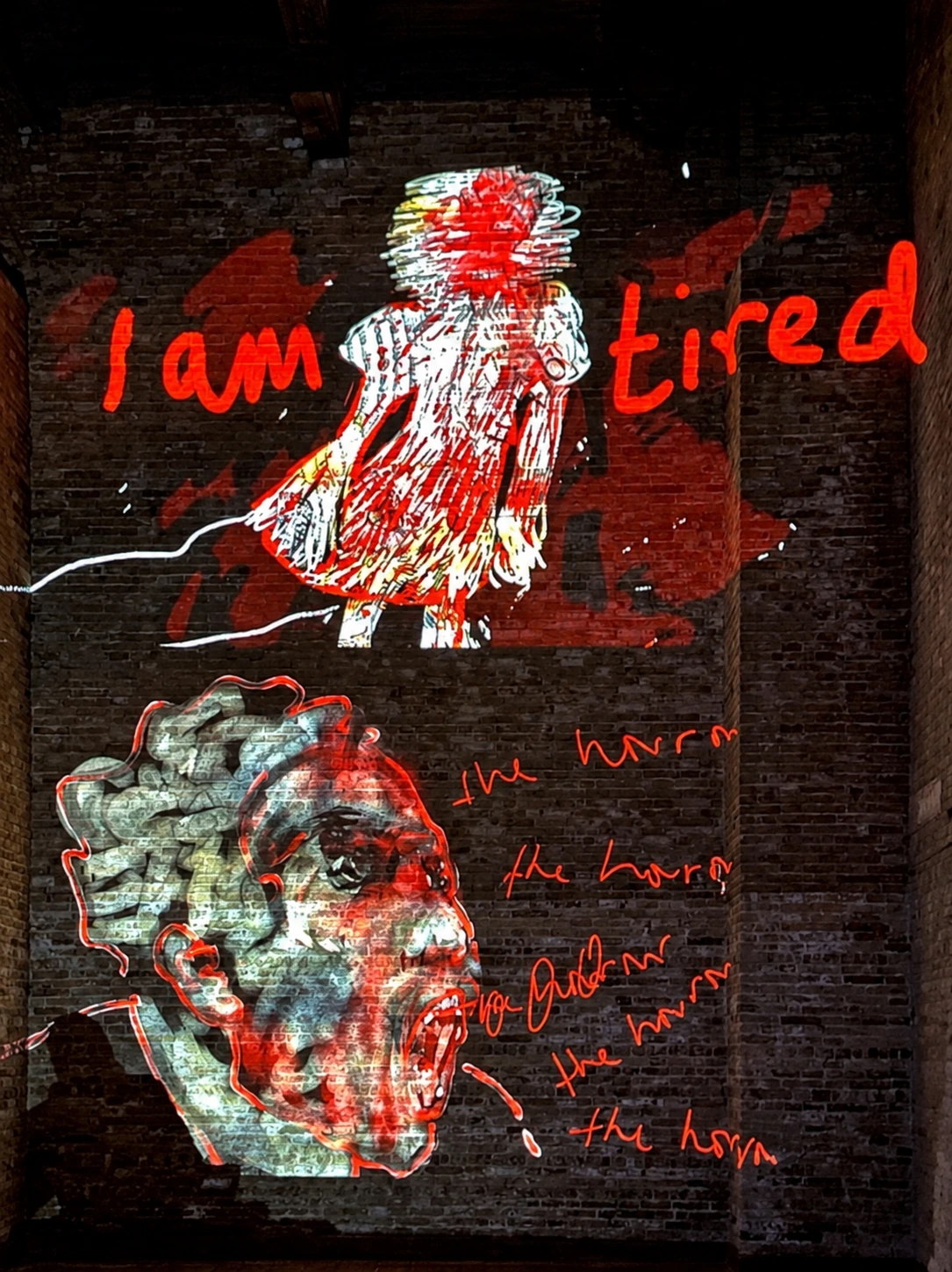
Andreas Angelidakis’s Escape Room for Greece uses Plato as a reference within an architectural proposition. Lubaina Himid’s British presentation explores home and belonging. Maja Malou Lyse’s Danish project takes male fertility as a subject, while Nalini Malani brings animation and sound into her engagement with Orestes. These are distinct national projects, not chapters written by Kouoh for the central exhibition.
Hernan Bas’s The Visitors at Ca’ Pesaro places new paintings within another institutional context. Barry X Ball’s The Shape of Time on San Giorgio Maggiore and Sanya Kantarovsky’s work at Palazzo Loredan, including an encounter with Murano glass, ask visitors to move beyond the principal Biennale sites.
Arthur Jafa and Richard Prince’s presentation at Fondazione Prada brings questions of image circulation and appropriation into that wider circuit. Such exhibitions deserve their own reading rather than being treated as optional decoration around the main event.
Each venue has a separate calendar and access arrangement. The Biennale’s November closing date should not be used to promise that every related show remains open until then.
A route can begin with the central exhibition and continue through one or two independent presentations, rather than compressing every institution into a checklist. The distinction preserves authorship: Kouoh’s framework remains its own proposition, and a museum exhibition is permitted to develop another. Venice is the connection between them, not proof that they share one argument.
Further information: La Biennale di Venezia · In Minor Keys · Biennale programme.
Instagram: La Biennale di Venezia · @labiennale.
CONTINUE READING
Culture / Reportage
Paolo Bulgari has died in Rome at 89. He chose gems with his eyes closed and taught high jewellery to speak in colour. A portrait.
Culture / Reportage
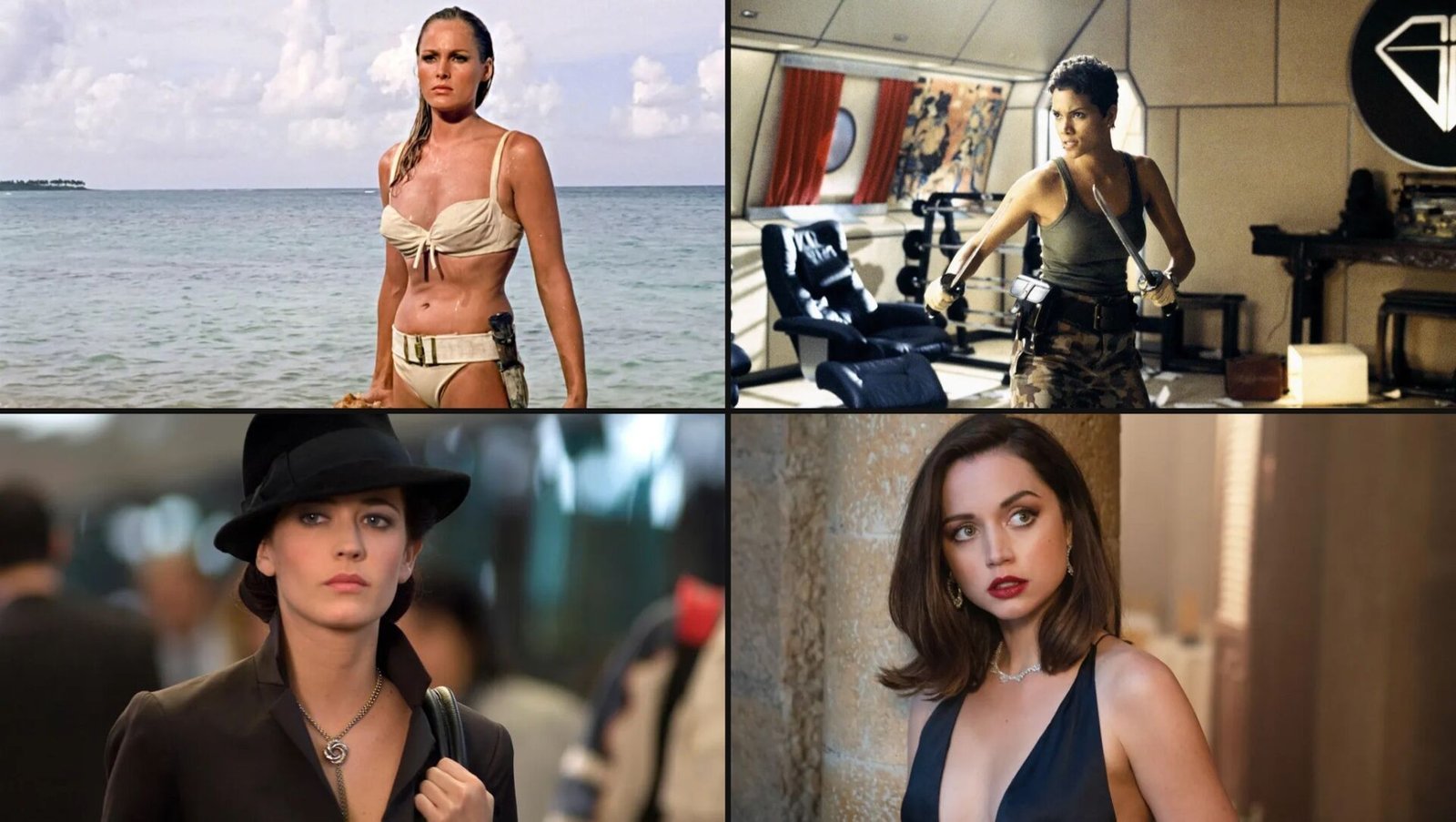
From Ursula Andress to Ana de Armas, fourteen women who changed what James Bond meant, as Robert Pattinson is named the seventh 007.
Culture / Reportage
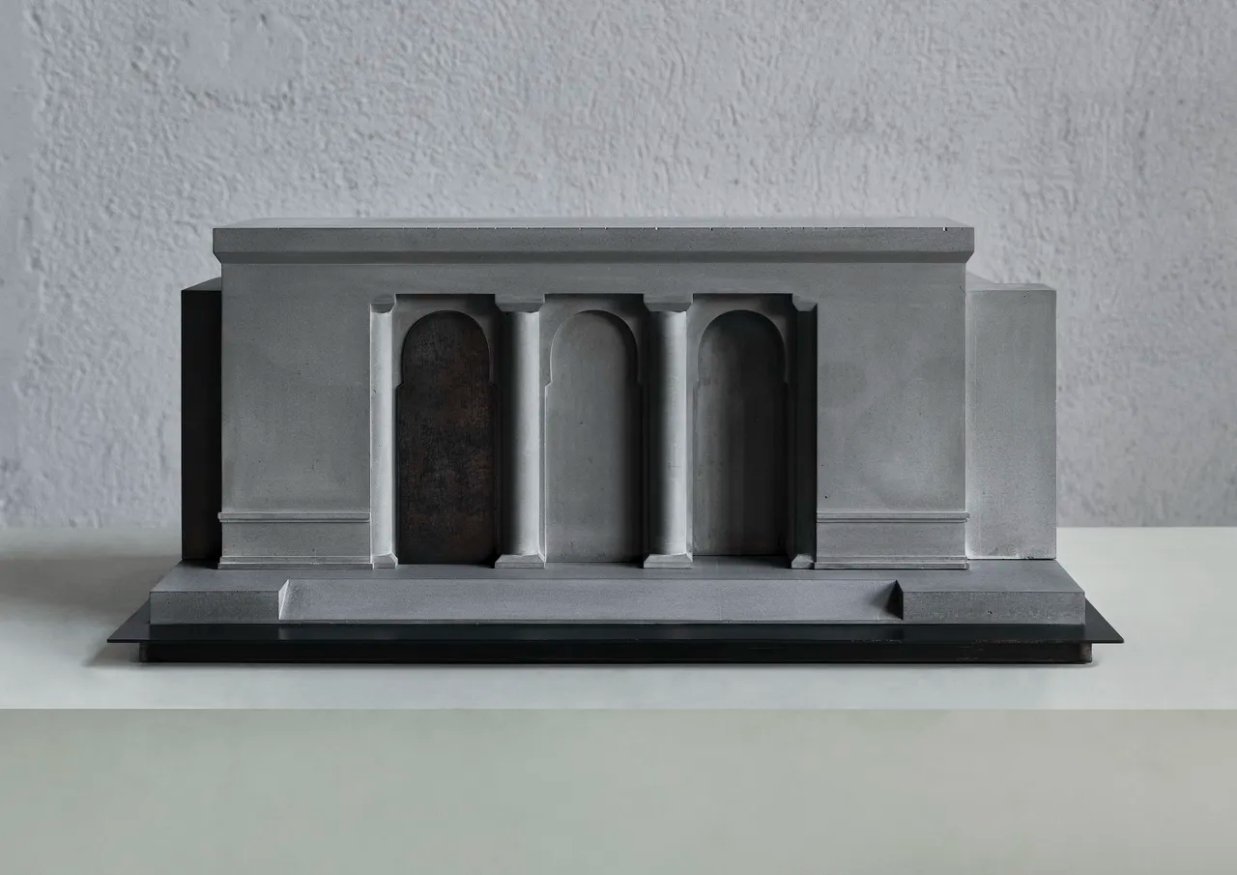
Textiles, suspended paper, discarded books and digital selves gave the 2026 edition several different registers.
Culture / Reportage
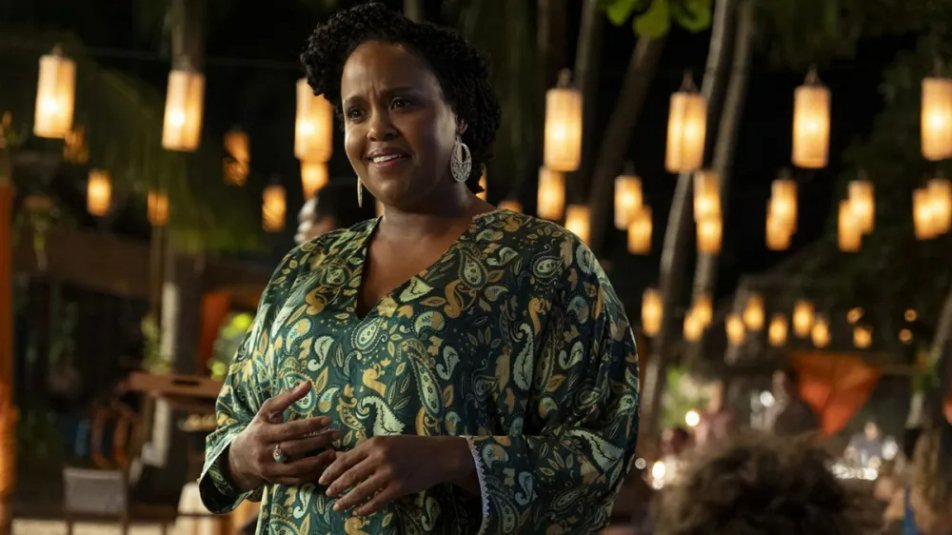
Mike White's fourth season unfolds during the Cannes Film Festival, between a castle in Saint-Tropez and the Croisette. The subject this time is fame, and the series is due on screen in 2027.
Culture / Brief
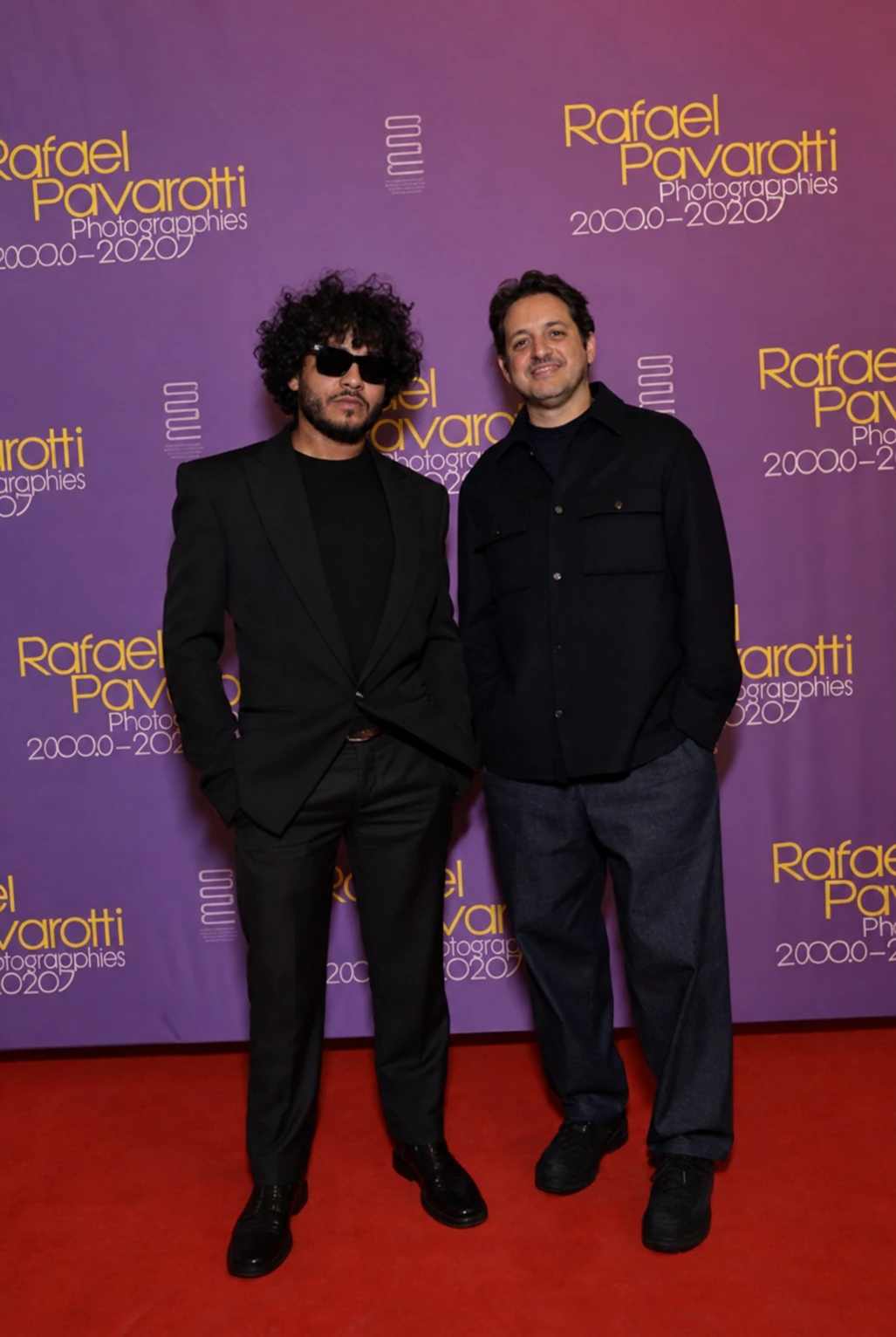
The Musée des Arts Décoratifs brings fashion images, pop portraits and the Brazilian photographer’s visual language into the museum.
Culture / Interview
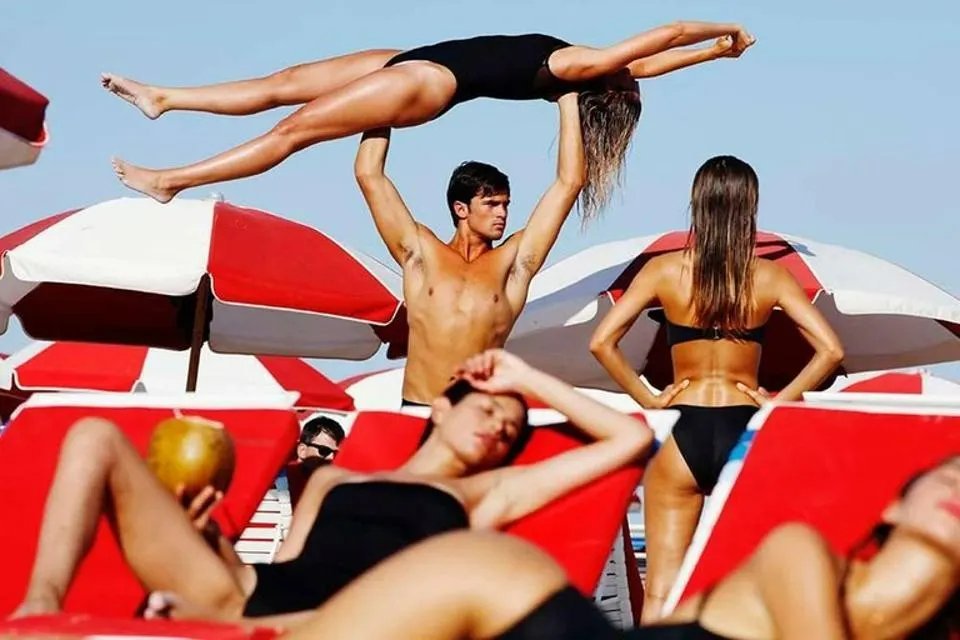
An Irish photojournalist turned fashion photographer, he paints with saturated colour, irony and the memory of stained glass.
THE CURATED GLOBE / FROM THE EDITORS
A considered selection of people, places and ideas from WAYFARER Edition, delivered to your inbox.
Free. No data sharing. Unsubscribe in one click.