The Jewelry Book: two centuries of jewels that changed the conversation
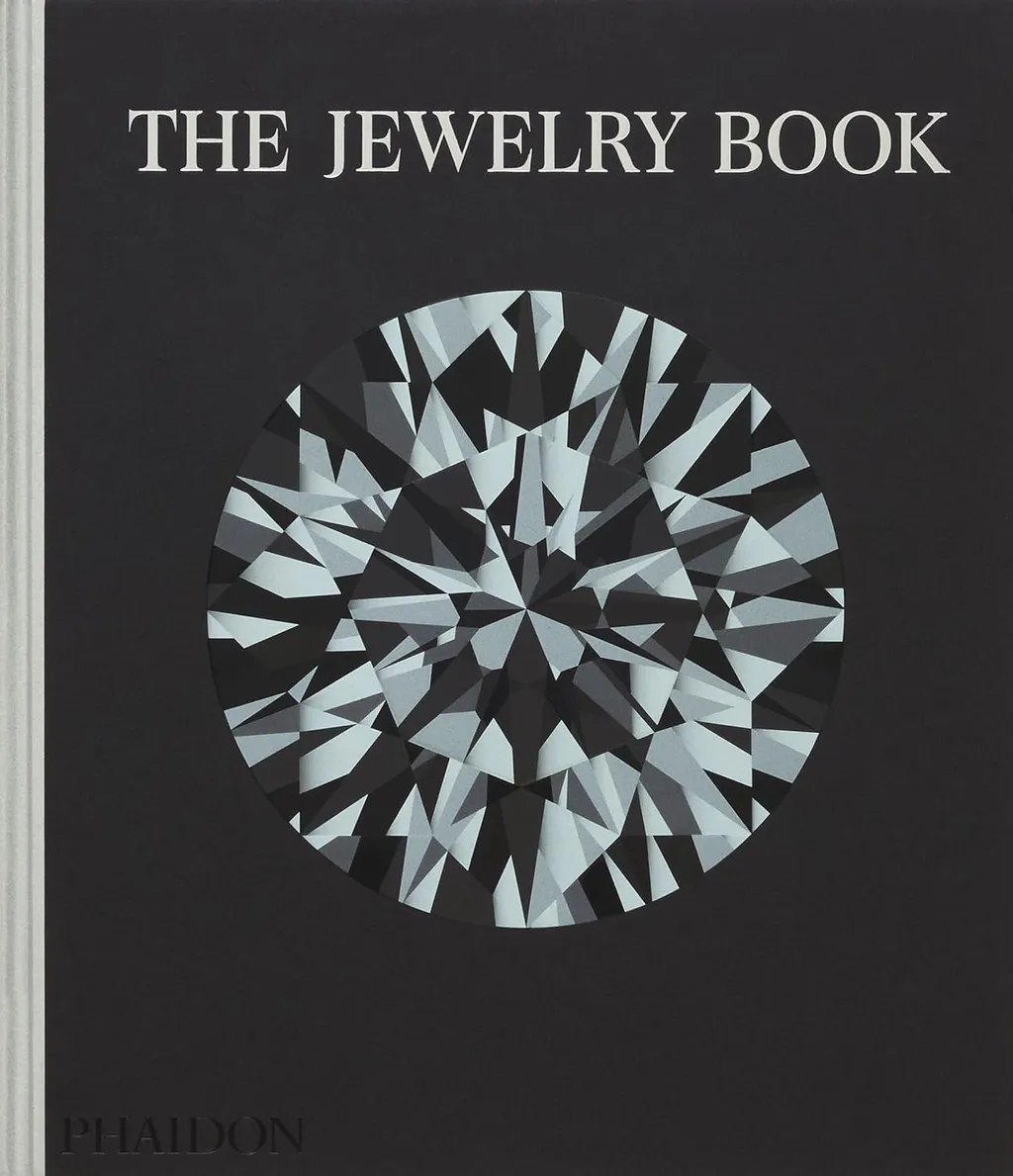
Edited by Melanie Grant for Phaidon, The Jewelry Book gathers 300 entries across two hundred years, from the great maisons to studio jewellers, and asks a better question than what a jewel is worth: what it changed.
A jewel becomes an icon not by its carat weight but by what it moves. That is the premise of The Jewelry Book, published by Phaidon in September 2025 and edited by Melanie Grant, a survey of two centuries in which the measure of a piece is its influence: on the craft, on taste, on the way people choose to present themselves.
The volume runs to 328 pages and 300 entries, each given its own page and a short essay by one of more than thirty specialist writers, with the selection shaped by an advisory committee. The result reads less like a catalogue than an argument, made one object at a time.
The great houses and the studio bench
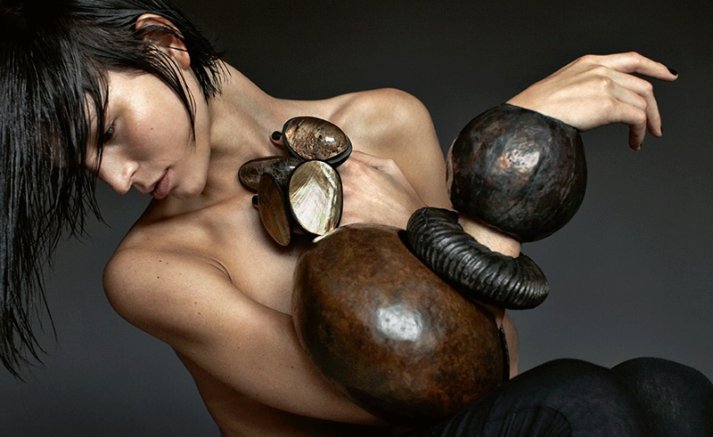
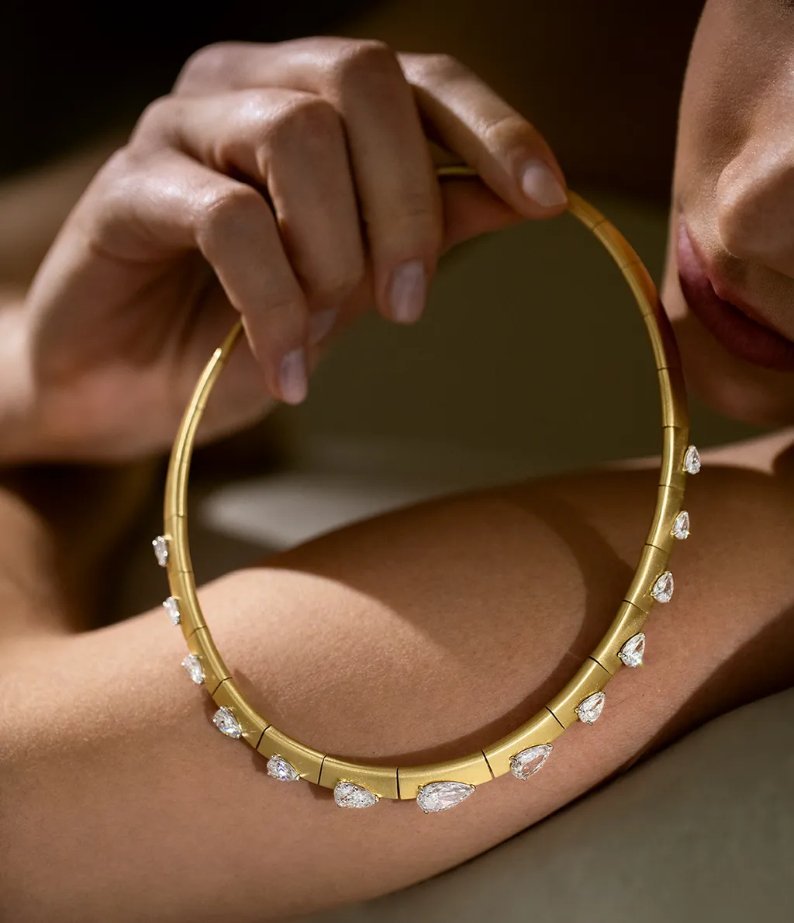
The familiar names are present: Van Cleef & Arpels, Cartier, Tiffany & Co. What gives the book its character is what stands beside them. Grant set out to cover every scale and every register of the discipline, from high jewellery to costume, from the historic to the contemporary, from heritage maisons to independent makers working alone. She has said that what makes the book different is precisely this eclectic mix.
INFLUENCE, NOT CARATS. IMAGE: COURTESY OF PHAIDON
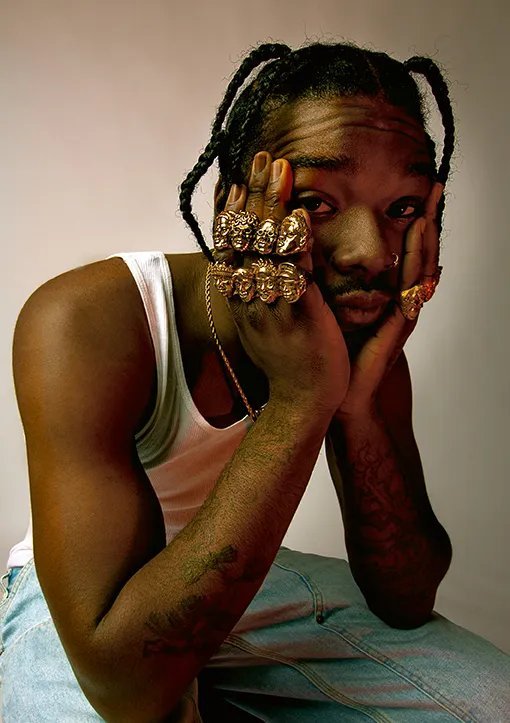
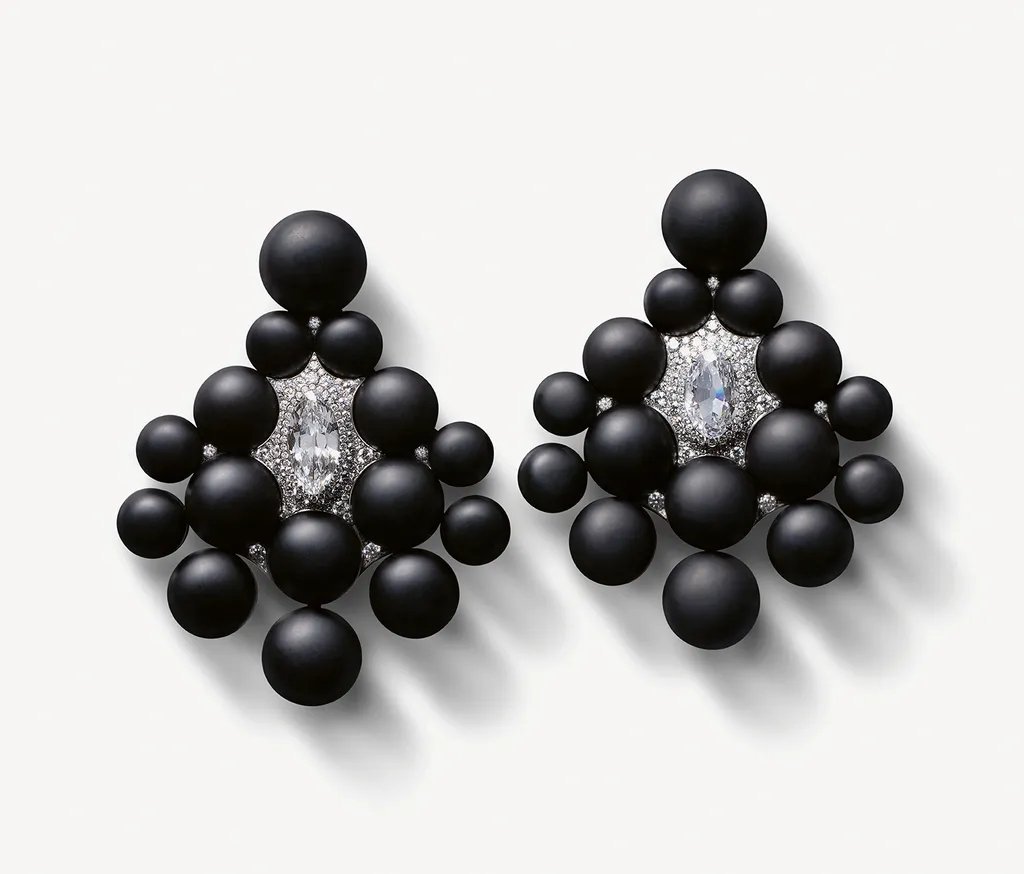
Among the art jewellers are figures such as the New Zealand artist Joe Sheehan, who works in stone, and John Moore, whose pieces reach for materials far from the jeweller’s traditional bench. Their inclusion makes a quiet point: invention in jewellery has always come as often from the margins as from the Place Vendôme.
FROM THE MARGINS TO THE PAGE. IMAGE: COURTESY OF PHAIDONEVERY SCALE, EVERY REGISTER. IMAGE: COURTESY OF PHAIDON
Jewellery as a way of speaking
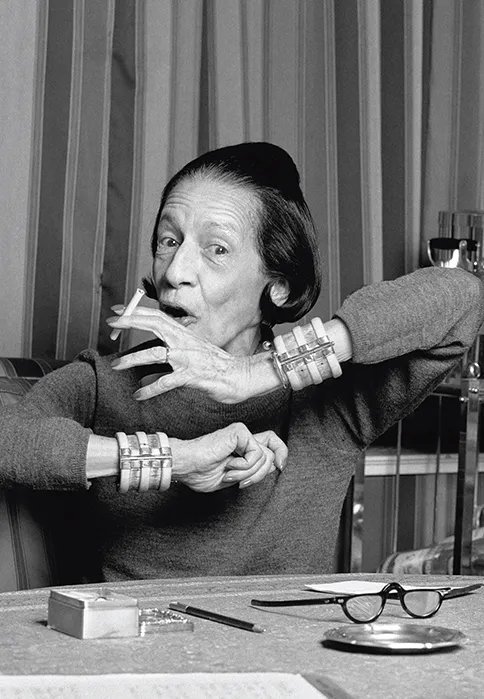
The book is as interested in wearers as in makers. Diana Vreeland appears in her warrior cuffs, photographed in 1982, a reminder that some people turned adornment into a personal language long before the word “personal brand” existed. Grant’s own view is that jewellery works less as armour than as amplification: it influences many people simply by being worn and seen.
ADORNMENT AS A LANGUAGE. IMAGE: COURTESY OF PHAIDON
Iron, aluminium and a sixteen-carat stone
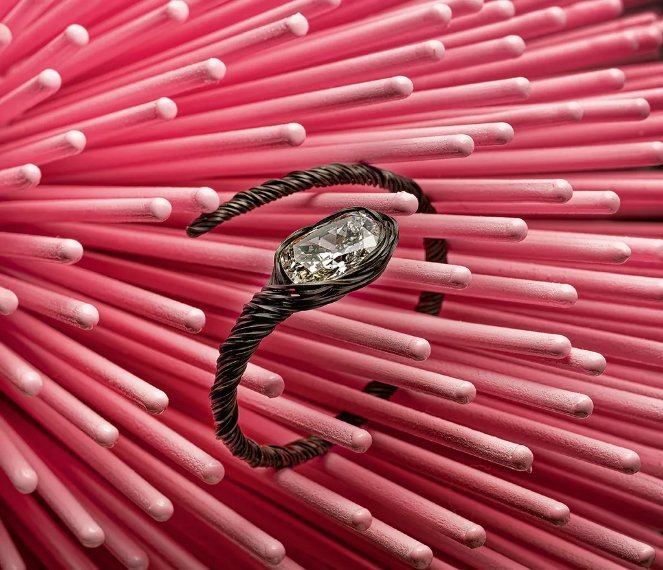
The contemporary entries show how far technique is still being pushed. The Athens jeweller Nikos Koulis, known for black enamel in an Art Deco spirit, is represented by his ME series of 2023, which sets diamonds against aluminium. The Munich house Hemmerle, founded in 1893 and famous for having each piece made by a single craftsman, contributes a 2023 bracelet of iron and white gold holding a diamond of more than 16 carats. The pairing of an unglamorous metal with an extraordinary stone is exactly the kind of decision the book exists to honour.
THE HUMBLE METAL, THE EXTRAORDINARY STONE. IMAGE: COURTESY OF PHAIDON
Grant closes on the market, which she acknowledges can be difficult but considers cyclical. What endures, in her reading, is the symbolic depth of jewels, which comes from their longevity: objects made to outlast their owners and to carry meaning from one life into the next.
MADE TO OUTLAST. IMAGE: COURTESY OF PHAIDON
Gold and stones explain a jewel’s price. They rarely explain its power. Three hundred pages later, the lesson of the book is a simple one: the pieces that shaped generations did so because someone, somewhere, decided to do it differently.
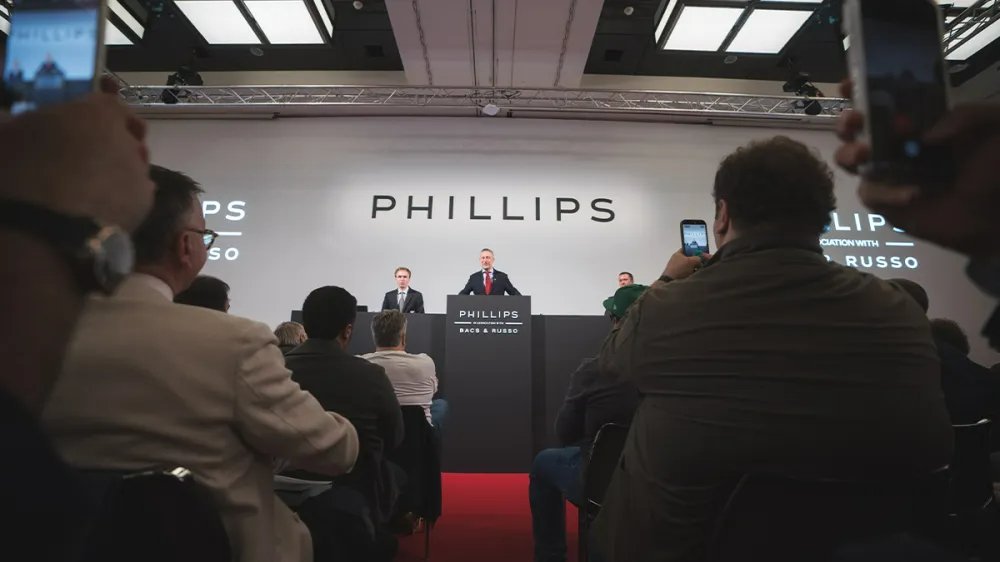
In November 2025 Phillips closed its first decade in Geneva with a white-glove sale of CHF 66.8 million, led by a 1943 steel Patek Philippe ref. 1518 at CHF 14.2 million. Six months later, the same room went higher still.
Maurice Lacroix, Frederique Constant, TAG Heuer and Tissot are returning to solar quartz, with a decade between battery changes and photovoltaic cells hidden beneath translucent dials or the crystal itself.
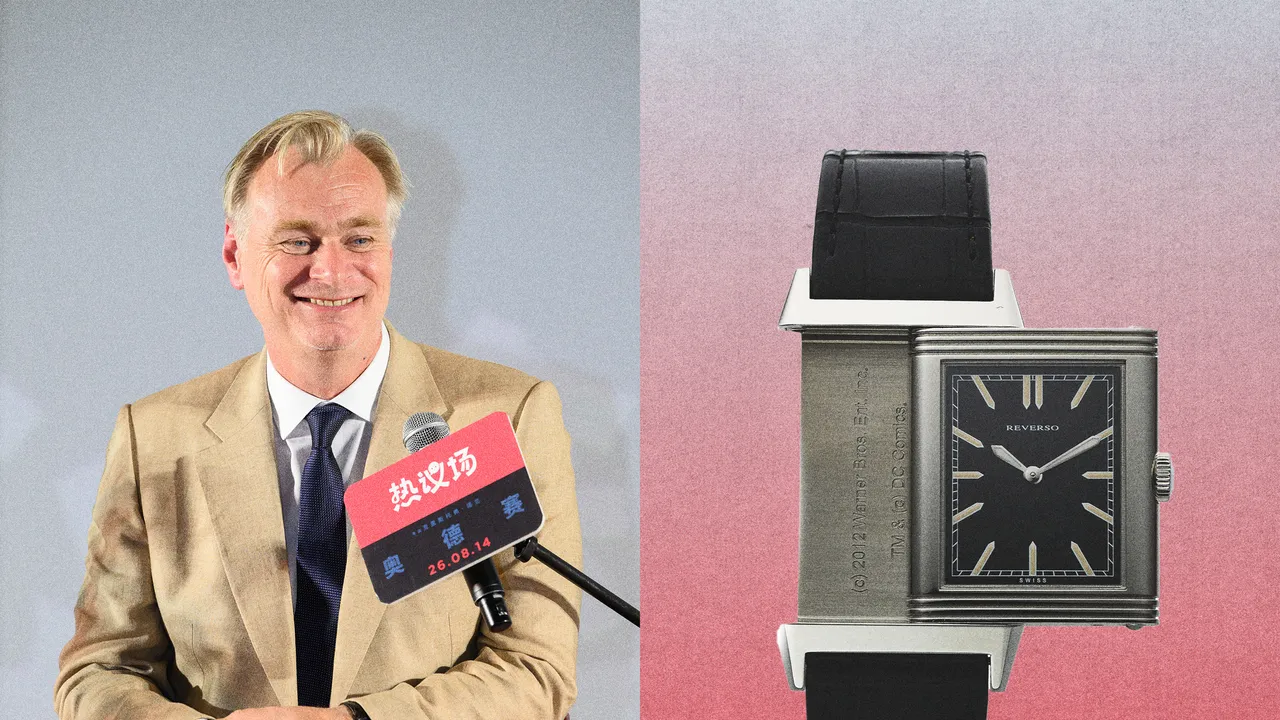
On the promotional round for The Odyssey, Christopher Nolan wore a Jaeger-LeCoultre Reverso made in ten pieces for The Dark Knight Rises, the bat symbol hidden on its reverse.