Valentino Garavani: farewell to the last emperor of Italian couture
Valentino Garavani died at home in Rome in January 2026, at 93. From his Paris apprenticeship and the red that bears his name to the Florence show that made him and the foundation he built with Giancarlo Giammetti.
Some designers follow time. Valentino Garavani simply declined to notice it. For half a century he made clothes on the conviction that beauty is not a trend but a duty, and he never once apologised for it.
He died at home in Rome, the city he adopted and in many ways reinvented, in January 2026, at 93. His foundation announced the news on 19 January. He leaves a body of work anchored in a personal idea of grace, aesthetic discipline and an unembarrassed glamour, and a house, founded in 1959, that turned Roman elegance into a language the whole world learned to read.
Paris first, then Rome
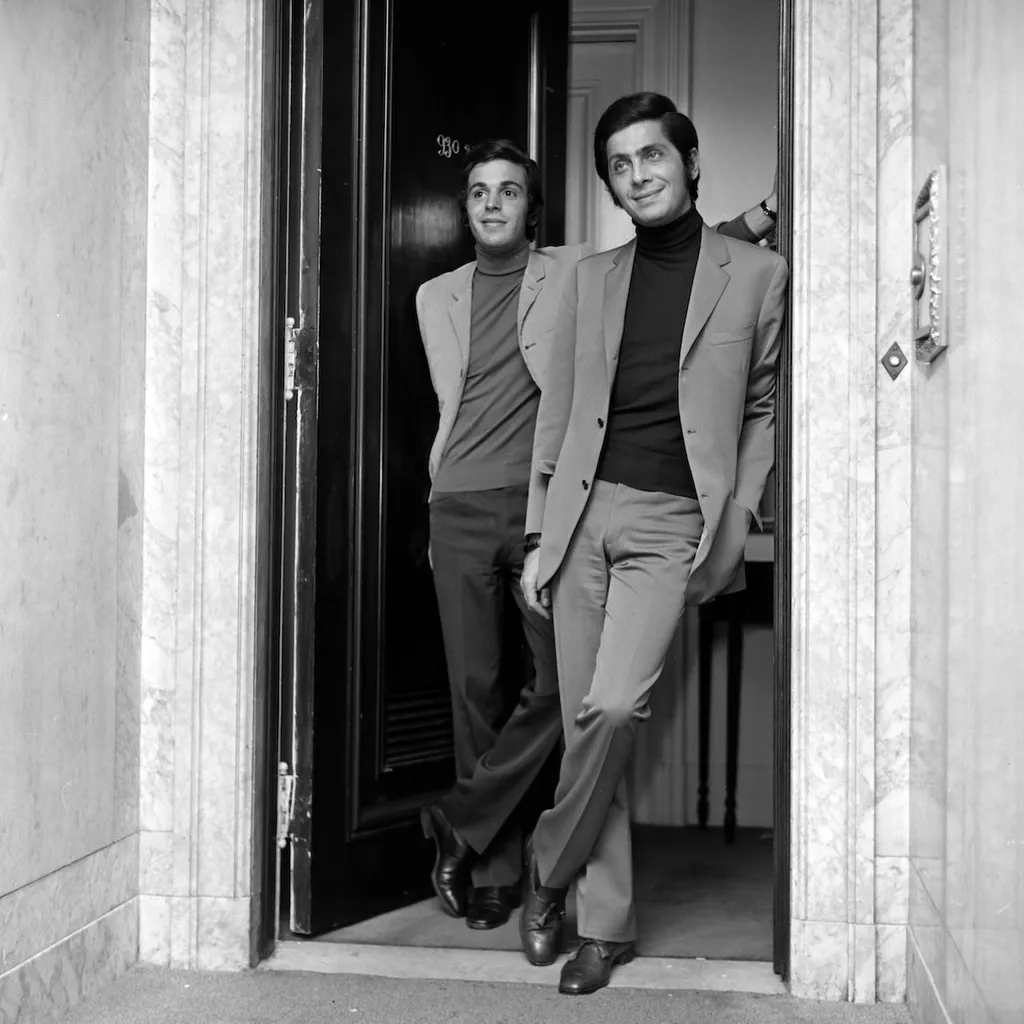
A DISCIPLINE LEARNED IN PARIS, SPOKEN IN ROMAN. IMAGE: PRESS
Born in Voghera, in Lombardy, in 1932, he studied in Milan and then Paris, and spent the 1950s in the ateliers of Jean Dessès and Guy Laroche. Those years gave him what everything afterwards rested on: a rigorous understanding of silhouette, cut and cloth. When he returned to Italy he chose Rome over Milan, opening on Via Condotti and building an aesthetic bound to the city’s history, its art and its sense of theatre.
Within a year he had met Giancarlo Giammetti, who would become his partner in life and in business for more than six decades. Giammetti ran the house; Valentino dreamed it. Few partnerships in fashion have lasted as long, or been as plainly honest about the division of labour.
A red with an opinion
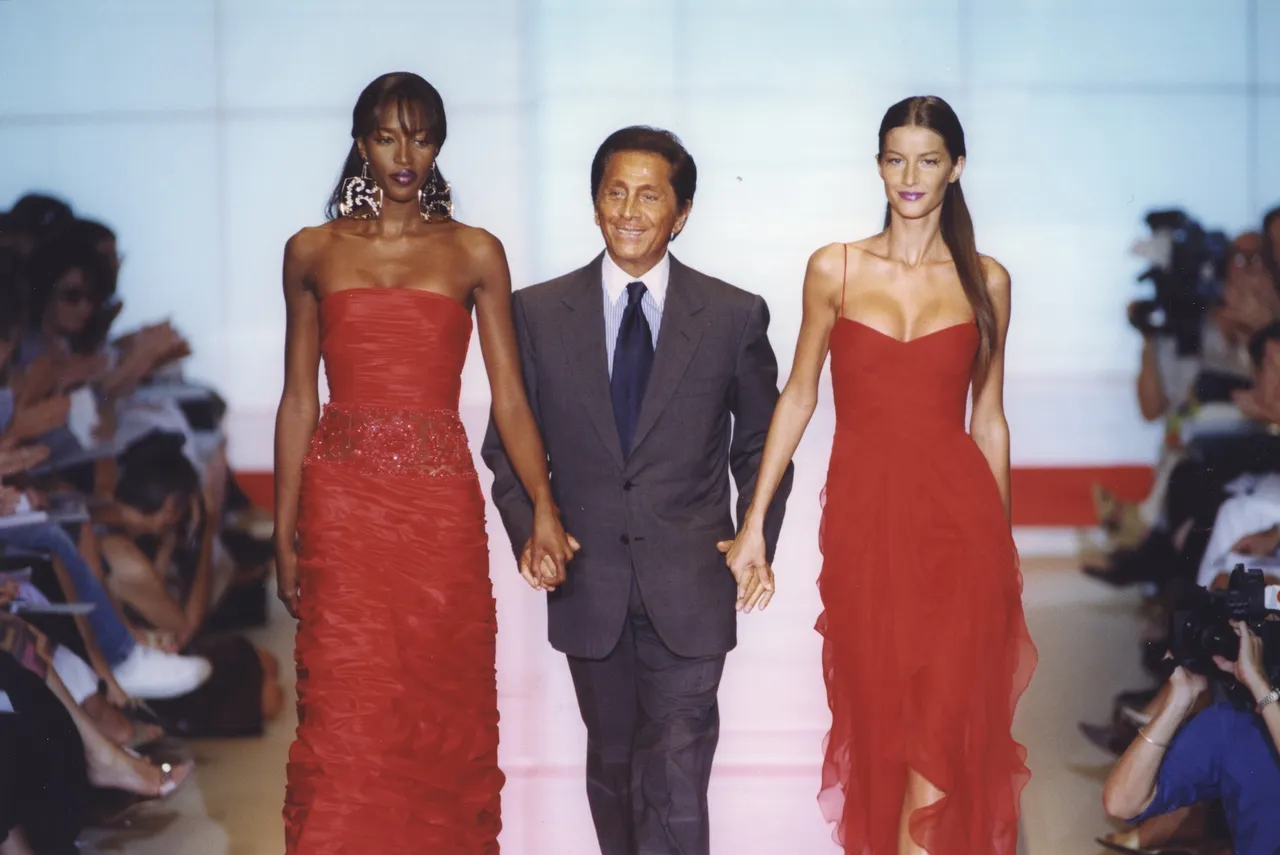
A COLOUR THAT ENTERED THE ROOM BEFORE THE WOMAN WEARING IT. IMAGE: PRESS
Red became his signature. He liked to recall the night, as a young man at the opera, when a performance of Carmen filled the stage with women in red velvet, and the colour never left him. Valentino red, a shade with a faint orange warmth, ran through his collections like a manifesto, the clearest expression of his belief that clothes should move people before they do anything else.
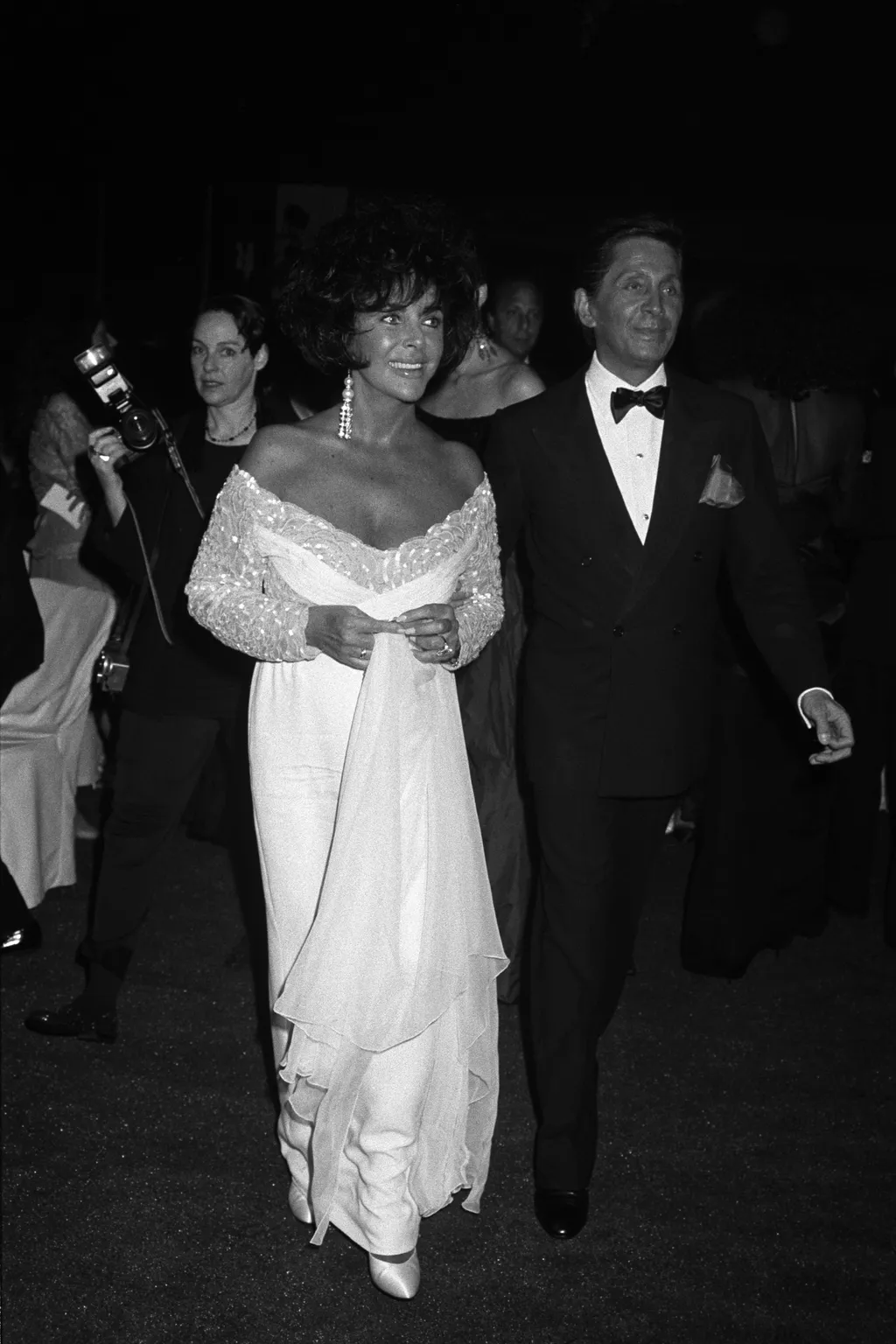
The same logic shaped his relationship with cinema and with the women who wore him: Elizabeth Taylor, Sophia Loren, Audrey Hepburn, Jacqueline Kennedy Onassis, later Diana, Princess of Wales, Julia Roberts and Cate Blanchett. Together they fixed his image as the couturier of an elegance without compromise.
Florence, and the making of an emperor
A LIFE STAGED WITH THE SAME CARE AS THE COLLECTIONS. IMAGE: PRESS
In 1962 his show at the Palazzo Pitti in Florence placed him at the centre of international fashion. From then on he dressed a generation of influential women and became a character in his own world, cultivating a way of living as carefully composed as his collections. That public dimension was preserved in the documentary Valentino: The Last Emperor, released in 2008, a portrait of perfectionism, affection and an almost ritual devotion to beauty.
For more than four decades at the head of the house he held a firm line against passing fashions. His philosophy was simple: make beautiful clothes that respect the body and femininity, and refuse both carelessness and empty provocation. He kept to it until he retired in 2008, after a final couture show in Paris, and remained afterwards a moral and aesthetic reference for the house as it moved through successive creative directors.
PM23: the archive opens its doors
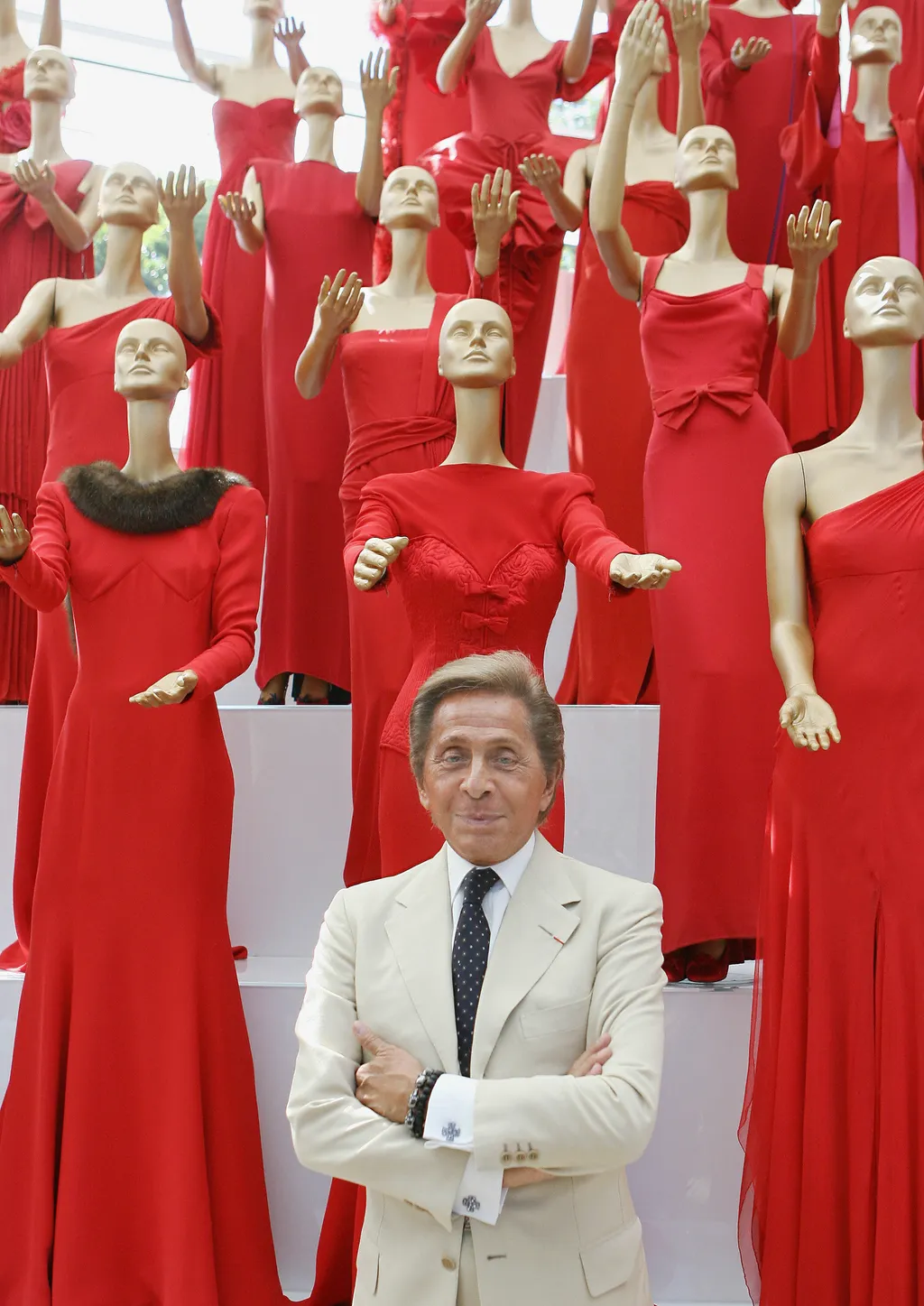
BEAUTY AS A PERMANENT VALUE, NOT A SEASONAL ONE. IMAGE: PRESS
In his final years, with Giammetti, he turned to preserving and framing his legacy through the foundation that carries both their names. In early 2025 it opened PM23, a cultural space of some 1,000 square metres on Piazza Mignanelli, the square where the two men had worked since the 1960s. Its first exhibition, Orizzonti Rosso, placed his couture in conversation with contemporary art and made a quiet case for how current his vision remains.
Valentino will be remembered as one of the last great masters of classical couture, a man who believed beauty was worth defending. He left an idea of elegance built on emotion, rigour and sensitivity. A fashion that never shouted, and stayed. A body of work that did not follow time, but walked straight through it.
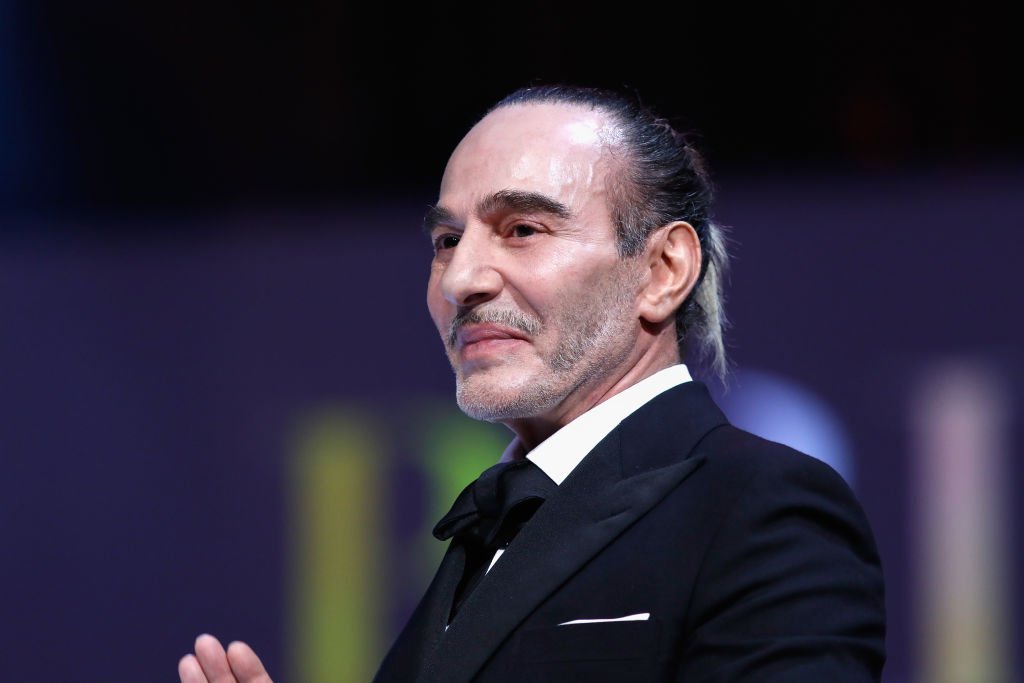
The Metropolitan Museum of Art and John Galliano have jointly cancelled Horizons, the Costume Institute retrospective due to open with the 2027 Met Gala, after a backlash over the designer's past antisemitic remarks.
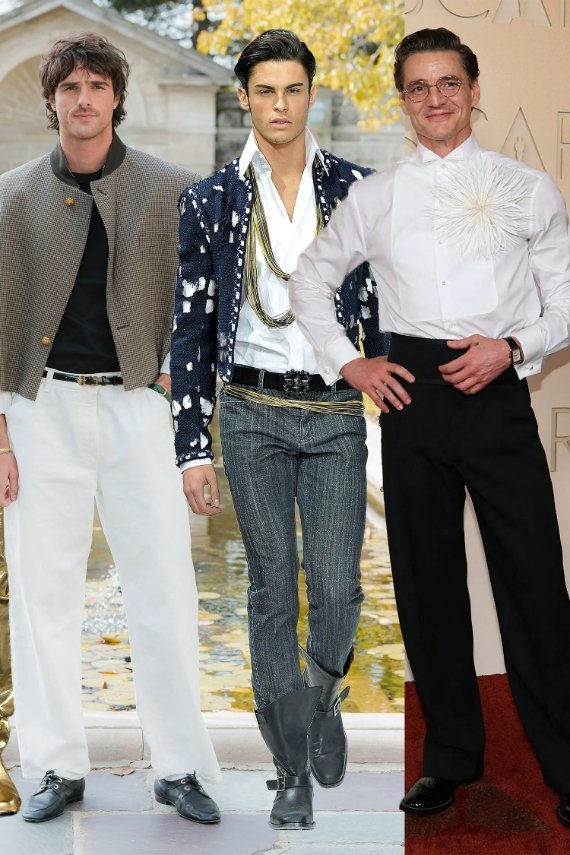
Chanel has never launched a men's line, and says it has no plans to. From Gabrielle Chanel and Karl Lagerfeld to Harry Styles, Pedro Pascal and Jacob Elordi, the house has built a menswear of suggestion instead.
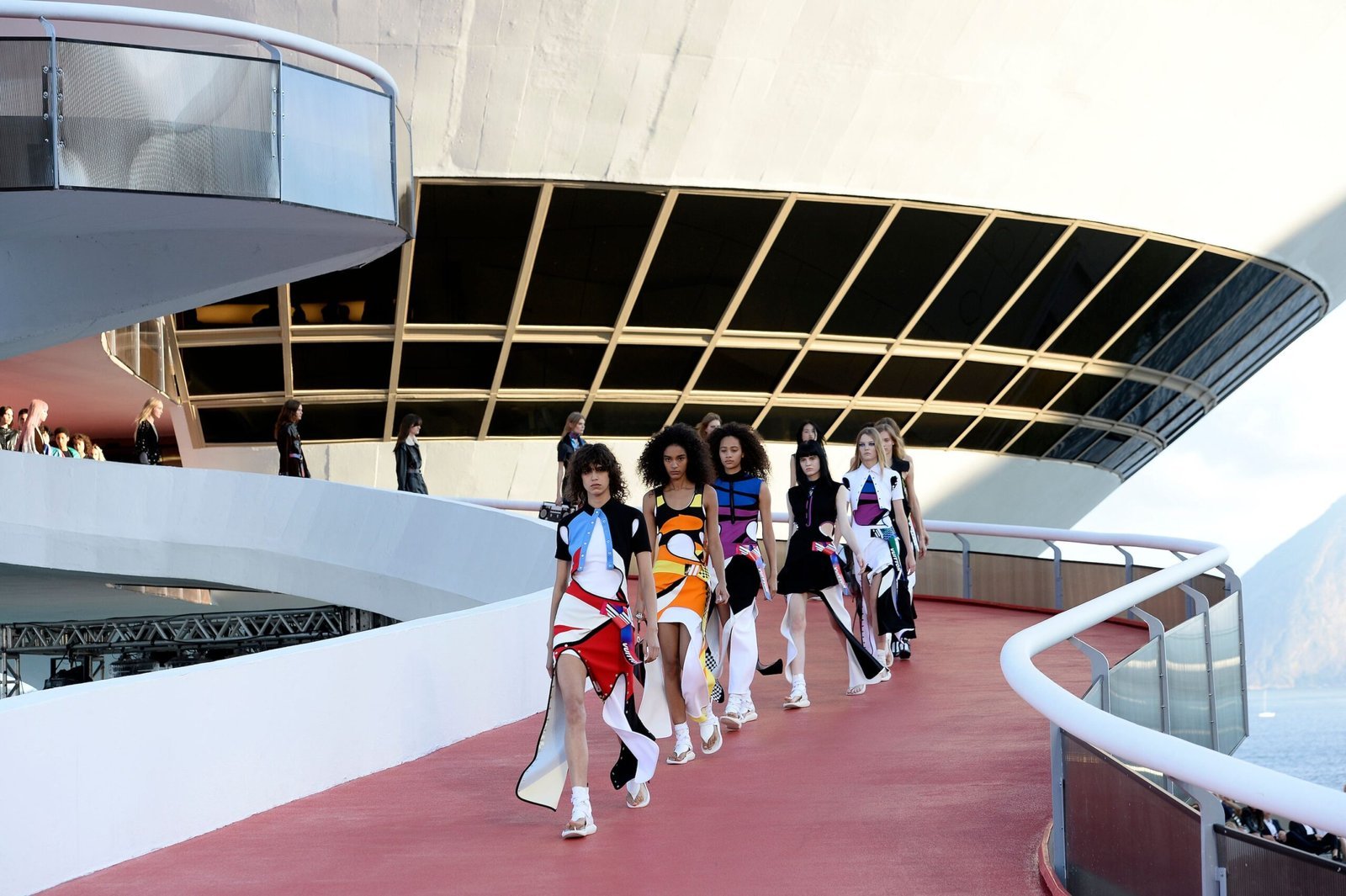
From Chanel's holiday wardrobes on the Atlantic coast to Cruise 2026 at Lake Como, Florence, Avignon, Rome and Caserta, and Cruise 2027 in Biarritz, Los Angeles, New York and Shanghai: the history of fashion's most itinerant season.