Travel / Reportage
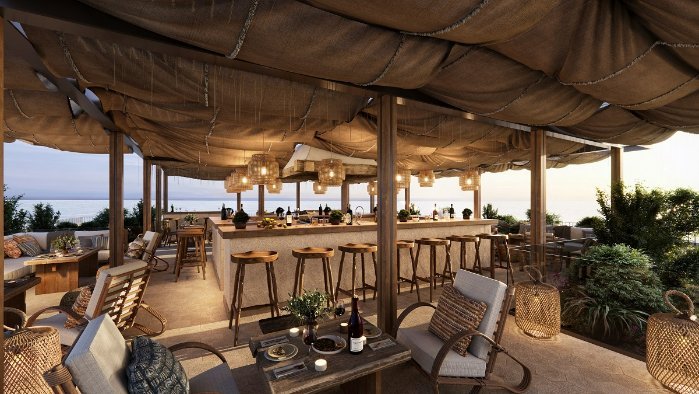
Zannier Île de Bendor: an island with a social memory
Paul Ricard’s Provençal island returns with three accommodation identities and a hospitality project built around conviviality.

THE CURATED EDITION.
Reportage / Alsace
René Lalique’s 1920 house connects six individual suites with a restaurant and the nearby museum. Luiza Rodas’s visit follows a material through several settings.
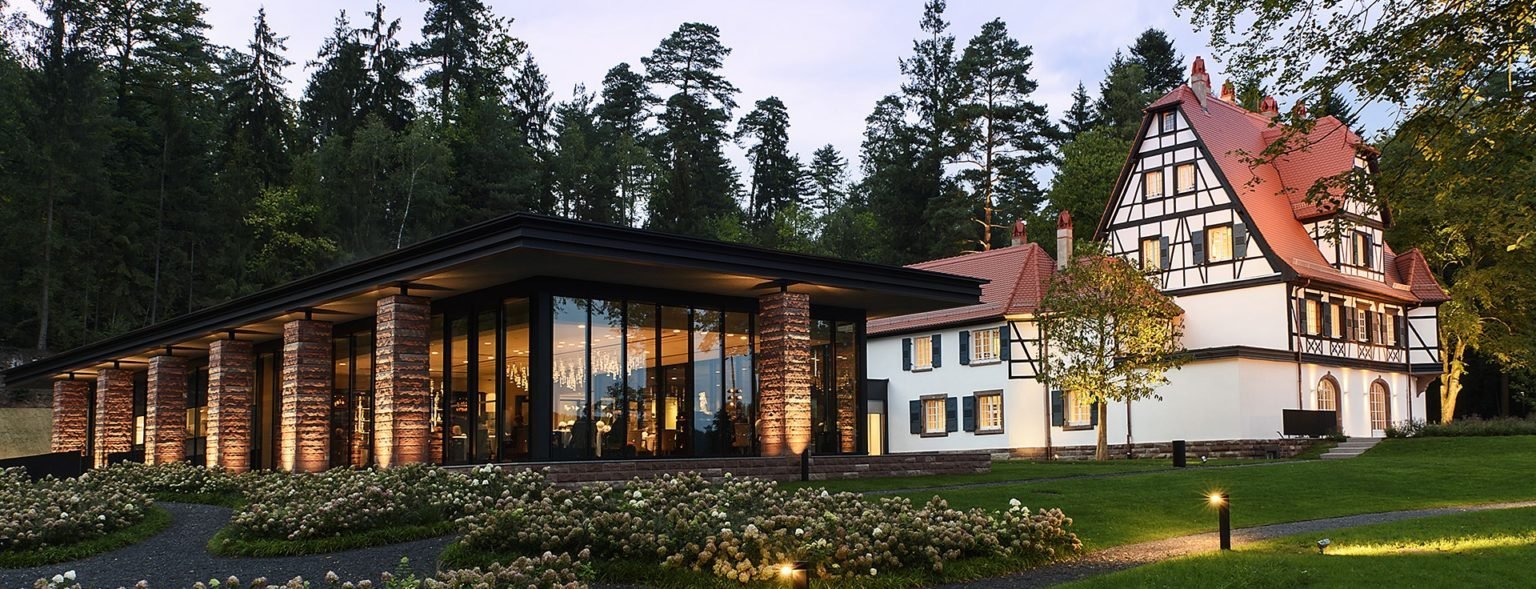
A designer’s legacy can be encountered through more than a display case. At Villa René Lalique in Wingen-sur-Moder, it shapes a house, a table and the wider setting of a stay in Alsace.
Luiza Rodas’s March 2025 account followed that relationship from the hotel interior to the restaurant and Musée Lalique. Her visit gives the material a sequence of settings, rather than treating crystal as a decorative flourish detached from the place.
René Lalique designed the villa and had it built in 1920 for stays with his family near the glassworks. Half-timbered construction and blue shutters connect the building with its Alsatian setting. Its original purpose was domestic, a useful starting point for understanding the hotel’s small scale.
After Lalique’s death, his son Marc and granddaughter Marie-Claude maintained the house. Under Silvio Denz, it acquired another use through a renovation by Lady Tina Green and Pietro Mingarelli, the designers behind the Lalique Maison furniture and accessories collection.
The six suites take their names from Lalique creations. Their differences are part of the programme, not exceptions to a standard room. Motifs associated with the designer appear through objects and surfaces, while the house retains a recognisable architectural presence.
The Masque de Femme suite takes its reference from a panel created by Lalique in 1935. Its split-level arrangement contains two bedrooms and a lounge, with views over the park. The relationship is between an original decorative subject and a room’s contemporary organisation, not a claim that the suite survives unchanged from Lalique’s lifetime.
Rodas described crystal details within a controlled interior vocabulary. Read alongside the suite’s design reference, that observation makes the material’s role more precise: it can identify a room without filling it with competing effects.
The restaurant formed another part of Rodas’s visit. Her account connected Paul Stradner’s cooking with local ingredients and Romain Iltis’s wine selection. Those details belong to her experience at the time, not a newly conducted Edition tasting or an assertion that every dish remains on the menu.
The nearby Musée Lalique extends the subject beyond the hotel. Jewellery, perfume bottles and crystal work place the interior’s motifs within a broader design practice. Moving between museum and house gives the visitor a way to distinguish Lalique’s original creations from their later use in hospitality.
The stay is strongest when those settings remain connected without becoming interchangeable. A suite is lived in, a meal has its own course, and a museum provides context. The same material passes through each, but its purpose changes.
Villa René Lalique · 18 rue Bellevue, Wingen-sur-Moder, Alsace, France.
CONTINUE READING
Travel / Reportage
Paul Ricard’s Provençal island returns with three accommodation identities and a hospitality project built around conviviality.
Travel / Reportage
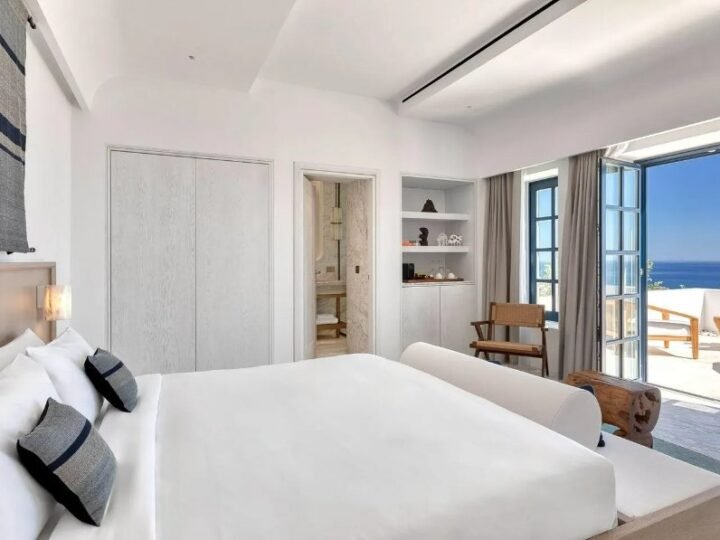
Rockwell Group brings stone, curved ceilings and an Aegean palette to a resort away from Santorini’s habitual caldera viewpoint.
Travel / Reportage
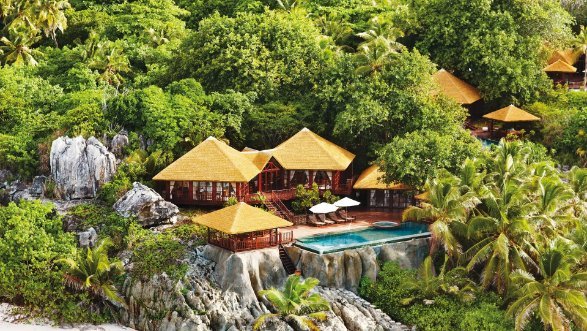
A Seychelles conservation story deserves attention beyond the hospitality project, which remains under reconstruction.