Travel / Reportage
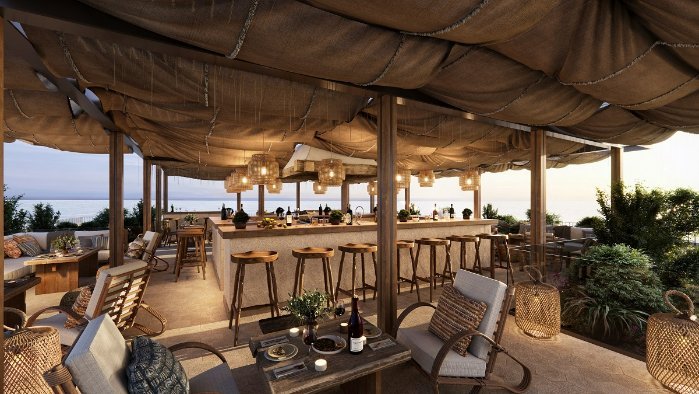
Zannier Île de Bendor: an island with a social memory
Paul Ricard’s Provençal island returns with three accommodation identities and a hospitality project built around conviviality.

THE CURATED EDITION.
Reportage /
A Seychelles conservation story deserves attention beyond the hospitality project, which remains under reconstruction.
WAYFARER · TRAVEL
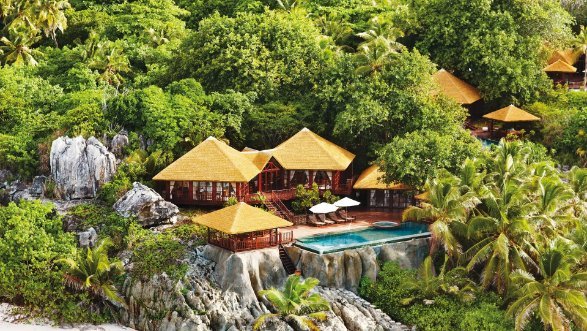
The most important part of Frégate is not the next villa. It is the living territory around it. In the Seychelles, the island's hospitality project sits within a longer history of habitat restoration and species protection. That distinction becomes especially useful during reconstruction: the ecological story does not need an opening date to deserve attention.
As checked on 7 October 2026, Frégate's official website states that the island is undergoing new construction, infrastructure work and environmental enhancement. It says that guest stays will reopen soon, without providing a confirmed reopening date on the page. The accommodation and facilities described there should therefore be read as the project's presentation, not evidence that a visitor can use them today.
The distinction is more than a footnote. A future hotel can be assessed through its plan, stated priorities and historical context, but it cannot be reviewed as an operating property. Photographs from an earlier period, architectural images and current descriptions perform different jobs. Keeping those jobs separate allows the underlying story to remain interesting without borrowing certainty from the future.
Frégate's official account describes a 200-hectare island with most of its land retained for conservation. It links the recovery of the Seychelles magpie-robin to long-term protection work, including the transfer of birds to other islands. The Seychelles environment ministry also identifies Frégate as important habitat for the magpie-robin and Seychelles white-eye. These independent ecological identities matter more than a general claim of being close to nature.
A conservation programme is made of continuing decisions: habitat management, monitoring and the control of pressures that visitors may never see. Its credibility cannot be judged from the abundance of green space in a photograph. The relevant questions concern the condition of habitats, the persistence of populations and the resources committed to maintaining them.
A private island creates the possibility of controlling visitor numbers and movement. It does not automatically produce a good environmental outcome. Construction, water use, energy and marine activity still require management. The advantage of a bounded territory is that these pressures can be considered as one connected system, provided the operator is willing to account for them.
For the traveller, that changes the meaning of access. A protected beach or a conservation walk is not simply another experience to collect. It comes with limits, seasonal conditions and the obligation to follow guidance. The capacity to leave part of a place undisturbed may be more significant than the number of activities offered within it.
The relaunch should be assessed on two separate tracks. One concerns hospitality: completed accommodation, operational services and a confirmed return of guest stays. The other concerns conservation: measurable outcomes and continuity through the building period. Neither track should stand in as proof of the other.
Frégate can sustain a compelling story before the guest doors reopen. The island's value is not suspended while the hotel is rebuilt. It is precisely what the new project must learn to protect.
Details and further reading: Current project and operating status · Seychelles biodiversity information.
GABRIEL SILVEIRADO, FOR WAYFARER.
CONTINUE READING
Travel / Reportage
Paul Ricard’s Provençal island returns with three accommodation identities and a hospitality project built around conviviality.
Travel / Reportage
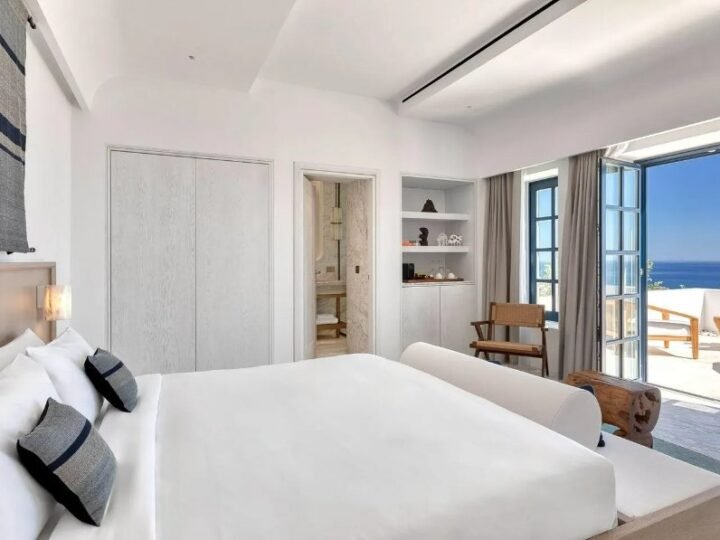
Rockwell Group brings stone, curved ceilings and an Aegean palette to a resort away from Santorini’s habitual caldera viewpoint.
Travel / Reportage
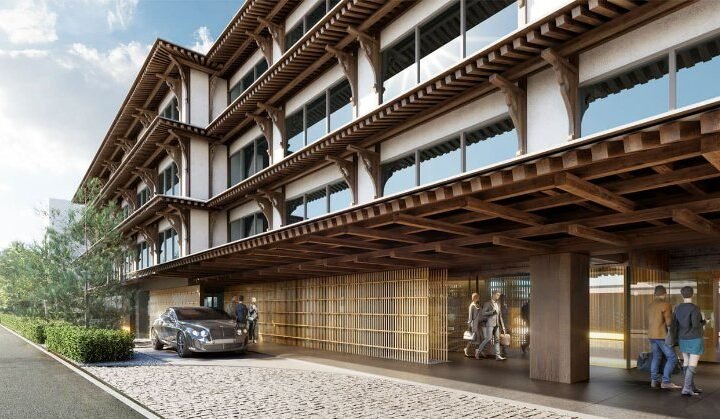
Kengo Kuma and Brewin Design Office reinterpret the machiya through courtyards, craft and the cultural life of Miyagawa-cho.