Travel / Reportage
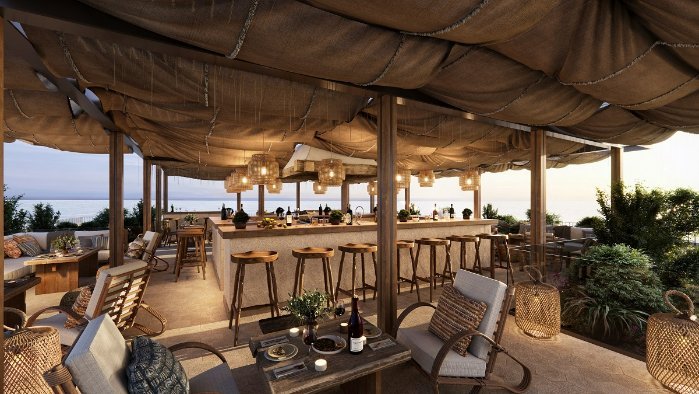
Zannier Île de Bendor: an island with a social memory
Paul Ricard’s Provençal island returns with three accommodation identities and a hospitality project built around conviviality.

THE CURATED EDITION.
Reportage / Montenegro
Lake Skadar, the Kotor region and the Luštica coast offer different ways to read the country. Wetland life, maritime architecture and coastal settlements deserve separate attention.
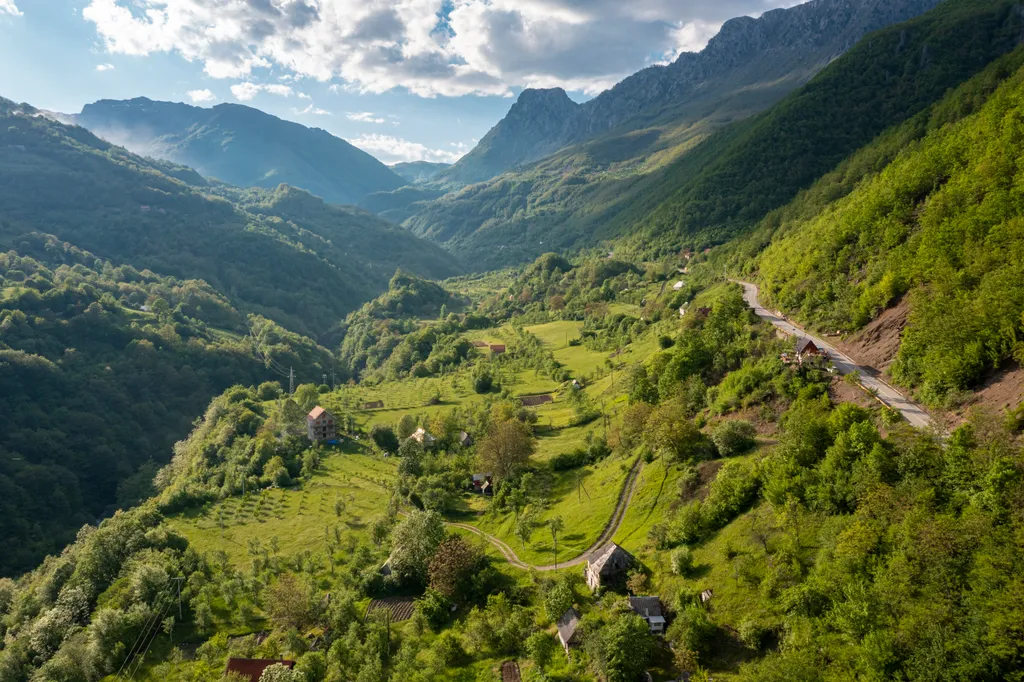
Montenegro becomes more legible when its waters are not treated as one continuous holiday setting. Lake Skadar, the Bay of Kotor and the Luštica coast support different landscapes and different forms of settlement. Moving between them changes what there is to notice.
The useful contrast is not simply inland against coast. A wetland is organised by seasonal water and habitat; a historic bay by maritime exchange and building; a peninsula by the relationship between villages and the open Adriatic.
Shared with Albania, Lake Skadar has a seasonally changing surface. Montenegro’s National Tourism Organisation gives an indicative area of 370 square kilometres in summer and 540 in winter. A fixed outline on a map does not describe the whole year.
The Montenegrin national park dates to 1983. Its published birdwatching information identifies five observation stations, including Pančevo oko and Grmožur, and species such as the Dalmatian pelican and cormorant. Observing wildlife is a reason to allow time, not a promise of a particular sighting on every outing.
Virpazar and Vranjina are access points for lake activities. Rijeka Crnojevića and Karuč introduce settlement and historical use into the waterscape. Boat itineraries can connect monasteries, islands and villages, but those stops depend on the route being booked rather than belonging to every excursion.
UNESCO’s Natural and Culturo-Historical Region of Kotor recognises more than a collection of individual monuments. The property includes an inner portion of the bay, with settlements, palaces and monastic ensembles integrated into a landscape of cultivated slopes and steep hills.
The region’s medieval artistic and commercial life supported schools of masonry and iconography. Its relationship with the wider Mediterranean can be read through buildings and town planning as well as through the harbour.
The 1979 earthquake damaged major monuments and historic urban areas. Subsequent restoration forms part of the place’s history. Calling the region preserved should not imply that it reached the present without disruption or reconstruction.
Kotor and Perast reward attention to the proportion between building and landscape. The bay provides the larger form, while streets, waterfronts and individual rooms give it a human scale. The UNESCO designation should not be casually extended to every destination elsewhere in Montenegro.
The Luštica peninsula brings fishing settlements such as Rose and coastal places including Žanjice into the account. Here the interest moves away from the compact fabric of Kotor towards the relation between a village, its landing places and the shoreline.
The national tourism organisation lists Žanjice, the Blue Cave and former submarine infrastructure among possible coastal boat-tour stops. They are route options, not one guaranteed circuit. A specific sailing plan should be checked for its duration, embarkation point and conditions.
A lake excursion, an old-town visit and a coastal boat trip do not ask for the same preparation. Keep weather, access, walking requirements and return transport in the plan. The country’s geographical compactness is not a reason to compress every setting into one day.
The more useful itinerary gives each relationship with water enough time to become distinct. Skadar is not a substitute for the sea, and the open coast is not another version of Kotor’s bay.
Lake Skadar · Kotor’s World Heritage designation · Coastal and lake route information · Montenegro.
CONTINUE READING
Travel / Reportage
Paul Ricard’s Provençal island returns with three accommodation identities and a hospitality project built around conviviality.
Travel / Reportage
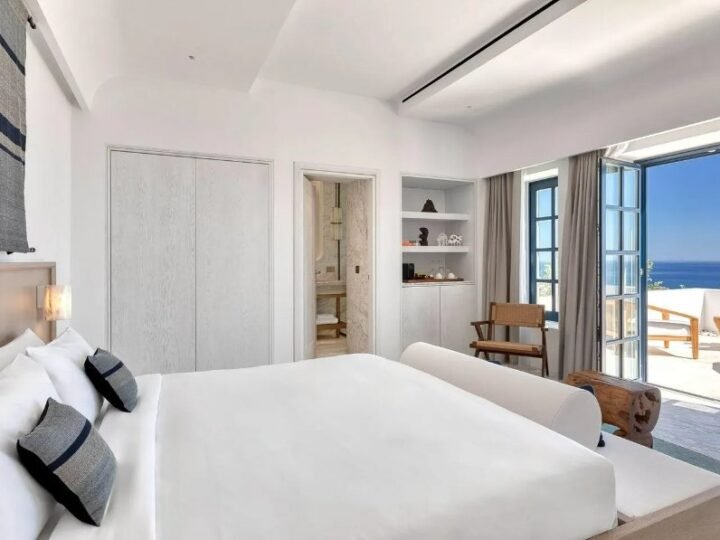
Rockwell Group brings stone, curved ceilings and an Aegean palette to a resort away from Santorini’s habitual caldera viewpoint.
Travel / Reportage
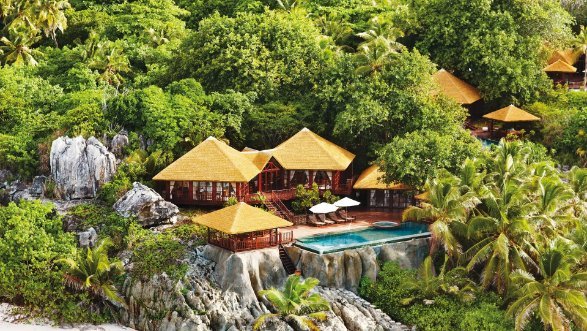
A Seychelles conservation story deserves attention beyond the hospitality project, which remains under reconstruction.