
Culture / Reportage
Tony: Provincetown before the Bourdain legend
The film’s early-kitchen premise opens a wider conversation about food, apprenticeship and the difference between biography and fiction.

THE CURATED EDITION.
Reportage /
The Monsoon founder’s collection reaches Christie’s during Frieze Week, offering a study in colour, composition and the formation of taste.
WAYFARER · CULTURE
A collection can reveal how an eye was trained. Peter Simon's offers a particularly clear route through that question: from the selection of textiles to the acquisition of paintings and sculpture. The founder of Monsoon built a business around colour, pattern and discovery. His art collection makes it possible to consider how those habits travelled beyond clothing without pretending that commercial success automatically produces connoisseurship.
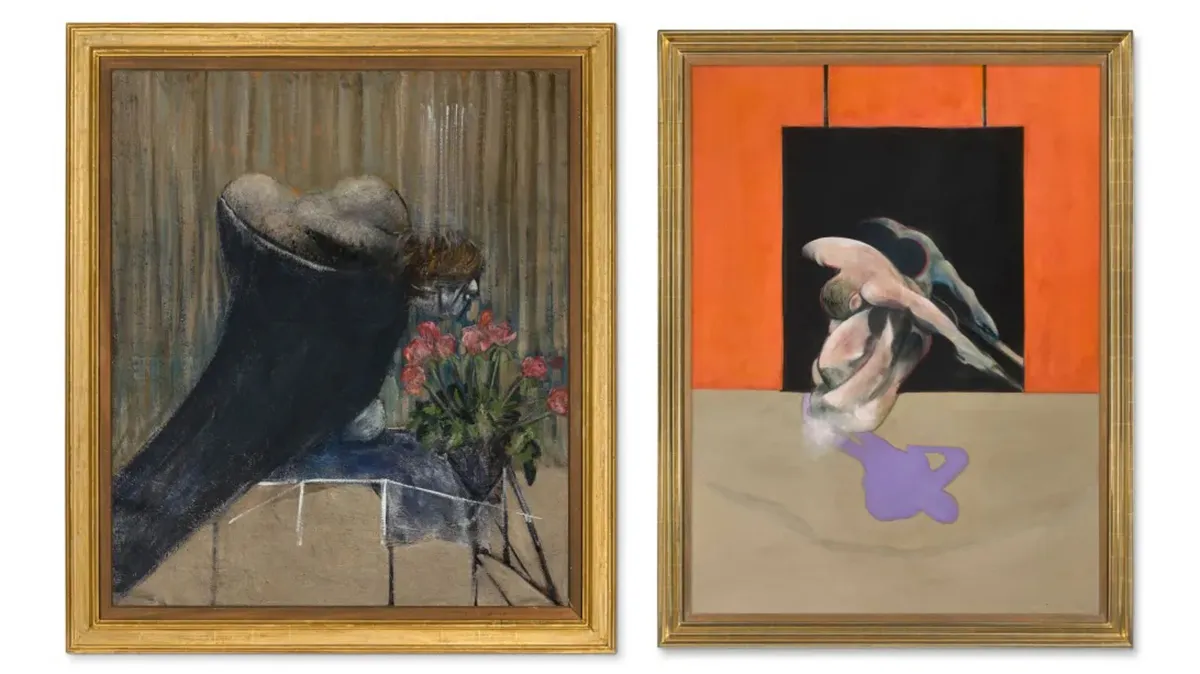
Christie's is presenting Monsoon: The Peter Simon Collection across evening, day and online sales in London in October 2026. The evening auction takes place on 14 October, followed by the day sale on 15 October. Nearly 200 works are included across the three formats. The timing places the collection within Frieze Week, when exhibitions, galleries and auction houses offer competing readings of the art market.
The auction is the occasion, not the whole subject. A catalogue reorganises a collection into individual lots, each with its own estimate and provenance. That is necessary for a sale, but it can make the relationships formed by a collector harder to see. The more interesting reading moves between the separate objects and the decisions that once held them together.
Christie's traces Simon's early travels through Turkey, Iran and Afghanistan to India, where hand-block-printed textiles in Rajasthan helped inspire Monsoon. It describes his collecting as beginning in the mid-1990s, with an initial interest in British modernists and a later expansion across international art. That trajectory offers a specific context for the collection's attention to colour, texture and composition.
These qualities cross the boundary between cloth and canvas, but the boundary still matters. A fabric is selected for use, repetition and the way it lives on a body. A painting asks for another duration and another kind of scrutiny. The connection between them is not equivalence. It is the possibility that one form of looking can make someone more attentive to another.
The sale includes works by Francis Bacon, Piet Mondrian, Joan Miró, Barbara Hepworth and Andy Warhol, among others. Bacon's Figure in Movement and Mondrian's Composition A, with Double Line and Yellow are among the highlighted works. The contrast between a moving figure and a rigorously organised surface is more revealing than a simple list of famous artists.
A collection becomes distinctive through such contrasts. It may bring different periods, materials and ideas into contact without making them agree. The collector's task is not necessarily to construct a tidy history of art. It can be to sustain a set of visual questions over time: how a colour holds a surface, how a figure occupies space, how an object changes the room around it.
Christie's lists a highlights exhibition from 8 to 14 October at its London premises in St James's. This creates a public opportunity to see part of the collection before the objects separate. Viewing is valuable even without participation in the sale. Estimates frame market expectations; they do not replace the encounter with scale, surface and material.
Simon’s collection invites a reading beyond the financial headline. The sale tells us what the market is being offered. The works, considered together, tell us how someone learned to look.
Details and further reading: Collection and exhibition information · Christie’s collection announcement.
Instagram: @christiesinc.
GABRIEL SILVEIRADO, FOR WAYFARER.
CONTINUE READING
Culture / Reportage
The film’s early-kitchen premise opens a wider conversation about food, apprenticeship and the difference between biography and fiction.
Culture / Reportage
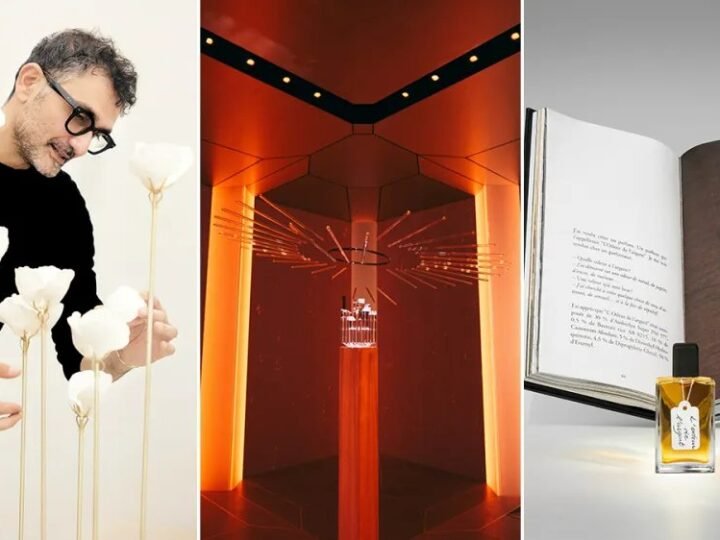
Looking back at the 2025 Palais de Tokyo exhibition, scent emerges as a material for collaboration rather than simply a product to be displayed.
Culture / Reportage
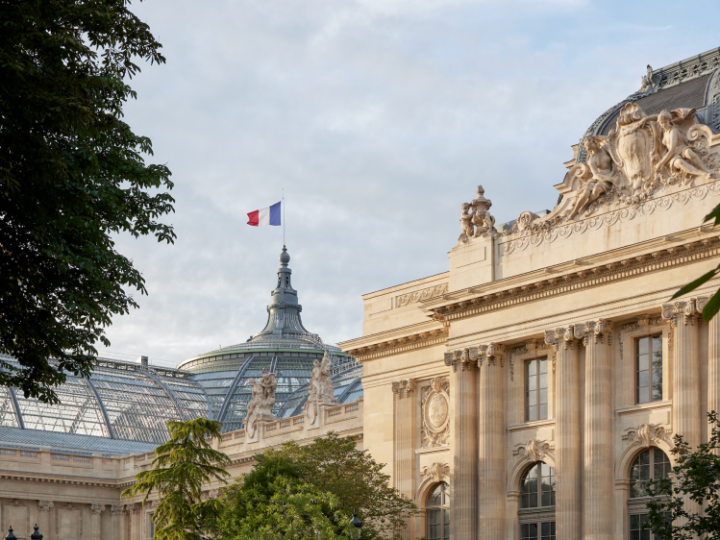
Renovation has dispersed the institution, not suspended its programme. Three exhibitions provide an autumn route through the city.