Culture / Reportage
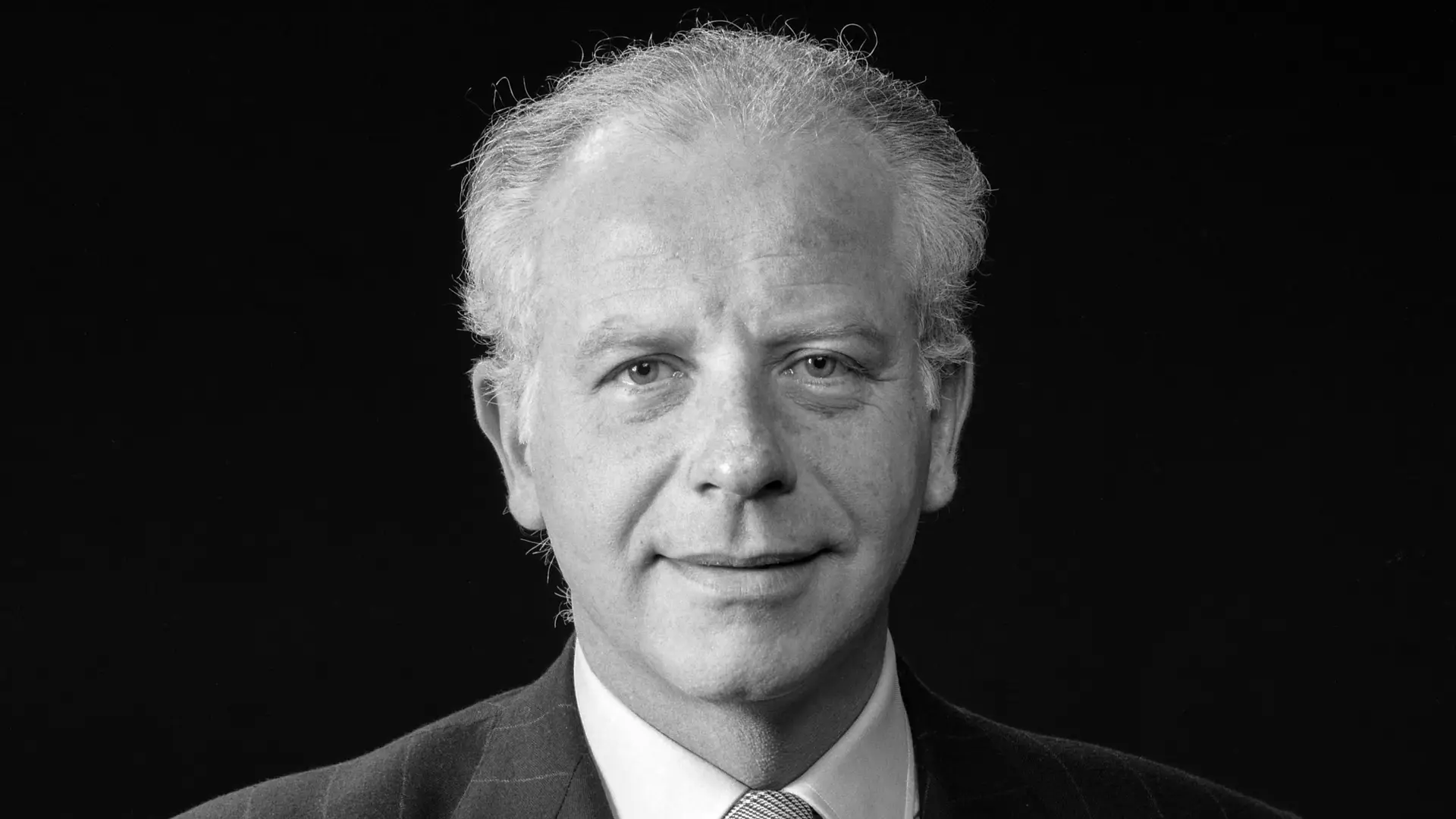
Paolo Bulgari, the Man Who Listened to Stones
Paolo Bulgari has died in Rome at 89. He chose gems with his eyes closed and taught high jewellery to speak in colour. A portrait.

THE CURATED EDITION.
Reportage /
From the reopened Grand Palais to the Pompidou’s temporary closure, major projects are changing how the city’s museums fit together.
CULTURE
A cultural trip to Paris now requires more than repeating a familiar museum circuit. Major institutions have been reopening, relocating or preparing extensive works, changing both the places available to visit and the way their collections travel through the city.
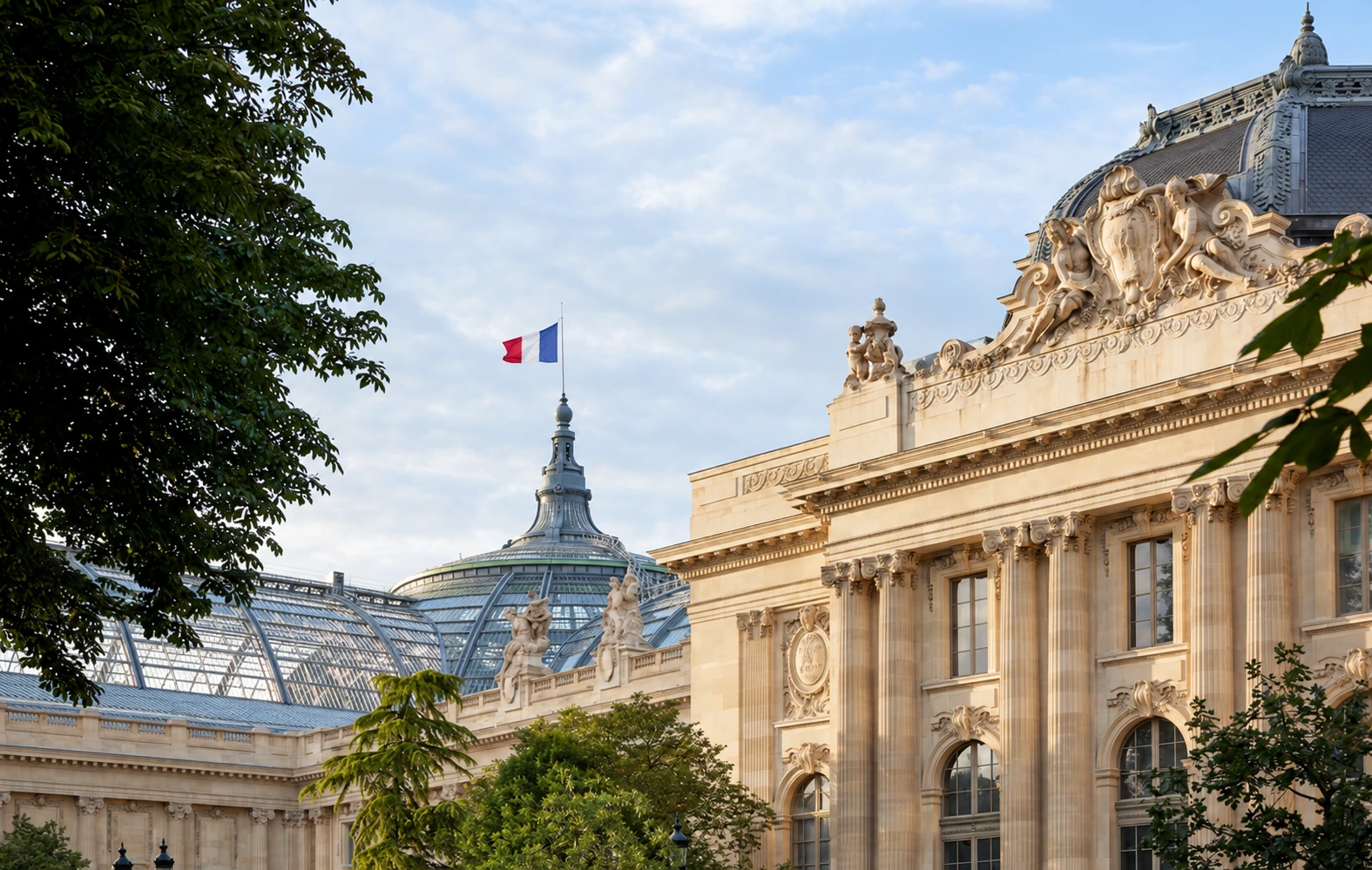
The Grand Palais is the clearest example of a landmark returning to use. Built for the 1900 Exposition Universelle, it reopened fully in June 2025 after a four-year restoration led by Chatillon Architectes. Its role in the 2024 Olympic fencing and taekwondo competitions had already put the renewed structure before an international audience.
The intervention concerned circulation and public spaces as well as exhibition rooms. Cafés, a mezzanine and a brasserie designed by Joseph Dirand extended the experience beyond arriving for a single show and leaving immediately afterwards. The building’s scale became more usable without requiring its historic structure to disappear.
The Centre Pompidou follows a different timetable. Its Beaubourg building closed for a transformation programme extending to 2030, with asbestos removal, technical upgrades and reorganised visitor spaces among the work. The planned reopening remains 2030.
Closure of the building does not mean the collection stops being seen. Constellation takes exhibitions and programmes to partner venues in France and abroad. For visitors, that changes the task from locating one entrance to following a dispersed programme. The institution’s identity continues, but its usual address no longer tells the whole story.
The opera houses also form part of this wider infrastructure cycle. Works associated with the Palais Garnier and the Opéra Bastille have longer-term timetables; they should not be read as a statement that both houses are closed today. Performances and access need to be checked against the relevant programme rather than inferred from a renovation announcement.
At the Musée d’Orsay, plans for renewed exhibition spaces and visitor facilities similarly make the distinction between a staged project and a full closure important. Its former railway-station architecture is part of the reason to visit, but the experience inside continues to evolve.
The Fondation Cartier has already made its move. It opened at 2 Place du Palais-Royal on 25 October 2025, in a historic building reworked by Jean Nouvel. What was a future opening in the earlier itinerary is now an operating cultural address across from the Louvre.
The Louvre’s own renewal addresses a different problem: the pressure created by very high attendance, ageing infrastructure and the concentration of visitors around the Mona Lisa. Proposed changes concern the experience of entering and moving through the museum, not merely the addition of another exhibition room.
Paris remains rich in alternatives throughout this transition. The Palais de Tokyo, Musée Rodin and the Pinault Collection at the Bourse de Commerce offer different scales and kinds of encounter. A revised itinerary can therefore follow architecture, collections and temporary programmes together, instead of treating restoration works only as an inconvenience.
An unavailable building is not necessarily an inactive institution. Beaubourg’s closure removes a familiar entrance from the itinerary; Constellation creates other places to encounter the Pompidou’s work. A current programme is more useful than an old map pin.
A day centred on historic architecture can begin with the Grand Palais or Musée d’Orsay. A contemporary-art route can follow the Fondation Cartier’s Palais-Royal address, the Bourse de Commerce or Palais de Tokyo, according to what is on view. Those are alternative starting points, not a promise that all can be covered meaningfully in one day.
Temporary exhibitions, performance calendars and timed-entry conditions change faster than restoration plans. Check the programme first, then build the route. The itinerary should come from what can actually be encountered, not from a list of works still being discussed.
Further information: Constellation programme · Cezanne et nous · 2026 Marcel Duchamp Prize exhibition · Louise Bourgeois, Extrême tension · Fondation Cartier.
Instagram: @centrepompidou.
CONTINUE READING
Culture / Reportage
Paolo Bulgari has died in Rome at 89. He chose gems with his eyes closed and taught high jewellery to speak in colour. A portrait.
Culture / Reportage
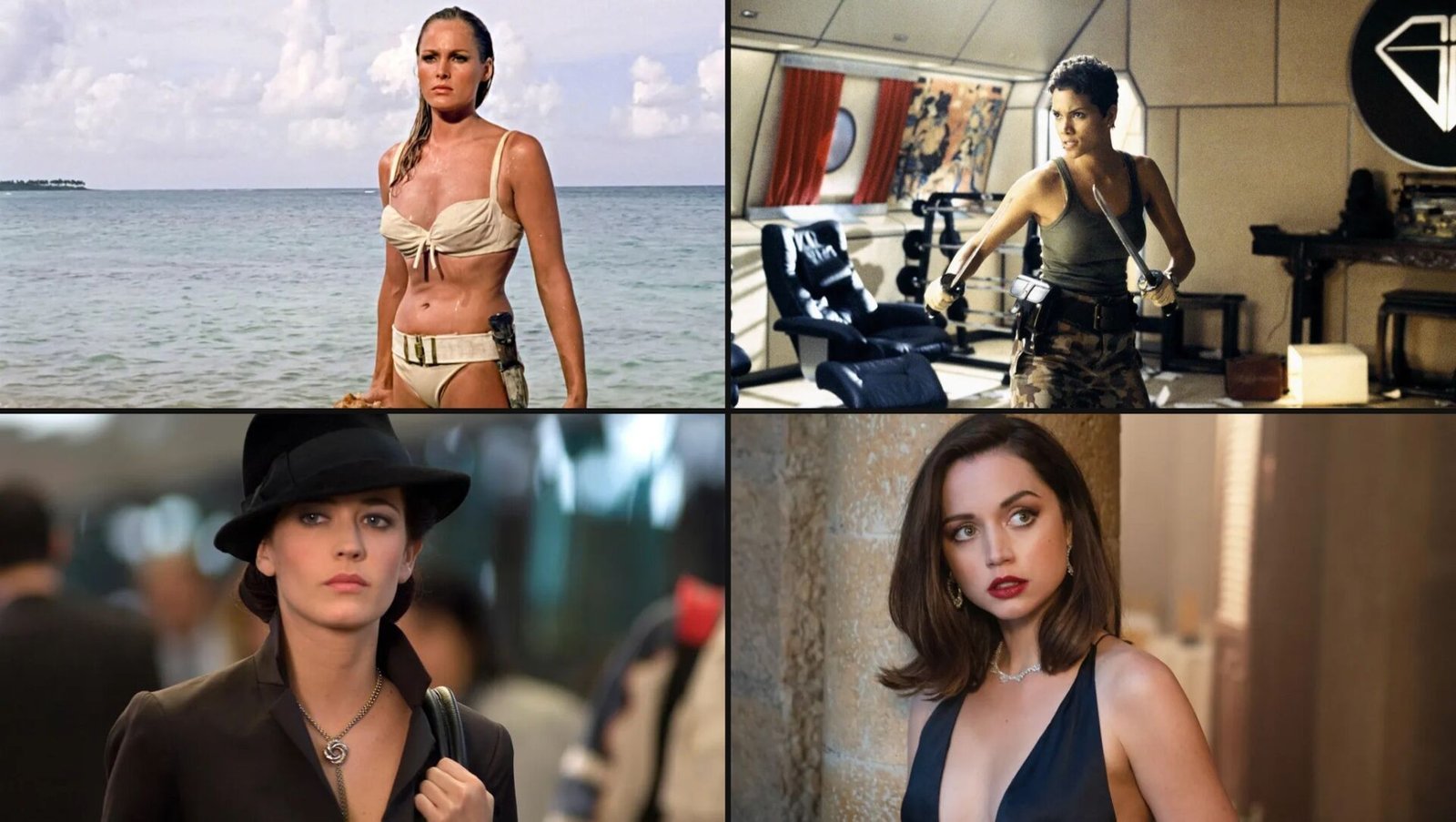
From Ursula Andress to Ana de Armas, fourteen women who changed what James Bond meant, as Robert Pattinson is named the seventh 007.
Culture / Reportage
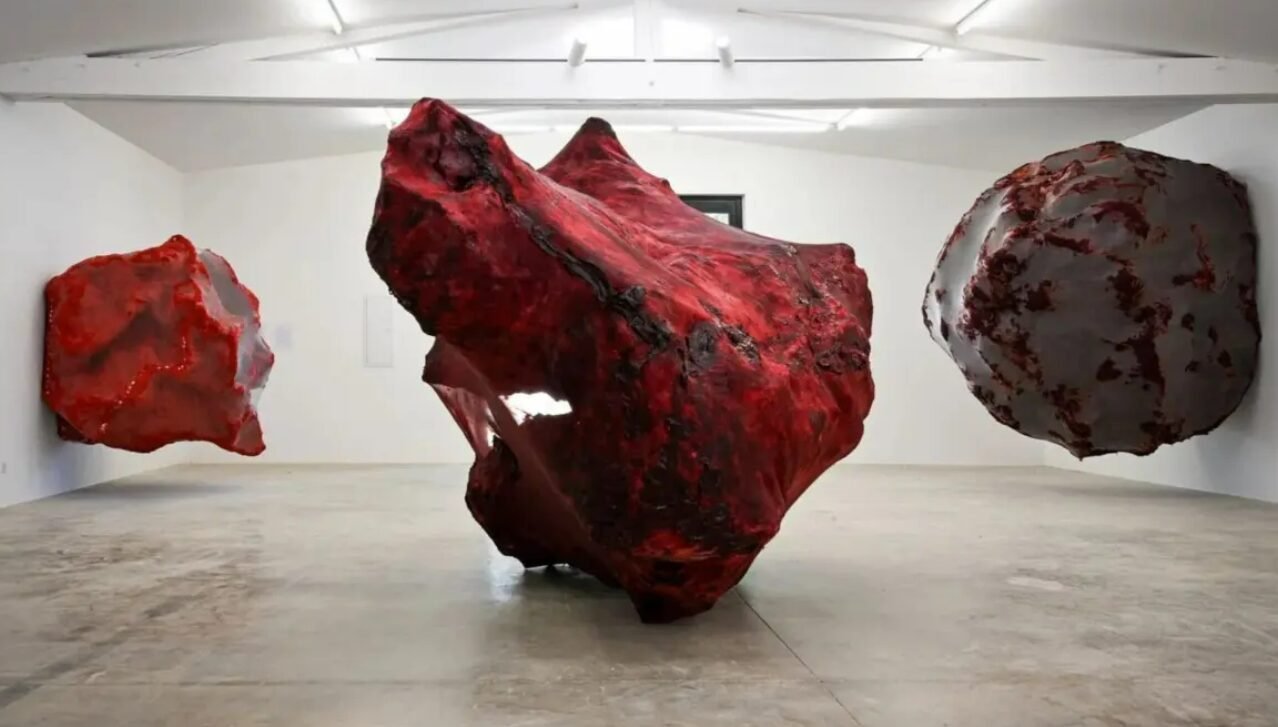
From Chicago’s mirrored skyline to a red structure across New Zealand terrain, the works require movement rather than a single ideal photograph.
Culture / Reportage
The museum's September 2026 reopening connected an exhibition with a revised route through the building.
Culture / Reportage
The Biennale’s central exhibition sits within a wider constellation of national pavilions and independent shows.

Culture / Reportage
Still in her mid-twenties, the former Google X engineer runs Utopai Studios, valued at a billion dollars, and wants to own the one territory artificial intelligence has not yet conquered in film: the long form.
THE CURATED GLOBE / FROM THE EDITORS
A considered selection of people, places and ideas from WAYFARER Edition, delivered to your inbox.
Free. No data sharing. Unsubscribe in one click.