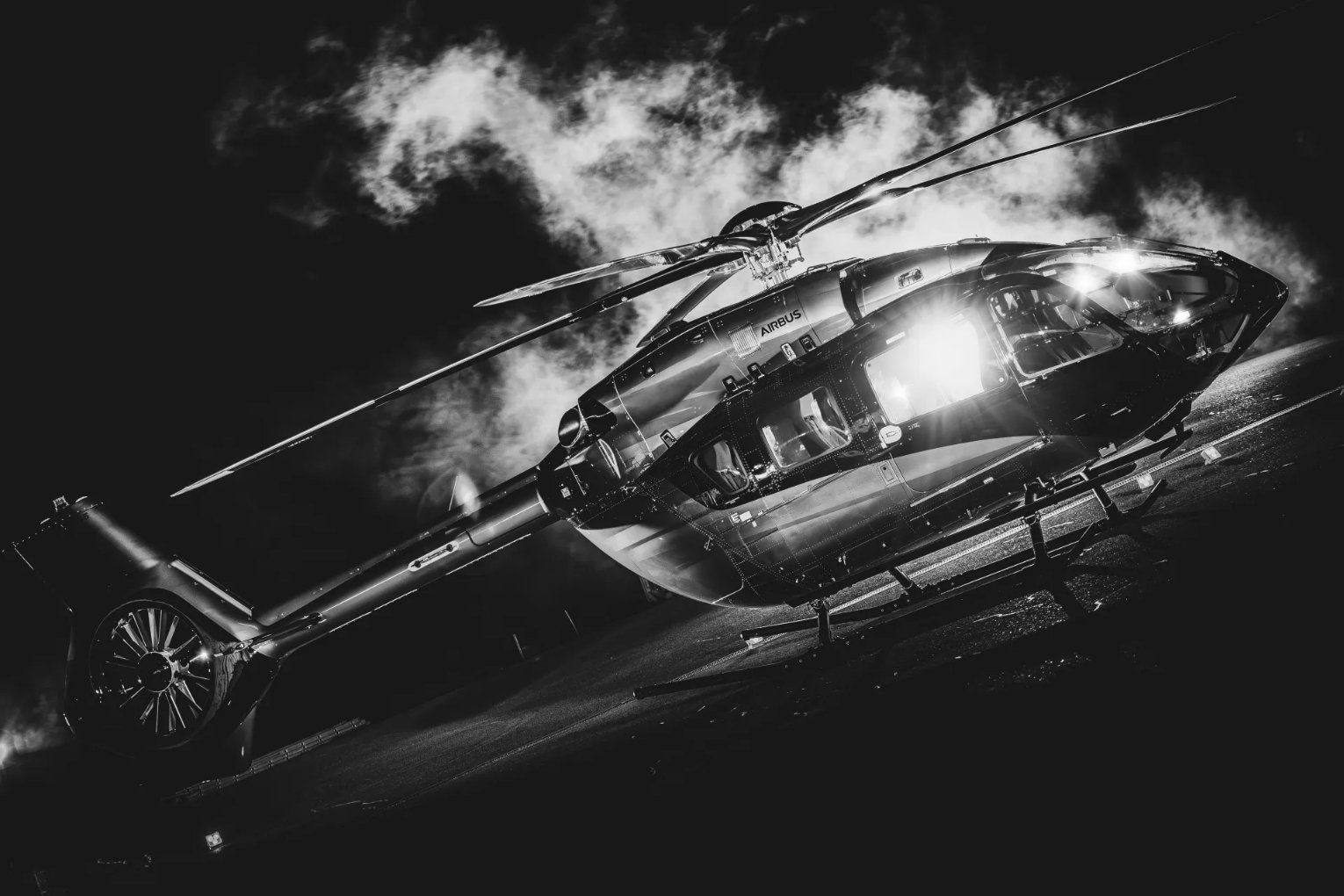
ACH145 Mercedes-Benz: automotive design enters the helicopter cabin
Airbus Corporate Helicopters and Mercedes-Benz have worked together since 2010. Their new ACH145 Mercedes-Benz edition continues that relationship with a cabin whose materials and proportions borrow from automotive design, while remaining subject to the very different requirements of a helicopter.
Airbus Corporate Helicopters and Mercedes-Benz have worked together since 2010. Their new ACH145 Mercedes-Benz edition continues that relationship with a cabin whose materials and proportions borrow from automotive design, while remaining subject to the very different requirements of a helicopter.
Unveiled in São Paulo in February 2026, the edition brings Mercedes-Benz’s Sensual Purity design language into a compact airborne interior. The collaboration is not a rebadging of the flight deck. Its clearest expression is in the passenger space, where finishes, seating and the way surfaces meet can establish an identity distinct from a standard corporate cabin.
Six interpretations of the interior
The programme offers six design concepts and seating arrangements for four to eight passengers. That range allows the operator or owner to decide how much emphasis to place on individual space, capacity and the intended use of the helicopter.
In a cabin of this scale, each decision is consequential. A seat’s shape, the treatment of a side panel and the placement of a material change are seen at close range. The automotive reference therefore works through precision and consistency rather than through the addition of oversized decorative elements.
The aircraft beneath the finish
The edition is based on the H145 platform, with a five-bladed main rotor. Airbus identifies a 150-kilogram increase in useful load compared with the preceding four-bladed configuration. That is an aircraft-level development, separate from the decorative choices that define the Mercedes-Benz cabin.
The distinction matters when discussing a design collaboration of this kind. Passenger comfort is partly visual and tactile, but it also depends on the aircraft, its configuration and the conditions of the operation. An attractive interior does not replace mission planning, and a manufacturer specification should not be mistaken for a guarantee of identical performance in every setting.
A longer-running partnership
The original collaboration was renewed in 2021, and Airbus reported twenty-six deliveries of the earlier Mercedes-Benz edition. This release therefore builds on an existing relationship rather than introducing the two companies to one another for the first time.
Its appeal is in the consistency of that relationship. Mercedes-Benz supplies a design vocabulary that owners already recognise; Airbus translates it into a cabin where weight, space and certification impose their own discipline. The result is most interesting where those two systems meet, with a recognisable automotive character fitted to the realities of flight.
An interior is not an airframe
Four passengers and eight passengers describe substantially different uses of a compact cabin. One gives more space to individual occupation; the other gives capacity a larger role. The finish cannot make those arrangements interchangeable, which is why the seating plan should be considered before the material palette.
The Mercedes-Benz vocabulary then operates within that choice. Surfaces, joints and the continuity of finishes are encountered at close range, where consistency matters more than a large decorative gesture. The H145 platform supplies the aircraft-level development; the edition supplies an interpretation of its passenger space. Keeping those responsibilities separate gives the collaboration a clearer industrial-design identity, rather than allowing the automotive name to imply an unverified change in flight performance.
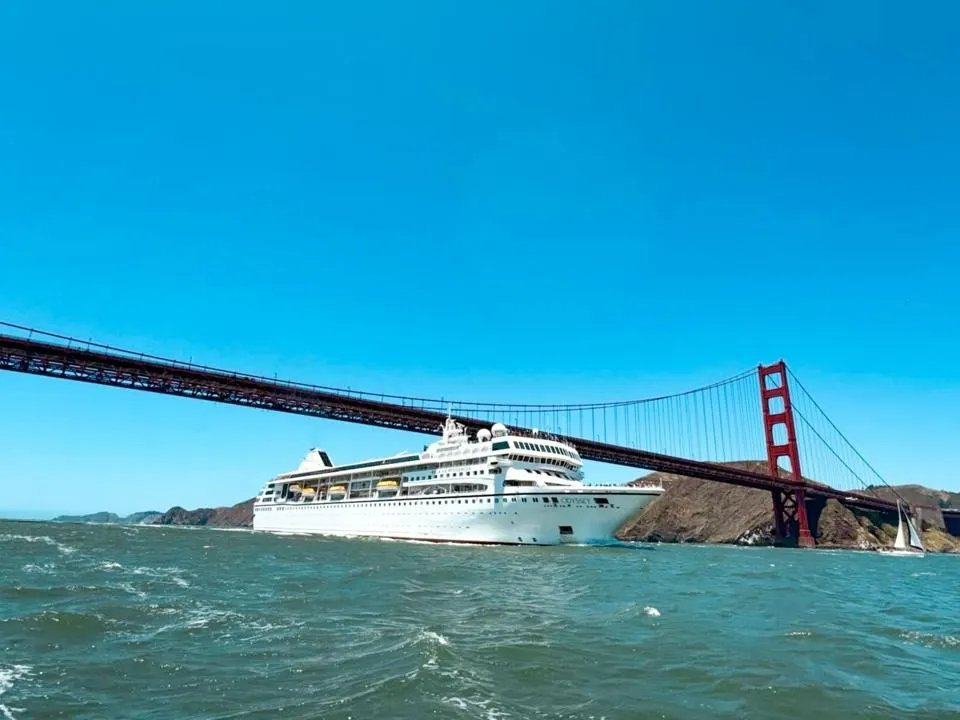
Two years after leaving Belfast, the Villa Vie Odyssey is more than 85 per cent sold and has a sister ship, Legacy, due in early 2029. Inside the idea of a home that never stays in one port.
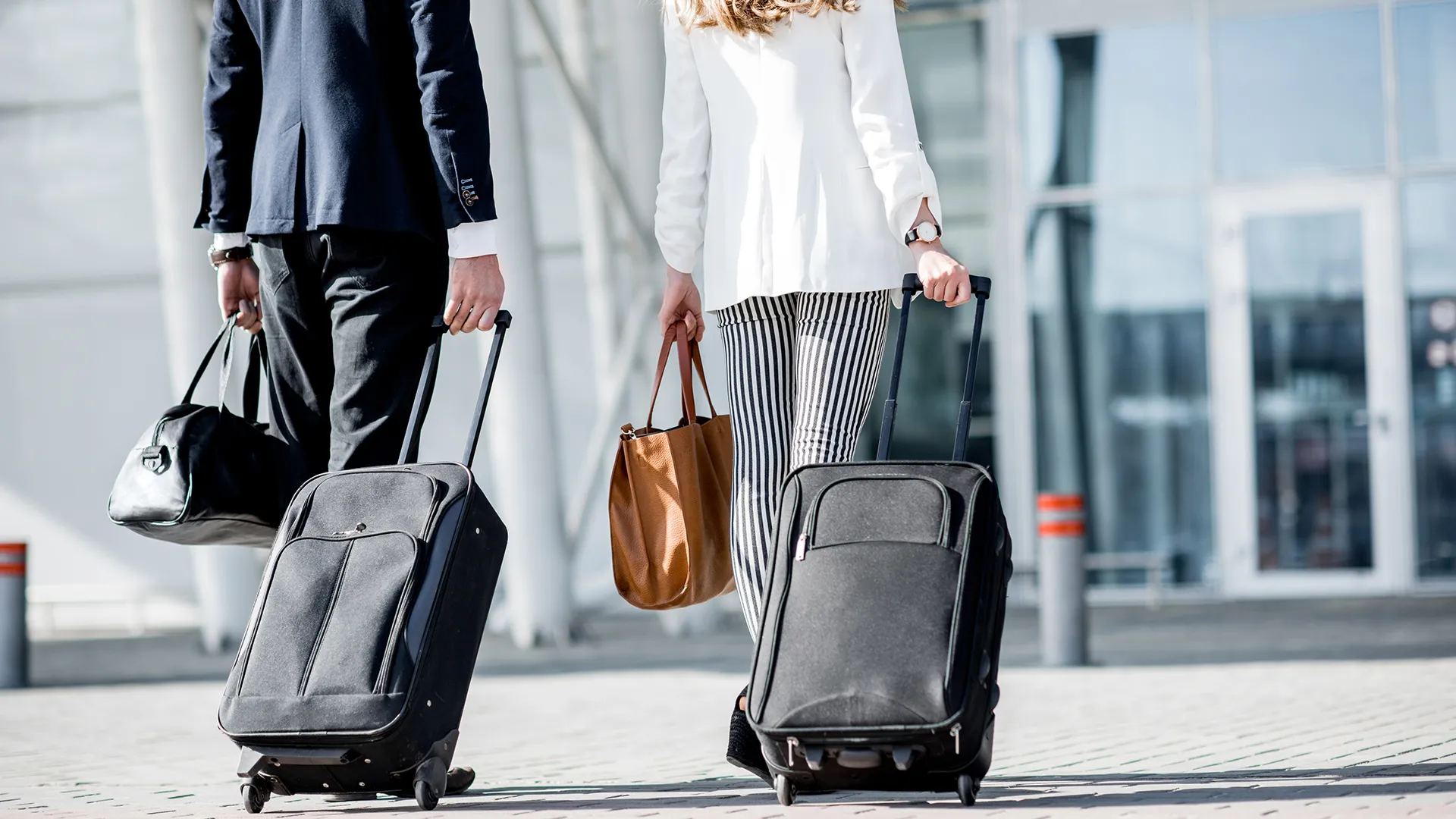
After more than a decade of negotiation, the EU's revised air passenger rights regulation was published in October 2026. It guarantees a free personal item and fares shown with hand baggage included, but not a free cabin trolley, and it applies from October 2027.
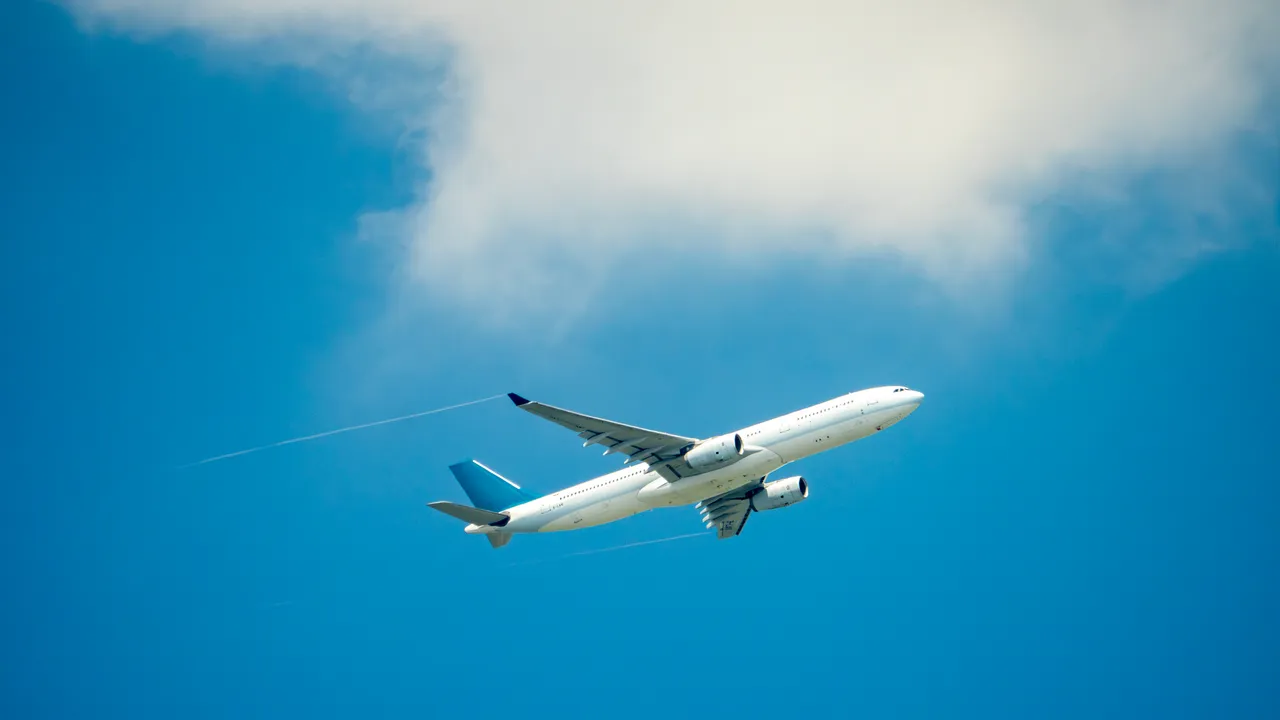
Singapore Airlines still owns the two longest scheduled routes on earth, at more than 15,300 km each. A 24-hour Airbus test flight in July showed how far the ranking is about to stretch.