Aero: the sixteen-seat cabin between first class and a private jet
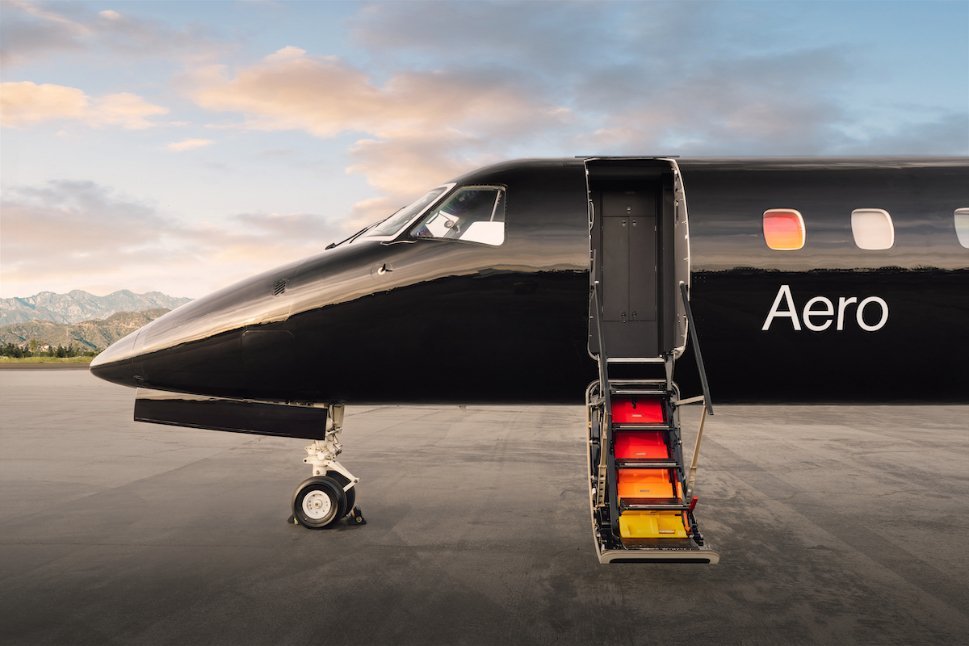
Aero occupies the space between a conventional airline ticket and chartering an entire aircraft. The proposition is semi-private travel: individual seats sold on a more intimate aircraft, with private-terminal departures and a cabin designed to make the smaller scale apparent from the moment of boarding.
Aero occupies the space between a conventional airline ticket and chartering an entire aircraft. The proposition is semi-private travel: individual seats sold on a more intimate aircraft, with private-terminal departures and a cabin designed to make the smaller scale apparent from the moment of boarding.
The company’s ERJ135 illustrates the idea particularly clearly. An airframe originally associated with a much denser regional-airline layout is configured with sixteen seats. Reducing the passenger count changes the proportions of the interior, but Aero also alters the surfaces, lighting and storage that usually make a regional cabin feel utilitarian.
A cabin designed around fewer people
Removing the overhead bins opens the upper part of the cabin. A suede-finished ceiling, textured white leather and individually stitched seats create a more deliberate material composition. Lighting is integrated into the design rather than left as an afterthought.
The absence of a large passenger load is not just an aesthetic benefit. It changes boarding, the way the crew can attend to the cabin and the relationship between each seat and its surroundings. At the same time, this remains a shared flight. The passenger is buying a place within Aero’s service, not the scheduling freedom of a whole-aircraft charter.
The terminal is part of the product
The experience extends beyond the seat. Private-terminal operations are central to Aero’s model, including its Los Angeles presence at Van Nuys. They remove the conventional terminal from this particular journey, with different arrival and boarding procedures from a scheduled commercial airline.
That does not make every practical constraint disappear. Baggage rules, check-in requirements and the operating timetable still apply. The attraction is a more contained process and a smaller group, not an exemption from the realities of flying.
A route-specific choice
The original route portfolio included leisure destinations such as Aspen, Napa, Las Vegas and Los Cabos. Aero’s current destination list should be consulted when planning a trip, because seasonal schedules and operating routes can change. Its fleet should likewise be read from the company’s current information rather than assumed to consist of a single aircraft type.
The model makes most sense where the route and departure time suit the traveller. In that setting, it offers a clearly defined middle ground: more space and a different ground experience than a conventional premium cabin, without requiring the passenger to book an entire jet. The design supports that proposition by treating sixteen seats as the foundation of the service.
The distinction is control, not only space
A sixteen-seat cabin changes the physical relationship between passengers, but semi-private travel does not give one passenger control over the entire aircraft. The route, departure time and shared nature of the flight remain central to the model. Those conditions separate the service from charter, even when the materials and terminal are markedly different from a conventional airline.
The removed overhead bins also change the visual space without making baggage requirements disappear. Storage has to be understood through the operator’s rules for the actual flight. Aero’s design is therefore best read as a set of coordinated decisions: fewer seats, a more open cabin and another ground sequence, all within a service whose timetable is still shared.
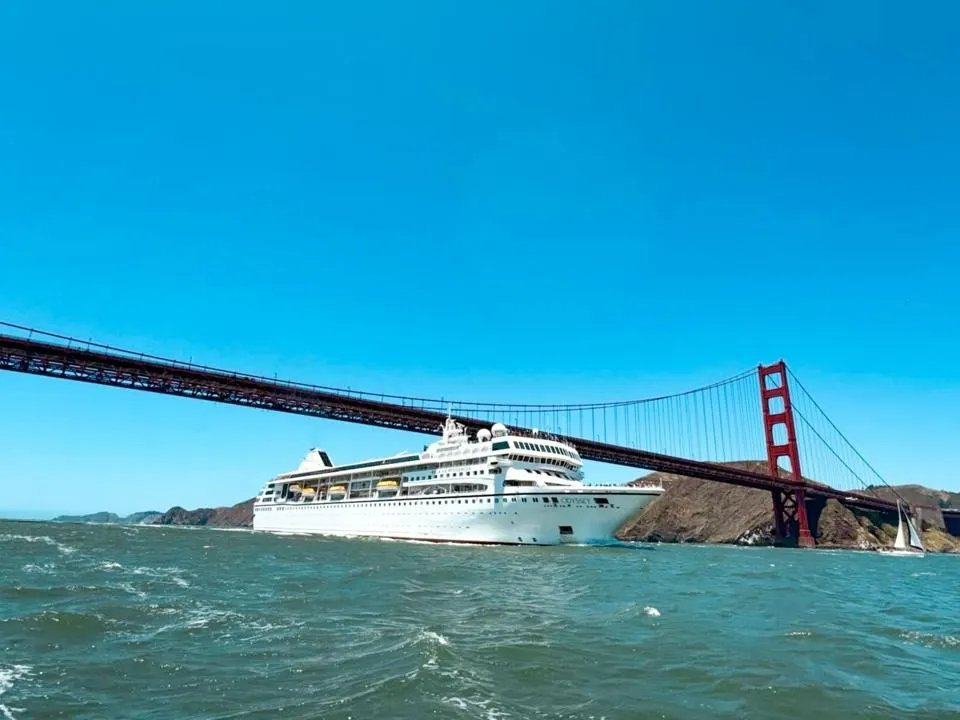
Two years after leaving Belfast, the Villa Vie Odyssey is more than 85 per cent sold and has a sister ship, Legacy, due in early 2029. Inside the idea of a home that never stays in one port.
After more than a decade of negotiation, the EU's revised air passenger rights regulation was published in October 2026. It guarantees a free personal item and fares shown with hand baggage included, but not a free cabin trolley, and it applies from October 2027.
Singapore Airlines still owns the two longest scheduled routes on earth, at more than 15,300 km each. A 24-hour Airbus test flight in July showed how far the ranking is about to stretch.