American’s new 777-300ER: the suite takes the place of first class
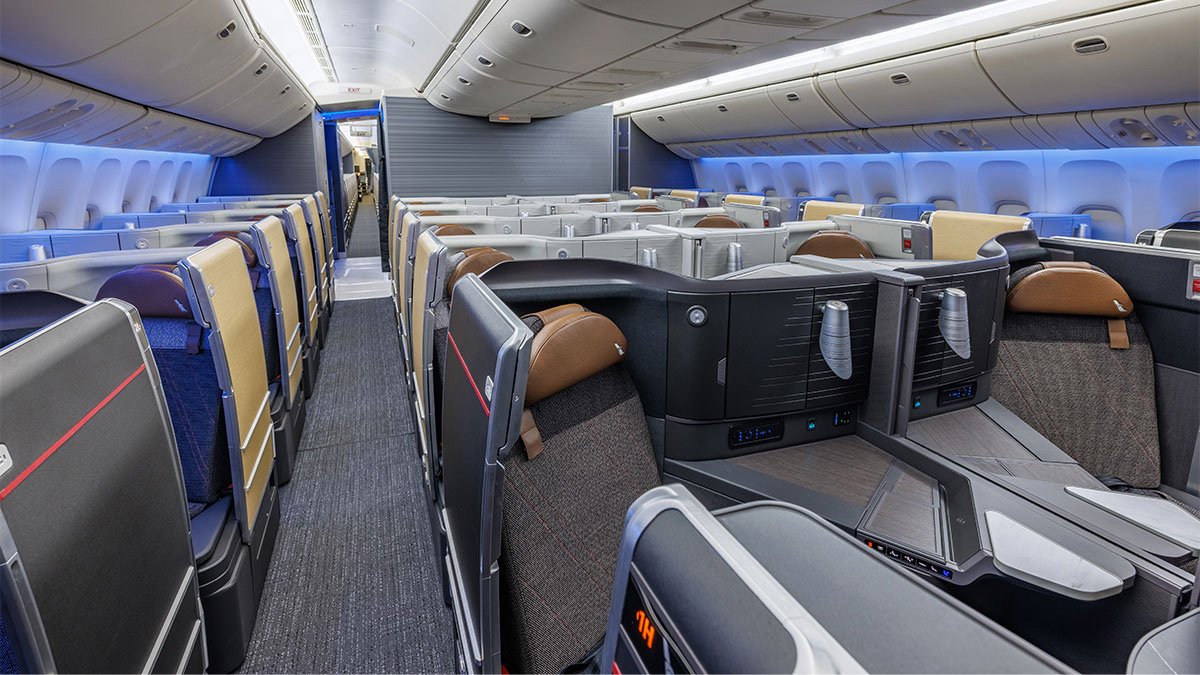
American Airlines is reorganising the front of its Boeing 777-300ER around a different hierarchy. The retrofit removes the traditional Flagship First cabin and places greater emphasis on Flagship Suite business class. The first converted aircraft makes the decision tangible: privacy doors and lie-flat seating become the principal premium proposition, rather than an intermediate step below a separate first class.
American Airlines is reorganising the front of its Boeing 777-300ER around a different hierarchy. The retrofit removes the traditional Flagship First cabin and places greater emphasis on Flagship Suite business class. The first converted aircraft makes the decision tangible: privacy doors and lie-flat seating become the principal premium proposition, rather than an intermediate step below a separate first class.
The new layout contains seventy Flagship Suite seats. Personal storage and a chaise-longue seating position extend the idea of the suite beyond a bed used only during sleep. Selected positions are sold as Flagship Suite Preferred, offering additional space for an extra charge.
More than the front cabin
The aircraft also receives forty-four Premium Economy seats, with adjustable supports for the legs and feet, shaped headrests, wireless charging and dedicated storage. The premium-economy expansion is an important part of the change: the aircraft is not simply receiving a more elaborate version of its business seat.
Main Cabin Extra remains another option for travellers seeking more legroom without moving into a different class. Across the aircraft, the refreshed interior brings a consistent approach to lighting and entertainment. Screens and Bluetooth pairing allow passengers to use their own headphones without depending on a cable connection.
The journey around the seat
Flagship Suite is presented as a service that includes the airport as well as the cabin. Eligible lounge access, priority airport procedures and the onboard dining and bedding arrangements are part of the proposition. The details still depend on the itinerary and the applicable ticket conditions, rather than on the aircraft name alone.
American announced the first converted aircraft for service between New York JFK and Buenos Aires, followed by Dallas Fort Worth and London Heathrow. The wider programme covers its twenty-aircraft 777-300ER fleet, with completion targeted for the end of 2027.
Check the configuration, not just the route
A retrofit programme necessarily creates a period in which aircraft with different interiors share the same fleet designation. Travellers should check the seat map attached to their actual flight rather than assume that every American 777 already has the new cabin. Aircraft substitutions can also change that assignment.
The underlying shift is clear even before the programme is complete. American is concentrating its most elevated long-haul cabin around a larger number of private business-class suites. For passengers, the result is a more specific choice of seat and space, with the suite now carrying the role once divided between business and first.
A different hierarchy at the front
Removing a separate first-class cabin does not remove the task of differentiating seats. Suite doors establish one level of enclosure; Preferred positions introduce another distinction within business class. The programme redistributes the hierarchy instead of simply transferring every former first-class feature to every new suite.
The seventy business suites and forty-four premium-economy seats show that the change reaches beyond the front row. It allocates more of the aircraft to differentiated products, while the remaining cabin retains its own choices of space. That is the durable subject of the retrofit. Route announcements describe where a converted aircraft was intended to begin operating; the seat map establishes the configuration offered on an individual departure.
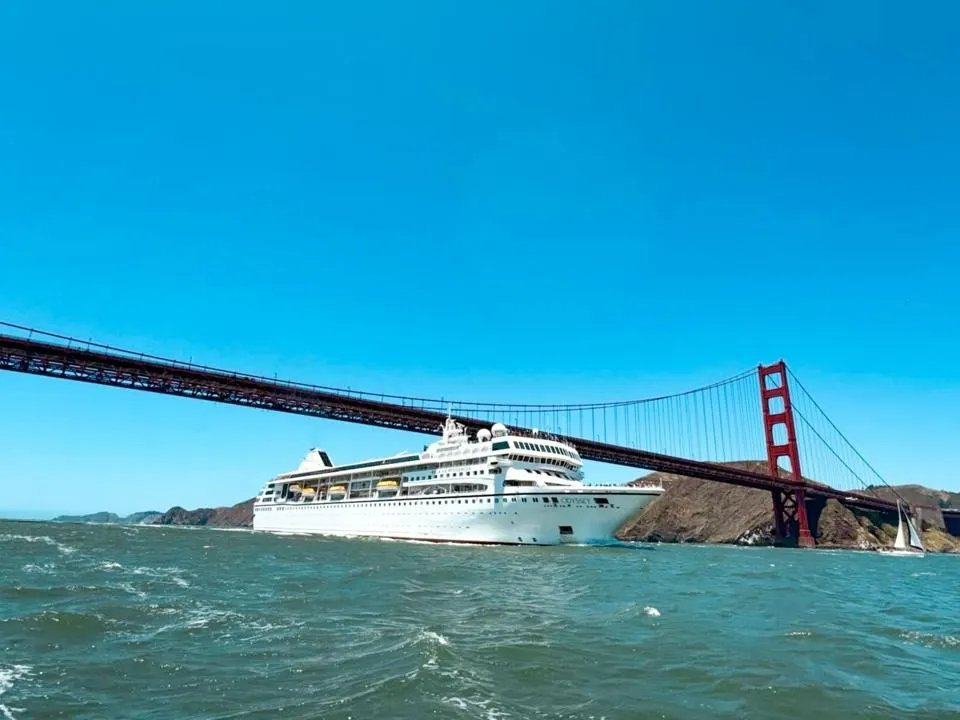
Two years after leaving Belfast, the Villa Vie Odyssey is more than 85 per cent sold and has a sister ship, Legacy, due in early 2029. Inside the idea of a home that never stays in one port.
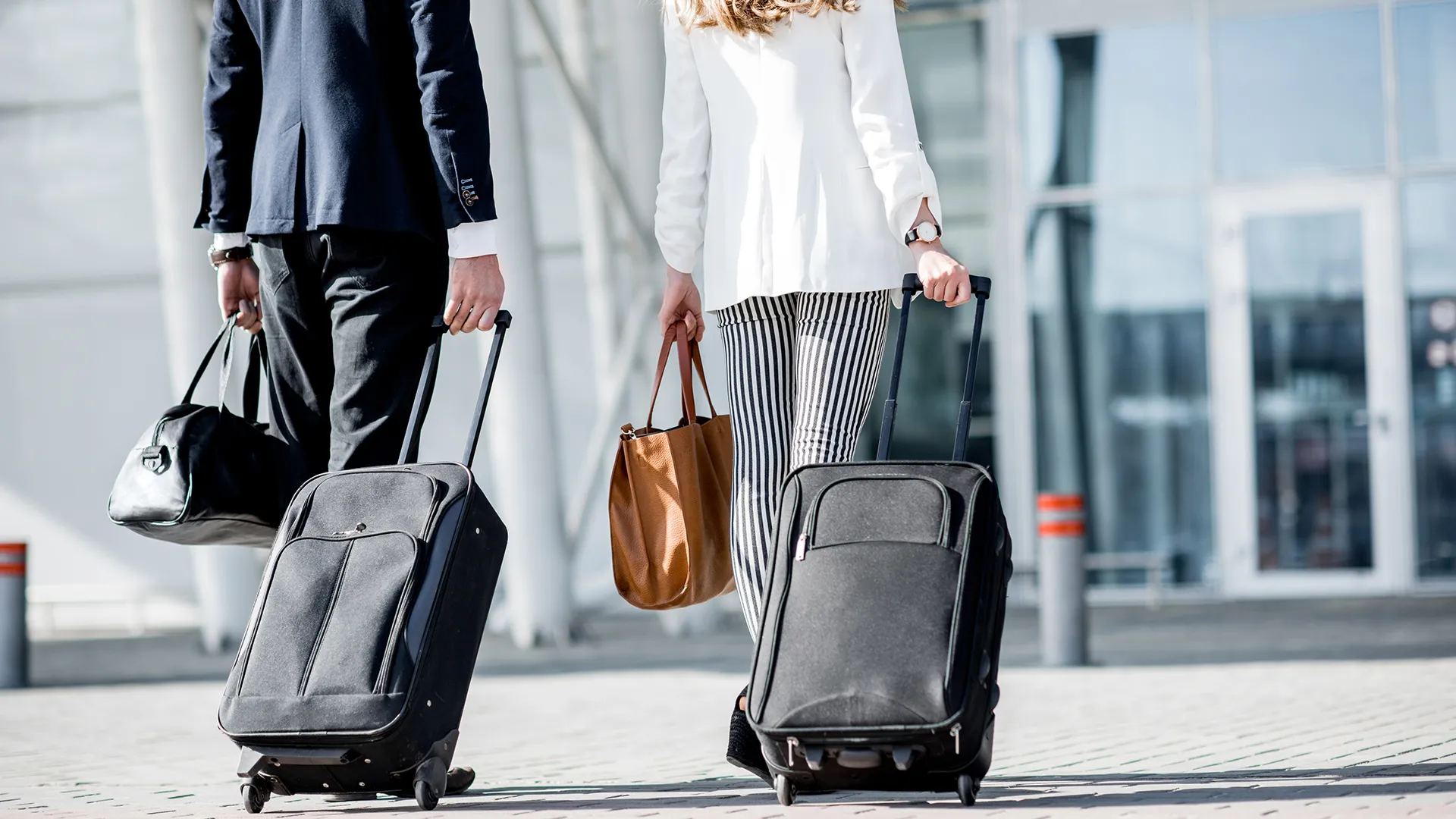
After more than a decade of negotiation, the EU's revised air passenger rights regulation was published in October 2026. It guarantees a free personal item and fares shown with hand baggage included, but not a free cabin trolley, and it applies from October 2027.
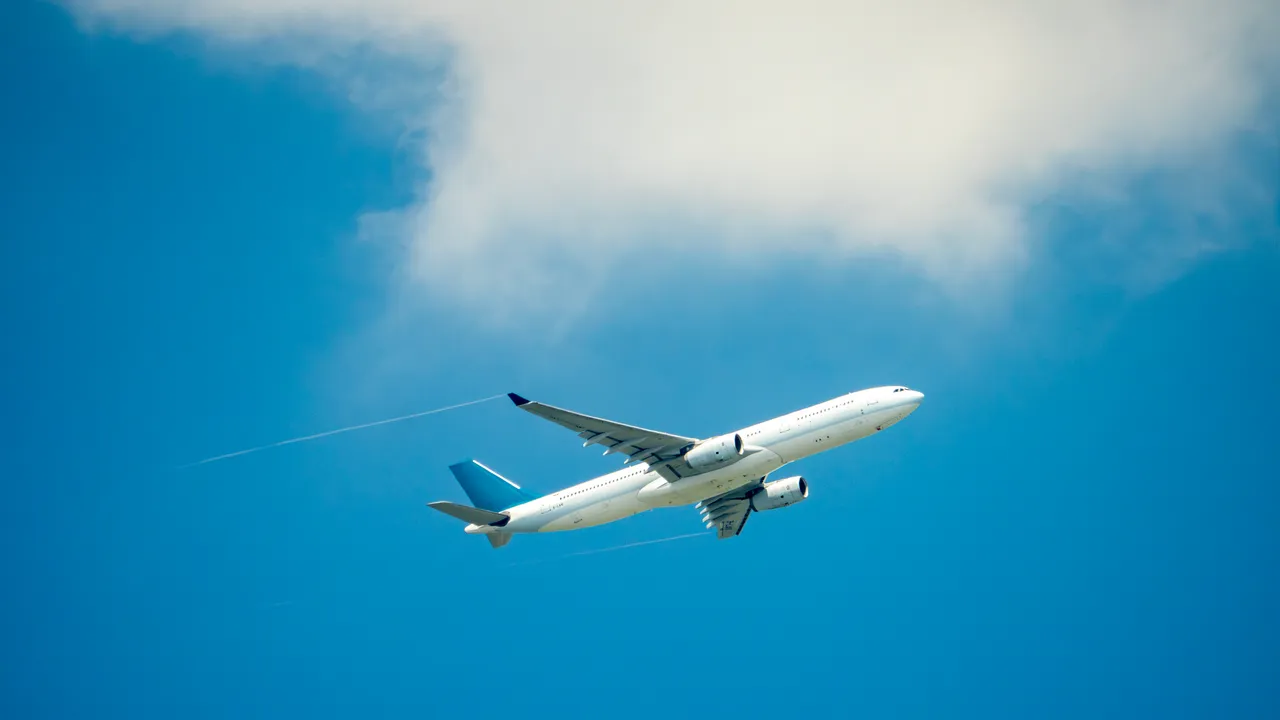
Singapore Airlines still owns the two longest scheduled routes on earth, at more than 15,300 km each. A 24-hour Airbus test flight in July showed how far the ranking is about to stretch.