Culture / Reportage
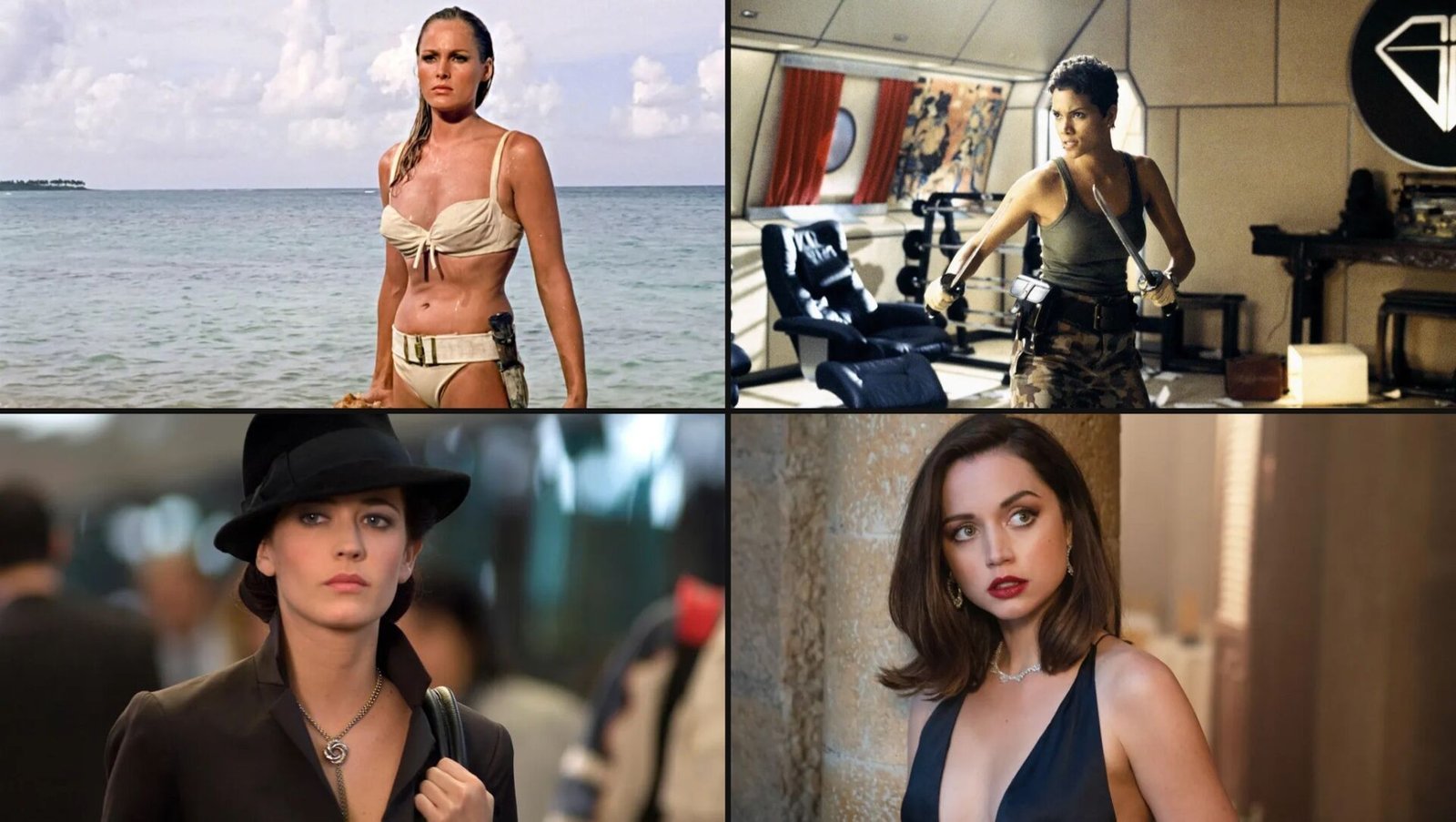
Fourteen Bond Women Who Defined Their Decades, as Robert Pattinson Becomes 007
From Ursula Andress to Ana de Armas, fourteen women who changed what James Bond meant, as Robert Pattinson is named the seventh 007.

THE CURATED EDITION.
Reportage /
From Chicago’s mirrored skyline to a red structure across New Zealand terrain, the works require movement rather than a single ideal photograph.
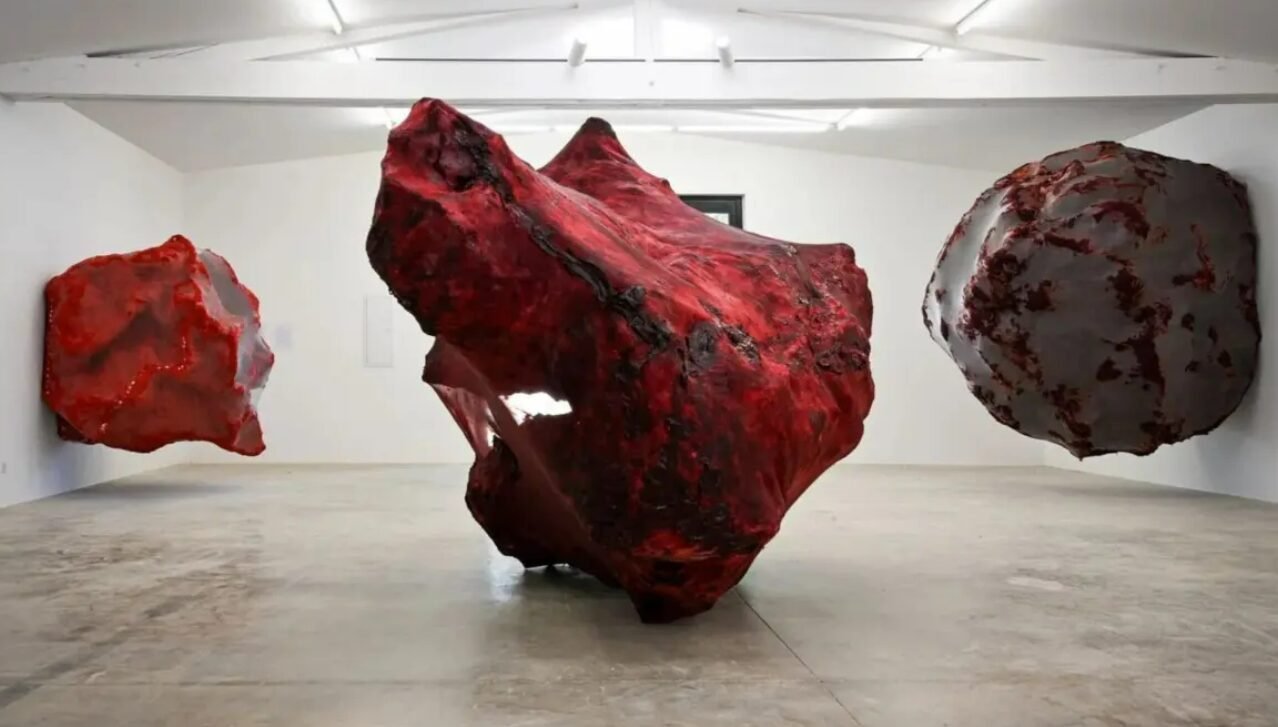
Anish Kapoor’s public sculptures are difficult to separate from the places around them. Some receive an image of their surroundings. Others interrupt the land through scale and colour. In each case, the viewer’s position is part of what can be seen, not simply the location from which an unchanged object is observed.
That gives a journey between the works a more useful premise than a list of monumental sights. The question is how a sculpture reorganises a particular space, and what becomes visible only after the viewer moves.
At Cloud Gate, the curved reflective surface receives the skyline, the ground and the people around it. Reflection makes the city’s image unstable. A person does not enter a neutral mirror; the body’s apparent scale and position shift within a field that also contains buildings and sky.
The work’s familiar public identity can obscure how strange this relationship remains. A photograph selects one arrangement. Walking changes it. The surrounding city is material for the sculpture, while the sculpture gives the viewer another way to read the city.
Sky Mirror directs reflective sculpture towards changing sky and light. Its image is supplied by conditions outside the object rather than permanently inscribed on it. Across its different settings, the work makes the reflected field as important as the metal that holds it.
At 56 Leonard Street in New York, Kapoor’s reflective form brings an encounter into a dense architectural setting. The building and passing bodies are not a backdrop that can be excluded from a clean view. Their presence is part of the work’s changing visual content.
Dismemberment, Site I, made between 2003 and 2009, uses PVC and steel rather than a mirrored surface. Kapoor’s catalogue gives its dimensions as 25 by 84 metres and locates it at The Farm in Kaipara Bay, New Zealand.
At Gibbs Farm, the red structure makes the relation between form and terrain explicit. It cannot be fully understood from one viewpoint. The land interrupts the possibility of treating the sculpture as an isolated object with a single complete outline.
These works do not need to be read through one repeated effect. Reflection is central to Cloud Gate but not the defining mechanism of Dismemberment. Keeping that distinction makes the journey more revealing. The artist changes the means while retaining the demand that the viewer reconsider a place.
For an international cultural itinerary, that is the substantial connection. Travel between the works becomes a comparison of ways of looking, not merely a sequence of photographs beside recognisable forms. Exhibition and access arrangements remain separate questions, particularly on private land. The sculpture can shape the landscape without making every part of that landscape publicly accessible.
CONTINUE READING
Culture / Reportage
From Ursula Andress to Ana de Armas, fourteen women who changed what James Bond meant, as Robert Pattinson is named the seventh 007.

Culture / Reportage
As Grand Theft Auto VI arrives on 19 November, Vice City revives a Miami built less by architects than by Miami Vice and Scarface: pastel, neon and danger in equal measure.
Culture / Reportage
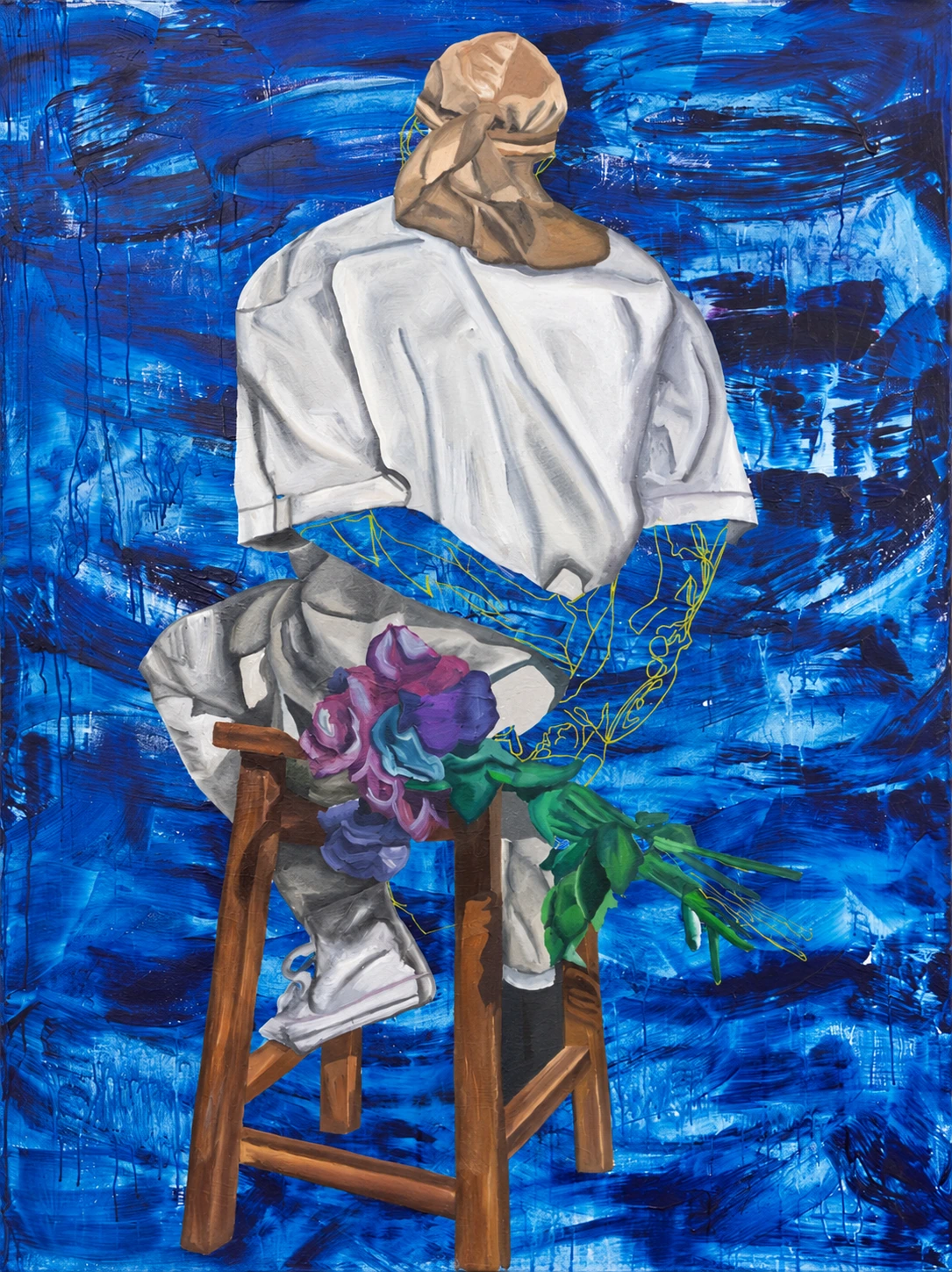
KORNFELD's early-2026 programme connected holography, portraiture and Brazilian visual traditions through a shared curatorial question.
Culture / Reportage
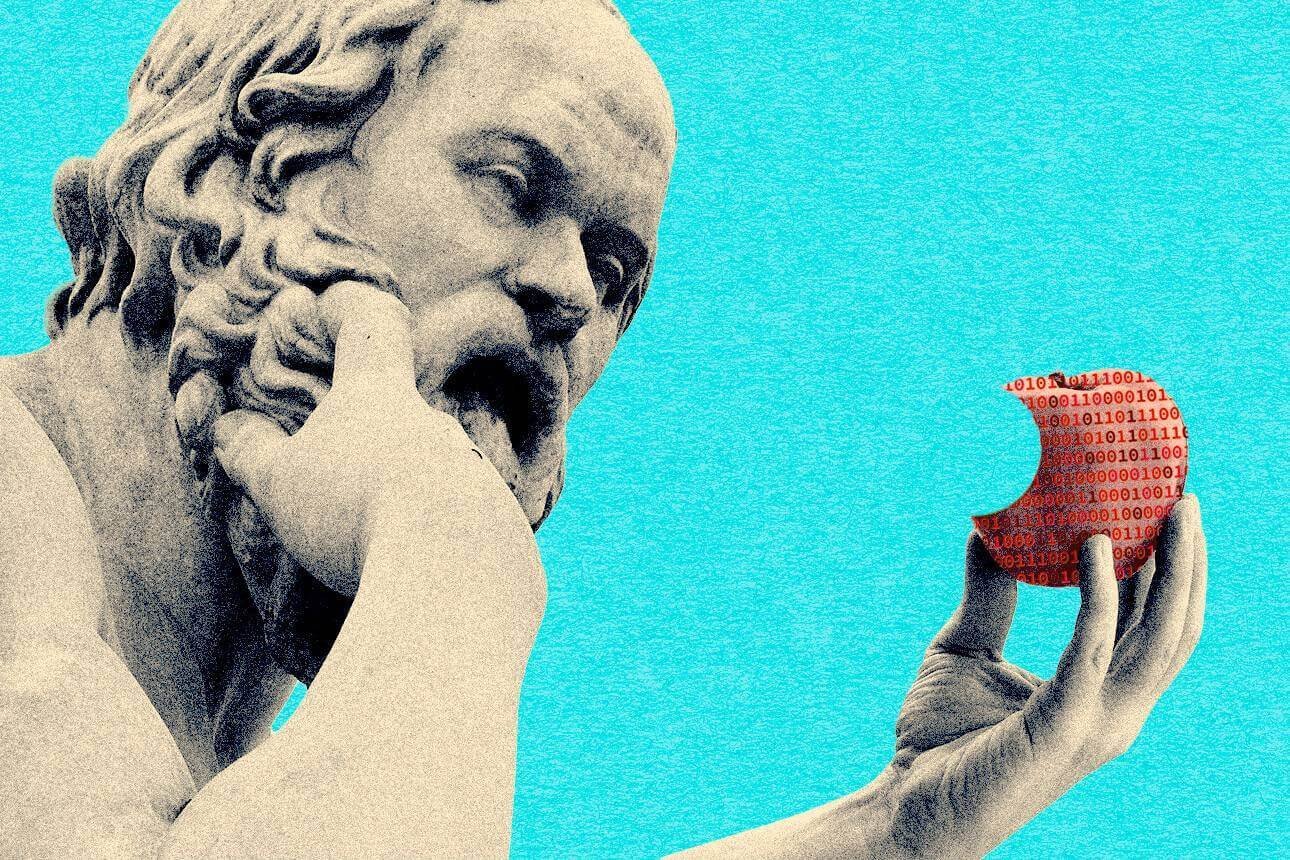
A decade ago, humanities students were told to learn to code. Now the laboratories building artificial intelligence are hiring philosophers to help decide how their systems should think and behave.
Culture / Reportage
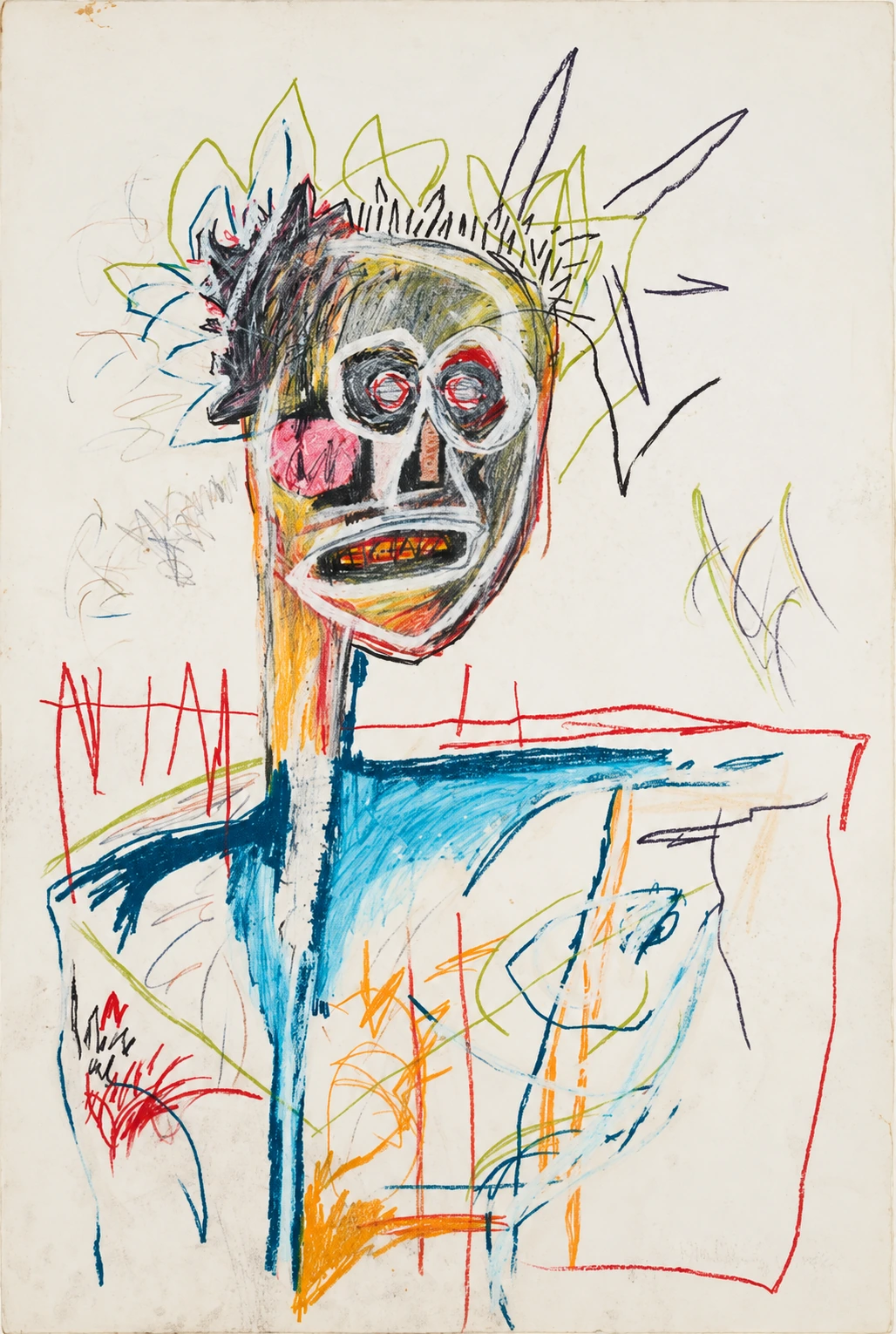
Louisiana’s 2026 exhibition moved attention from the artist’s mythology to line, pressure and repeated form.
Culture / Interview
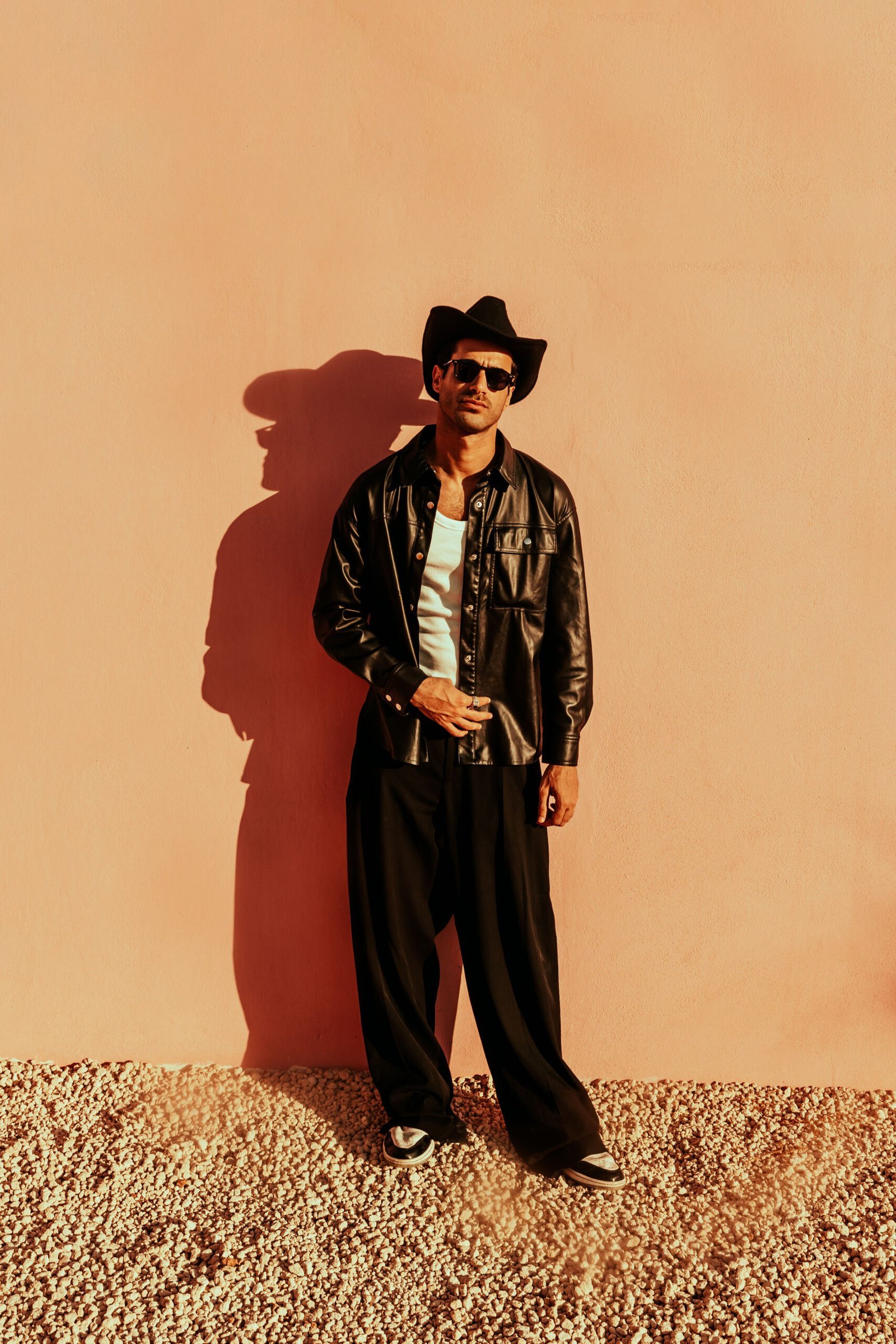
From Tel Aviv to a Brooklyn warehouse that kept him for four hours, the Stardust Records founder on reading a dance floor, saying yes to a party and the slow build of Red Roses.
THE CURATED GLOBE / FROM THE EDITORS
A considered selection of people, places and ideas from WAYFARER Edition, delivered to your inbox.
Free. No data sharing. Unsubscribe in one click.