Culture / Reportage
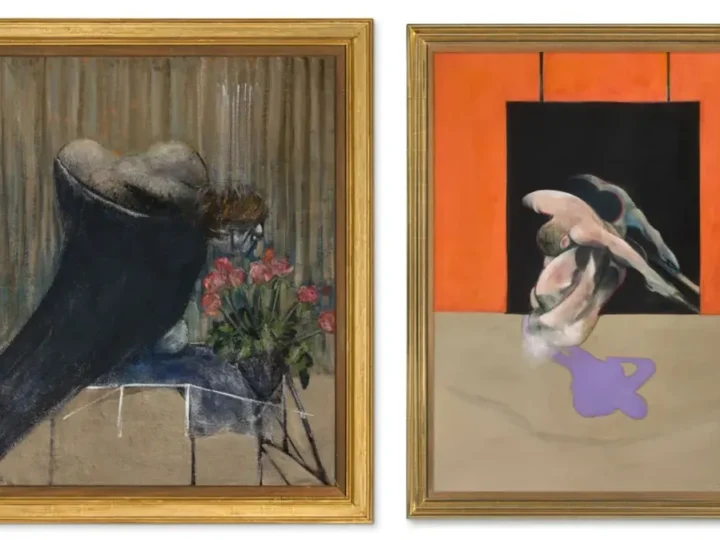
Peter Simon: the collector’s eye moves from cloth to canvas
The Monsoon founder’s collection reaches Christie’s during Frieze Week, offering a study in colour, composition and the formation of taste.

THE CURATED EDITION.
Interview / New York
The Brooklyn-bred DJ on Carnival, reading a room and the night that changed his career.

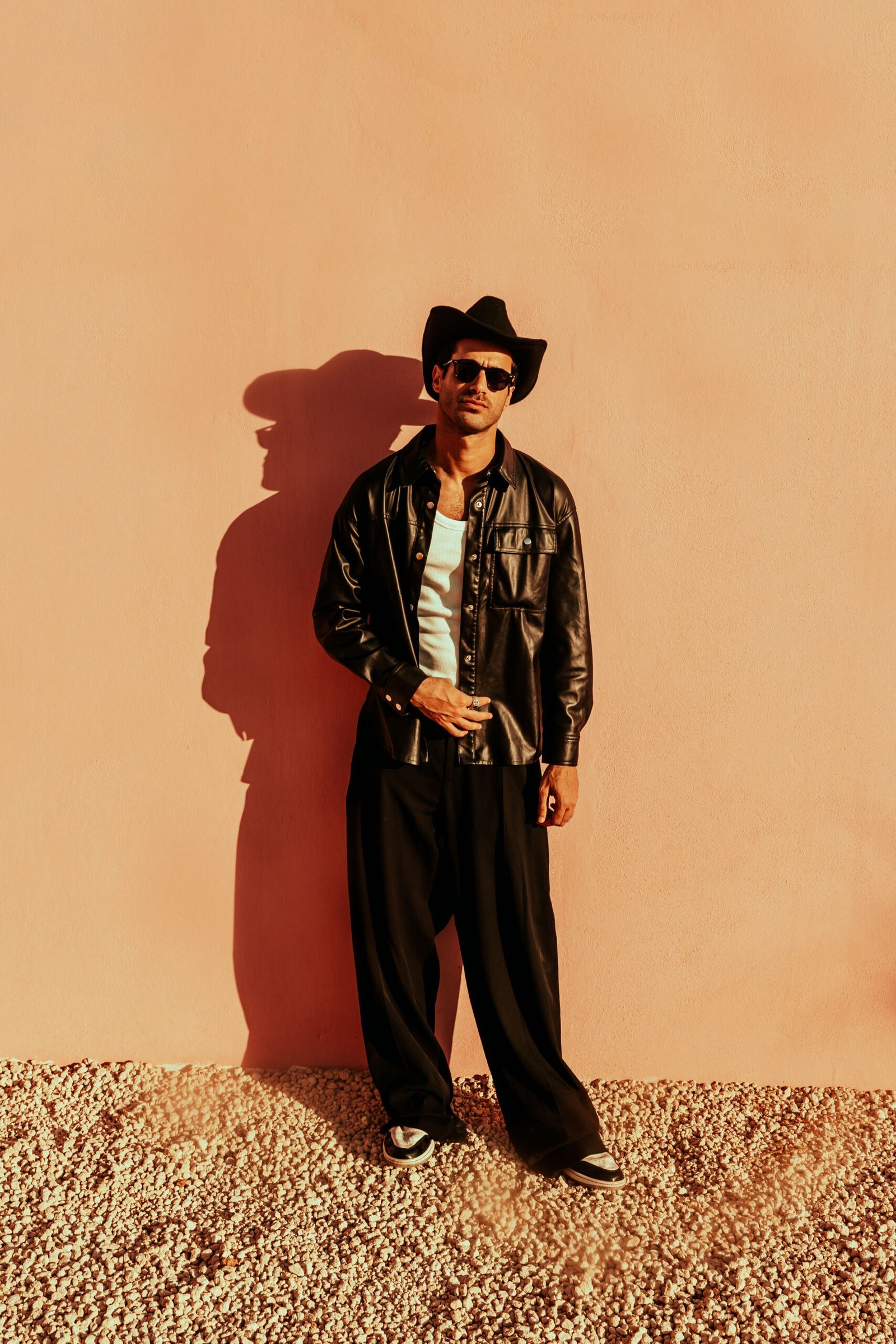
In a global scene that moves between industrial warehouses in New York, vast festivals and celebrations that cross continents, Saraga has built his path the way one polishes a narrative in constant motion. The DJ and producer has developed not only technique and repertoire, but a sensitive ear able to translate the energy of each dance floor into sonic stories that evolve through the night.
In this exclusive conversation with WAYFARER, led by our publisher Gabriel Silveirado, Saraga talks about the importance of connecting with the crowd, the singular intensity of Brazilian Carnival and the art of guiding tension and catharsis as chapters of the same musical plot. Between defining memories and reflections on the present, he also reveals the emotion behind Red Roses, the track that has become a high point of his recent sets.
You have played some of the most iconic parties in the world. Which ones really shaped you as an artist in the early years?
I would not say a specific party shaped me as an artist. For me it has always been a long process. You learn gradually, developing your taste, your technical skills and your ability to read and guide a dance floor. Every set, every crowd and every experience contributes to that evolution.
There is a different energy between underground nights, big festivals and parties in special destinations. Where do you feel most at home?
Honestly, I feel at home in all of them. I have been doing this for more than 15 years, and the journey has given me a broad range of experience. Each context has its own identity, but I have learned to adapt and feel comfortable almost anywhere. What matters most to me is the connection with the crowd, not just the format of the event.
When you are invited to play a new party, what makes you say yes? The crowd, the city, the concept?
Several factors. The audience and the venue matter a lot, because they define the overall atmosphere. I also pay attention to the artists who have played there before. It helps me understand the musical identity of the event and whether it aligns with my vision and energy.
Carnival in Brazil turns everything into one long emotional celebration. How does playing here compare with other great party scenes around the world?
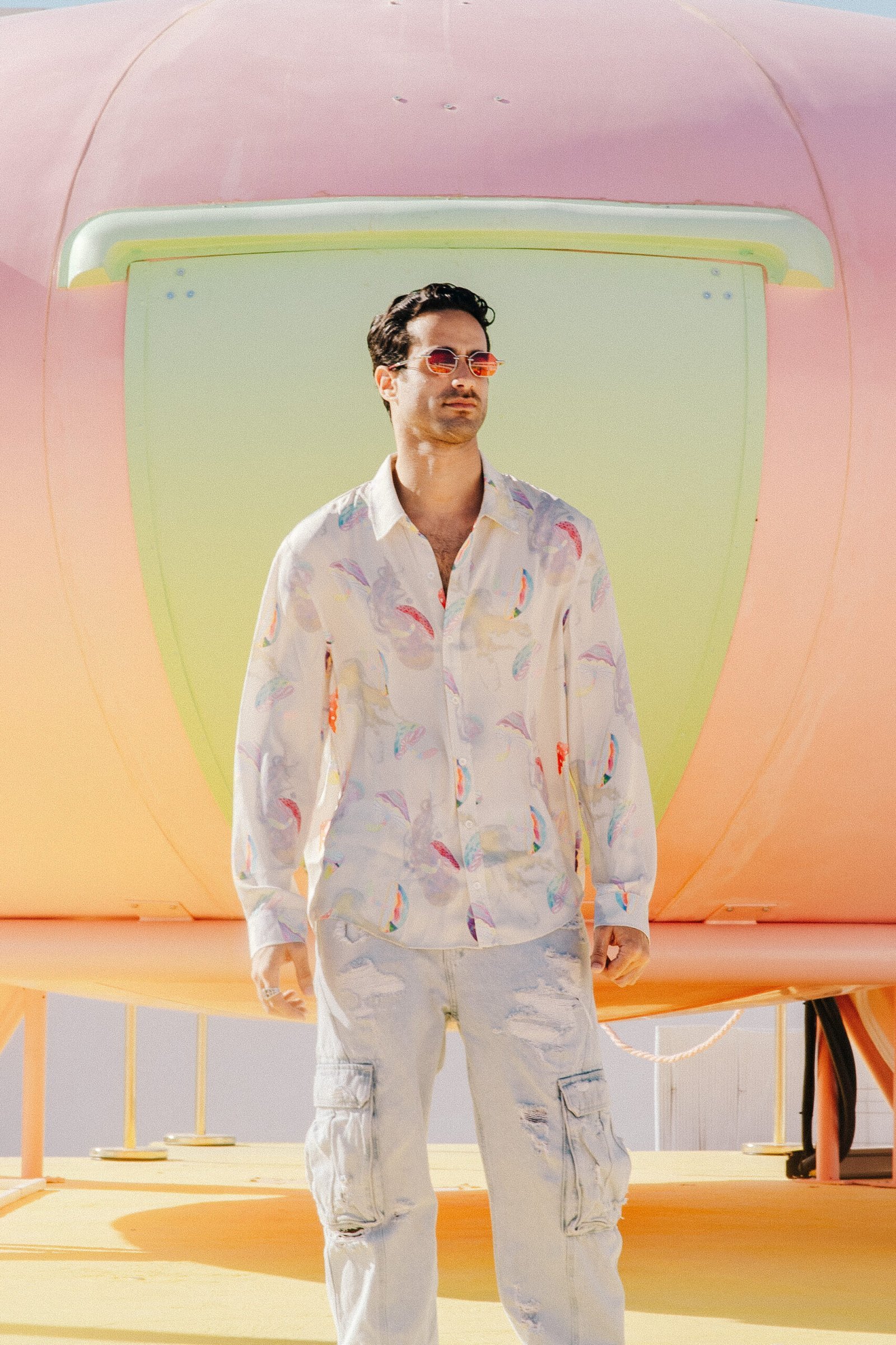
Carnival in Brazil is truly unique; I cannot compare it to anywhere else. There is an impressive intensity. So much happens in a single week, and the city, especially Rio, seems never to stop celebrating. Every party I have played here had incredible energy. The vibe is on another level and the crowd gives itself completely to the moment, dancing with a freedom and emotion that are very special.
Brazilian dance floors are very expressive and present. Does that change how you build tension and release during a set?
This is my fourth time in Brazil, and I feel I have developed a deeper understanding of the Brazilian crowd. When I play here, I focus even more on the narrative. I try to guide the audience through different emotional states while keeping a strong, consistent energy. Brazilian audiences are extremely responsive, which lets me explore contrasts and dynamics very naturally.
Do you approach a big night with a clear musical direction, or do you prefer to read the energy and let the night happen?
I usually arrive prepared with a few ideas, sometimes even a specific opening track. But most of the time I prefer to read the energy of the room and let the night develop organically. For me, that approach always works best. A set should feel alive and reactive, not fixed.
A set should feel alive and reactive, not fixed.
Saraga
Is there a party or a night in your career that still lives in your memory, a set you will never forget?
There are many unforgettable moments, but if I had to choose one, it would be a night in New York about seven years ago. It was the first time I played there. I was scheduled to play a two-hour closing set in a warehouse in Brooklyn, but the energy was so intense that I ended up playing for four hours. That night was a major turning point in my career. It was when I met my new manager, moved to New York and began a period in which I played there weekly. It was an extremely formative chapter of my life, both professionally and personally.
After playing in so many places, what still makes a party feel truly special and different to you today?
The crowd remains the most important element. The energy, the openness and the connection with the music define everything. At the same time, the whole setting, the venue, the production and the atmosphere, also plays a significant role. When all of these elements align, the experience becomes truly memorable.
Your track Red Roses carries a very distinctive emotional atmosphere and has featured in many of your recent sets. What inspired it, and how does it translate on the floor when you play it live?
With Red Roses I wanted to take the listener on a journey. The track begins with an enveloping, sensual energy, driven by a strong bassline, and gradually evolves into something more emotional and immersive. I like to think of it as a musical story that changes mood and feeling. I usually play it near the end of my sets, because it creates a powerful emotional moment. It lets the crowd experience intensity and catharsis, something I always try to build. The reaction has been incredible; it connects with people very naturally.
From a Brooklyn warehouse that stretched two hours into four to a Carnival week in Rio that never seems to end, Saraga keeps following the same rule: read the room, tell the story, and let the night decide its own ending.
Gabriel Silveirado
CONTINUE READING
Culture / Reportage
The Monsoon founder’s collection reaches Christie’s during Frieze Week, offering a study in colour, composition and the formation of taste.
Culture / Reportage
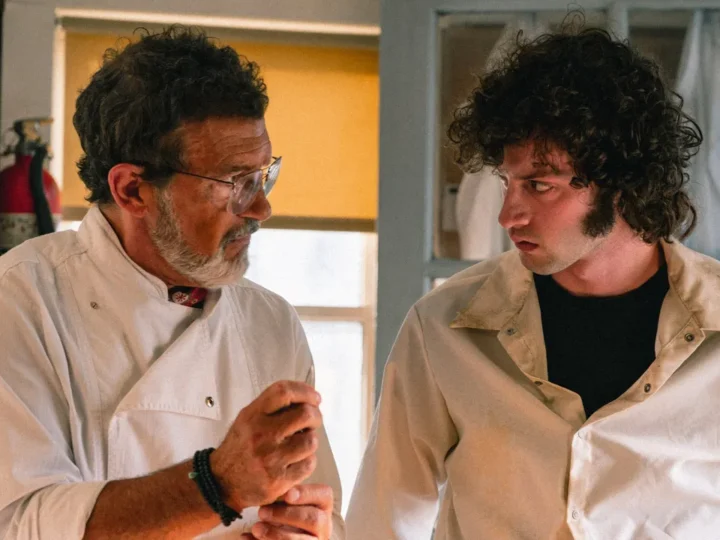
The film’s early-kitchen premise opens a wider conversation about food, apprenticeship and the difference between biography and fiction.

Culture / Reportage
Looking back at the 2025 Palais de Tokyo exhibition, scent emerges as a material for collaboration rather than simply a product to be displayed.