Argentina puts its passport on the market: South America’s first citizenship by investment
A USD 350,000 contribution or a USD 800,000 bond: Argentina's new programme brings citizenship by investment to South America, and with it a passport that opens 169 destinations without a visa.
WAYFARER Edition | Images: WAYFARER archive; Alvear Palace Hotel; Phillip Capper (CC BY 2.0) and Rod85daido (CC BY-SA 4.0) via Wikimedia Commons
TRAVEL & MOBILITY
A second passport has long been a Caribbean product. Argentina has now decided to sell one of its own. Early in October 2026, the economy minister Luis Caputo announced what he called South America’s first citizenship by investment programme, a direct exchange of capital for nationality that places Buenos Aires on a map previously drawn around island states.
Two doors in
The terms, set out by the Ministry of Economy, are short. An applicant can make a non-refundable contribution of USD 350,000 to the National Treasury, or subscribe to a USD 800,000 government bond created for the programme. Family members can follow at additional cost: USD 100,000 for a spouse, USD 100,000 for each unmarried child between 18 and 25 without children of their own, and USD 25,000 for each child under 18. Applications are expected to open in the fourth quarter of 2026.
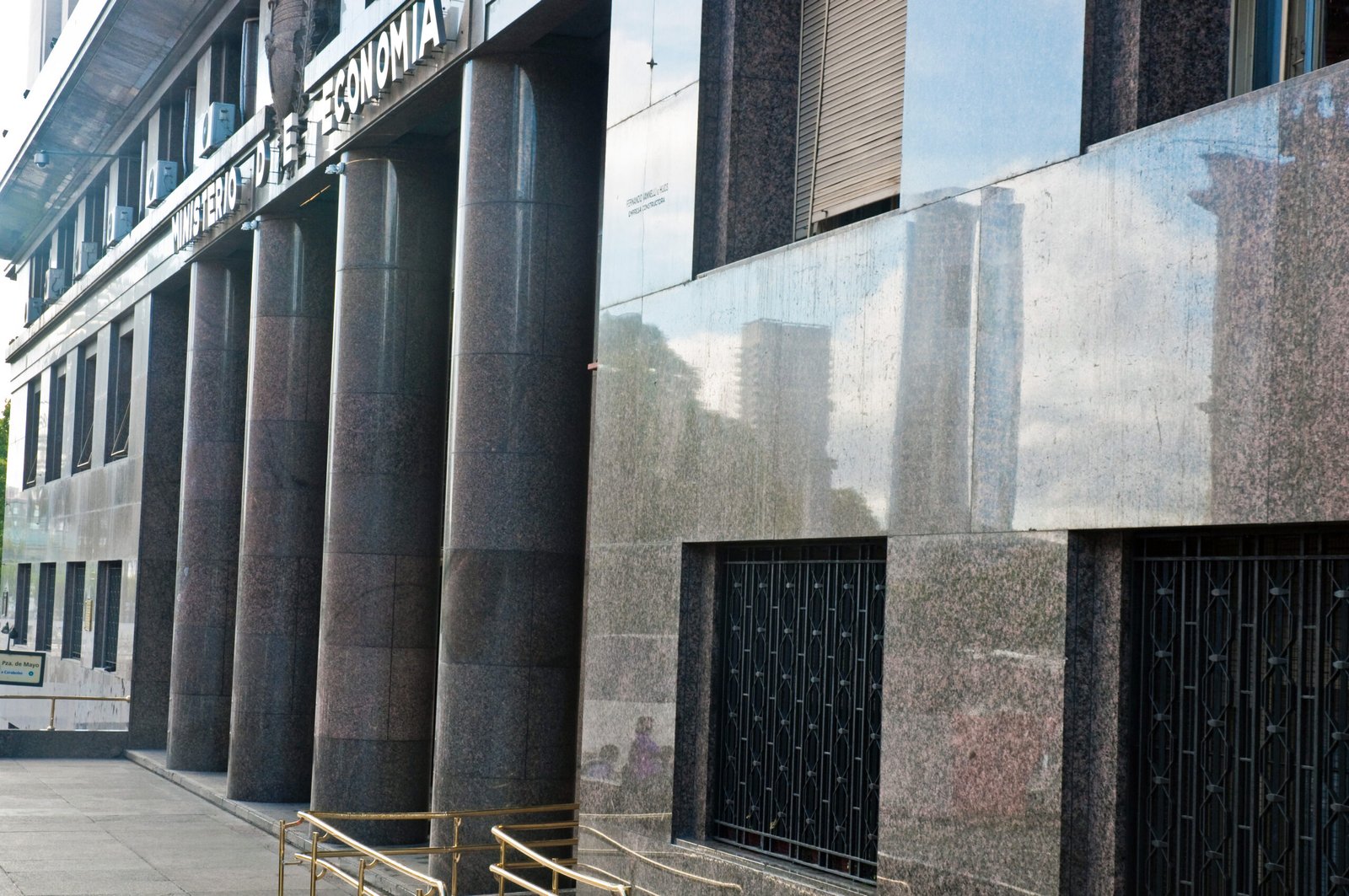
The Palacio de Hacienda, seat of the Ministry of Economy, which set out the terms. Photo: Phillip Capper, CC BY 2.0, via Wikimedia Commons
Caputo first announced the scheme on social media and then presented it, with the cabinet chief Diego Santilli, during Argentina Week in Paris, where the government was courting foreign capital. The ministry frames it as one more instrument in a wider effort to improve the investment climate and bring hard currency into an economy that has spent decades short of it. What has not yet been published in detail is the legal mechanism, the due diligence regime or any residence requirement, the points on which every serious programme of this kind is ultimately judged.
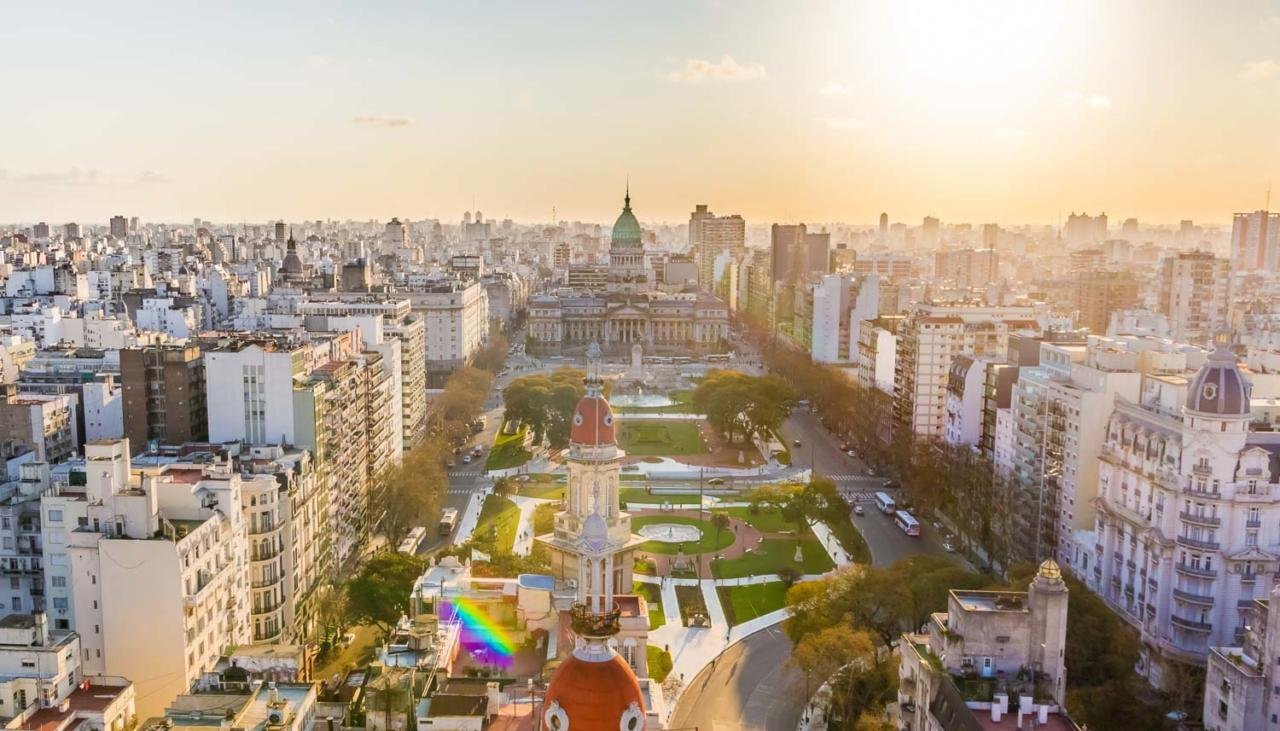
The National Congress in Buenos Aires, seen from Palacio Barolo. The legal framework of the programme has yet to be published in full. Image: WAYFARER archive
What the passport opens
The price is significant; the document is strong. In the Henley Passport Index for 2026, the Argentine passport ranks 16th in the world, with visa-free or visa-on-arrival access to 169 destinations, the country’s best result on record. That list includes the Schengen Area, the United Kingdom, the United Arab Emirates and China. Less visible, and for some applicants more valuable, is Mercosur: Argentine nationals can live and work across the bloc’s member and associated states with comparatively little friction, a right that most Caribbean passports do not carry.
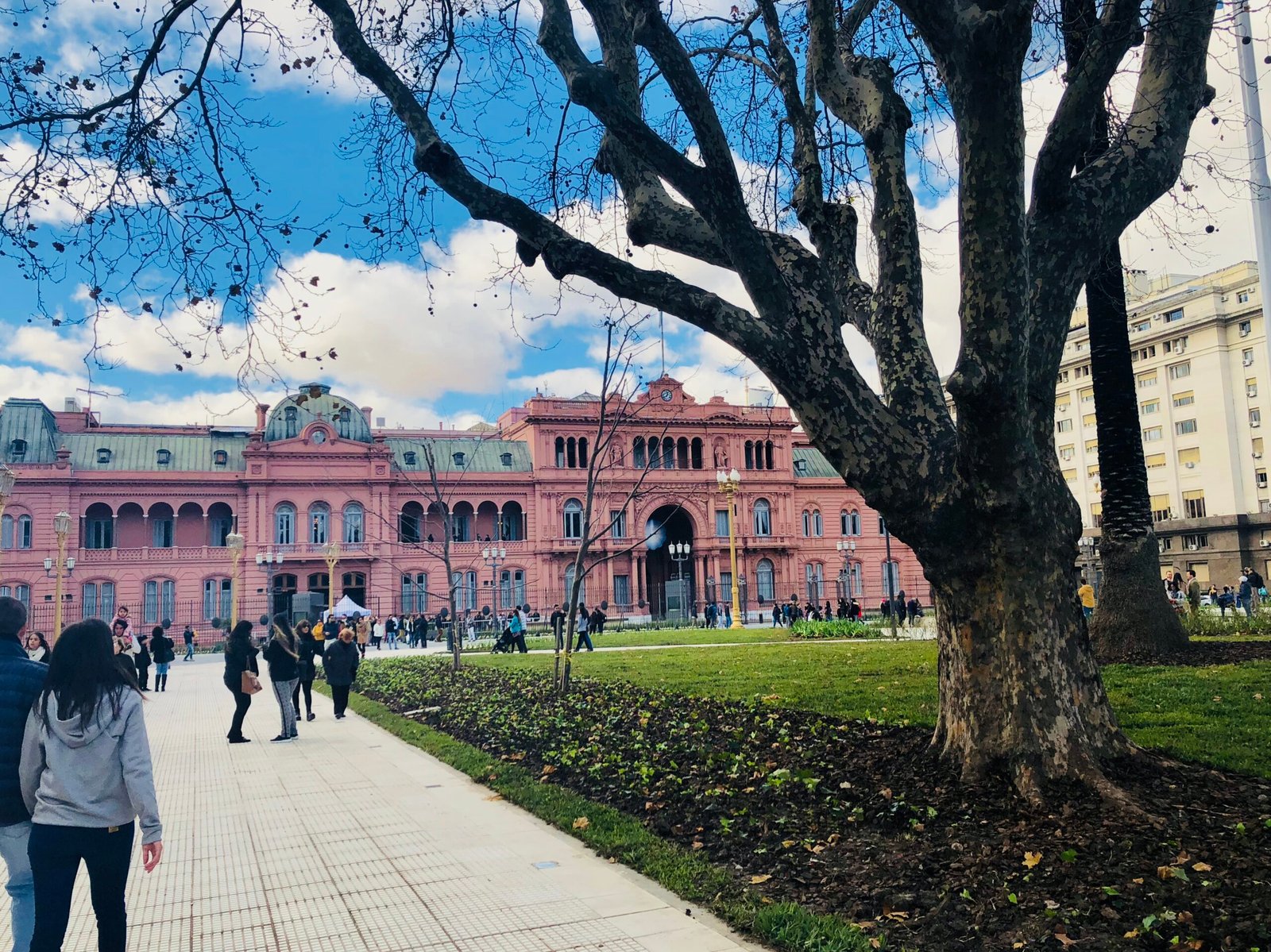
The Casa Rosada, seat of the presidency, from Plaza de Mayo. Photo: Rod85daido, CC BY-SA 4.0, via Wikimedia Commons
The product is not a flag. It is the list of borders that open without a queue.
A crowded and contested market
Argentina enters a field that is busy and under scrutiny. Several Caribbean states, among them St Kitts and Nevis, Dominica, Grenada, Antigua and Barbuda and St Lucia, have run citizenship by investment for years and have recently raised prices and tightened checks under pressure from the European Union and the United States. In Europe, the model has retreated: in 2025 the EU’s Court of Justice ruled Malta’s investor citizenship scheme incompatible with EU law. What remains far more common is the golden visa, which grants residence rather than nationality in exchange for investment, a route still offered in different forms by countries including Greece and the United Arab Emirates.
Against that background, Argentina offers something unusual: a large, culturally rich country with a major capital, a strong passport and no history of selling it. Whether that combination attracts the families it is aimed at will depend less on the headline figures than on the detail still to come, and on how the programme survives the scrutiny that has followed every other one.
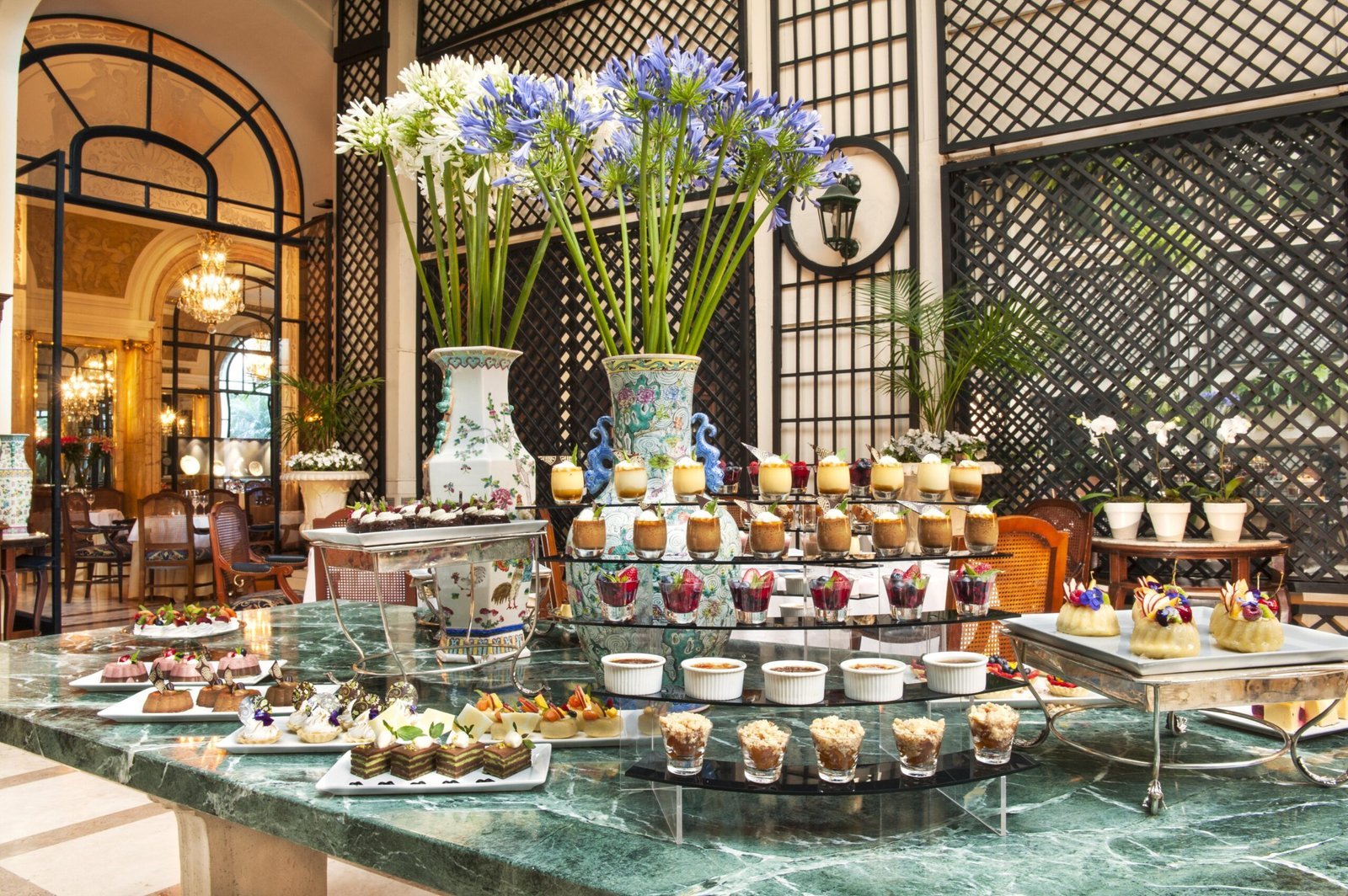
Recoleta, Buenos Aires: the kind of address the programme hopes its new citizens will call home. Image: Alvear Palace Hotel
For decades, a second passport meant a Caribbean island or a Mediterranean one. Argentina is wagering that it can join that short list, and that a country with a long history of exporting talent can begin, at a price, to import belonging.
From St Andrews and Royal County Down to Cabot Saint Lucia, Hirono and Tara Iti, eleven courses that justify the journey, with how to get a tee time and where to sleep afterwards.
From the Hôtel de Paris in Monte-Carlo to Raffles in Singapore and a Mandarin Oriental in Bangkok marking 150 years, the grand hotels that have stayed relevant for more than a hundred years without surrendering their identity.