The golf courses worth crossing the world for, and where to stay
From St Andrews and Royal County Down to Cabot Saint Lucia, Hirono and Tara Iti, eleven courses that justify the journey, with how to get a tee time and where to sleep afterwards.
A great golf course is a landscape that happens to have rules. The best of them were not built so much as found: dunes the wind had already shaped, cliffs the sea had already cut, pine forests that needed only a path through them. Travelling to play them is less about the score than about standing for four hours inside a piece of geography that someone had the sense to leave mostly alone.
The courses below are chosen for that quality, and for what surrounds them. Each comes with the practical question every travelling golfer asks first, how to get on, and the second, where to sleep.
Scotland, where the game began
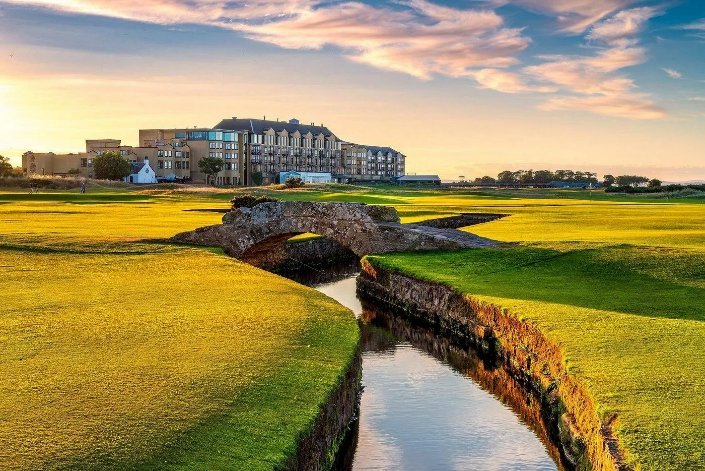
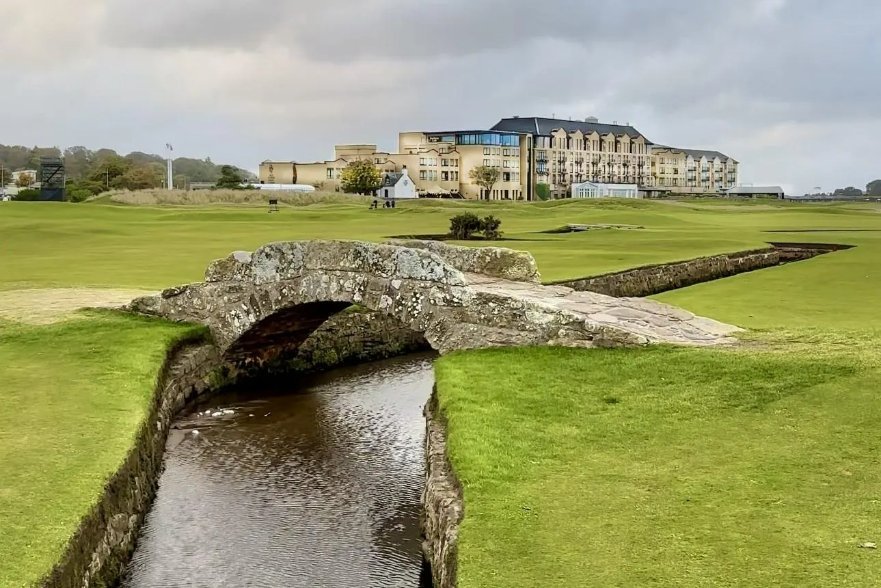
A RITE OF PASSAGE, IN ANY WEATHER. IMAGE: PRESS
St Andrews Old Course. The home of golf is less a destination than a rite. For centuries the North Sea wind has shaped its dunes and the temper of everyone who plays them, and crossing the Swilcan Bridge on the eighteenth, even in rain, feels close to ceremony. How to play: the course is public, with a valid handicap certificate required; tee times are released in advance each year and a daily ballot allocates the rest. Where to stay: the Old Course Hotel overlooks the Road Hole, with a Kohler Waters spa and the Road Hole Bar for the post-mortem.
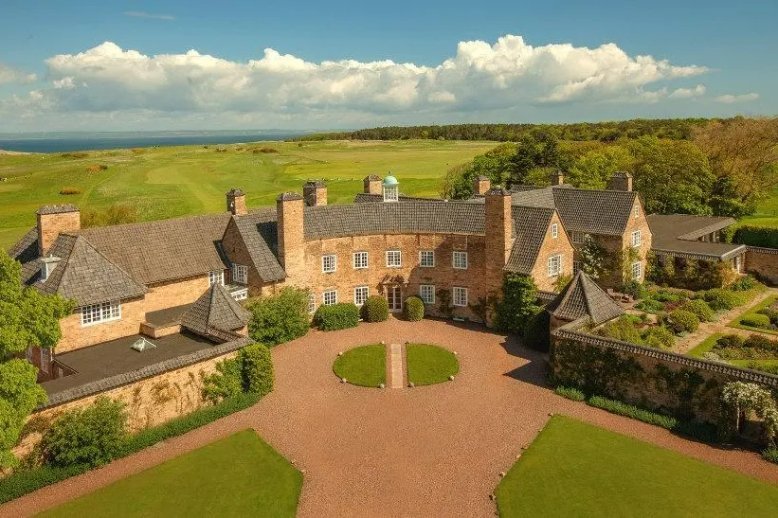
Muirfield. On the East Lothian coast, the home of the Honourable Company of Edinburgh Golfers is a test of patience as much as of swing, its routing turning the wind against you just when you have stopped noticing it. How to play: visitors are received on Tuesdays and Thursdays; in 2026 the green fee was £395 for eighteen holes, or £605 for thirty-six with lunch. Where to stay: Greywalls, the 1901 Lutyens house beside the ninth green, with Chez Roux in the dining room.
THE WIND, AS A SECOND OPPONENT. IMAGE: PRESS
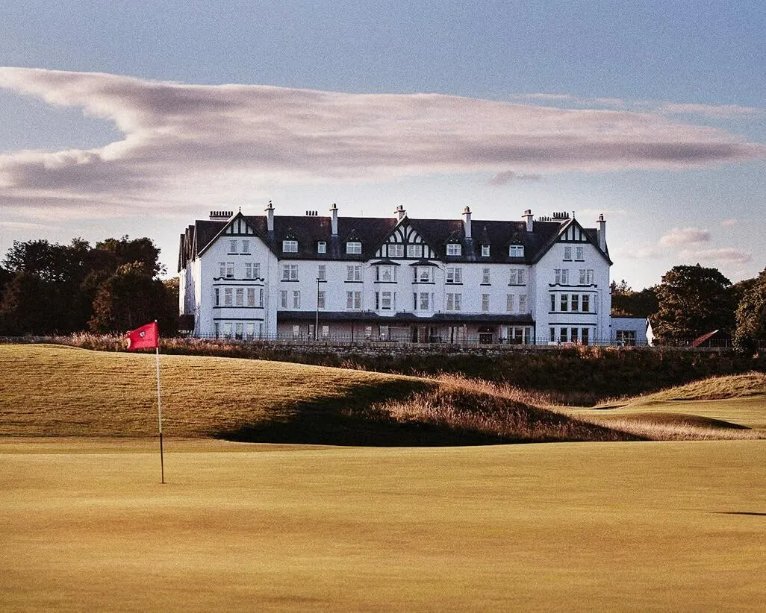
Royal Dornoch. On the remote northern coast, golf has been played at Dornoch for centuries, and its firm, fast plateau greens remain the purest argument for the old game. The horizon blurs into the Dornoch Firth and the only sound is wind in the gorse. How to play: visitors are welcome, with tee times booked through the club. Where to stay: Dornoch Station, the 1902 railway hotel a short walk from the first tee, restored and reopened in 2023.
THE GAME, BEFORE ANYONE IMPROVED IT. IMAGE: PRESS
Northern Ireland and England
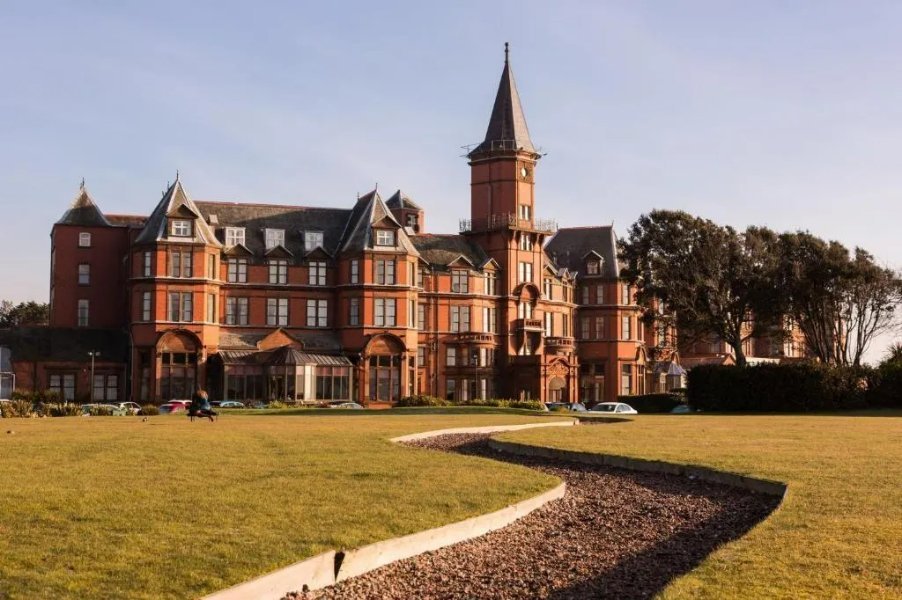
WHERE THE MOUNTAINS SWEEP DOWN TO THE SEA. IMAGE: PRESS
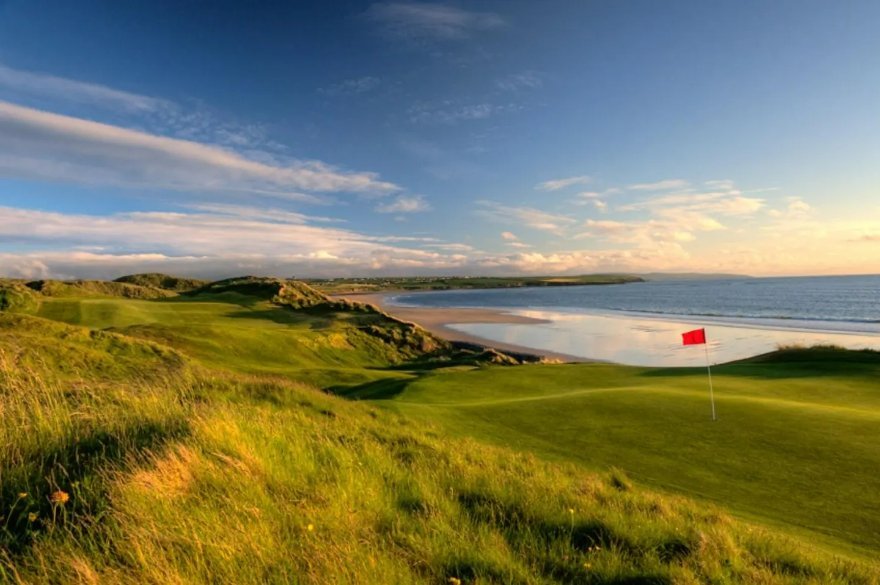
Royal County Down. Between Dundrum Bay and the Mourne Mountains, the course laid out by Old Tom Morris threads through heather-topped dunes and bunkers fringed with marram. It is regularly named among the finest in the world, and the blind tee shots explain why. How to play: visitors can book on set days; the 2026 green fee for the Championship Links was £450, and every group must take at least one caddie. Where to stay: the Slieve Donard, a Victorian railway hotel on the beach at Newcastle, with a spa and views back to the mountains.
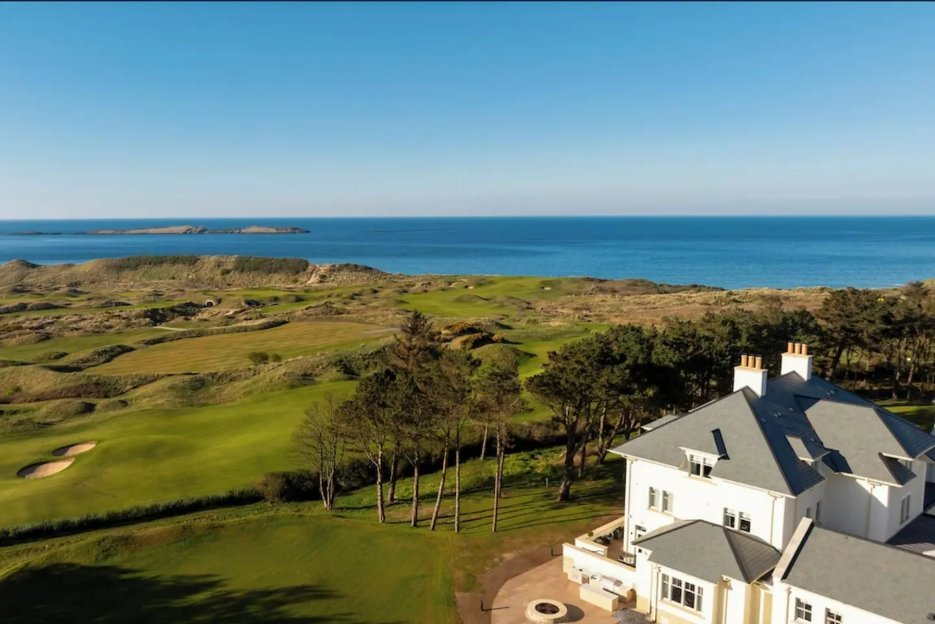
Royal Portrush. On the Antrim coast, Harry Colt’s Dunluce Links rolls through dunes and elevated greens above the Atlantic. It hosted The Open in 2019 and again in 2025, when Scottie Scheffler won his first Claret Jug. How to play: visitor tee times are released on selected days. Where to stay: Dunluce Lodge, beside the fourth fairway, where a glass of Irish whiskey settles the day.
THE ATLANTIC, KEEPING SCORE. IMAGE: PRESS
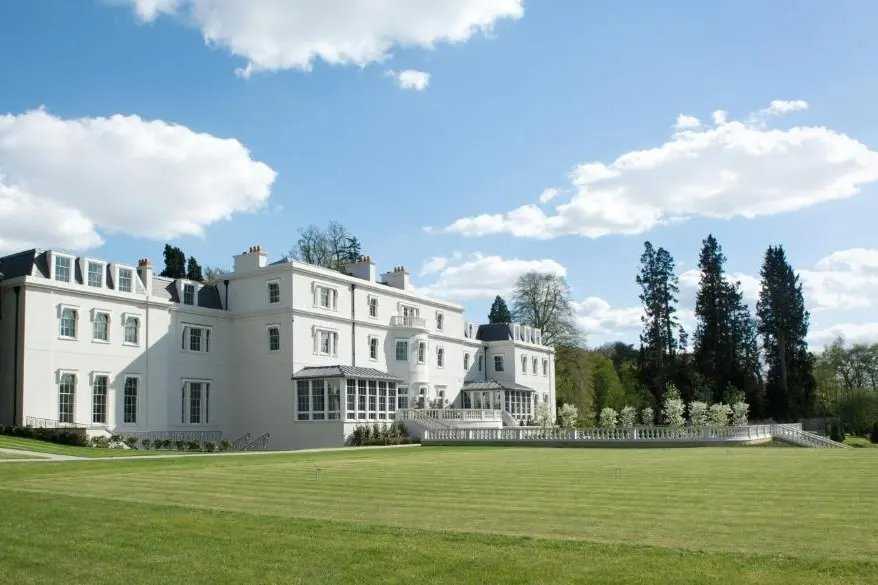
Sunningdale. Forty minutes from London, the Old Course opened in 1901 and remains the model of English heathland golf, its fairways framed by heather, pine and birch. How to play: visitors are received on set weekdays, and tee times go early. Where to stay: Coworth Park, the Dorchester Collection’s Georgian house set in parkland and polo fields, with a spa built into the landscape.
HEATHER, PINE AND GOOD MANNERS. IMAGE: PRESS
The far side of the world
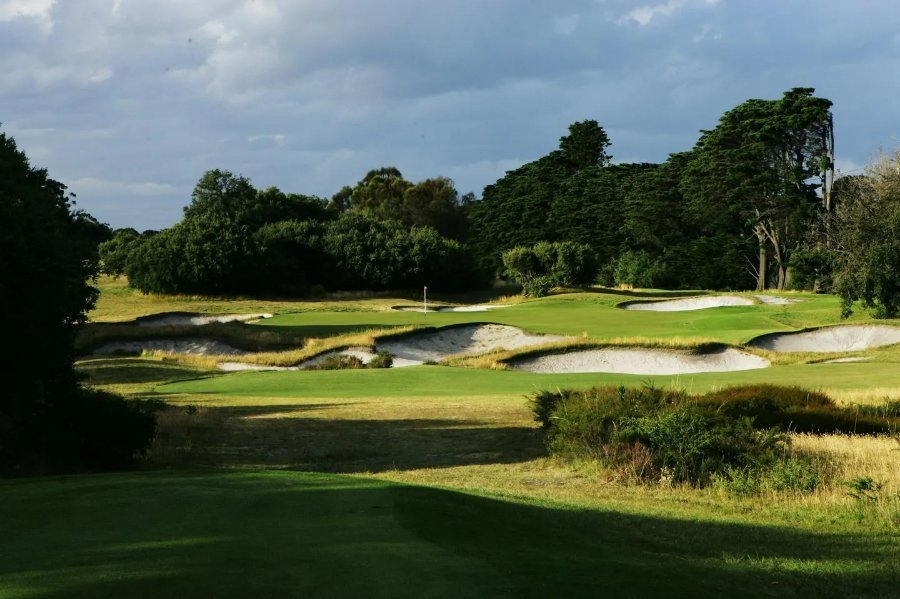
SAND, SHAPED BY A MASTER. IMAGE: PRESS
Royal Melbourne. Founded in 1891 in Victoria’s Sandbelt, its West Course, by Alister MacKenzie, is a lesson in bunkering, sandy and sculpted at the lip of every green. How to play: a members’ club; visitors need an introduction, typically through their home club.
Tara Iti. About ninety minutes north of Auckland, Tom Doak built the course on what had been a pine plantation, clearing it back to native dune and sand. It looks as if it rose out of the beach on its own. How to play: members and their guests only. Where to stay: The Ridge at Mangawhai, architectural villas set in native bush, with wide views and complete privacy.
A COURSE THAT SEEMS TO RISE FROM THE BEACH. IMAGE: PRESS
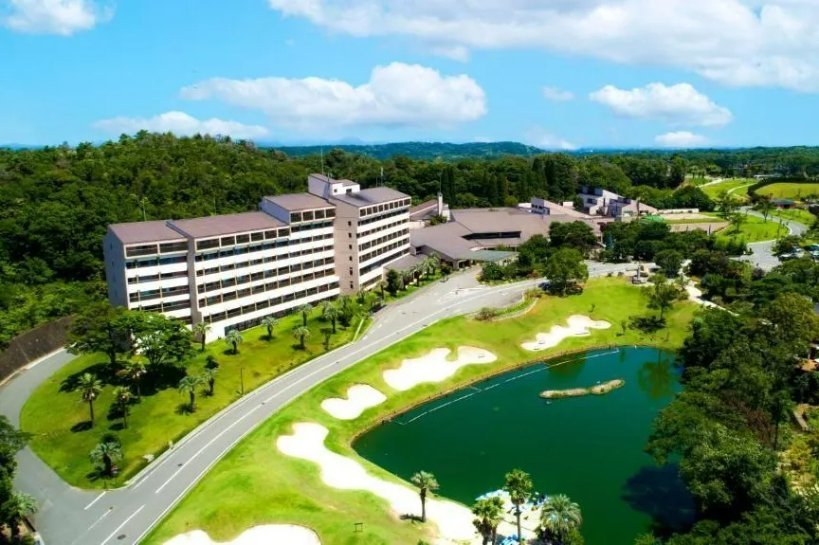
Hirono. Near Kobe, opened in 1932 and shaped with the advice of Charles Alison, Hirono is the measure of Japanese golf: diagonal bunkers, deep pine forests and a stillness that turns each round into something close to meditation. How to play: by invitation of a member only. Where to stay: Nesta Resort Kobe, in the hills nearby, for hot springs and quiet.
PATIENCE, IN THE SHADE OF PINES. IMAGE: PRESS
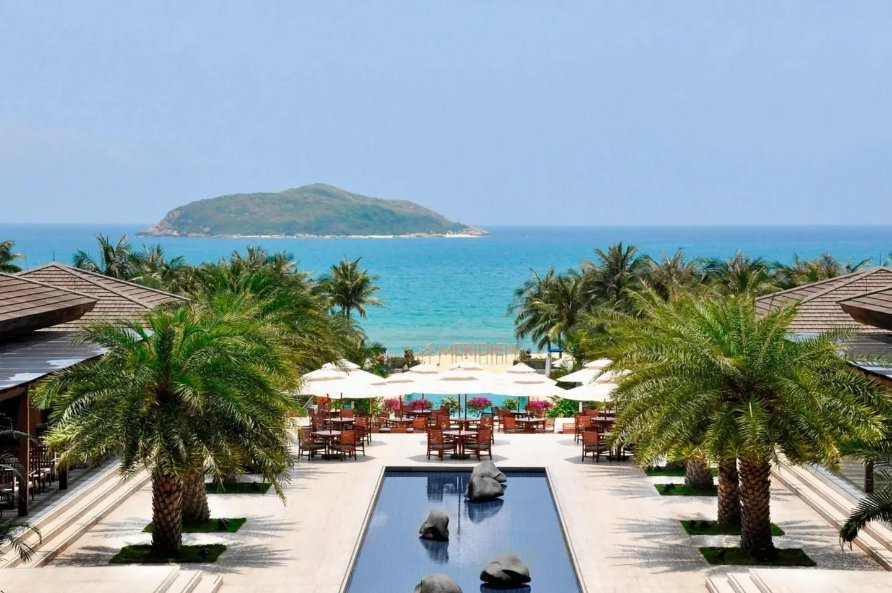
Shanqin Bay. On the coast of Hainan, Bill Coore and Ben Crenshaw routed the course across clifftops and valleys above the South China Sea. It is one of the most private clubs in Asia, with caddies who attend to every detail. How to play: members and invited guests only. Where to stay: the beach resorts of Shimei Bay, a short drive along the coast.
CLIFFS, SEA, AND VERY FEW OTHER PLAYERS. IMAGE: PRESS
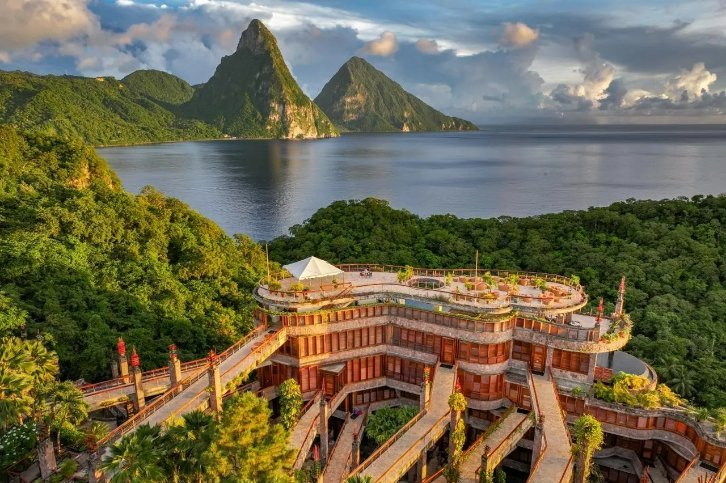
Point Hardy, Cabot Saint Lucia. Coore and Crenshaw again, this time on a 375-acre peninsula at the northern tip of Saint Lucia, where holes play over cliffs and coves toward the Atlantic. Opened in 2024, it is already counted among the most dramatic new courses anywhere. How to play: access is centred on resort guests and residents. Where to stay: on site at Cabot, or at Jade Mountain on the island’s west coast, whose open-walled sanctuaries face the Pitons.
THE CARIBBEAN, PLAYED FROM THE CLIFF. IMAGE: PRESS
Golf, at its best, is a slow way of reading a landscape. From the Scottish silence to the Caribbean breeze, from English heath to Japanese pine, these courses ask the same thing of the traveller: patience, precision and a willingness to let the place set the terms. Every shot becomes a memory, and every round, a journey.
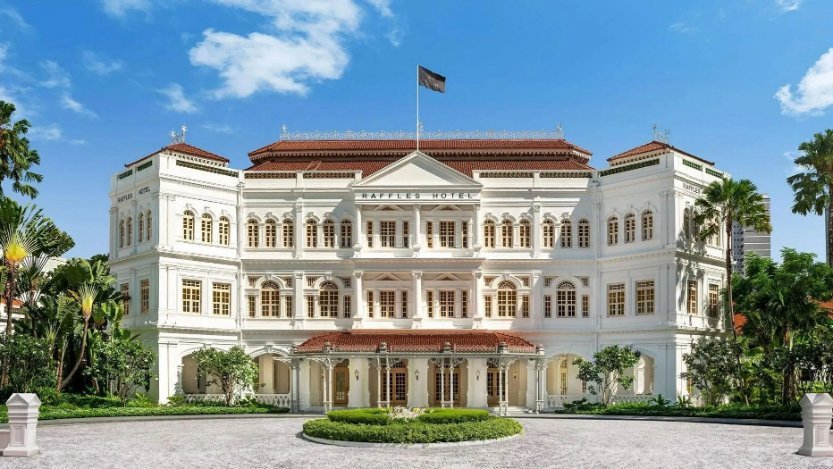
From the Hôtel de Paris in Monte-Carlo to Raffles in Singapore and a Mandarin Oriental in Bangkok marking 150 years, the grand hotels that have stayed relevant for more than a hundred years without surrendering their identity.
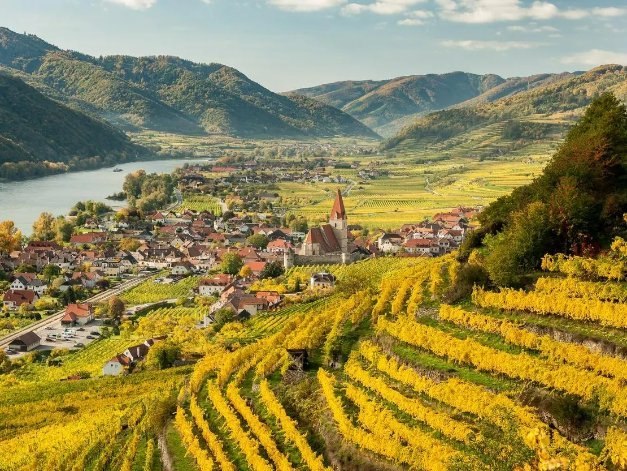
From the three rivers of Passau to the thermal baths of Budapest, by way of Linz, the Wachau, Vienna and Bratislava: Central Europe read slowly, one bend of the Danube at a time.