Beauty as a reason to travel: a sector that keeps growing
Travelling for an aesthetic procedure used to be a question of price. Today the decision turns on credentials, safety protocols and time to recover, and the trip increasingly folds into a wider programme of wellbeing.
Beauty travel has outgrown its founding arithmetic. For years the logic was simple: a cheaper procedure in another country paid for the flight. That sum still exists, but it is no longer the argument. The sector has matured, and so has the profile of the person who crosses a border for an aesthetic treatment.
THE SEARCH FOR A CLINIC ABROAD BEGINS LONG BEFORE THE FLIGHT. IMAGE: PRESS
What today’s traveller looks for first is specialisation. Clinics with established reputations, surgeons with recognised international training and rigorous safety protocols now weigh more heavily than the exchange rate. Price remains a factor, but rarely the only one, and less and less often the decisive one.
Clinical credentials as the new currency
Destinations once chosen purely for savings now compete on technical quality. Countries with strong traditions in dermatology, plastic surgery and preventive medicine have invested in international accreditation and in links with global medical societies, raising the level of trust demanded by a better-informed public.
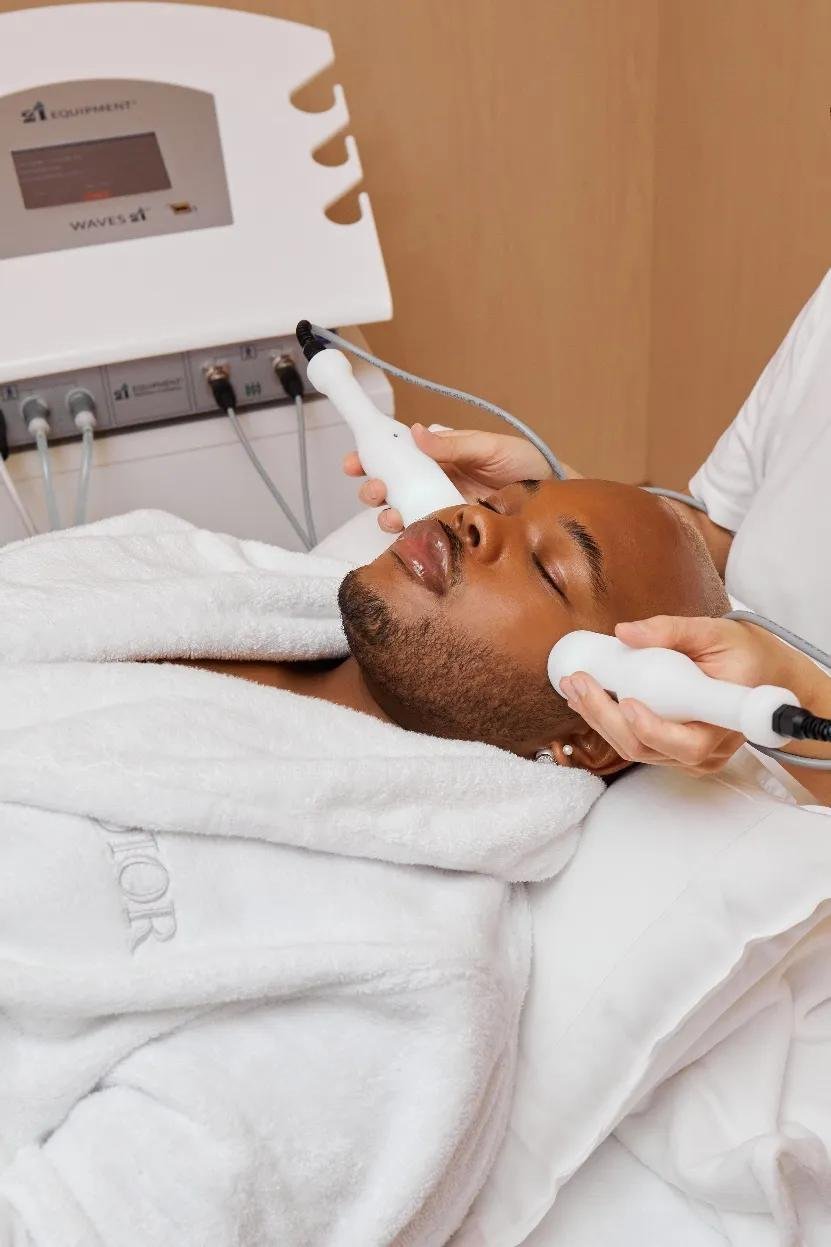
PREVENTIVE ASSESSMENTS HAVE BECOME CENTRAL TO WELLBEING TRAVEL. IMAGE: PRESS
Behaviour has changed with it. Travellers arrive with their own research, compare qualifications, read the accounts of other patients and, often, consult a doctor at home before committing to anything abroad. The decision is treated with the care due to any significant medical choice, which is what it is.
A CONSULTATION BEFORE DEPARTURE, IN PERSON OR ON SCREEN, IS NOW STANDARD. IMAGE: PRESS
What responsible travel looks like
Plastic surgery societies such as ISAPS, the International Society of Aesthetic Plastic Surgery, have long published guidance for patients considering surgery abroad, and its principles are sober. Verify that the surgeon is certified and that the facility is accredited. Understand exactly what is included, and what happens if a complication arises once you are home. Allow enough time for recovery before flying, since long journeys soon after surgery raise the risk of blood clots. Arrange follow-up care in advance, so the operation does not end at the departure gate.
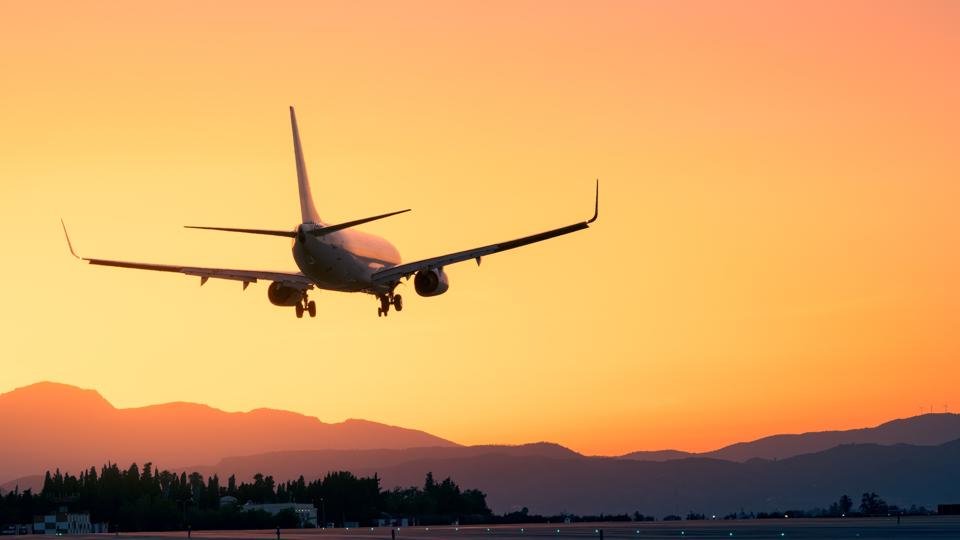
THE FLIGHT HOME IS PART OF THE TREATMENT PLAN, NOT AN AFTERTHOUGHT. IMAGE: PRESS
Wellbeing as an extension of the trip
The procedure is no longer the only point of the journey. Beauty travel increasingly connects to a wider itinerary of wellbeing: recovery in a spa, nutritional support, longevity programmes and experiences that treat the body and its routines as a whole. Beauty becomes part of a broader agenda of self-care rather than an isolated event.
That integration changes the length and shape of the trip. Longer stays, with time set aside for rest and recovery, have become common, especially in destinations that already have hotels and hospitality designed around health.
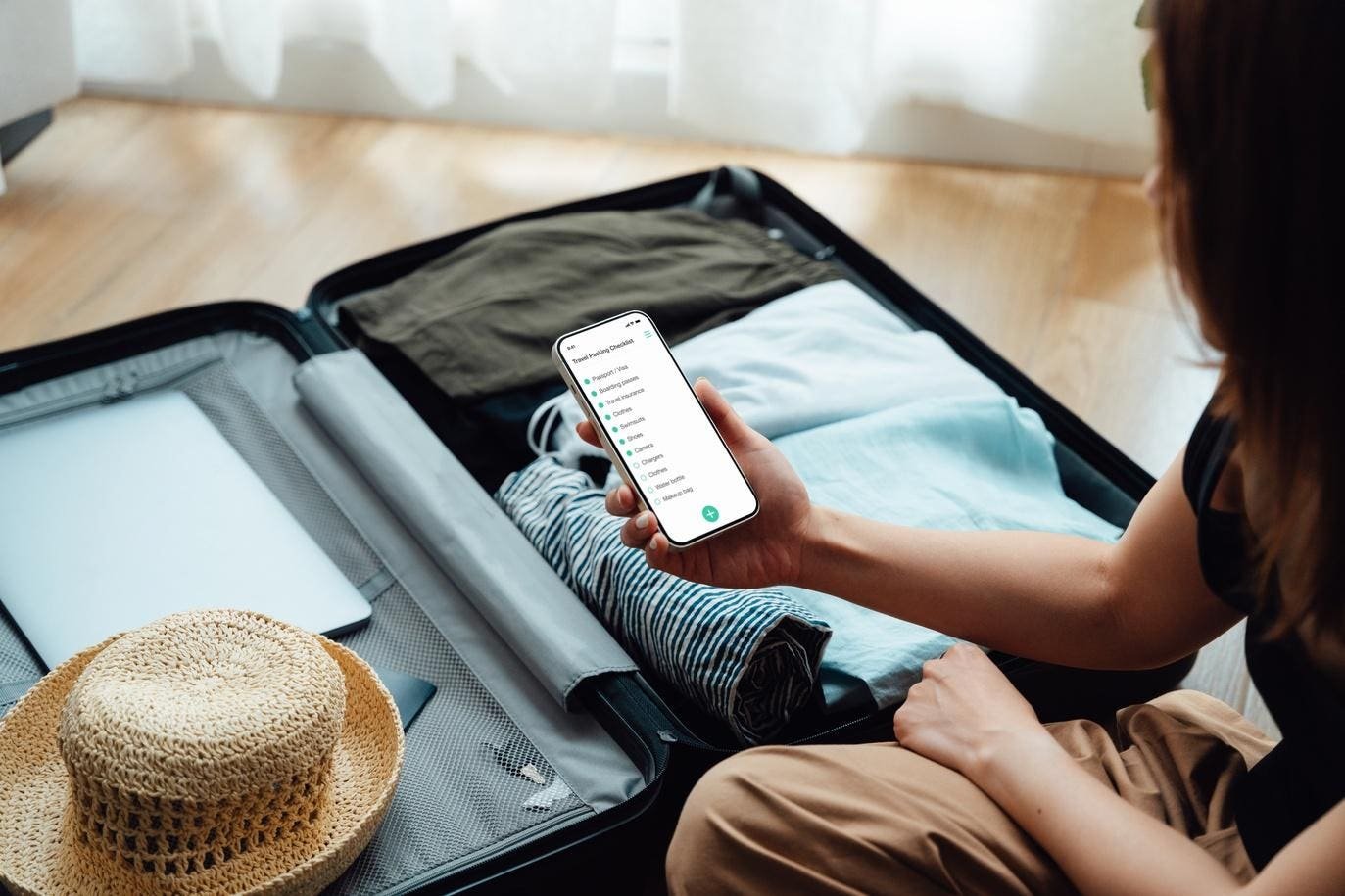
LOGISTICS NOW RECEIVE AS MUCH ATTENTION AS THE PROCEDURE ITSELF. IMAGE: PRESS
The result is a market growing more sophisticated on several fronts at once: technique, hospitality and transparency. For the contemporary traveller, seeking beauty away from home is no longer a matter of saving money. It is a matter of finding the right expertise, in the right place, with the care the choice deserves.
Details: patient safety guidance on travelling for surgery from the International Society of Aesthetic Plastic Surgery: isaps.org.
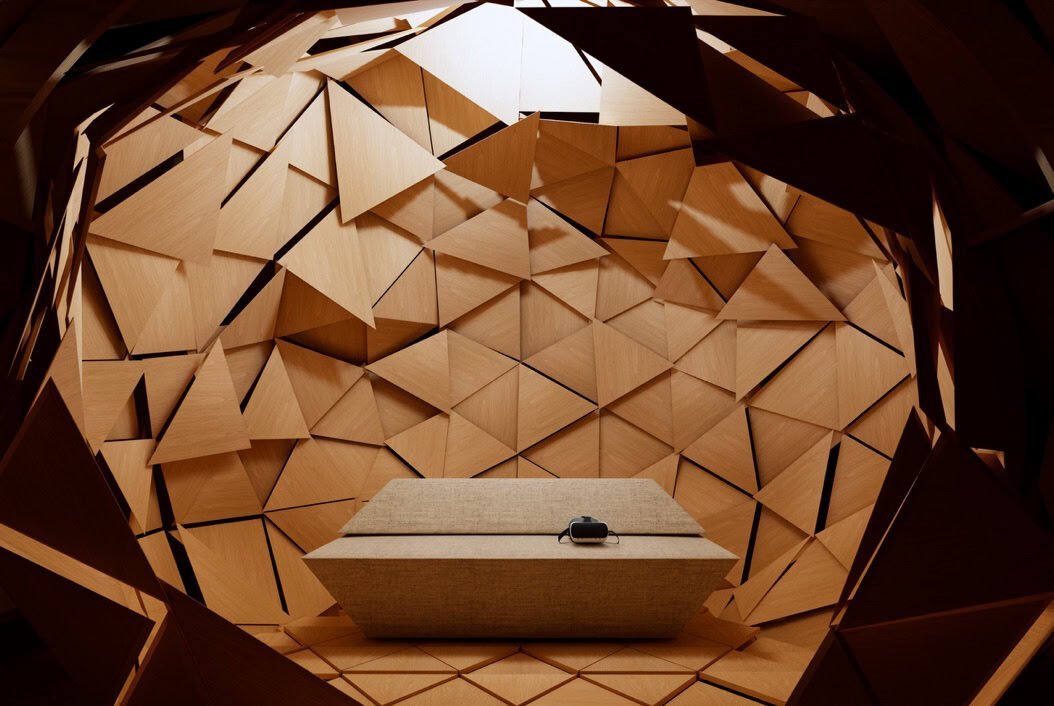
In Geneva, Erkin Bek's ALL HERE pairs guided practice with immersive headsets and live brainwave readings, a meditation centre that treats technology as a door rather than a distraction.
Japan has some of the longest lives on earth, and no single food explains them. From natto to wakame, eight staples of the Japanese table and the habit of stopping before you are full show how a diet built on fermentation, soy, sea vegetables and moderation fits a wider pattern of health.
From a floating ring of saunas in Swedish Lapland to a cedar cabin on a British Columbia bay, eleven hotels where heat, cold water and quiet have become the reason to travel.