Japan has some of the longest lives on earth, and no single food explains them. From natto to wakame, eight staples of the Japanese table and the habit of stopping before you are full show how a diet built on fermentation, soy, sea vegetables and moderation fits a wider pattern of health.
Longevity is rarely the work of one ingredient. In Japan it is the work of a habit repeated three times a day for a lifetime. The country’s health ministry put average life expectancy in 2025 at 87.33 years for women and 81.35 for men, among the highest figures anywhere, and Okinawa has long been cited as one of the so-called Blue Zones, the handful of regions where people reach advanced age in unusual numbers.
The reasons are many: universal healthcare, low rates of obesity, active old age, social ties that hold. Diet is one strand among them, and an instructive one. The Okinawan phrase hara hachi bu asks the eater to stop when the stomach is about eight parts full. Around that idea sits a cuisine of fermented soy, vegetables, sea vegetables, fish and small portions. None of what follows is a cure. Read together, these eight staples describe a way of eating rather than a list of remedies.
Fermentation: the patient pantry
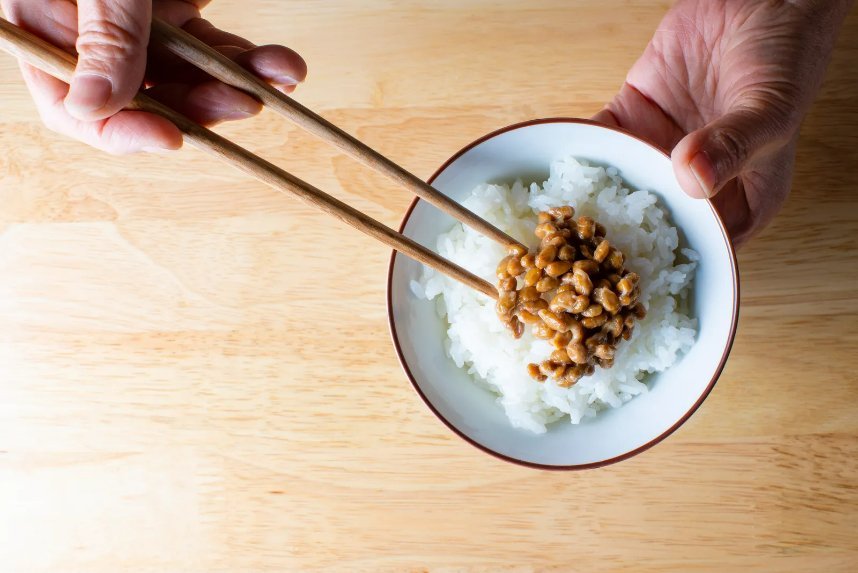
Natto. A breakfast staple across much of eastern Japan, natto is whole soybeans fermented with Bacillus subtilis, usually eaten over rice. The flavour is assertive and the texture famously sticky. It is a good source of protein, fibre and vitamin K2, and its fermentation produces nattokinase, an enzyme that researchers continue to study for its effect on blood clotting. People taking anticoagulant medication are generally advised to be careful with it, precisely because of the vitamin K.
BREAKFAST THAT TAKES ITS TIME. IMAGE: PRESS
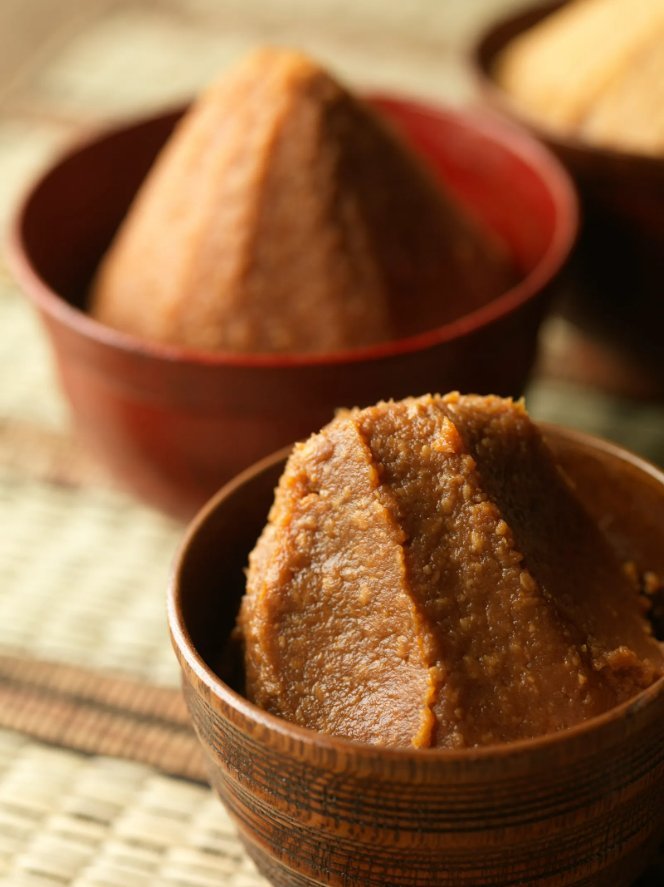
Miso. The fermented paste of soybeans, salt and koji is the base of the soup served at almost any hour, breakfast included. It brings protein and depth of flavour to broths, dressings and glazes. Unpasteurised miso carries live cultures, though boiling destroys most of them, and it is also salty: the virtue lies in the regular, modest bowl rather than in quantity.
A BOWL AT ANY HOUR. IMAGE: PRESS
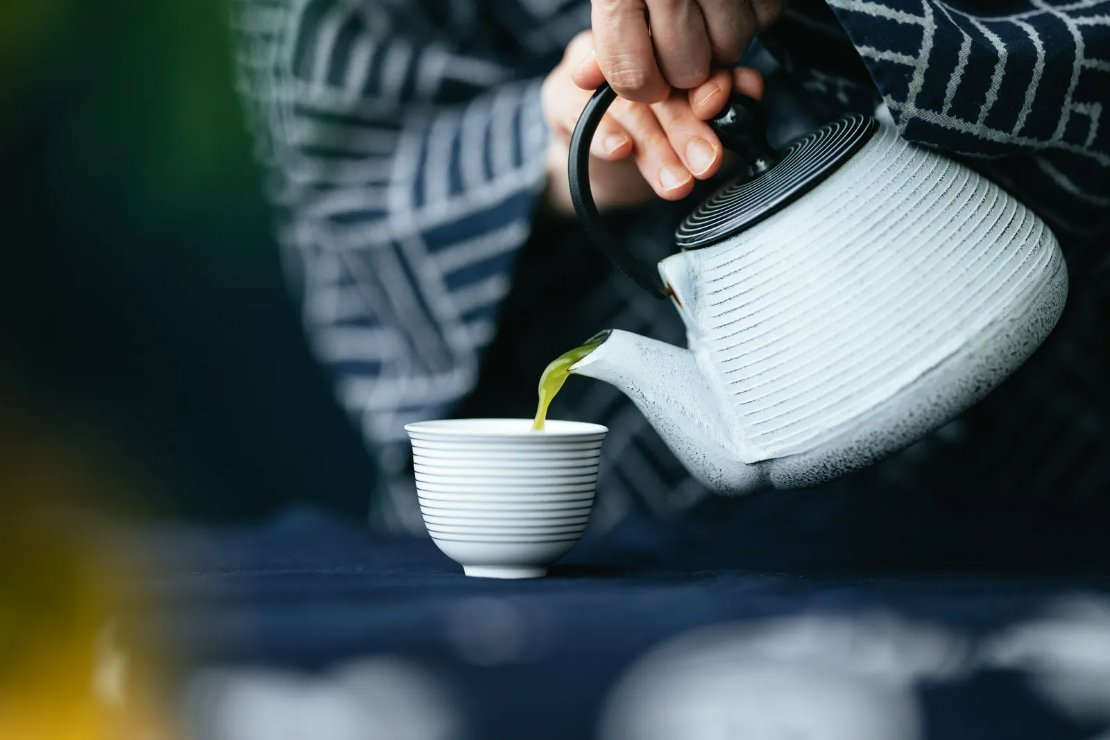
Green tea. Drunk throughout the day, often without ceremony, green tea is rich in catechins, a family of polyphenols. Large observational studies in Japan have associated regular consumption with lower cardiovascular mortality, an association rather than proof of cause. Its other gift is less measurable: the pause it imposes, several times a day.
THE PAUSE, REPEATED THROUGH THE DAY. IMAGE: PRESS
Soy and beans: protein without weight
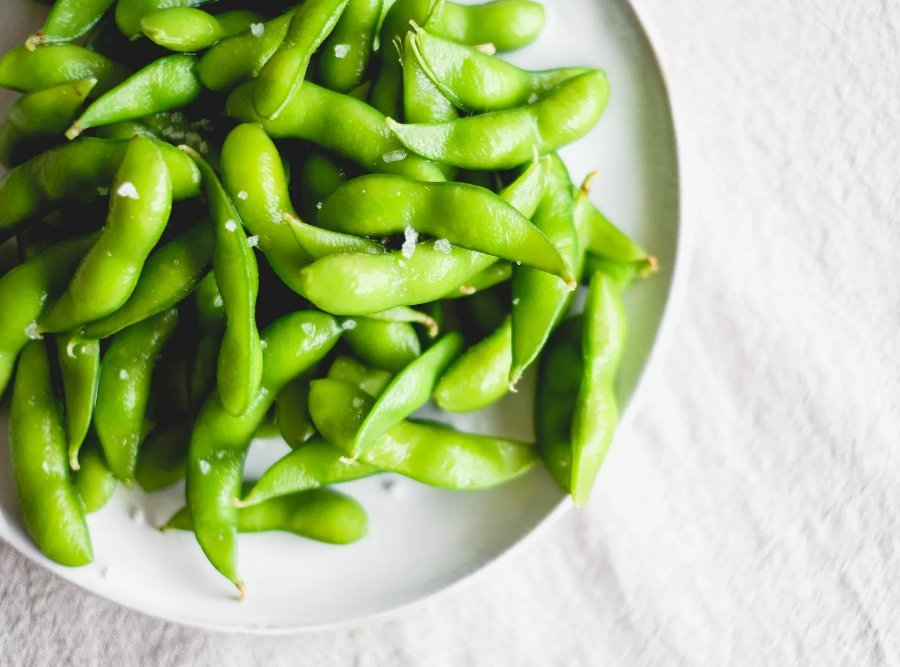
Edamame. Young soybeans, boiled in the pod and salted, are the most familiar opening to a Japanese meal. They offer plant protein and fibre, which slow digestion and help keep blood sugar steady. Eaten as a snack or folded into salads, they make the case that eating well can be simple.
THE SIMPLEST OPENING. IMAGE: PRESS
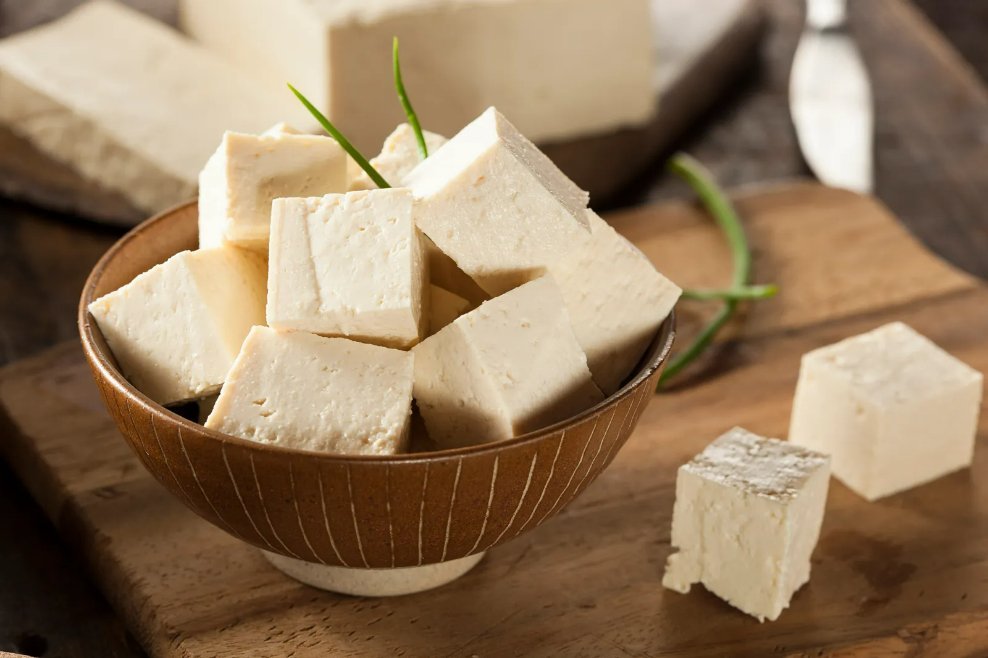
Tofu. Pressed soy curd supplies complete protein, containing all the essential amino acids, and, when set with calcium sulphate, a useful amount of calcium. Its neutral flavour is its strength: chilled with ginger and spring onion in summer, simmered in broth in winter, it absorbs whatever the cook asks of it.
A NEUTRAL CANVAS. IMAGE: PRESS
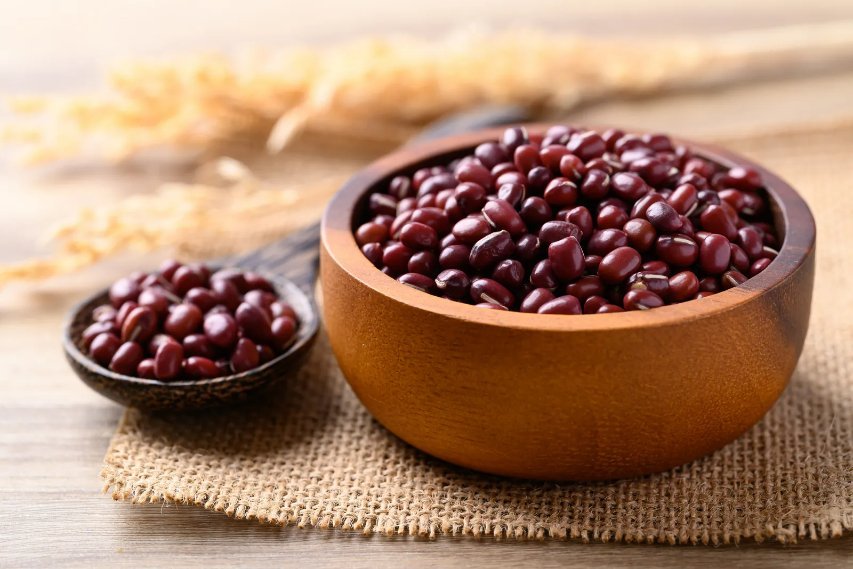
Azuki. The small red bean appears in rice for celebrations and, sweetened, in countless confections. Unsweetened, it is a dense source of fibre, minerals such as potassium and magnesium, and polyphenols. Its place in savoury salads and side dishes reflects a broader preference for ingredients that nourish without excess.
SMALL, RED AND QUIETLY DENSE. IMAGE: PRESS
From the sea and the rice field
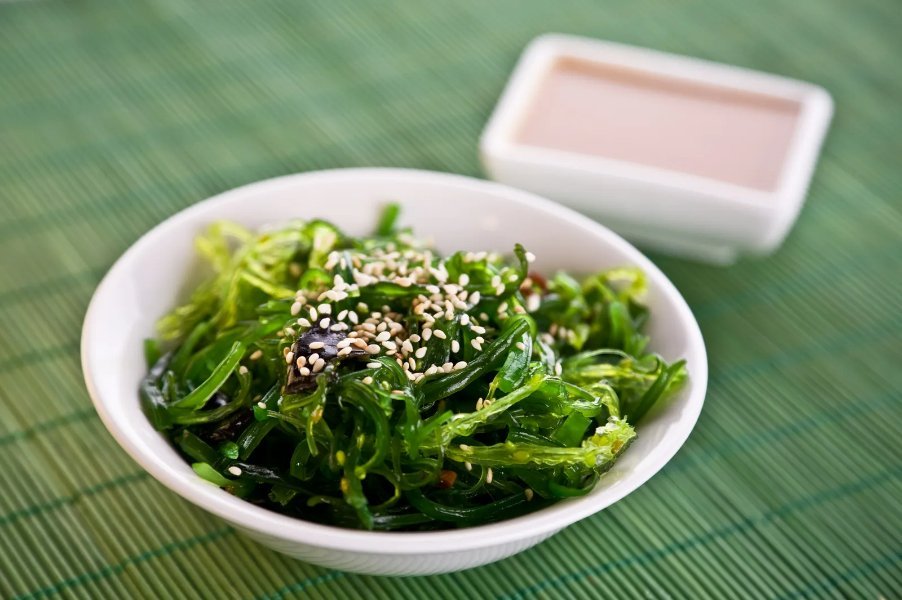
Wakame. Sea vegetables are an everyday presence in Japan, and wakame is among the most common, floating in miso soup or dressed with sesame and vinegar. It is low in calories and carries iodine, calcium, magnesium and other minerals. Iodine is the reason for moderation: a little, often, is the traditional measure.
THE SEA, IN SMALL MEASURES. IMAGE: PRESS
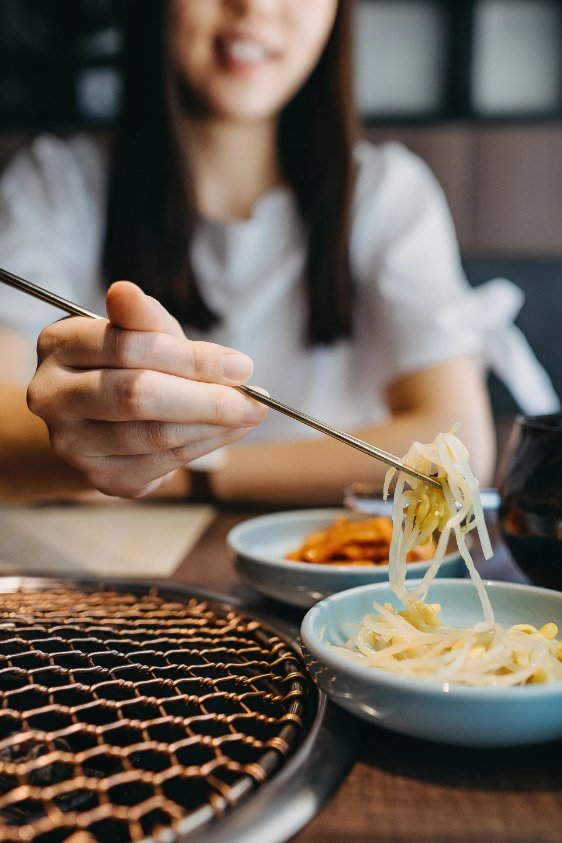
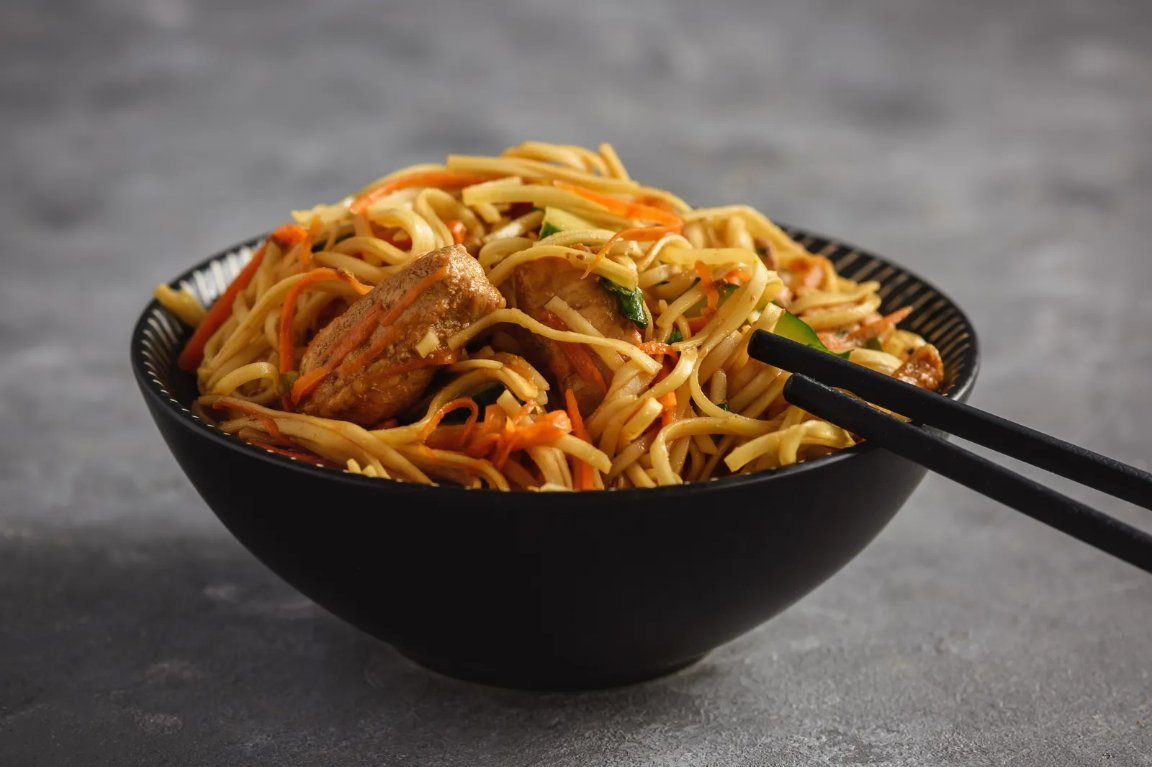
Rice noodles. Chinese in origin, rice noodles have found a place in Japanese kitchens alongside soba and udon as a lighter alternative. They are naturally gluten free and easy to digest, which makes them a sensible choice for some, and they are at their best in clear broths with vegetables or in quick stir-fries. Their value lies less in the noodle itself than in the company it keeps.
LIGHTNESS AS A HABIT. IMAGE: PRESS
The discipline of eight parts
What links these foods is not a miracle compound but a structure: many small dishes, plenty of plants and fermented foods, fish more often than red meat, and portions that leave room. Researchers who study long-lived populations stress that diet works alongside movement, purpose and community. The Japanese table simply makes moderation easy to practise, because it is built into the meal itself.
Long lives, in the end, are made in small decisions. The bowl of miso in the morning, the tea in the afternoon, the chopsticks set down while there is still a little appetite left. Japan’s secret, if it has one, is that it never needed to raise its voice about any of it.
In Geneva, Erkin Bek's ALL HERE pairs guided practice with immersive headsets and live brainwave readings, a meditation centre that treats technology as a door rather than a distraction.
From a floating ring of saunas in Swedish Lapland to a cedar cabin on a British Columbia bay, eleven hotels where heat, cold water and quiet have become the reason to travel.
Travelling for an aesthetic procedure used to be a question of price. Today the decision turns on credentials, safety protocols and time to recover, and the trip increasingly folds into a wider programme of wellbeing.