Brisbane leads a 50-city index of the best places to raise children, ahead of London and Auckland. The ranking reads less like a league table than a verdict on how cities choose to spend space, time and money.
The best place to raise a family has never been a matter of geography alone. It is made of safe streets, shared hours and the quiet confidence that the future can be planned. An index published in February 2026 by Compare the Market turns that instinct into numbers, ranking 50 cities on how well they serve the business of bringing up children.
Brisbane, and the value of a park
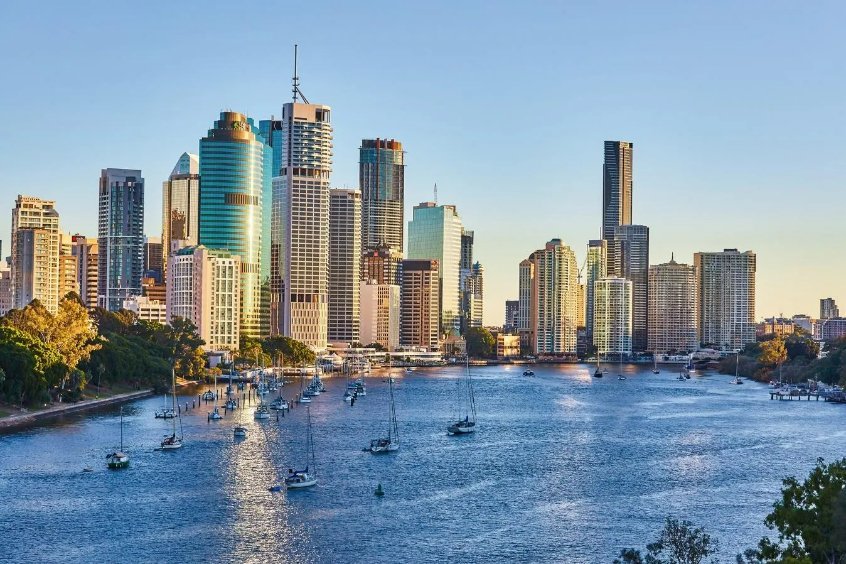
BRISBANE, WHERE GREEN SPACE IS TREATED AS INFRASTRUCTURE. IMAGE: PRESS
Brisbane comes first. The capital of Queensland scored particularly well on green space, with almost 85 parks and playgrounds for every 100,000 residents, and benefits from national parental leave policies that are among the more generous in the index. In a city like this, the public realm stops being merely functional and becomes part of a childhood.
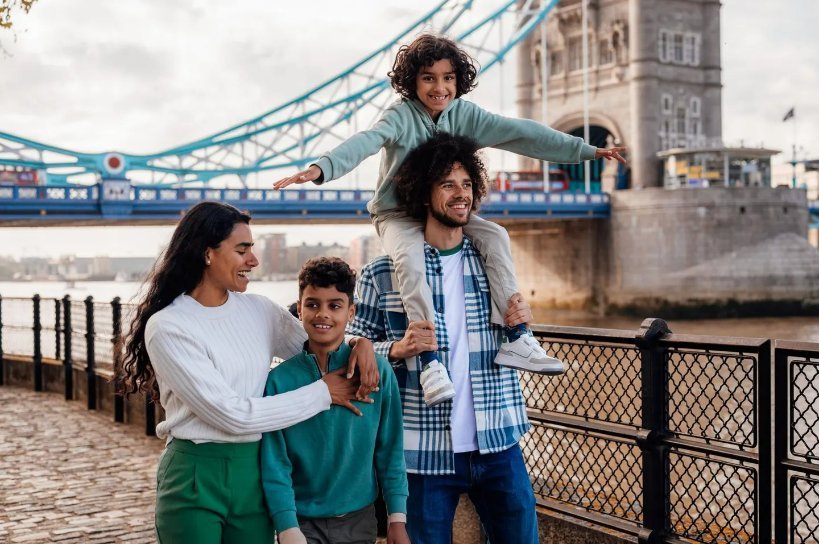
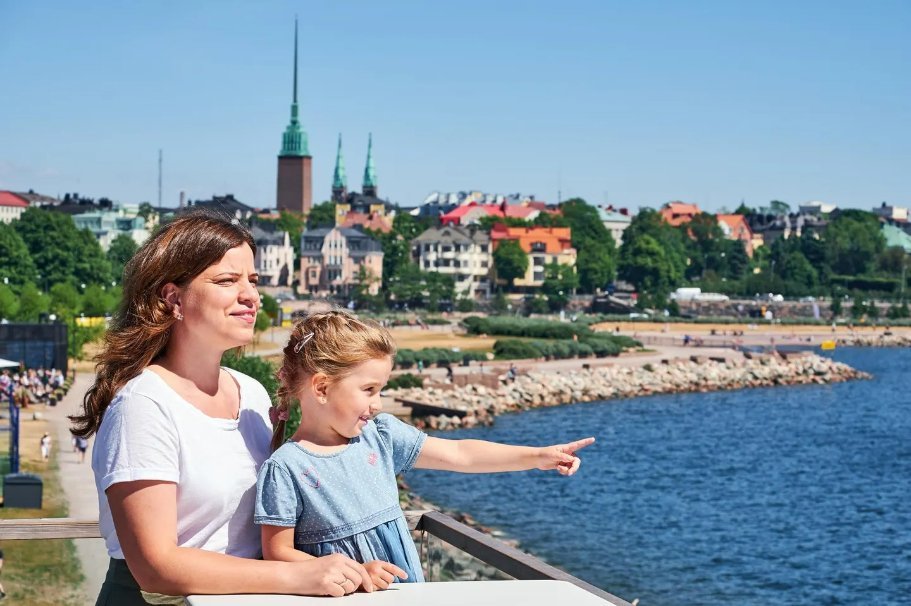
The top of the table belongs to Australia and Europe. London is second, carried by the sheer volume of things to do with children and a cultural inheritance that turns the city into an extended classroom. Auckland is third, strong on safety and access to nature. Helsinki and Sydney complete the top five, followed by Perth, Melbourne, Stockholm, Berlin and Seoul.
Nine measures of a good childhood
SAFETY, SPACE AND TIME: THE NEW CURRENCIES OF FAMILY LIFE. IMAGE: PRESS
The index weighs nine factors: safety, life satisfaction, activities for children, the monthly cost of living for a family of four, national spending on family benefits, statutory parental leave, green space per capita, child vaccination rates and spending on education. Safety, things to do, cost and green space carry the most weight.
What emerges is a portrait of policy as much as place. Countries that invest in parental leave and family benefits create cities in which parents have more time, and time, in an age of constant acceleration, has become the scarcest resource of all.
Where the great capitals fall short
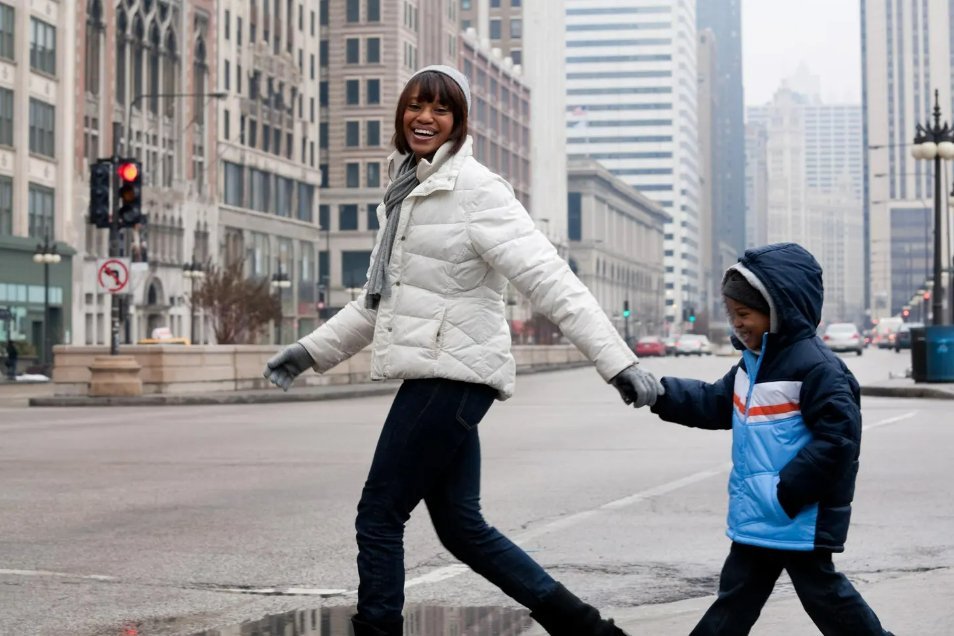
A RANKING THAT MEASURES HOW CITIES CHOOSE TO GROW. IMAGE: PRESS
At the other end, some of the world’s most powerful cities struggle. New York, the highest-placed American city, is 28th, held back above all by the cost of living. Chicago is 33rd, Dallas 34th and San Francisco 38th, while Los Angeles and Phoenix sit near the bottom at 44th and 48th. Lower safety scores, short or absent national parental leave and modest spending on family benefits weigh on every American entry.
The index is also a study in contradictions between cost and quality. Zurich is the most expensive city in which to raise a family, at around $6,900 a month for a family of four, and ranks 37th. New Delhi, far cheaper, climbs to 12th, while Mumbai sits at 27th. Quality of life, the numbers suggest, cannot be reduced to a single measure.
In the end, the ranking says less about where families live than about how cities decide to evolve. Parks, safety and unhurried hours have become assets as valuable as growth itself. Raising a family is, more than ever, a geographical decision, and a few cities appear to understand exactly what that means.
Mike White's fourth season unfolds during the Cannes Film Festival, between a castle in Saint-Tropez and the Croisette. The subject this time is fame, and the series is due on screen in 2027.
Derek Ridgers' Hello, I Love You gathers kisses caught by flash on London nights in the early 1980s. Seen today, the pictures record something more fragile than romance: a night that did not need to be documented to exist.
Nicolas Puech says six million Hermès shares vanished from his accounts while LVMH was building its stake. In Paris, a civil suit and a criminal inquiry are still trying to find out where they went.